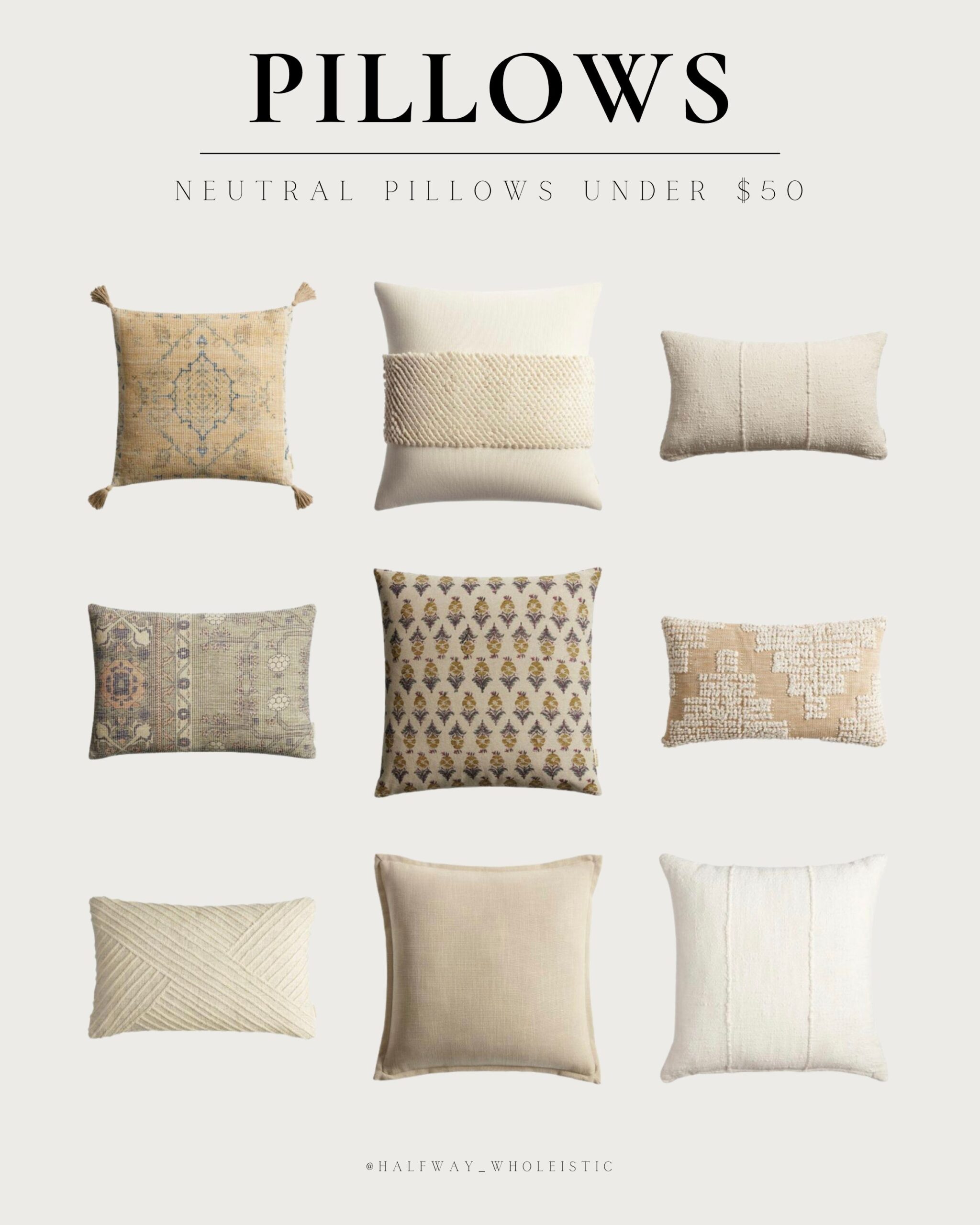
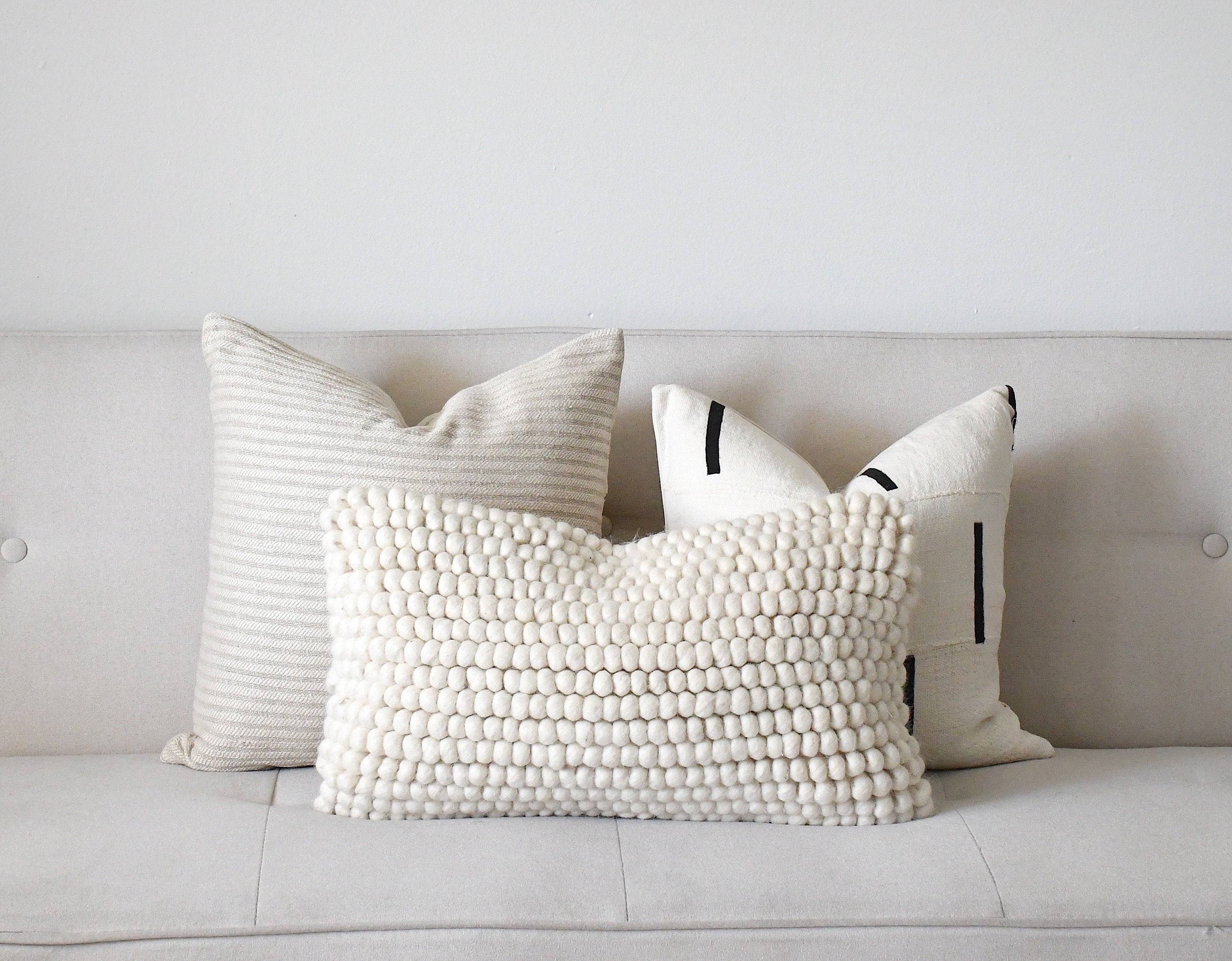
Style neutral throw pillows by mixing soft colors, different textures, varied sizes, and a few simple patterns while keeping a balanced look.
In American homes, a sofa often serves as the main spot for family time, movie nights, and relaxing after a long day. Neutral throw pillows can make this space feel warm and inviting without making the room look busy. Shades such as ivory, beige, taupe, cream, gray, and soft brown work well with many common living room styles.
The secret is to create contrast without adding too many colors. A smooth linen pillow can sit beside a chunky knit cover, while a small striped design can add interest to a plain sofa. You do not need a matching set or a large budget. A few well-chosen pillows can make a room feel more complete and give your sofa a fresh look.
Understand the Best Colors for Neutral Throw Pillows
Neutral throw pillows come in more colors than plain white and beige. They include warm, cool, light, and dark shades that can work together to create a calm room. The best color mix depends on your sofa, wall color, flooring, and the mood you want to create.
Start with one main shade, then add one or two colors that are close to it. This keeps the design connected while giving each pillow a clear role. For example, cream, sand, and warm taupe can make a beige sofa look rich without adding a bold color.
You can also use light and dark neutrals together. A charcoal pillow beside an ivory one adds contrast, while a soft gray cover can help connect the two. The aim is to make the pillows look related, not identical.
Source: candieanderson.com
Ivory and cream
These shades give a room a light and soft feel. They work well with wood furniture, pale walls, and natural fabrics.
Beige and sand
Warm beige tones add a relaxed look. They pair well with cream, tan, light brown, and muted green.
Taupe and greige
These shades sit between gray and brown. They help connect warm and cool colors in the same room.
Gray and charcoal
Gray adds a cooler feel, while charcoal creates a stronger contrast against light upholstery.
Soft brown
Brown brings warmth and works well with leather, wood, woven rugs, and cream fabrics.
Choose Warm or Cool Neutrals
Warm neutrals have hints of yellow, red, or brown. Think oatmeal, camel, sand, and warm ivory. They work well in rooms with wood floors, warm white walls, brass details, and tan furniture.
Cool neutrals have hints of blue, green, or gray. Examples include stone, cool gray, and crisp white. They often suit rooms with gray sofas, silver finishes, and cooler wall colors.
You can mix warm and cool shades, but give them a shared color or texture to connect them. A natural linen cover, for example, can help a warm beige pillow sit beside a cool gray one.
For a warm room
Try cream, oatmeal, camel, and soft brown.
For a cool room
Try soft white, stone, pale gray, and charcoal.
Mix Textures to Make a Neutral Sofa More Interesting
Texture is one of the easiest ways to style neutral throw pillows without adding bright colors. When several pillows use similar shades, their fabrics help each one stand out. A room with cream, beige, and taupe pillows can still feel full of life when the surfaces look different.
Think of texture as the detail that keeps a simple color scheme from feeling flat. Pair a smooth cotton cover with a woven linen design. Add a soft velvet pillow or a raised boucle cover if you want more depth.
You do not need every fabric type in one arrangement. Two or three different textures are often enough for a small sofa. On a larger sectional, you can add more variety while keeping the colors close.
Source: pinterest.com
Linen
Linen has a relaxed, slightly uneven surface. It suits casual, coastal, farmhouse, and modern rooms.
Cotton
Cotton is easy to style and comes in many weaves. It works well as a simple base for other fabrics.
Velvet
Velvet adds a smooth surface and a soft sheen. Use it when you want a more polished look.
Boucle
Boucle has a looped surface that adds a cozy feel. It pairs well with plain cotton and linen.
Knitted fabric
Knit covers add a warm, casual touch. They are useful in living rooms with soft blankets and wood accents.
Woven fabric
Woven covers can add small details and a natural look without relying on bold prints.
Use Texture Instead of More Color
If your room already has a quiet color scheme, avoid adding many new shades just to make the sofa more interesting. Try changing the fabric instead. A cream velvet pillow beside a cream woven pillow can create contrast even though both covers share the same color.
Pay attention to how each fabric feels and looks in natural light. Some fabrics have a sheen, while others look matte or slightly rough. These small differences can make the arrangement feel more thoughtful.
Simple pairing
Combine a plain cotton pillow, a textured linen pillow, and a soft knit cover.
More polished pairing
Combine velvet, smooth linen, and a subtle woven design in related shades.
Choose the Right Pillow Sizes and Shapes
A good pillow arrangement uses more than one size. Different dimensions create a sense of depth and help the sofa look styled rather than covered with identical cushions. Start with the size of your sofa and the amount of room available for sitting.
For many standard sofas, square pillows around 18 to 22 inches can work as a starting point. Larger sofas and deep sectionals may need pillows around 22 to 24 inches. These are common styling ranges, not fixed rules, so check the actual seating depth and insert size before buying.
A mix of square, lumbar, and rectangular pillows can make the layout feel more relaxed. A lumbar pillow adds a long shape that breaks up a row of square cushions. It can also provide support for your lower back while sitting.
Source: decorpickspot.com
Large square pillows
Use these as the main pillows on a standard sofa or sectional. They give the arrangement a clear base.
Medium square pillows
Place these in front of larger pillows to add another layer without blocking too much seating.
Lumbar pillows
Use a rectangular pillow to add a different shape and a useful place to rest your back.
Round pillows
A round design can soften an arrangement made mostly of square shapes. Use one as a small accent.
Match Pillow Size to Sofa Depth
A deep sectional can handle larger pillows without making the seats feel crowded. A small apartment sofa may look better with fewer, smaller cushions. Leave enough open space for people to sit comfortably and rest their arms.
The insert also affects the final size. A cover may look full with an insert of the same listed size, but some covers are designed to fit more snugly. Check the cover maker’s size guidance before choosing an insert.
Small sofa
Use a few medium pillows and one small lumbar pillow.
Large sofa
Use larger pillows at the ends and medium pillows toward the center.
Sectional
Style each seating corner, but leave the main sitting area open.
Layer Solid Colors and Simple Patterns
Neutral pillows do not all need to be plain. Small patterns can add movement and make a sofa feel more personal. The key is to keep the pattern scale and color strength under control.
Begin with solid pillows in your main colors. Then add one or two patterned covers that use shades already found in the room. A cream pillow with thin taupe stripes, for example, can link a plain beige pillow with a darker brown one.
If you use a large pattern, keep the other covers simple. Too many strong patterns can make the sofa feel crowded. Small checks, narrow stripes, subtle grids, and low-contrast shapes are easy options for a calm look.
Source: michealadianedesigns.com
Thin stripes
Stripes add a clean line and suit modern, coastal, and classic rooms.
Small checks
Checks add a casual touch and work well in farmhouse and cottage-style spaces.
Soft geometric prints
Simple shapes add structure without drawing too much attention.
Subtle floral designs
Low-contrast floral prints can soften a room with a classic or relaxed feel.
Textured patterns
Raised lines and woven shapes add detail without relying on a printed design.
Follow a Simple Pattern Balance
A useful starting point is to let most pillows stay solid and use a smaller number of patterned covers. For example, a five-pillow arrangement might include three solid covers and two subtle patterns. This is a flexible styling guide, not a strict design rule.
Look at the room as a whole before adding a pattern. If your rug already has a bold design, use simpler pillows. If your rug and curtains are plain, a patterned pillow can add the detail the room needs.
Busy rug
Choose mostly solid pillows with one quiet pattern.
Plain rug
Try a small stripe, check, or geometric print.
Arrange Neutral Throw Pillows on Different Sofas
The best arrangement depends on the shape of your sofa. A small loveseat needs a lighter touch than a wide sectional. Start at the outer ends, then work toward the center while keeping the main sitting space clear.
You can use symmetry for a neat, formal look or an uneven layout for a more relaxed feel. Both can work with neutral colors. The choice depends on the style of your room and how you use the sofa each day.
Before you settle on a layout, sit on the sofa and move the pillows around. A display that looks good in a photo may not be comfortable for daily use. Keep the cushions easy to reach and move.
Source: halfwaywholeistic.com
For a standard sofa
Place one large pillow at each end, then add a smaller pillow or lumbar cushion near the center.
For a loveseat
Use two medium pillows or one medium pillow with one lumbar design. Avoid filling the whole seat.
For a sectional
Place pillows at the outer corners and near the corner seat. Add a few more only if the sofa still has open seating space.
For an accent chair
Use one small square or lumbar pillow that supports the chair’s shape.
Try a Balanced Arrangement on a Three-Seat Sofa
A simple three-seat sofa layout can use five pillows. Place one large square pillow at each end, then layer a medium pillow in front of each one. Finish with a small lumbar pillow in the center.
For a less formal look, use two pillows on one side and three on the other. Keep a shared shade or fabric between the groups so the arrangement still feels connected. If the sofa is narrow, remove one pillow rather than forcing the full set.
Neat look
Use matching pairs at both ends and one small accent in the center.
Relaxed look
Use a mix of shapes and sizes with slightly different groupings at each end.
Style Neutral Pillows for Different Interior Design Styles
Neutral pillows can fit many home styles, but the right fabric and pattern will change the final look. A coastal room may call for pale linen and soft stripes, while a modern room may look better with clean shapes and a tighter color range.
Use the furniture and finishes already in your room as a guide. You do not need to copy every detail of a design trend. A small change in texture, shape, or color can help your pillows fit the room.
Source: etsy.com
Modern
Choose solid ivory, gray, and taupe covers with clean edges and simple shapes.
Farmhouse
Try oatmeal linen, soft checks, cotton, and a little woven detail.
Coastal
Use soft white, sand, pale blue-gray, and light stripes for an airy feel.
Bohemian
Mix cream, tan, woven fabrics, tassels, and subtle patterns.
Keep the colors simple and use natural textures, light gray, cream, and muted brown.
Create a Cozy Farmhouse Look
For a farmhouse room, start with cream and oatmeal covers. Add a woven pillow or a small check pattern to bring in a relaxed feel. Natural wood, cotton throws, and simple furniture can help the colors feel at home.
Avoid making every pillow look rustic. A plain, smooth cover can balance a rough woven design. This mix keeps the room from feeling too themed.
Color mix
Cream, oatmeal, warm beige, and soft brown.
Fabric mix
Cotton, linen, woven covers, and a small amount of knit texture.
Keep a Modern Room Clean and Calm
Modern rooms often look best with fewer pillows and clear shapes. Choose two or three related colors and repeat them across the sofa. A smooth cover beside a subtle textured one can add depth without making the layout feel busy.
Use a lumbar pillow if you want to break up a row of square cushions. Keep the patterns quiet and let the furniture lines remain visible.
Color mix
Ivory, stone, gray, and charcoal.
Fabric mix
Smooth cotton, linen, and low-texture woven fabric.
Coordinate Pillows With Your Sofa, Rug, and Curtains
Neutral pillows look best when they connect with other parts of the room. Your sofa does not need to match every pillow. Instead, choose shades that repeat or complement colors already found in the rug, curtains, artwork, or furniture.
If your sofa is beige, try cream, taupe, or soft brown pillows. A gray sofa can work with ivory, charcoal, stone, and muted beige. On a white sofa, use texture and slightly deeper shades to keep the pillows from blending into the upholstery.
Look at the room in daylight and at night. Warm lamps can make cream and beige fabrics look more yellow, while cool daylight may make gray tones stand out. Check fabric samples or covers in the room before buying a full set.
Source: glitterinc.com
Beige sofa
Pair it with cream, oatmeal, taupe, and soft brown.
Gray sofa
Try ivory, charcoal, stone, and muted beige.
White sofa
Use tan, warm gray, textured cream, and light brown for contrast.
Brown sofa
Add ivory, sand, camel, and a soft patterned cover.
Black sofa
Use cream, light gray, beige, and a small amount of charcoal.
Use Your Rug as a Color Guide
A rug can help you choose pillow colors when the room has several finishes. Look for a small shade in the rug that you can repeat on the sofa. It might be a light tan line, a soft gray shape, or a warm cream detail.
You do not need to match the rug exactly. A close color link is enough to make the room feel connected. If the rug has a strong pattern, keep most pillows plain so the sofa does not compete with it.
Patterned rug
Choose two solid pillow colors from the rug and add one quiet texture.
Plain rug
Use a subtle pillow pattern to add more visual detail.
Choose Pillow Inserts and Covers That Hold Their Shape
A good cover can still look flat if the insert is too small or too soft. The insert helps give the pillow its shape, so check both the cover and insert measurements before you buy. A full-looking pillow usually needs an insert that fits the cover well.
Many decorators use an insert slightly larger than the cover for a fuller look. For example, a 20-inch insert may be used in a 18-inch cover, if the cover maker allows that fit and the insert can compress without stressing the seams. This is a styling method, not a rule for every fabric or pillow.
The fill also affects how a pillow feels. Down and feather blends can feel soft and easy to shape, while polyester fill may suit people who prefer a different feel or need a non-down option. Check care instructions and allergy needs before choosing.
Source: youtube.com
Down or feather blend
These fills can create a soft, relaxed shape and can often be fluffed by hand. They may not suit people who avoid feather products.
Polyester fill
This is a common alternative to feather fill. The feel and shape depend on the quality and amount of filling.
Foam fill
Foam can give a firmer feel and may hold a more defined shape. Check the cover fit before using it.
Check the Cover Before Buying an Insert
Measure the pillow cover from seam to seam and follow the maker’s insert advice. A cover with thick fabric or a narrow opening may need more care when you fit a larger insert. Do not force an insert into a cover if the seams are under strain.
Once the insert is inside, spread the fill into each corner. Give the pillow a gentle shake and press the center to check whether it looks full without becoming stiff.
Flat corners
Move the filling toward the corners or check whether the insert is too small.
Tight seams
Use a smaller insert or a cover designed for a fuller fit.
Keep Neutral Throw Pillows Clean and Looking Fresh
Light-colored pillows can show dust, pet hair, and marks more easily than darker covers. A little care helps them stay fresh and keeps the sofa looking neat. The right cleaning method depends on the fabric, fill, and care label.
Removable covers are often easier to clean than pillows with fixed covers. Check the label before washing because linen, velvet, boucle, and decorative fabrics may need different care. Some covers can shrink, lose shape, or change texture if washed with too much heat.
For routine care, fluff the pillows and remove loose dust or hair. Treat a spill as soon as you can, but do not rub it hard into the fabric. Use a clean cloth and follow the care instructions for the material.
Source: candieanderson.com
Read the care label
Check whether the cover is machine washable, hand washable, or dry clean only.
Use gentle care
Avoid harsh cleaners and high heat unless the maker says they are safe for that fabric.
Clean spills early
Blot the area with a clean cloth and use a suitable cleaning method for the cover.
Rotate pillows
Change their positions from time to time to spread normal wear across the set.
Make Light Pillow Covers Easier to Maintain
If you have children or pets, consider washable cotton or linen-look covers for the pillows you use most. Keep delicate velvet or textured covers for spots where they are less likely to get dirty. This lets you enjoy different fabrics without making every pillow hard to care for.
You can also keep one spare cover for a favorite pillow. When the main cover needs cleaning, change it rather than leaving the sofa without its accent. Store clean covers in a dry place and make sure they are fully dry before putting them away.
For busy family rooms
Choose removable covers with clear washing instructions.
For homes with pets
Consider tighter weaves and fabrics that are easy to remove hair from.
Common Mistakes to Avoid When Styling Neutral Pillows
Neutral decor can look dull or crowded when every pillow has the same size, fabric, and shade. A few small changes can help the arrangement feel more natural. Start by checking the sofa as a whole instead of judging each pillow on its own.
The most common mistake is adding more pillows when the real issue is a lack of contrast. Try changing one fabric or adding a deeper shade before buying another cushion. The goal is to make the sofa look inviting and keep it useful.
Source: jugantor.com
Using only one shade
A row of identical beige pillows may look flat. Add cream, taupe, or a deeper neutral for contrast.
Choosing identical textures
Mix smooth and textured fabrics to give the arrangement more depth.
Ignoring pillow scale
Very large pillows can crowd a small sofa, while tiny pillows may look lost on a deep sectional.
Adding too many patterns
Keep the main colors calm and limit bold designs so the sofa remains easy on the eye.
Blocking the seating area
Leave enough room for people to sit and use the sofa without moving every pillow.
Forgetting the rest of the room
Check the rug, curtains, wall color, and furniture before choosing the final pillow mix.
Buying covers without checking inserts
Compare measurements and care instructions to avoid flat pillows or covers with strained seams.
What to Do if Your Arrangement Looks Flat
Remove one pillow and look at the sofa again. If the colors seem too close, add a deeper shade such as taupe or soft brown. If the colors work but the sofa still looks plain, add a different texture or a small pattern.
If the arrangement feels crowded, reduce the number of pillows before changing the colors. A simple layout with open seating can look better than a large collection of cushions. Make one change at a time so you can see what improves the room.
Too plain
Add one textured or low-contrast patterned cover.
Too busy
Remove a patterned pillow and repeat one or two main shades.
Too crowded
Use fewer pillows and keep the center of the sofa open.
Simple Neutral Pillow Combinations to Try
If you are not sure where to start, use a small color plan. Pick one light shade, one middle shade, and one deeper shade. Then add texture or a quiet pattern to give the group more interest.
The combinations below are starting points. Adjust the number and size of pillows to fit your sofa. You can also swap one color to match a rug, chair, or other feature in your room.
Source: youtube.com
Soft and bright
Combine ivory, cream, and light beige with cotton and linen covers. This works well in rooms with pale walls and light furniture.
Warm and cozy
Combine oatmeal, camel, and soft brown with knit and woven textures. This suits rooms with wood furniture and warm lighting.
Modern and calm
Combine white, stone, and charcoal with smooth fabric and simple shapes. This works well with gray or black sofas.
Natural and relaxed
Combine sand, taupe, and muted green with linen and woven covers. This can suit rooms with plants and natural wood.
Classic and soft
Combine cream, warm gray, and beige with velvet and a subtle stripe. This adds detail without a strong color shift.
A Five-Pillow Mix for a Medium Sofa
For a medium sofa, try two large cream pillows, two medium taupe pillows, and one small beige lumbar pillow. Give the cream pillows a smooth finish, the taupe pillows a woven surface, and the lumbar pillow a quiet stripe.
This layout uses a limited color range but gives each pillow a different job. The larger pillows form the base, the medium ones add depth, and the lumbar pillow brings the group together.
Color plan
Cream, taupe, and beige.
Texture plan
Smooth cotton, woven fabric, and a subtle patterned cover.
Shape plan
Four square pillows and one lumbar pillow.
How to Style Neutral Throw Pillows on a Budget
You do not need to replace every pillow to change the look of your living room. Reusing inserts and changing the covers can give your sofa a fresh style at a lower cost. Start by sorting the pillows you already own by color, size, and fabric.
Keep the covers that still fit your room and replace only the ones that feel out of place. A new lumbar cover or one textured accent may be enough to make an old arrangement feel fresh. Check the size of your current inserts before ordering new covers.
Look for simple covers that work with more than one season. Cream, taupe, and soft gray can stay in use throughout the year. You can change a small patterned cover or add a light throw when you want a seasonal update.
Source: housevelix.com
Reuse your inserts
Buy covers that fit your existing inserts when the fill is still in good shape.
Change one accent
Replace a single pillow cover to add a new texture or a deeper shade.
Shop your home
Move a neutral pillow from a bedroom or reading chair if it fits the sofa and room style.
Choose lasting colors
Use cream, beige, and gray as a base, then make small seasonal changes.
Compare fabric care
Check cleaning needs before buying a low-cost cover, especially for delicate fabrics.
Refresh Your Sofa Without Buying a Full Set
Take all the pillows off the sofa and group them by shade. Keep the best two or three covers, then decide what is missing. You may only need one darker pillow, one textured cover, or a small lumbar design.
This approach also helps avoid buying covers that look good alone but do not work with the rest of your room. Use your existing rug and curtains as a guide, and keep the final mix simple.
Keep
Covers that match the room and remain in good condition.
Replace
Covers that are worn, difficult to clean, or too strong for the new color plan.
Frequently Asked Questions
Q
How many neutral throw pillows should I put on a sofa?
The right number depends on the size and shape of your sofa. A small loveseat may need two pillows, while a standard three-seat sofa may work with three to five. A large sectional can hold more, but leave enough open space for comfortable seating.
Start with fewer pillows and add more only if the sofa looks balanced. Comfort should matter as much as appearance.
Q
Should neutral throw pillows match each other?
No. Neutral pillows do not need to match exactly. They should share a color link, fabric detail, or design style so they look like part of the same arrangement.
For example, cream, beige, and taupe pillows can work together even when one has stripes and another has a woven surface. Small differences make the sofa look more natural.
Q
What neutral pillows look best on a gray couch?
Ivory, cream, beige, stone, and charcoal can all work on a gray sofa. The best choice depends on whether the gray upholstery has warm or cool undertones.
For a softer look, use cream and beige. For a cooler, more modern look, try white, stone, and charcoal. Add one textured cover to keep the arrangement from looking flat.
Q
Can I mix beige and gray throw pillows?
Yes. Beige and gray can create a balanced neutral mix. Use a shade that connects them, such as greige, or choose a fabric with a natural woven texture.
Keep the rest of the arrangement simple. A cream pillow can also help soften the change between warm beige and cool gray.
Q
What size throw pillows look best on a standard sofa?
Square pillows around 18 to 22 inches are common choices for many standard sofas. A larger sofa may suit 22 to 24-inch pillows, while a small loveseat may look better with medium or smaller cushions.
Check the depth of your sofa and the size of the insert before buying. The best size is one that looks balanced without taking up too much sitting space.
Q
How can I make neutral throw pillows look less boring?
Mix different fabrics, sizes, and shapes. Add a subtle stripe, a woven surface, or a small amount of contrast with taupe, brown, or charcoal.
You can keep the same basic color scheme and still make the sofa look more interesting. The key is to change the texture and shape rather than adding many new colors.
Q
Do neutral throw pillows work with colorful furniture?
Yes. Neutral pillows can help balance a colorful sofa or chair. Cream, beige, and soft gray can give the eye a quiet place to rest beside a bold upholstery color.
Choose a neutral shade that works with the furniture’s undertone. Add a small pattern only if the rest of the room is not already busy.
✦ Wrapping Up
Conclusion
Styling neutral throw pillows is about finding the right balance of color, texture, shape, and comfort. You can create a warm and inviting sofa with a small group of cream, beige, gray, and taupe pillows. Add different fabrics and a few quiet patterns to keep the look from feeling plain.
Start with the sofa you already own and use the room’s rug, curtains, and furniture as your guide. Choose pillow sizes that leave enough space to sit, and check the cover and insert measurements before buying. You can also refresh the look with new covers instead of replacing every pillow.
💡 Key Takeaway
Choose three related neutral shades, add two or three different textures, and arrange a mix of pillow sizes on your sofa. Step back, remove anything that feels crowded, and keep the final layout comfortable for everyday use.