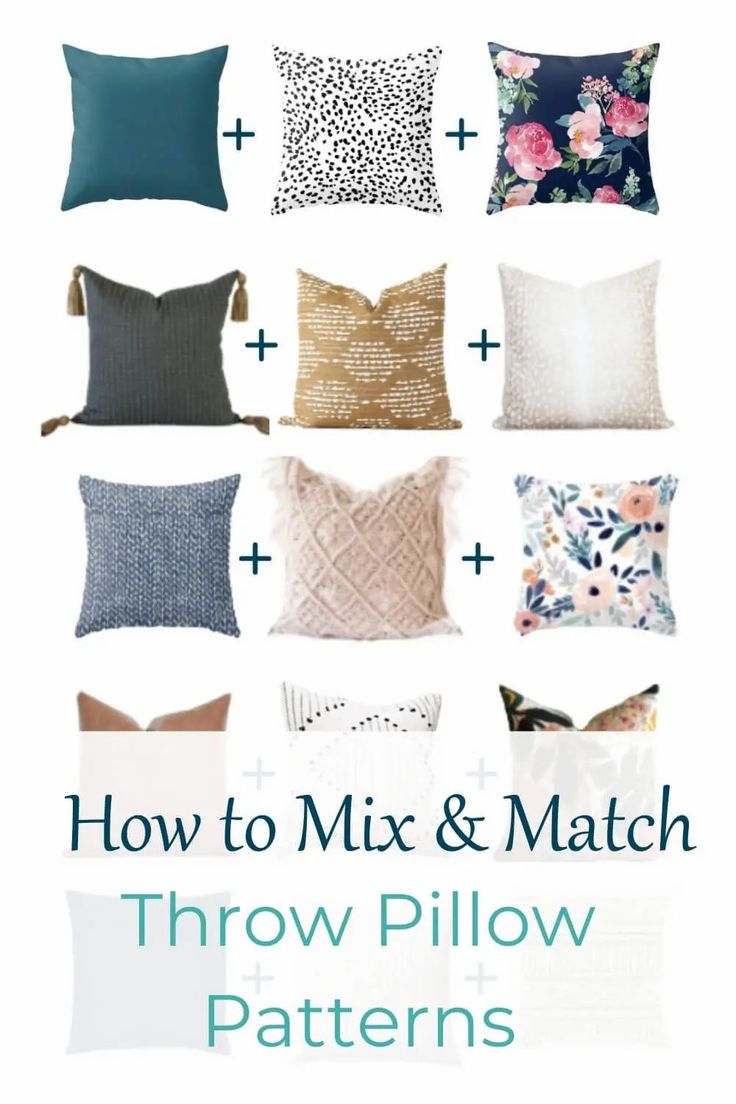
Mix throw pillow patterns by choosing a shared color palette, combining large and small prints, and balancing busy designs with solids and different textures.
From family rooms in Texas to cozy apartments in New York and beach homes in Florida, throw pillows are a simple way to make a living room feel more welcoming. They can add color to a plain sofa, bring out shades in an area rug, or give an older room a fresh look. However, choosing several patterned pillows can feel tricky when you want them to look good together.
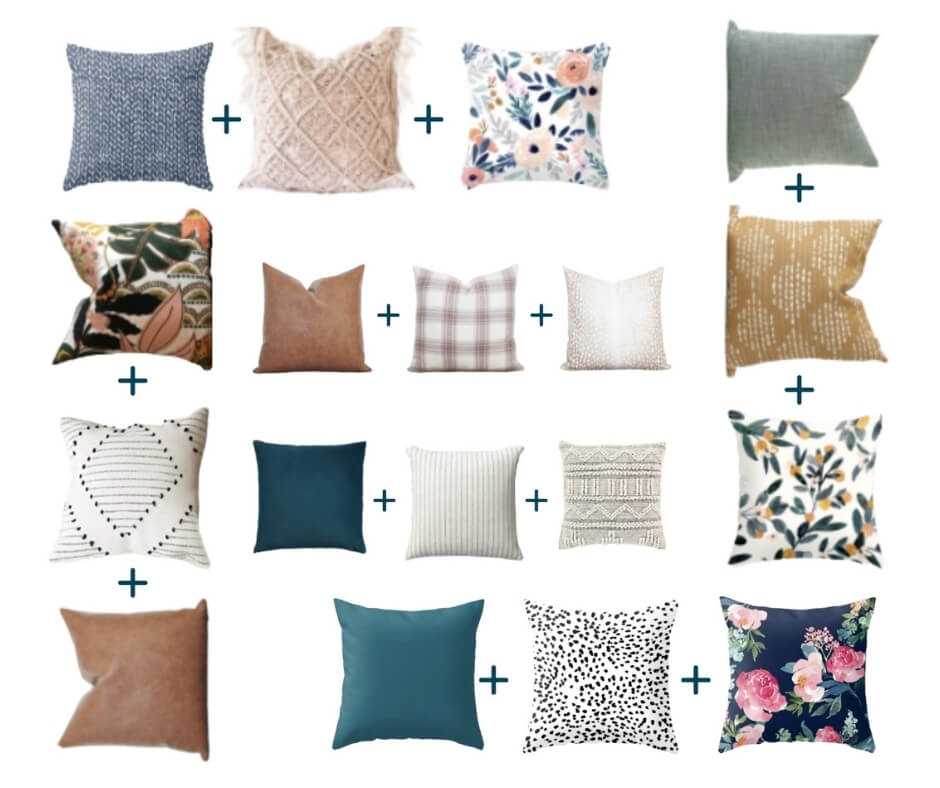
The easiest way to mix patterns is to give each pillow a different role. Start with one main print, add a smaller or simpler design, and finish with a solid or textured pillow. Keep a few colors in common so the group feels connected. You do not need every pillow to match, and you do not need to buy an entire matching set.
A good pillow mix has contrast without visual clutter. Think of it like putting together an outfit. Different prints can work well together when they share a color or style. With a few simple steps, you can create a relaxed, balanced look that suits your sofa, room size, and personal taste.
The easiest way to mix different pillow patterns is to choose your colors first. A shared color palette helps several prints look like part of the same group. Without this connection, even attractive pillows can look random when placed together.
Look around your living room before buying anything. Check the sofa, area rug, curtains, wall art, blankets, and nearby furniture. Pick two or three colors from these items, then add a neutral shade such as cream, beige, gray, or white if the group needs balance.
For example, a living room with a gray sofa, blue rug, and warm wood furniture could use navy, light blue, cream, and a little tan. One pillow might have a blue floral print, another might feature navy stripes, and a third could be plain cream.
You do not have to match every shade exactly. Different tones of the same color can look good together. Light blue, navy, and dusty blue can create a layered look without making the sofa feel too busy.
Source: greenwithdecor.com
Use colors from the room
Pull shades from artwork, rugs, curtains, or furniture. This makes the pillows feel connected to the rest of the space.
Keep the palette controlled
Start with two or three main colors. Add a neutral if you need more balance.
Repeat important shades
Let an accent color appear on more than one pillow or in another part of the room. Repetition helps the design feel intentional.
Try different tones
Mix light and dark versions of a color to add depth without introducing too many unrelated shades.
How to Choose a Color Palette From a Patterned Pillow
If you already own a patterned pillow you love, use it as your starting point. Look closely at its main color, smaller accent shades, and background color. Choose one or two of those shades for the other pillows.
For instance, a floral pillow might contain sage green leaves, cream flowers, and small rust-colored details. You could pair it with a sage striped pillow and a plain rust or cream pillow. The colors connect the designs even though the patterns are different.
Main color
Use the strongest shade in the first patterned pillow as the main color in your arrangement.
Accent color
Choose a smaller color from the print to add interest to another pillow.
Background color
Use a light or neutral background shade to keep the arrangement from looking too crowded.
2. Mix Large, Medium, and Small Patterns
Pattern scale is one of the most useful things to consider when combining throw pillows. Scale refers to the size of the shapes or designs printed on the fabric. A large floral, a medium stripe, and a tiny geometric print create different visual effects.
When every pillow has a pattern of similar size, the designs can compete for attention. Your eyes may not know where to look first. Different scales help each pillow stand out while keeping the group balanced.
A large-scale pattern works well as the main feature. A medium-scale print can support it, while a small-scale design adds detail without taking over. You can also use a solid pillow as a quiet break between stronger prints.
There is no need to measure every flower or stripe. The goal is to make the difference easy to see when you look at the pillows from a normal seating distance.
Source: housebyhoff.com
Large-scale patterns
These include oversized flowers, broad stripes, large leaves, and bold abstract shapes. They usually attract attention first.
Medium-scale patterns
These include moderate checks, medium florals, and repeating geometric shapes. They help connect a bold print with a smaller one.
Small-scale patterns
These include tiny dots, narrow stripes, small checks, and delicate prints. They add detail without taking over the arrangement.
A Simple Large, Medium, and Small Pattern Example
Imagine styling a beige sofa with three patterned pillows. Start with a large blue botanical print. Add a medium navy stripe, then finish with a small cream-and-blue geometric design.
Each pillow has a different pattern size, but the blue and cream shades connect them. You can add a plain beige or navy pillow if the arrangement needs a calmer area.
This method also works with warm colors. Try a large rust floral, a medium tan plaid, and a small cream pin-dot pattern. The different scales help the designs feel more balanced.
Avoid similar visual weight
Three large, bold prints can make a small sofa look crowded. Use a quieter design to give the main print space.
Check the patterns from a distance
Stand several feet away. A tiny print may look almost solid from across the room, which can help balance a bold design.
Can You Mix Two Large Patterns?
Yes, two large patterns can work together if they have different shapes, colors, or visual weight. For example, a large floral and a broad stripe can create an interesting mix when both share a color.
However, two large florals with similar colors and similar-sized flowers may compete. If you love both, add a plain or small-scale pillow between them to create a visual break.
Choose different motifs
Pair a large botanical print with a broad geometric design instead of two nearly identical florals.
Use a quiet third pillow
A solid or subtle woven fabric can help the two bold patterns work together.
3. Combine Different Types of Patterns
Mixing different pattern types gives your sofa more character. You can combine florals, stripes, checks, plaids, dots, and geometric designs as long as the colors and scales work together.
The easiest approach is to combine an organic pattern with a structured one. Organic patterns have flowing shapes inspired by nature, such as flowers, leaves, branches, and waves. Structured patterns use clear lines, grids, or repeating shapes.
For example, a soft floral pillow can look good beside a straight striped pillow. The floral adds movement, while the stripe gives the arrangement a more orderly feel. A small check or dot pattern can complete the group.
You can also mix patterns from the same family. A large plaid and a small check may work together if they differ enough in scale and share a color. The important thing is to avoid making every pillow look almost the same.
Source: Just a Girl and Her Blog
Florals and stripes
A floral print brings soft shapes, while stripes add clear lines. Choose one color that appears in both designs.
Geometric and organic prints
Pair a repeating diamond or grid pattern with leaves, flowers, or curved shapes for contrast.
Plaid and small checks
Use different pattern sizes so the two designs do not blend into one busy surface.
Dots and stripes
Small dots can soften the strong lines of a striped pillow, especially when the colors are related.
Abstract and traditional prints
A modern abstract design can add a fresh touch beside a classic floral or paisley pillow.
Easy Pattern Combinations to Try
If you are unsure which designs to choose, begin with a simple pairing. These combinations are useful starting points for neutral sofas, colorful couches, and different decorating styles.
A white or beige sofa gives you room to experiment with stronger patterns. A colorful sofa may need more careful choices, so use smaller accent prints and calm background shades.
Modern look
Combine a black-and-white geometric print, a narrow stripe, and a solid gray pillow.
Farmhouse look
Try a small check, a simple ticking stripe, and a plain cream pillow.
Traditional look
Pair a floral print with a small damask design and a solid velvet pillow.
Coastal look
Use blue botanical patterns, white stripes, and a textured sand-colored pillow.
Bohemian look
Mix an oversized botanical print, a small tribal-inspired geometric, and a solid earthy shade.
4. Use Solid and Textured Pillows to Balance Busy Prints
Solid and textured pillows give the eye a place to rest. They are especially useful when you want to use several patterned designs without making the sofa feel crowded.
A solid pillow does not have to look plain. Fabric texture can add interest even when the color is simple. Linen, velvet, cotton, boucle, and woven fabrics each have a different surface and feel.
For example, you could pair a large floral pillow with a striped pillow and a plain velvet pillow. The velvet adds depth without introducing another print. A woven cream pillow could serve the same purpose in a lighter room.
Texture also helps create contrast between pillows that share similar colors. A smooth cotton pillow beside a chunky woven one can make the group feel more layered.
Source: baciamistupido.com
Linen
Linen has a relaxed woven surface that works well in casual, coastal, and farmhouse rooms.
Velvet
Velvet adds a soft, rich surface and can bring depth to a group of printed pillows.
Boucle
Boucle has a looped texture that adds visual interest without another printed design.
Knitted fabric
A knitted pillow can add warmth and a relaxed feel, especially in a cozy living room.
Woven cotton
A woven solid pillow can provide subtle texture while keeping the color palette simple.
How Many Solid Pillows Should You Use?
There is no fixed number of solid pillows you must use. For a simple arrangement with three pillows, one solid pillow is a useful starting point. With five pillows, you might use two solids or textured designs and three patterns.
The right balance depends on the strength of your prints. If the patterns are bold and colorful, use more quiet surfaces. If the prints are small and subtle, you can use fewer solids.
Look at the entire sofa rather than counting pillows alone. A patterned rug, bold curtains, or printed upholstery may already add plenty of visual detail to the room.
For a calm look
Use one main pattern, one smaller pattern, and one solid textured pillow.
For a layered look
Try two or three patterns with one or two solid pillows.
For a bold look
Use several patterns, but vary their scale and keep the colors connected.
5. Choose the Right Pillow Sizes and Shapes
Different pillow sizes help a patterned arrangement look more natural. If every pillow is the same size and shape, the group can look flat, even when the prints are different.
Start with the largest pillows at the back or near the sofa arms. Place smaller pillows in front. This creates layers and lets you see more of each design.
Common square throw pillow sizes include 18 by 18 inches and 20 by 20 inches. Larger sofas may also work with 22-inch or 24-inch pillows, depending on the seat depth and back height. These are common options, not fixed requirements.
Rectangular lumbar pillows are another useful choice. Their longer shape can break up a row of square pillows and give a patterned arrangement a different outline.
Source: pinterest.com
Large square pillows
These work well as the back layer and can carry the main pattern in your arrangement.
Medium square pillows
Use these to introduce a second pattern or a different fabric texture.
Small square pillows
These can hold a small-scale print or a quiet accent color.
Lumbar pillows
A rectangular pillow adds shape variety and can serve as a front accent.
Round pillows
A round pillow can soften an arrangement made mostly of square and rectangular shapes.
A Practical Pillow Size Combination for a Sofa
For a medium or large sofa, you could begin with two 20-inch square pillows, one or two 18-inch squares, and one 12-by-20-inch lumbar pillow. Choose the actual sizes based on the sofa’s proportions and how much seating space you want to keep.
Place the larger pillows near the arms, then add the smaller designs in front. Keep the lumbar pillow near the center or slightly off-center. This gives each pattern a clear place without hiding the whole sofa.
For a small apartment sofa, use fewer pillows. Two medium squares and one small lumbar may be enough. A simple arrangement is often more comfortable when you need room to sit or stretch out.
Check the seat depth
Large pillows can take up useful seating space on a shallow sofa.
Leave some sofa visible
Do not cover the entire back or seat with pillows. Empty space helps the arrangement feel relaxed.
Match the pillow scale to the furniture
A large sectional can handle larger pillows, while a compact loveseat often looks better with smaller ones.
6. Consider Your Sofa, Rug, and Other Room Patterns
Your throw pillows should work with the whole room, not just with each other. A patterned sofa, rug, or curtain already adds visual detail. If you ignore these larger surfaces, your pillow arrangement may become too busy.
A plain sofa gives you more freedom to experiment. You can add a bold floral, geometric print, or colorful stripe without having to work around another strong upholstery pattern.
If your sofa has a noticeable pattern, use more solids and subtle textures. One small accent print may be enough. This lets the sofa remain the main feature instead of making every surface compete for attention.
The same idea applies to your area rug. A rug with large flowers, strong lines, or several colors can guide your pillow choices. Pick one or two colors from the rug and use simpler pillow patterns that support it.
Curtains, blankets, and wall art also matter. You do not need to match everything, but the overall color and pattern mix should feel balanced when viewed from the main seating area.
Source: pinterest.com
Plain sofa
Use a wider mix of prints, colors, and textures because the upholstery provides a quiet background.
Patterned sofa
Choose mostly solid pillows and add one small or simple print if the arrangement needs interest.
Bold area rug
Pull one or two colors from the rug and keep the pillow patterns less complex.
Plain area rug
Use pillows to bring in stronger patterns and accent colors.
Busy curtains
Keep nearby pillows simpler so the window treatment and sofa do not compete.
How to Mix Patterns in a Small Living Room
A small living room can still have patterned pillows. The key is to control the number of strong designs and leave enough open space around the furniture.
Choose a limited color palette and use a few pillows rather than filling every seat. Small-scale prints, simple stripes, and textured solids can add detail without making the sofa look crowded.
If the room already has patterned curtains or a detailed rug, let those items lead the design. Choose pillows that repeat their colors instead of adding several new motifs.
Use fewer pillows
Keep enough open seating space for everyday comfort.
Choose related colors
A limited palette can help a small room feel more connected.
Avoid too many bold prints
Use one statement pattern and let quieter fabrics support it.
What If Your Sofa Is Already a Bold Color?
A colorful sofa can become the starting point for your pillow palette. For a green sofa, try cream, warm beige, or a muted blue pattern. For a navy sofa, consider white, tan, rust, or light blue.
You can also use a related color in a different shade. The goal is to create enough contrast for the pillows to show while keeping the sofa and cushions connected.
Create contrast
Choose a lighter or darker pillow color so it does not disappear against the sofa.
Repeat the sofa color carefully
A small amount of the sofa color in a pattern can connect the pillows to the upholstery.
7. Follow a Step-by-Step Method to Build Your Pillow Mix
You do not need to buy several pillows at once to create a good arrangement. Start with what you already own, identify the strongest print, and add pieces only when they improve the overall look.
A planned approach can also help you avoid buying pillows that look attractive on their own but do not work with your furniture. Before shopping, take a photo of your sofa and note the main colors in the room.
If possible, collect fabric samples or compare pillow covers in the room itself. Store lighting and screen colors can change how fabrics appear, so checking them in your own space is useful.
Source: stampinfool.com
Step 1: Check the room
Look at the sofa, rug, curtains, and other large surfaces. Decide which item should guide your color choices.
Step 2: Choose a main pattern
Pick one print that you want people to notice first. It might be a floral, botanical, plaid, or abstract design.
Step 3: Find a supporting pattern
Choose a different motif with a smaller or clearly different scale. Repeat at least one color from the main print.
Step 4: Add a solid or texture
Use a plain or textured pillow to create a visual break between the stronger designs.
Step 5: Vary the sizes
Combine larger squares with smaller squares or a lumbar pillow. Make sure the sizes suit your sofa.
Step 6: Arrange the pillows
Place the largest pillows at the back and smaller ones toward the front. Try both balanced and relaxed arrangements.
Step 7: Step back and edit
Look at the sofa from across the room. Remove a pillow if the arrangement feels crowded or if one design competes too much with the others.
A Ready-to-Use Five-Pillow Combination
If you want a simple example, try this combination on a neutral sofa. It uses three patterns and two quiet fabrics, with a shared palette to connect everything.
For a blue and cream living room, begin with two large blue botanical pillows. Add one medium cream-and-navy striped pillow, one small blue geometric pillow, and one solid cream textured pillow.
Place the two large botanical pillows at the back. Set the striped and geometric pillows in front, then use the textured cream pillow as a soft accent. You can adjust the arrangement to suit the sofa and the number of seats.
This combination gives you different patterns, colors, and surfaces without making every pillow compete for attention.
Two large botanical pillows
These create the main pattern and establish the blue color.
One medium striped pillow
The straight lines balance the movement of the botanical design.
One small geometric pillow
The smaller print adds another layer of detail.
One solid cream pillow
The textured surface gives the eyes a quiet place to rest.
8. Common Mistakes to Avoid When Mixing Throw Pillow Patterns
Even attractive pillows can look out of place when the arrangement lacks balance. Most problems come from using too many competing designs, choosing unrelated colors, or ignoring the size of the furniture.
You do not need to follow strict decorating rules. However, a few common mistakes are worth watching for when you put your pillows together.
Source: pinterest.com
Using too many unrelated colors
A large number of unrelated shades can make the arrangement feel random. Choose a small palette and repeat its colors.
Choosing patterns with the same scale
Several medium-sized prints may compete. Add a larger, smaller, or solid design to create contrast.
Using only bold patterns
Strong prints need quieter designs around them. Include a solid or subtle texture when the group looks too busy.
Ignoring the sofa color
Some pillow colors may blend into the upholstery. Use enough contrast to help the patterns stand out.
Buying every pillow in the same size
Identical shapes can make the arrangement look flat. Add a different size or lumbar shape when the sofa has room.
Adding too many pillows
A sofa should remain comfortable and useful. Remove pillows that block seating or make the furniture hard to use.
Forgetting the rest of the room
A bold rug or curtain can change how the pillow mix looks. Consider all major patterns in the same view.
How to Fix a Throw Pillow Arrangement That Looks Too Busy
If your sofa looks crowded, do not rush to replace every pillow. Start by removing one or two of the strongest patterns and see how the arrangement changes. This simple step can reveal which designs are causing the problem.
Next, check the colors. If one pillow introduces a shade that appears nowhere else in the room, try replacing it with a color already found in the rug, artwork, or curtains.
If the prints still feel too strong, add a solid or textured pillow. A cream linen pillow, plain velvet cushion, or woven neutral design can help calm the arrangement.
Finally, move the pillows around. A bold print may work better at one end of the sofa, while a quieter design may look better near the center. Sometimes the problem is the placement rather than the pillows themselves.
Remove one busy design
Take away the strongest competing print and check whether the group feels more balanced.
Repeat an existing color
Replace an unrelated accent with a shade already present in the room.
Add a quiet surface
Use a solid or subtle texture to create a visual break.
Change the placement
Move the strongest pattern toward the edge or place a quieter pillow between two bold designs.
9. Adjust Your Pillow Patterns for Different Decorating Styles
The best pattern mix depends on the look you want in your home. A formal living room may need a more balanced arrangement, while a relaxed family room can handle playful colors and varied designs.
You can use the same basic ideas of color, scale, and texture in almost any decorating style. The main difference is how bold the patterns are and how many designs you use.
Source: decordisk.com
Modern and minimalist
Use simple stripes, clean geometric prints, and a few solid pillows. Keep the colors limited and the shapes clear.
Traditional
Combine floral, damask, plaid, or paisley prints with classic solid fabrics. Choose related colors for a polished look.
Farmhouse
Try small checks, ticking stripes, simple botanical prints, and natural-looking textures in cream, gray, and muted earth tones.
Coastal
Use soft blues, whites, sandy neutrals, and simple stripes or botanical patterns.
Bohemian
Mix bold florals, geometric designs, earthy colors, and textured fabrics. Keep at least one color or tone in common.
Eclectic
Combine different print styles and colors with more freedom. Repeat a few shades or shapes to keep the collection connected.
How to Change Your Pillow Mix by Season
You can refresh your sofa through the year without replacing every pillow. Keep a few neutral covers as your base and change the accent patterns when the seasons shift.
For spring and summer, try lighter colors, botanical prints, soft stripes, and breathable-looking fabrics such as cotton and linen. For fall and winter, consider deeper shades, plaids, warmer colors, and richer textures.
This approach also makes storage easier. Keep seasonal covers clean and dry in a suitable storage bag, then switch them when you want a new look.
Spring
Use fresh greens, pale blue, soft florals, and light geometric designs.
Summer
Try coastal stripes, bright accents, and simple botanical prints.
Fall
Choose rust, olive, mustard, tan, and warm plaid patterns.
Winter
Add deep blue, burgundy, cream, velvet, and cozy woven textures.
Frequently Asked Questions
Q
How many different patterns should you mix on throw pillows?
Three different patterns are a useful starting point for most sofas. You can combine a large floral, a medium stripe, and a small geometric design. Add a solid or textured pillow if you want a calmer look.
You can use more than three patterns in a bold or eclectic room, but make sure the designs vary in scale and share some colors. The sofa, rug, curtains, and other large patterns also affect the overall balance.
Q
Can you mix floral and geometric throw pillows?
Yes. Florals and geometric designs often work well together because they have different visual qualities. A floral print has flowing shapes, while a geometric print usually has clear lines or repeating forms.
Choose a color that appears in both pillows and use different pattern sizes. For example, a large blue floral can pair with a small navy diamond print and a plain cream pillow.
Q
Do all throw pillows need to match?
No. Throw pillows do not need to match exactly. In fact, using different prints, textures, and shapes can make a sofa feel more personal and interesting.
Instead of matching every pillow, look for a shared color, similar undertones, or a common decorating style. These connections help different designs feel like part of one arrangement.
Q
Can you mix different colors and patterns on a neutral sofa?
Yes. A neutral sofa is a useful background for patterned pillows because it does not add another strong print. You can use blue stripes, green florals, rust geometric designs, or other colors that suit the room.
Start with two or three main colors and repeat them across the pillows. If you want a colorful look, add stronger accents gradually rather than choosing many unrelated shades at once.
Q
Should patterned throw pillows be the same size?
No. Different pillow sizes can make an arrangement look more layered. Large square pillows work well at the back, while smaller squares and rectangular lumbar pillows can sit in front.
Choose sizes that fit your sofa. A large sectional can handle bigger pillows, while a small loveseat may need fewer and smaller cushions.
Q
Can you mix two different floral patterns?
Yes, but choose florals that look different in scale or style. A large floral print can work beside a tiny botanical print because the designs do not compete in the same way.
Try to keep one color in common and add a stripe, solid, or geometric pillow if the two floral designs still feel too similar.
Q
How do you mix patterned pillows on a patterned sofa?
Use fewer patterns when your sofa already has a strong print. Choose mostly solid or textured pillows, then add one simple accent pattern if the sofa has room for it.
Pull a color from the sofa fabric to connect the pillows to the upholstery. Avoid adding several bold prints with similar scales because the combined patterns may feel crowded.
Q
Can you mix different fabric textures with patterned pillows?
Yes. Different textures can make a pillow arrangement feel richer without adding more printed designs. Linen, velvet, cotton, boucle, and knitted fabrics can all work together when their colors suit the room.
For example, pair a printed cotton pillow with a solid velvet cushion and a woven linen pillow. This gives you a mix of patterns and surfaces without making the sofa look too busy.
✦ Wrapping Up
Conclusion
Learning how to mix patterns on throw pillows is easier when you focus on a few basic ideas. Start with a shared color palette, choose patterns with different scales, and combine different designs such as florals, stripes, checks, and geometric prints. Add solid or textured pillows to give the stronger patterns room to stand out.
Remember to consider the sofa, rug, curtains, and overall size of the room. A large sofa can handle more pillows and stronger designs, while a small space may look better with a simple arrangement. Different pillow shapes and sizes can also add depth without making the seating area feel crowded.
Most of all, treat decorating guidelines as a starting point rather than strict rules. Your pillows should suit your home and make the room feel comfortable. Try a few combinations, step back, and remove anything that does not feel right.
💡 Key Takeaway
Start with one patterned pillow you love. Pull two or three colors from its design, add a second pattern with a different scale, and finish with a solid textured pillow. Arrange them on your sofa, step back, and adjust until the colors, patterns, and sizes feel balanced.