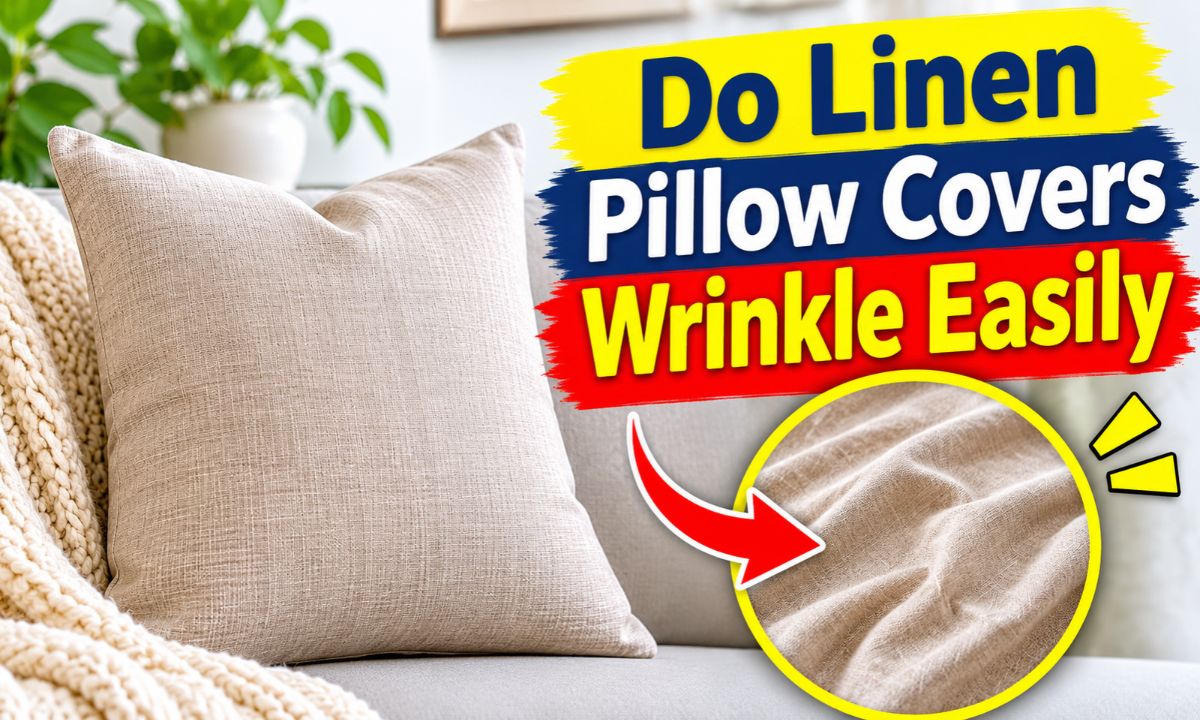
Yes, linen pillow covers wrinkle easily because linen fibers have low elasticity and do not quickly return to their original shape after bending or pressure.
If you decorate your home with throw pillows, you may have noticed that linen covers look a little different from smooth cotton or polyester ones. In American homes, linen pillows are popular in living rooms, bedrooms, guest rooms, and cozy reading spaces. They add a soft, natural look that works well with farmhouse, coastal, modern, and traditional decor. However, their relaxed beauty comes with one small drawback: wrinkles.
Linen is made from fibers taken from the flax plant. These fibers are strong and absorb moisture, but they do not stretch and spring back as easily as many synthetic fibers. As a result, linen pillow covers can develop creases during washing, drying, storage, and everyday use. Sitting against a pillow or placing another cushion on top can also leave visible folds.
The good news is that wrinkles do not mean your pillow covers are damaged or poorly made. They are a normal feature of linen fabric. With gentle washing, careful drying, and a little daily attention, you can reduce deep creases without losing the natural texture that makes linen attractive.
The best approach depends on the look you want. If you enjoy a casual, lived-in room, soft wrinkles may be part of the charm. If you prefer neat, smooth cushions, a few simple care steps can help your covers look more polished.
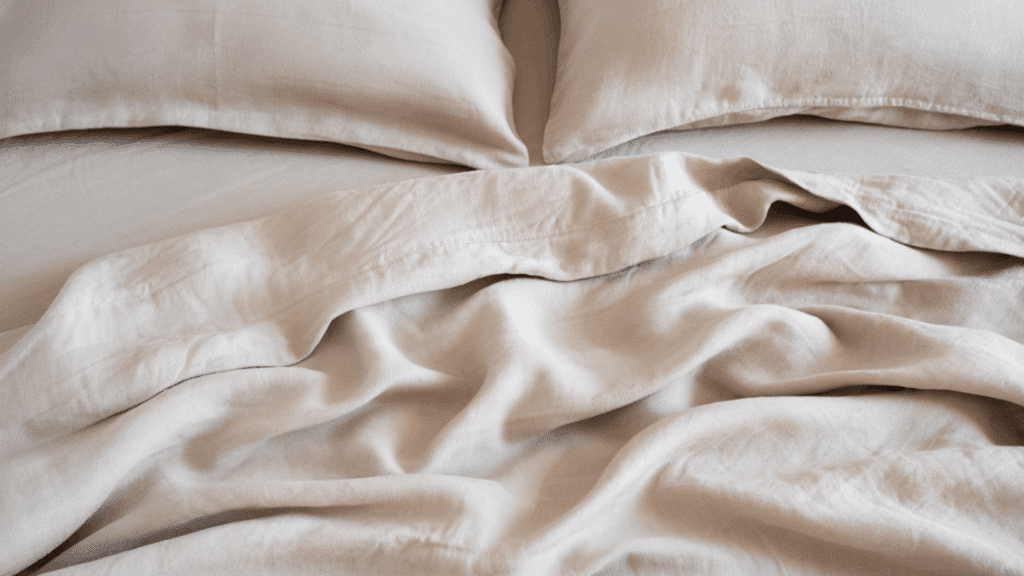
Linen wrinkles easily because its natural fibers have limited elasticity. Elasticity is a fabric’s ability to return to its original shape after being bent, stretched, or pressed. Linen does not bounce back as readily as many other materials, so folds can remain visible after the fabric has been moved.
The fabric comes from flax plants. Its fibers are strong and useful for home textiles, but strength does not mean wrinkle resistance. A linen pillow cover can last through regular use while still showing creases on its surface.
The way linen is woven also affects its appearance. Some covers have a loose, airy weave, while others use a tighter construction. Both can wrinkle, but their texture and weight may change how noticeable those wrinkles look.
Source: i.pinimg.com
Low fiber elasticity
Linen fibers do not recover their shape quickly after pressure. This makes folds and creases more likely to remain on the cover.
Natural fiber structure
Flax fibers create a distinct surface texture. Their natural structure gives linen its recognizable look but does not provide the smooth recovery found in some synthetic fabrics.
Everyday pressure
Sitting against cushions, leaning on them, and stacking pillows can create folds that remain after the pressure is removed.
Moisture and drying
Water changes how linen behaves during washing and drying. If the fabric dries while folded or bunched, those folds may become more noticeable.
Does Pure Linen Wrinkle More Than Linen Blends?
Pure linen often shows more visible natural creasing than linen blended with polyester. Polyester has better wrinkle recovery, so adding it to a fabric can help the finished cover hold a smoother appearance. The exact result depends on the blend ratio and construction.
For example, a cover made from 100% linen may develop soft folds after being used on a sofa. A linen-polyester blend may recover more easily after the same pressure. However, this does not mean every blend will remain wrinkle-free.
Cotton-linen blends also have their own behavior. Cotton can wrinkle, too, so adding cotton does not guarantee a smooth surface. The weave, fabric weight, finishing process, and care routine all matter.
100% linen
Usually has a natural, textured appearance and visible creases. It suits people who enjoy a relaxed and organic look.
Cotton-linen blend
Can feel soft and natural, but it may still develop wrinkles because cotton also creases.
Linen-polyester blend
May offer better wrinkle recovery and easier care, depending on the amount of polyester and the fabric finish.
Does Linen Become Less Wrinkled Over Time?
Linen often becomes softer and more supple with regular use and proper washing. As the fabric relaxes, its surface may look less stiff than it did when new. This can make small creases appear softer and blend more naturally into the weave.
However, softer linen is not the same as wrinkle-free linen. The fibers still have limited elasticity, so the cover can develop new folds when it is compressed or stored incorrectly.
A new linen pillow cover may look crisp and slightly stiff at first. After several suitable wash cycles, it may develop a softer drape and a more relaxed appearance. This change is normal and does not mean that the fabric has lost its useful strength.
What Makes Linen Pillow Covers Wrinkle During Everyday Use?
Linen pillow covers can wrinkle even when you take good care of them. Everyday handling, washing, drying, and storage all affect how smooth the fabric looks. Knowing the common causes makes it easier to prevent deep folds.
Decorative pillows often sit in places where people lean, rest their arms, or move cushions around. Unlike a wall hanging, a pillow cover is handled often. Each movement can change the position of the fabric and create small creases.
Source: i.ytimg.com
Sitting and leaning
Pressure from your back, arms, or head can push the fabric against the pillow insert. When you move away, the cover may retain some of those folds.
A very tight insert can pull the cover unevenly and create wrinkles around the corners or seams. A poor fit can also make the fabric look stretched.
Undersized pillow inserts
A loose cover may bunch up because the insert does not fill the available space. This can cause deep folds around the center and edges.
Improper storage
Leaving linen covers folded under heavy bedding or other household items can create sharp creases that remain after the covers are removed.
Rough washing
Overloading the washing machine or using an aggressive cycle can twist and bunch linen, leaving it heavily creased.
Can the Pillow Insert Affect Wrinkles?
Yes. The size and shape of the pillow insert can affect how smoothly a linen cover sits. Even a well-made cover may look wrinkled if the insert is too small, too large, or unevenly filled.
A loose insert leaves extra fabric that can gather in the middle. An insert that is too large may stretch the seams and pull the fabric tight around the corners. Both situations can make the pillow look untidy.
Choose an insert that fits the cover as intended. Check the cover manufacturer’s sizing advice rather than assuming that every pillow insert of the same stated size will have the same fullness.
Check the corners
Make sure the insert reaches all four corners without creating excessive tension.
Check the center
The cover should not have a large empty area that allows the fabric to fold inward.
Check the seams
Look for pulling or stretched seams. These may indicate that the insert is too large.
Does Humidity Make Linen Pillow Covers Wrinkle?
Humidity can affect linen because the fibers absorb moisture from the surrounding air. Changes in moisture can alter how the fabric feels and hangs, although humidity alone does not explain every wrinkle.
In homes with humid summers, linen covers may feel less crisp than they do in a dry, air-conditioned room. Damp covers can also take longer to dry, especially when they are placed in a room with limited airflow.
Keep decorative pillows in a well-ventilated area. If a cover becomes damp, allow it to dry fully before placing it back on the insert. This helps prevent unwanted moisture from remaining inside the pillow.
How to Prevent Linen Pillow Covers From Wrinkling
You can reduce wrinkles in linen pillow covers by handling them gently and avoiding conditions that create deep folds. The goal is not to remove every natural crease. Instead, aim for a neat surface that still shows the texture of real linen.
A good care routine starts before washing. Check the care label, look for any special trim or lining, and make sure the cover is suitable for machine washing. Some decorative covers need spot cleaning or professional care rather than a normal laundry cycle.
Source: i.ytimg.com
Read the care label
Check the recommended water temperature, washing method, drying instructions, and ironing limits before cleaning the cover.
Wash similar fabrics together
Avoid washing linen covers with clothing that has rough zippers, hooks, or other parts that may catch the fabric.
Avoid overloading the washer
Give the covers enough room to move freely. A crowded machine can twist fabric and increase creasing.
Remove covers promptly
Do not leave washed linen sitting in a damp pile. Take it out promptly and smooth it before drying.
Step 1: Wash Linen Pillow Covers Gently
A gentle wash can help reduce the deep creases that develop during laundry. Start by removing the pillow inserts and turning the covers inside out. Close zippers or fasteners if the care label allows.
Use a gentle or delicate machine cycle when machine washing is permitted. Cold or lukewarm water is a useful starting point, but the manufacturer’s instructions should decide the correct temperature.
Choose a mild liquid detergent suitable for the fabric. Avoid chlorine bleach unless the care label specifically allows it, and do not add harsh cleaning products without checking their compatibility with linen.
Do not overload the washer. If you are cleaning several covers, give them enough space to move without becoming tightly packed together.
Use a gentle cycle
Lower agitation can reduce twisting and unnecessary stress on the fabric.
Choose a mild detergent
A simple detergent helps clean the fabric without the need for aggressive washing products.
Keep similar colors together
Separate light and dark covers to reduce the risk of dye transfer.
Step 2: Smooth the Covers Before Drying
The time immediately after washing is one of the best opportunities to reduce wrinkles. Take each cover out of the washer, hold it by the corners, and give it a gentle shake to loosen folds.
Lay the cover on a clean, flat surface if the care instructions recommend flat drying. Smooth the fabric with your hands, paying attention to the zipper area, seams, and corners.
If the cover is suitable for hanging, use a line or drying rack that supports its weight evenly. Avoid hanging it in a way that pulls the fabric into a long, narrow shape.
Shake gently
A light shake helps release folds caused by the spin cycle.
Straighten the seams
Smooth the edges and corners before the fabric dries in a folded position.
Allow airflow
Leave enough space around the cover so moisture can escape.
Step 3: Air-Dry the Covers Properly
Air-drying is a useful way to reduce unnecessary heat exposure. It also gives you a chance to reshape the cover before the fibers become fully dry.
Place the cover on a drying rack or hang it according to its care instructions. Keep it away from excessive direct sunlight if the fabric is dyed, since prolonged sun exposure can fade some colors.
Do not put a damp cover into a drawer or storage box. Wait until it is completely dry before fitting it over an insert or storing it. This is especially important in humid homes where moisture can take longer to leave thick fabric.
Choose a ventilated area
Good airflow helps the fabric dry evenly.
Reshape while damp
Use your hands to smooth the surface and straighten the edges before drying is complete.
Avoid unnecessary heat
High heat may cause shrinkage or damage, depending on the fabric and its finish.
Step 4: Store Covers Without Sharp Folds
Storage can undo the work you put into washing and drying. If you fold a linen pillow cover tightly and place heavy items on top, the fabric may develop sharp creases.
For covers that you use often, store them loosely in a clean, dry drawer or shelf. You can also hang suitable covers on a padded hanger if there is enough room and the fabric will not stretch.
Avoid storing linen in damp places or tightly packed plastic bags. A clean, dry, ventilated storage space helps keep the fabric in good condition.
Fold loosely
Avoid pressing hard folds into the fabric when putting covers away.
Avoid heavy pressure
Do not place heavy blankets or other items directly on top of stored linen covers.
Keep covers dry
Store only fully dry fabric to reduce the chance of musty odors and moisture problems.
How to Remove Wrinkles From Linen Pillow Covers
If your linen pillow covers already have wrinkles, you can often smooth them with a little moisture and gentle heat. The best method depends on the care label, the fabric finish, and how deep the creases are.
For light wrinkles, start with the simplest method. A hand-smoothing routine or a small amount of water may be enough. Save ironing for covers that need a more polished finish.
Source: i.etsystatic.com
Light wrinkles
Smooth the fabric with clean hands or lightly mist it with water if the care instructions allow.
Medium wrinkles
Use a garment steamer at a suitable setting and test a hidden area first.
Deep creases
Use an iron with a suitable temperature and steam setting, following the manufacturer’s instructions.
Method 1: Use a Light Water Mist
A light water mist can help soften small wrinkles in linen. Remove the cover from the insert if possible, then place it on a clean, flat surface.
Spray a small amount of clean water over the wrinkled area. Do not soak the fabric. Smooth the surface with your hands and gently straighten the seams.
Let the cover dry completely before putting it back on the pillow. Check the result after drying because some small folds may return as the fabric settles.
Use a fine spray
A light mist is easier to control than pouring or applying large amounts of water.
Test colored fabric
Check a hidden area first if you are unsure whether moisture may leave marks.
Do not oversaturate
Too much water can make drying slow and may create water marks on certain finishes.
Method 2: Remove Creases With a Garment Steamer
A garment steamer can help loosen wrinkles without pressing the fabric against a hot surface. It is useful for decorative covers that need a quick refresh, provided the care label permits steaming.
Remove the cover from its insert before steaming. Hang it securely or lay it on a suitable surface, then move the steamer slowly over the fabric. Keep the steam head at the distance recommended by the appliance maker.
Do not hold the steamer in one place for too long. Allow the fabric to dry before putting the cover back on the pillow. If the cover has embroidery, glued details, or special coatings, check its care instructions first.
Work in small sections
Move across the fabric slowly so each area receives even treatment.
Protect delicate details
Avoid direct steam on decorations or trims unless the manufacturer says they can tolerate it.
Let the fabric cool and dry
Do not put a warm, damp cover back onto its insert.
Method 3: Iron Linen Pillow Covers Carefully
An iron can give linen a smoother finish when you want a neat, crisp appearance. Linen is generally easier to press while slightly damp than when it is completely dry.
Check the care label for the permitted ironing temperature. Turn the cover inside out if appropriate, and begin with a hidden section to check how the fabric responds.
Use steam if allowed and move the iron steadily. Avoid pressing the same area repeatedly or leaving the iron in one spot. If the cover has a coating, decorative trim, or synthetic lining, use the manufacturer’s specific instructions instead of assuming it can tolerate a hot iron.
Once the cover is smooth, let it cool and dry before putting it on the insert. This helps prevent new folds from forming while the fabric is still warm or damp.
Check the temperature
Use the setting permitted by the care label rather than choosing the hottest setting automatically.
Iron while slightly damp
A little moisture can make creases easier to smooth.
Protect the fabric
Use a pressing cloth if the care instructions recommend one, especially for delicate finishes.
Do Linen Pillow Covers Look Better With Natural Wrinkles?
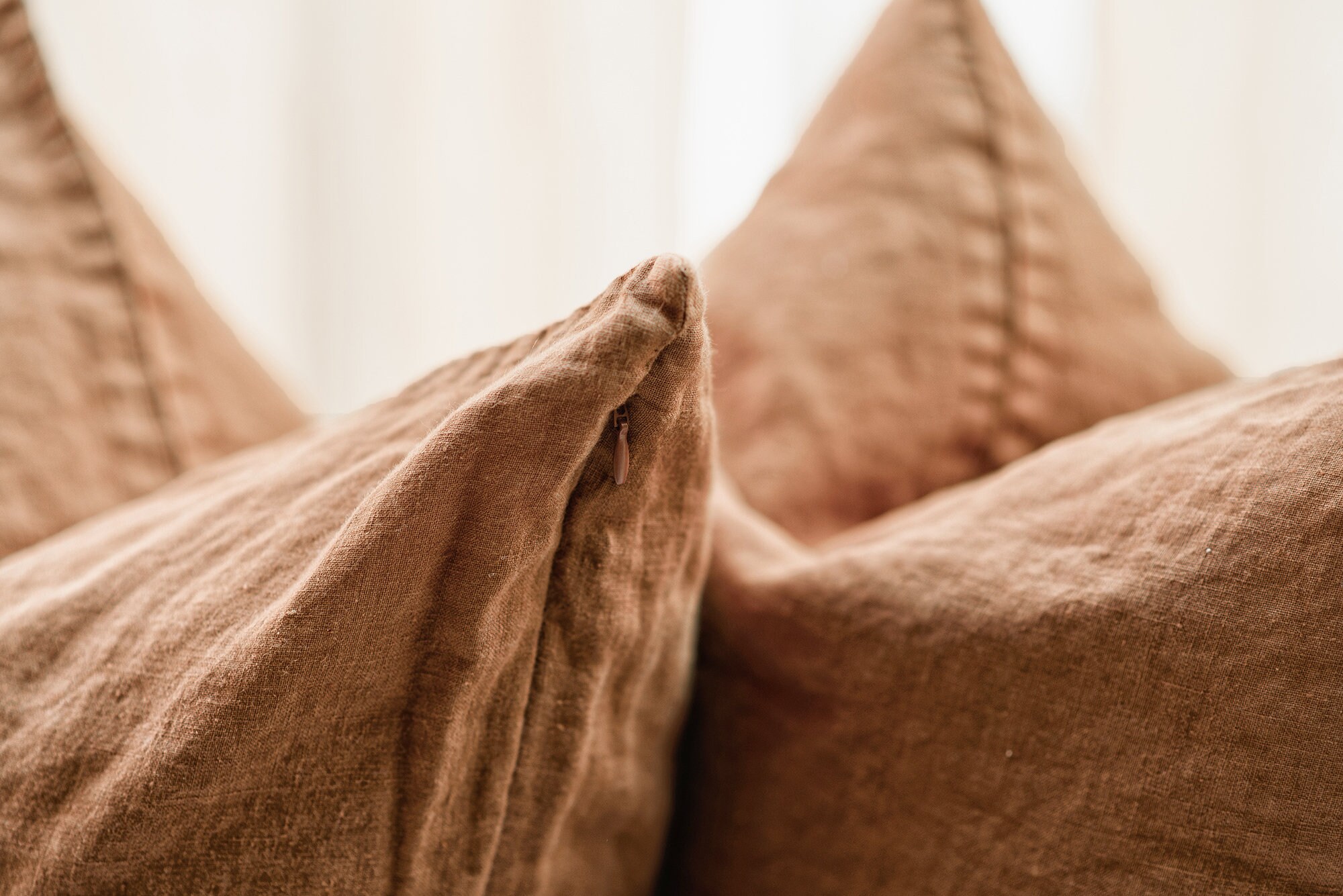
For many home styles, yes. Natural wrinkles are part of the look that makes linen appealing. They give cushions a relaxed surface instead of the perfectly smooth appearance associated with some synthetic fabrics.
Linen works especially well in rooms where texture matters more than a perfectly crisp finish. Its soft folds can add depth to neutral color schemes and make a space feel warm and comfortable.
In American homes, linen throw pillows often appear on sofas, beds, accent chairs, and window seats. They pair well with wood furniture, woven baskets, cotton throws, wool blankets, and other natural materials.
Source: cdn.shopify.com
Coastal decor
Softly wrinkled white, sand, and pale blue linen covers can create a casual look that suits coastal-inspired rooms.
Farmhouse decor
Natural linen textures work well with wood, rustic finishes, and simple neutral furnishings.
Modern minimalist decor
Linen adds texture to a room with simple furniture and a limited color palette.
Traditional decor
A linen cover can soften a formal arrangement when paired with structured cushions and classic patterns.
How to Style Wrinkled Linen Pillow Covers
You do not need to iron every linen pillow to create a tidy room. A better approach is to arrange your cushions so their natural texture looks intentional.
Start by choosing a color palette that works with your sofa or bedding. Cream, beige, soft gray, muted green, and natural flax tones are easy to combine with other fabrics.
Mix different textures rather than using only linen. For example, place a linen cushion beside a smooth cotton cover or a soft velvet pillow. This creates contrast without making the room look too busy.
Plump each pillow before arranging it. Straighten the corners and smooth any deep folds with your hands. The result can look neat while still keeping the relaxed character of linen.
Mix smooth and textured fabrics
Pair linen with cotton, velvet, or knitted covers to create a balanced arrangement.
Use a simple color palette
Neutral shades make natural creases look like part of the design.
Avoid excessive matching
Different textures and a few related colors can make a pillow arrangement feel more natural.
When Should You Choose a Smooth Pillow Cover Instead?
If you prefer a crisp, formal room, heavily textured linen may not be your first choice. You may find that cotton sateen, polyester, or a suitable wrinkle-resistant blend is easier to maintain.
These fabrics can offer a smoother appearance, although each has its own care needs. Cotton can still wrinkle, while polyester may feel less like traditional linen.
Think about how much time you want to spend maintaining decorative pillows. If you want cushions that look smooth with little pressing, compare the care label and fiber content before buying.
Choose cotton for a natural alternative
Cotton can feel soft and familiar, but it may still crease depending on the weave and finish.
Choose polyester for easier wrinkle care
Polyester generally resists wrinkles better than untreated linen, although the feel and appearance are different.
Choose linen blends for a middle ground
A suitable blend may offer some linen texture with improved wrinkle recovery.
Linen vs. Cotton vs. Polyester Pillow Covers
Linen, cotton, and polyester all have different strengths. The best fabric depends on the feel, appearance, and amount of care you want from your decorative pillows.
Linen is known for its natural texture and visible creasing. Cotton offers a familiar soft feel but can wrinkle too. Polyester generally holds a smoother appearance and often needs less pressing.
The following comparison gives you a practical starting point. Actual results vary with fabric construction, fiber blends, finishing treatments, and care instructions.
Source: madebygaia.vn
For natural texture
Linen is a strong option when you enjoy a relaxed surface and do not mind visible creases.
For familiar softness
Cotton offers a comfortable feel and many weave options, although it is not completely wrinkle-resistant.
For easier wrinkle control
Polyester usually resists wrinkles better and may need less ironing.
Which Pillow Cover Fabric Wrinkles the Least?
Polyester generally wrinkles less than untreated pure linen or ordinary cotton. Its synthetic fibers have better recovery from bending and pressure, which helps the cover maintain a smoother appearance.
However, not all polyester covers are equal. A lightweight polyester fabric may bunch or show folds when used on an unsuitable insert. Construction and fit still matter.
Wrinkle-resistant finishes can also change how cotton and linen behave. If low maintenance is your main concern, look for a clear wrinkle-resistant claim and read the product’s care instructions rather than relying on the fabric name alone.
Polyester
Usually offers the strongest wrinkle resistance of these three common options.
Cotton
Can develop wrinkles, but its appearance varies with weave, weight, and finishing.
Linen
Naturally shows creases and is best suited to people who appreciate its relaxed texture.
Is Wrinkled Linen Less Durable?
No. Wrinkles alone do not mean that linen is weak or damaged. Linen is known for its strong natural fibers, and a cover can remain useful even when it has a visibly creased surface.
However, repeated sharp folding and rough handling can cause wear over time. Pay attention to thinning areas, frayed seams, broken threads, and damage around zippers rather than judging the cover only by its wrinkles.
Gentle washing, proper storage, and careful pressing can help maintain the cover. Avoid forcing the fabric into sharp folds for long periods, especially in the same place.
Normal wrinkles
Soft creases across the surface are expected in untreated linen.
Possible fabric damage
Broken threads, holes, severe thinning, or fraying deserve attention.
Repeated sharp folds
Avoid storing linen with heavy pressure along the same fold for long periods.
Common Mistakes That Make Linen Pillow Covers More Wrinkled
Some common laundry and storage habits can make linen look much more creased than it needs to. Most of these problems are easy to avoid once you understand how the fabric reacts to pressure, moisture, and heat.
The key is to avoid treating linen like a synthetic cushion cover. It needs gentle handling and enough room to move and dry properly.
Source: cdn.shopify.com
Leaving covers in the washer
A damp cover left in a pile can develop deeper folds. Remove it when the cycle ends.
Using excessive heat
High heat can cause shrinkage or damage, depending on the fabric. Follow the care label.
Folding tightly after washing
Sharp folds can become more visible if the cover dries or remains stored in that position.
Using too much detergent
Excess detergent can leave residue if it does not rinse out well. Use the amount recommended for your wash load.
Ignoring the pillow insert
An insert that does not fit properly can cause bunching, pulling, and uneven fabric tension.
Should You Use Fabric Softener on Linen Pillow Covers?
Do not assume that fabric softener is necessary for linen. Some care guides recommend skipping it because softener can leave a coating on natural fibers. This may affect how the fabric feels and absorbs moisture.
If your cover feels stiff after washing, first check whether detergent residue or poor rinsing is the cause. Use an appropriate detergent amount and follow the care label.
Some manufacturers may allow a specific fabric softener, so the product instructions should take priority. There is no need to add extra laundry products simply to make linen feel softer.
Can You Put Linen Pillow Covers in the Dryer?
Some linen pillow covers can be tumble-dried, but others require air-drying. The correct choice depends on the fabric, construction, and care label.
If the manufacturer permits machine drying, use the recommended low-heat setting and avoid over-drying. Remove the cover while it is slightly damp if the care instructions allow, smooth it by hand, and let it finish drying naturally.
Avoid using high heat without checking first. Excessive heat may cause shrinkage and can make wrinkles harder to manage. Covers with special linings, embroidery, or decorative details may need a different method.
How to Choose Linen Pillow Covers That Wrinkle Less
If you love linen but want fewer visible wrinkles, pay attention to the fabric construction and finish before buying. The words pure linen do not tell you everything about how a cover will look after washing or daily use.
Fabric weight, weave, prewashing, and blend content can all affect the finished appearance. Reading the product details carefully can help you choose a cover that suits your room and care routine.
Source: marthastewart.com
Check the fiber content
Look for the exact percentage of linen, cotton, polyester, or other fibers instead of relying only on the product title.
Look for prewashed linen
Prewashed fabric may have a softer, more relaxed feel when it arrives, although it can still wrinkle.
Consider fabric weight
A heavier fabric may hang differently from a lightweight one, but weight alone does not guarantee wrinkle resistance.
Read the care instructions
Choose a cover whose washing and drying needs fit the time and effort you can provide.
Check the insert size
A suitable insert helps the cover sit evenly and prevents unnecessary bunching.
Is Washed Linen Better for Decorative Pillows?
Washed linen can be a good option if you prefer a soft, casual look. The fabric has usually been treated through a washing process before sale, which can give it a less stiff feel than untreated linen.
This does not mean washed linen will stay smooth. It can still develop wrinkles after use and cleaning. The main benefit is often its softer hand and relaxed appearance rather than complete wrinkle prevention.
For living rooms and bedrooms with a casual style, washed linen can be a practical choice. If you want a perfectly crisp surface, a different fabric or a wrinkle-resistant blend may suit you better.
Are Linen Pillow Covers Worth Buying if You Dislike Wrinkles?
It depends on how much you value linen’s natural look. If visible creases bother you, a pure linen cover may require more attention than you want to give it.
You may prefer a cotton cover, a polyester blend, or a fabric with a documented wrinkle-resistant finish. These options can offer a smoother look with less regular pressing.
On the other hand, if you enjoy soft texture and natural materials, linen can still be worth considering. You can keep it neat with gentle care while accepting that a few creases will return during normal use.
A Simple Linen Pillow Cover Care Routine
A regular care routine can keep linen pillow covers looking tidy without making maintenance a daily task. You do not need to iron them after every use or wash them more often than necessary.
For decorative cushions, light daily care and suitable cleaning when needed are usually enough. Adjust the routine based on how often the pillows are used and what the manufacturer’s label allows.
Source: longancraft.com
After everyday use
Plump the pillows, straighten their corners, and smooth any deep folds with your hands.
When the cover needs cleaning
Remove the insert and follow the fabric’s washing instructions.
After washing
Shake the cover, straighten the seams, and dry it using an approved method.
Before storage
Make sure the cover is fully dry and fold it loosely in a clean place.
How Often Should You Wash Linen Throw Pillow Covers?
There is no single washing schedule for every decorative pillow. A cushion used daily in a busy family room may need cleaning more often than one used only as a bedroom accent.
Wash covers when they are visibly dirty, have an odor, or need cleaning according to the manufacturer’s instructions. Spot-cleaning a small mark may be enough when the care label permits it.
Frequent washing is not always better. Unnecessary laundry cycles create extra wear and may affect the fabric’s color, finish, and shape over time.
How Can You Tell if Your Linen Pillow Cover Needs Replacing?
Wrinkles are not a good reason to replace a linen pillow cover. Look for signs of actual wear instead.
A cover may need repair or replacement when its seams repeatedly open, the fabric becomes thin, the zipper stops working, or holes appear. Persistent stains or damage that cannot be cleaned safely may also affect its appearance and usefulness.
If the cover still fits well and the fabric remains strong, a few wrinkles are simply part of its normal character.
Check the seams
Look for loose stitching or areas where the fabric is pulling apart.
Inspect the surface
Check for holes, thinning, and broken threads.
Test the closure
Make sure the zipper or other fastener still works without pulling the fabric.
Frequently Asked Questions About Linen Pillow Cover Wrinkles
These answers cover a few common concerns that can help you decide whether linen is right for your pillows and how to care for it.
Do 100% Linen Pillow Covers Wrinkle More Than Cotton?
Generally, yes, untreated 100% linen can show more visible creasing than many cotton fabrics. Linen fibers have low elasticity, so folds may remain after pressure. However, cotton can wrinkle too, and the final result depends on the weave, weight, and finish of both fabrics.
Can I Make Linen Pillow Covers Completely Wrinkle-Free?
Not reliably if you use untreated pure linen. You can reduce wrinkles with careful washing, drying, steaming, and ironing, but normal use will create new folds. A wrinkle-resistant fabric or suitable synthetic blend is a better option if you want a consistently smooth surface.
Do Linen Pillow Covers Need Ironing?
No. Ironing is optional for most decorative linen covers. Their natural creases are part of their appearance. If you prefer a crisp finish, iron while the fabric is slightly damp and use the temperature permitted by the care label.
Does Linen Wrinkle More When Wet?
Wet linen can become creased during washing and drying, especially if it is twisted, crowded, or left in a pile. The main issue is how the fabric is handled while damp. Shake it out, reshape it, and dry it according to the care instructions.
Are Wrinkles a Sign of Low-Quality Linen?
No. Wrinkling is a normal property of linen and does not automatically indicate poor quality. A good linen cover can develop creases during everyday use. Check fiber content, construction, stitching, and overall fabric condition instead.
Do Linen Pillow Covers Get Softer After Washing?
Many linen covers become softer and more supple after regular washing, provided they are cared for correctly. This can make the fabric feel less stiff and give it a more relaxed drape. However, softer linen can still wrinkle.
Should I Buy Linen Pillow Covers for a Formal Living Room?
You can, but consider how much natural texture you want in the room. Linen works well when a slightly relaxed appearance is acceptable. For a very crisp and formal arrangement, a smoother cotton or wrinkle-resistant blend may be easier to maintain.
Frequently Asked Questions
Q
Do linen pillow covers wrinkle easily?
Yes. Linen pillow covers wrinkle easily because flax fibers have low elasticity. They do not quickly return to their original shape after bending or pressure. This is a normal feature of the material and gives linen its relaxed, textured appearance.
Q
How do I keep linen pillow covers from wrinkling?
Wash them gently, avoid overcrowding the machine, and remove them promptly after washing. Shake out the covers, smooth the seams, and air-dry them when the care label allows. Store them loosely rather than pressing them under heavy items.
Q
Can I steam linen pillow covers?
Yes, if the care label permits steaming. Remove the cover from the insert and move a suitable garment steamer slowly over the wrinkled areas. Allow the fabric to dry fully before putting it back on the pillow.
Q
Is washed linen less wrinkled than regular linen?
Washed linen often feels softer and more relaxed than untreated linen. It may look less stiff, but it can still develop wrinkles during use and washing. Its main benefit is a softer feel rather than a completely smooth surface.
Q
What is the best fabric for wrinkle-free throw pillows?
Polyester and some wrinkle-resistant synthetic blends are generally better at resisting creases than untreated pure linen. Cotton can also be a good option, although it may wrinkle. Check the fabric content and finish before buying.
✦ Wrapping Up
Conclusion
Linen pillow covers do wrinkle easily, but that does not make them a poor choice for home decor. Their natural flax fibers have low elasticity, which means they retain folds after pressure, washing, and everyday handling. These creases are part of the fabric’s normal behavior.
You can reduce deep wrinkles by washing linen gently, removing covers from the washer promptly, smoothing the fabric while damp, and allowing it to dry properly. A garment steamer or careful ironing can help when you want a smoother finish.
Before buying, think about the look you want and how much care you are willing to provide. Pure linen suits people who enjoy natural texture and a relaxed home style. If you prefer smooth cushions with less maintenance, cotton or a wrinkle-resistant blend may be a better fit.
💡 Key Takeaway
To keep linen pillow covers looking neat, wash them gently, reshape them while damp, air-dry when permitted, and smooth away deep creases with a steamer if needed. Do not try to remove every natural wrinkle; enjoy the soft texture that makes linen special.