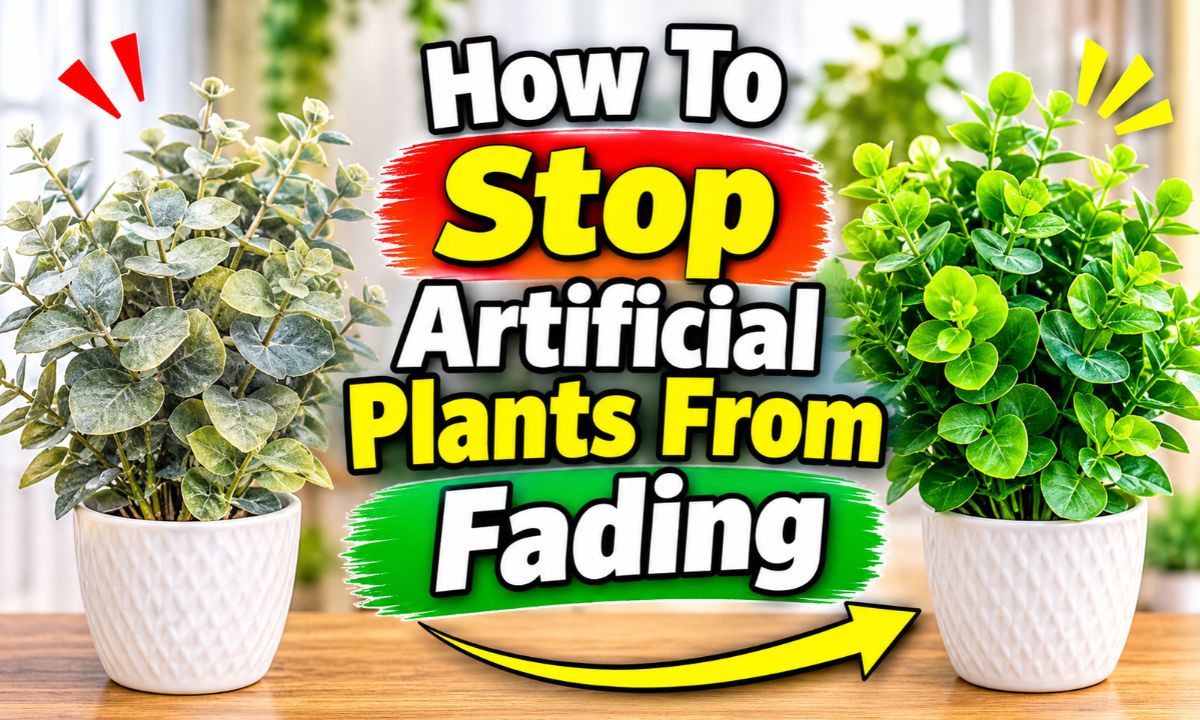
Keep artificial plants away from strong direct sunlight, choose UV-resistant foliage for outdoor spaces, and clean them gently to help preserve their color.
Artificial plants are a popular way to decorate American homes. They add greenery to living rooms, front porches, patios, offices, and entryways without the need for watering or regular pruning. But even a plant that never needs water can lose its fresh look when it sits in a sunny window or faces harsh outdoor conditions.
The biggest step in preventing color loss is controlling exposure to sunlight. UV rays can break down the pigments and materials used in artificial leaves and flowers. Heat, dust, moisture, and unsuitable cleaning products can also affect their appearance. A plant made for indoor use may not last long on a sunny American porch, even if it looks sturdy when first purchased.
The good news is that a few simple habits can help. Choose foliage designed for its intended location, move indoor plants away from strong sun, use a suitable UV protector when the manufacturer allows it, and remove dust without damaging the surface. These steps cannot stop all aging, but they can slow avoidable fading and help your decorations look better for longer.
Artificial plants fade when their color pigments and surface materials break down over time. Sunlight is a major cause, especially when a plant is not made to resist ultraviolet radiation. UV rays can change the color of plastic, fabric, and other synthetic materials.
The effect is not always easy to spot at first. A green leaf may slowly turn pale, a bright flower may lose its rich shade, or one side of a plant may look lighter than the other. Outdoor plants can also become dull from dust, pollen, pollution, and weather residue.
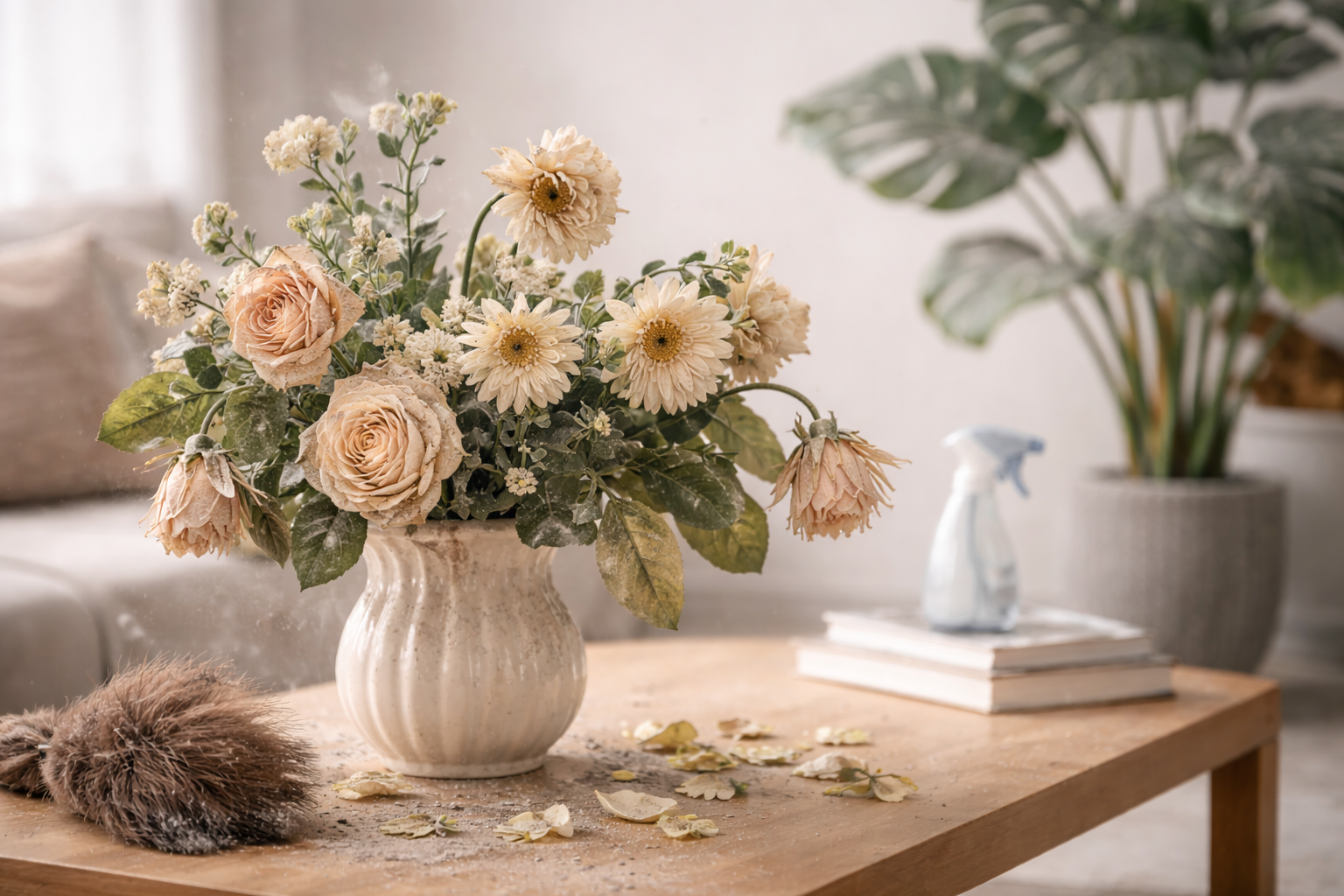
Not every change in appearance is true fading. A dusty leaf may look gray or washed out even though its original color is still present. Cleaning can improve this kind of dullness, but it cannot restore pigment that has already broken down.
Source: bethelmendelsartificialgrass.com
Sunlight and UV rays
Long exposure to direct sunlight can break down color pigments and weaken some synthetic materials.
Heat
High temperatures can affect certain plastics, coatings, adhesives, and fabric parts, especially in exposed outdoor locations.
Dust and pollution
Fine dirt settles on leaves and petals. It can hide the original color and make the plant look old or faded.
Harsh cleaning products
Strong chemicals, rough brushes, and unsuitable sprays may strip finishes, leave marks, or damage delicate surfaces.
Weather exposure
Rain, wind, humidity, and temperature changes can wear down plants that were not designed for outdoor use.
Can Sunlight Through a Window Fade Artificial Plants?
Yes. A window does not make an artificial plant completely safe from sunlight. Some UV radiation passes through ordinary window glass, and strong visible light can also contribute to material aging. The amount of exposure depends on the glass, window direction, shading, and time of day.
A plant on a sunny windowsill may fade faster than one placed several feet away from the window. South- and west-facing windows in many parts of the United States can receive strong sun during parts of the day. Watch the actual light in your room rather than relying only on the direction of the window.
Look for uneven color
Check whether the leaves facing the glass are lighter than the leaves on the shaded side.
Move the arrangement back
Place it in bright indirect light or in an area that receives less direct sun.
Use window coverings
Blinds, curtains, and UV-filtering window film may reduce exposure, depending on the product and its installation.
Does Every Artificial Plant Fade at the Same Rate?
No. The rate depends on the materials, dyes, surface finish, UV protection, and conditions around the plant. A UV-stabilized outdoor plant is generally a better choice for a sunny patio than a decorative indoor plant made for a shelf.
There is no reliable lifespan that applies to every artificial plant. A sheltered arrangement may retain its appearance much longer than a similar one exposed to strong sun, heat, and rain. Product warranties and fade guarantees also vary, so check their exact terms.
1. Keep Artificial Plants Away From Direct Sunlight
The easiest way to slow fading is to place artificial plants where strong direct sunlight does not hit them for long periods. This is especially important for indoor plants that do not have built-in UV protection. A good location can make a bigger difference than frequent cleaning or cosmetic treatments.
You do not have to keep every artificial plant in a dark corner. Bright indirect light is usually fine for decorative foliage because it does not need sunlight to grow. The goal is to avoid long periods of intense sun on the same leaves and flowers.
Think about how sunlight moves through your home. A spot that looks shaded in the morning may receive direct afternoon sun. Check the plant at different times of day before deciding that its location is safe.
Source: storage.googleapis.com
Choose a shaded shelf
Place smaller arrangements on shelves, side tables, or cabinets away from direct window light.
Use covered areas
For suitable outdoor plants, a covered porch or shaded patio can reduce direct exposure.
Avoid hot windowsills
A narrow sill can expose leaves to strong light and heat for several hours.
Watch reflected sunlight
Bright light reflected from nearby glass, pale walls, or other surfaces may still reach the foliage.
Best Places to Put Artificial Plants Indoors
A living room corner, hallway table, bookshelf, or shaded entryway can be a good place for artificial greenery. These areas often provide enough ambient light to display the plant without exposing it to hours of direct sun.
For a home office, choose a shelf beside the desk rather than a window ledge. In a bedroom, a dresser or bedside table away from the strongest window light can work well. Keep plants away from hot lamps, fireplaces, and heating vents too.
Living room
Use a corner beside furniture where direct sun does not fall on the leaves.
Bedroom
Place a small arrangement on a dresser or shelf away from a sunny window.
Bathroom
Choose a spot away from strong sun and excessive heat. Make sure fabric flowers can stay dry.
Office
Use a desk shelf or cabinet that receives indirect room light.
What If You Want to Keep a Plant Near a Window?
Move the plant farther into the room if possible. If the window is the best place for your display, use a sheer curtain, blind, or suitable UV-filtering film to reduce exposure. The actual level of protection depends on the window covering or film, so do not assume all products block the same amount of UV.
You can also turn the plant every few weeks. This helps prevent one side from receiving all the light, although it does not stop the entire arrangement from fading over time.
2. Choose UV-Resistant Artificial Plants for Outdoor Use
If you want artificial plants for a front porch, balcony, deck, or garden, buy foliage that is specifically labeled for outdoor use and UV resistance. This is one of the most useful steps because outdoor plants face sunlight for long periods, along with heat, rain, and other weather conditions.
UV-resistant plants are made with materials or additives intended to reduce damage from ultraviolet light. Some manufacturers add UV stabilizers during production. These treatments can slow color changes, but they do not make a plant immune to all fading or weather damage.
Do not assume that a plastic plant is suitable for outdoor use just because it feels firm or looks realistic. Read the product description and care instructions. If the seller does not state that the plant is suitable for outdoor exposure, treat that as an indoor decoration.
Source: designerplants.com.au
Check the product label
Look for clear wording such as outdoor use, UV resistant, or UV stabilized.
Read the warranty
Check whether any fade guarantee applies, how long it lasts, and what exposure conditions it excludes.
Ask about the material
Find out whether the leaves are plastic, fabric, silk-style material, or a combination.
Check care limits
Confirm whether the plant can handle rain, washing, heat, and the conditions where you plan to display it.
Indoor Plants Versus Outdoor Plants
Indoor artificial plants are usually made for controlled spaces. Their colors and finishes may not be designed to withstand months of direct sun or repeated rain. Outdoor models are intended for tougher conditions, although their resistance still depends on the product.
For example, a decorative fabric orchid may look attractive on an indoor console table but may not be suitable for an exposed balcony. A UV-resistant plastic shrub designed for outdoor use is a more sensible option for that location.
Indoor foliage
Best for rooms, shaded shelves, and locations protected from strong direct sunlight.
Outdoor foliage
Better suited to patios, porches, balconies, and other exposed locations when its label confirms outdoor use.
Can UV-Resistant Plants Still Fade?
Yes. UV resistance means reduced vulnerability, not permanent protection. Strong sun, heat, weather, and long exposure can still cause gradual changes. The level of protection varies by manufacturer and product.
A warranty is not a promise that the plant will keep its original color forever. Read the exclusions and keep your receipt and product details in case you need to make a claim.
3. Apply a Suitable UV-Protective Spray
A UV-protective spray made for artificial foliage may help reduce sun damage when the plant material and product instructions are compatible. It can be useful for suitable outdoor decorations or artificial plants placed near bright windows. However, it is not a substitute for choosing a UV-resistant plant in the first place.
Sprays vary in their ingredients and intended use. Some are designed for plastic, while others are made for silk-style fabric or other decorative materials. A general-purpose coating may leave a glossy film, change the color, feel sticky, or damage delicate petals.
Before buying a spray, read the label and check whether it is intended for artificial plants. Follow the stated application method, drying time, and reapplication schedule. Never assume that a product labeled as a UV protectant is safe for every type of artificial leaf.
Source: artificialplantssupplier.com
Pick the right formula
Choose a product that specifically lists the plant’s material or artificial foliage as a suitable use.
Read all instructions
Check the recommended distance, number of coats, drying time, ventilation needs, and reapplication guidance.
Test first
Apply a small amount to a hidden leaf or stem and wait for it to dry before checking for color or texture changes.
Protect nearby surfaces
Use a suitable work area and cover floors, furniture, walls, and other objects from overspray.
How to Apply UV Spray to Artificial Plants
Start with a clean, dry plant. Dust and loose dirt can interfere with an even finish, so remove them before applying any protective product. Work in a well-ventilated area and follow the spray manufacturer’s safety directions.
If the test area looks unchanged after drying, treat the remaining foliage as directed on the label. Keep the spray away from pets, children, food, and ignition sources as required by its safety instructions. Allow the plant to dry fully before returning it to its display area.
Step 1: Clean the plant
Remove dust with a suitable dry cloth or brush. If the material permits damp cleaning, let it dry fully.
Step 2: Test a hidden area
Check for discoloration, sticky residue, shine, or damage after the test area dries.
Step 3: Apply as directed
Use the distance and coating method printed on the product label. Avoid soaking the leaves.
Step 4: Let it dry
Keep the plant in a safe, ventilated location until the coating is fully dry.
Step 5: Follow the care schedule
Reapply only at the interval stated by the spray maker. More product does not automatically mean more protection.
Should You Use Clear Spray Paint on Fake Plants?
Do not use ordinary clear spray paint as a replacement for a UV protector unless its manufacturer specifically approves the material and intended use. A paint coating can change the surface, reduce the natural look, or affect flexible leaves and delicate flowers.
A product made for artificial foliage is the more appropriate starting point. Even then, test it first and follow its label. If the plant maker advises against coatings, follow the plant maker’s care instructions.
4. Clean Artificial Plants Regularly
Regular cleaning helps artificial plants look bright because dust can cover their natural color. It does not reverse UV damage, but it can remove the dull layer that makes leaves and flowers appear faded. Gentle cleaning is often more useful than applying several decorative products.
For many plastic leaves, a soft microfiber cloth or feather duster is enough. Fabric and silk-style flowers need extra care because moisture can leave marks or damage glued details. Always check the manufacturer’s cleaning instructions before using water or a cleaning solution.
A simple schedule works well for most homes. Inspect the plant every few weeks and clean it when you see dust. Plants near cooking areas, open windows, busy entryways, or outdoor spaces may need more frequent attention.
Source: bfplants.com
Use a soft duster
Gently remove loose dust without pulling on leaves, petals, or small attached parts.
Try a microfiber cloth
Use a dry cloth on delicate surfaces and a barely damp cloth only when the material allows it.
Use a soft brush
A clean, soft-bristled brush can reach folds and tight spaces between leaves.
Avoid harsh cleaners
Bleach, strong solvents, abrasive powders, and rough scrubbers may damage the finish or color.
How to Clean Plastic Artificial Plants
If the manufacturer says the plant is washable, wipe the leaves with a soft cloth dampened with cool or lukewarm water. For stubborn dirt, use a small amount of mild soap only if the care instructions allow it. Wipe away soap residue with a clean damp cloth.
Do not soak the plant or place the whole arrangement under a tap unless the instructions say this is safe. Water can collect inside stems, glued joints, or decorative pots. Let the foliage dry fully in a shaded, ventilated place.
Start dry
Dust the plant before using a damp cloth so loose dirt does not spread across the leaves.
Wipe gently
Clean one leaf at a time and avoid bending stems or pulling attached parts.
Remove soap
If mild soap is permitted, wipe away any remaining residue with a clean damp cloth.
Dry in shade
Allow the plant to dry fully away from direct sun and strong heat.
How to Clean Silk and Fabric Artificial Flowers
Silk-style and fabric flowers should usually be dusted dry. Use a soft makeup brush, feather duster, or clean microfiber cloth. Work slowly around thin petals, printed details, and glued parts.
Do not assume that a flower labeled silk is made from natural silk. Many products use polyester or blended fabrics, and their cleaning needs can differ. If the label does not allow water, use a suitable dry-cleaning method or contact the seller.
Dust lightly
Brush from the center of each flower toward the petal edges without pressing hard.
Avoid soaking
Water may cause color transfer, marks, or damage to the flower’s shape.
Check hidden details
Inspect glued petals and decorative parts before cleaning around them.
5. Rotate Artificial Plants to Prevent Uneven Fading
Turn movable artificial plants from time to time so one side does not receive all the sunlight. This can help keep color changes more even across the arrangement. It is a simple step for plants displayed near windows or in partially sunny rooms.
Rotation does not stop UV damage. If every side receives strong sunlight over time, the whole plant can still fade. Combine rotation with better placement, window coverings, or a suitable UV-resistant product.
You do not need to turn a plant every day. Check it every few weeks or whenever you clean it. For a large floor plant, a small change in direction may be enough.
Source: storage.googleapis.com
Check the sunny side
Look for leaves that face the window or outdoor light source.
Turn the pot slightly
Change its direction without bending branches or pulling the plant from its base.
Keep a consistent routine
Rotate it during regular cleaning so the task is easy to remember.
How Often Should You Rotate Fake Plants?
There is no fixed schedule that works for every room. A plant near a bright window may benefit from being turned every few weeks, while one in a shaded hallway may not need rotation at all.
Use the plant’s color and location as your guide. If one side is becoming noticeably lighter, rotate it and reduce the direct light reaching the arrangement.
6. Protect Outdoor Artificial Plants From Weather
Outdoor artificial plants need more than UV protection. They may face strong sun, heavy rain, wind, humidity, and wide temperature changes. A plant designed for outdoor use is a better starting point, but its placement still matters.
Place movable planters under a covered porch or patio during harsh weather when practical. Bring smaller arrangements inside during storms or periods of extreme heat or cold if the manufacturer’s instructions recommend it. Keep larger displays secure so wind cannot knock them over.
Avoid leaving indoor artificial plants outside, even in a covered spot, unless their care label allows it. Some materials can discolor, soften, crack, or lose glued parts when exposed to conditions they were not made to handle.
Source: storage.googleapis.com
Use sheltered locations
A covered porch or shaded area can reduce direct sun and rain exposure.
Secure large planters
Use a stable, suitable base so wind does not tip the arrangement over.
Bring movable plants inside
Protect them from severe weather when their care instructions call for indoor storage.
Let wet foliage dry
After permitted outdoor rinsing, allow the leaves and joints to dry fully.
Can You Leave Artificial Plants Outside All Year?
Only if the product is intended for year-round outdoor conditions, and even then, its care instructions and warranty matter. UV resistance alone does not prove that a plant can handle freezing weather, heavy rain, or strong wind.
If you live in an area with hot summers, severe storms, or cold winters, inspect the plant more often. Store movable arrangements in a dry place when the manufacturer recommends seasonal storage.
Does Rain Damage Artificial Plants?
Rain may be acceptable for some outdoor-rated plastic plants, but it can harm indoor models and delicate fabric flowers. Water may also collect inside hollow stems or decorative containers.
Check the product instructions before rinsing or leaving a plant exposed to rain. If water is allowed, use gentle cleaning and let the plant dry completely.
7. Store Artificial Plants the Right Way
Proper storage helps prevent fading and other damage when you are not using artificial plants. Keep them in a cool, dry place away from sunlight, dampness, and extreme heat. A closed storage box can also keep dust away.
Before storing a plant, remove loose dust and make sure it is completely dry. Do not pack wet leaves or fabric flowers into a sealed container. Trapped moisture can cause unpleasant odors or damage some materials.
Choose a box large enough to avoid crushing the leaves and flowers. If the plant has flexible branches, arrange them gently rather than forcing them into a tight space. Keep the original packaging if it provides a good fit.
Source: artificialplantssupplier.com
Clean before storage
Remove dust and dirt using a method approved for the plant’s material.
Dry completely
Make sure no moisture remains on the foliage, stems, or pot.
Use a suitable container
Choose a clean box that protects the plant without crushing delicate parts.
Avoid hot storage areas
Do not leave artificial foliage in a hot vehicle, sun-heated attic, or damp shed.
How to Store Artificial Flowers Without Crushing Them
Use a box with enough room for the flower heads and stems. If the stems can be removed safely, wrap them separately in clean tissue or a soft cloth. Keep heavy objects away from the petals.
For a large arrangement that cannot be taken apart, cover it with a breathable protective layer and store it upright if space allows. Check the arrangement before using it again and reshape flexible stems gently.
8. Match Your Care Routine to the Plant Material
Different artificial plants need different care. Plastic foliage is often easier to wipe clean than fabric flowers, while delicate arrangements may have glued details that can loosen with moisture. A cleaning method that works on one plant may damage another.
Check the label or product page before using water, soap, sprays, or compressed air. If the material is unknown, begin with the gentlest dry method and test a hidden area before trying anything stronger.
The table below gives a practical starting point. It is not a replacement for the manufacturer’s instructions, which should take priority when they differ.
Source: infotips75.com
Artificial Plant Care by Material
Use this guide to choose a cautious care method based on the plant’s visible material. Some arrangements combine plastic stems, fabric petals, foam centers, and glued details, so treat mixed-material plants according to their most delicate parts.
Plastic leaves
Usually suitable for gentle dusting. A damp cloth may be used if the manufacturer allows it.
Silk-style flowers
Usually best cleaned with a soft, dry brush or cloth. Avoid soaking unless the care label specifically permits it.
Fabric foliage
Use gentle dry dusting and check for color transfer before using moisture.
Real-touch foliage
Follow the maker’s instructions because special coatings may react to cleaners or solvents.
Mixed-material arrangements
Use the gentlest method suitable for the most delicate component.
Simple Care Schedule
A short inspection routine is usually enough to keep most artificial plants in good shape. Adjust the timing based on dust, sunlight, and outdoor exposure rather than following a rigid calendar.
Every few weeks
Check for dust, uneven color, loose leaves, and signs of sun exposure.
When dusty
Use a soft duster or an approved cleaning method.
After outdoor exposure
Inspect for dirt, pollen, water deposits, and loose parts.
Before seasonal storage
Clean, dry, and pack the plant in a cool, dry place.
9. How to Tell Whether an Artificial Plant Is Faded or Just Dirty
A plant that looks dull may only need cleaning. Before buying a new one or applying a protective spray, inspect the leaves in good light and compare the exposed side with a shaded section. This simple check can help you avoid unnecessary treatments.
Dust often creates a gray or cloudy layer that comes off with gentle cleaning. True fading usually remains after the surface is clean. It may appear as pale patches, uneven color, or a change in the material’s original shade.
A damaged finish can also look like fading. If the surface has become sticky, cracked, chalky, or brittle, the problem may involve material breakdown rather than loose dirt.
Source: linkedin.com
Dust-related dullness
The color looks better after gentle dusting or approved cleaning.
UV-related fading
The color remains pale after cleaning, often on the side that faces the sun.
Surface damage
The leaf may feel sticky, rough, brittle, or uneven instead of simply looking dirty.
Water or cleaner marks
Streaks or spots may appear after unsuitable cleaning or exposure to mineral-rich water.
Can You Restore Artificial Plants That Have Already Faded?
You usually cannot restore the original factory color once the material’s pigments have broken down. Cleaning can remove dirt, and a suitable product may improve the surface appearance, but neither can reliably reverse UV damage.
Avoid using permanent markers, household paint, or dye without confirming that the material can accept them. These treatments can create uneven patches and may damage the foliage. If the plant is valuable, ask the manufacturer whether a repair or replacement option exists.
Clean first
Remove dust using a material-safe method before judging the color.
Compare hidden areas
Check leaves that received less sunlight to see how much the exposed color has changed.
Replace badly damaged pieces
If only a few leaves or flowers are affected, replacing those parts may be more practical than replacing the full arrangement.
10. Common Mistakes That Can Make Artificial Plants Fade Faster
Many artificial plants lose their fresh look because of simple care mistakes. Using the wrong cleaner, leaving an indoor arrangement outside, or applying an unsuitable coating can cause damage that is hard to reverse.
A gentle approach is usually best. Artificial leaves do not need polishing, feeding, or watering. They need suitable placement, occasional dust removal, and protection from conditions that their materials cannot handle.
Source: silkplantdecorandmore.ca
Leaving indoor plants in direct sun
Indoor foliage may not contain the UV protection needed for a sunny window or outdoor display.
Using any spray labeled as protective
A general surface coating may not be compatible with the plant’s plastic, fabric, or finish.
Scrubbing leaves
Rough brushes and strong pressure can scratch surfaces, bend stems, or loosen glued details.
Using hot water
Heat may affect some synthetic materials and adhesives. Use only the temperature allowed by the care instructions.
Leaving wet plants in direct sunlight
Dry plants in a shaded, ventilated place when the material permits damp cleaning.
Ignoring product instructions
The manufacturer’s cleaning and storage guidance should take priority over general tips.
Is It Safe to Use a Hair Dryer on Artificial Plants?
A hair dryer may help remove loose dust if the manufacturer permits it, but use only a cool setting and low airflow. Hot air can soften some plastics, affect adhesives, or distort delicate petals.
Hold the dryer at a distance and test a small area first. For most small arrangements, a soft brush or microfiber cloth is easier to control and does not create unnecessary heat.
Can You Use Bleach or Vinegar to Brighten Fake Plants?
Do not use bleach to brighten artificial foliage. It can strip color and damage some materials. Vinegar is also not a universal cleaner for artificial plants, particularly those with coatings, glued parts, or delicate fabric.
Use plain water or mild soap only when the plant maker allows it. If you cannot confirm that a cleaner is suitable, stick with dry dusting.
11. A Simple Plan to Keep Artificial Plants Looking Fresh
The best care plan is one you can follow without damaging the plant. Start by checking where it sits, what it is made from, and whether it is designed for indoor or outdoor use. Then choose the least aggressive care method that meets its needs.
If the plant is already fading, move it away from direct sun before trying a new spray or cleaner. If it is only dusty, gentle cleaning may be all it needs. If the color has permanently changed, consider replacing the affected leaves or moving the plant to a less exposed location.
Source: shunpoly.com
For indoor plants
Choose a spot with indirect light, dust gently, and keep the arrangement away from heat sources.
For outdoor plants
Use UV-resistant outdoor foliage, provide shelter where possible, and follow the maker’s weather-care instructions.
For fading plants
Clean first to rule out dust, reduce sun exposure, and avoid untested restoration products.
For stored plants
Clean and dry them fully before packing them in a cool, dry, dark place.
Quick Decision Guide
Use the following guide to choose your next step based on the plant’s condition and location.
Plant is near a sunny window
Move it into indirect light, add a suitable window covering, or rotate it to reduce uneven exposure.
Plant is on an exposed patio
Check that it is rated for outdoor use and UV resistance. Move it to shelter when needed.
Leaves look gray or dull
Try gentle dusting before assuming the color has faded.
Leaves remain pale after cleaning
Reduce sunlight exposure. The color change may be permanent.
Spray leaves a sticky finish
Stop using it and follow the product label for safe handling. Do not add another coating to cover the residue.
Frequently Asked Questions
Q
What is the best way to stop artificial plants from fading?
Keep artificial plants away from strong direct sunlight and choose UV-resistant products for outdoor areas. Dust them gently and use a compatible UV-protective spray only when the manufacturer allows it. These steps can slow fading, but they cannot prevent all color changes.
Q
Do artificial plants fade in the shade?
They can still change color over time, but shaded locations usually reduce direct UV exposure. Dust, heat, moisture, and material aging can also affect their appearance. A shaded location is helpful, but it does not guarantee permanent color.
Q
Does UV spray really protect fake plants?
A suitable UV spray may provide extra protection, but results depend on the formula, plant material, application, and exposure. Choose a product made for artificial foliage, test it on a hidden area, and follow its label. It should not replace outdoor-rated, UV-resistant plants in exposed locations.
Q
How often should I clean artificial plants?
Check them every few weeks and dust them whenever you see a buildup. Plants near open windows, kitchens, busy entryways, and outdoor spaces may need more frequent cleaning. Use a dry or damp method based on the material and manufacturer instructions.
Q
Can faded artificial plants be made green again?
Not reliably. If dust causes the dull look, gentle cleaning may reveal the original color. If UV exposure has broken down the pigments, the color change is usually permanent. Replacing affected leaves or flowers may be the most practical option.
Q
Can I put indoor artificial plants outside?
Only if the manufacturer says they are suitable for outdoor use. Indoor plants may lack UV protection and weather-resistant materials. Even a covered porch can expose them to heat, moisture, and reflected sunlight.
Q
Should I use furniture polish on artificial leaves?
No, unless the plant maker specifically approves it. Furniture polish can leave an oily or sticky layer and may affect the finish. Use a cleaner made for the plant material or a soft cloth instead.
✦ Wrapping Up
Conclusion
Keeping artificial plants looking fresh starts with the right location. Strong sunlight is a major cause of fading, so move indoor arrangements away from direct sun and choose UV-resistant outdoor foliage for patios, porches, and balconies. A little shade can help protect the color and reduce wear.
Regular dusting, gentle cleaning, careful storage, and a compatible UV protector can also help. Always check the plant’s material and care instructions before using water, soap, or spray. No treatment can guarantee that artificial foliage will keep its original color forever, but sensible care can slow avoidable damage.
If your plant already looks faded, clean a small area first to see whether dust is the problem. If the pale color remains, reduce its sun exposure and consider replacing badly affected parts. A few small changes can help you enjoy your artificial greenery for longer.
💡 Key Takeaway
Today, move artificial plants out of strong direct sunlight, dust them gently, and check their labels before using any UV spray or cleaning product.