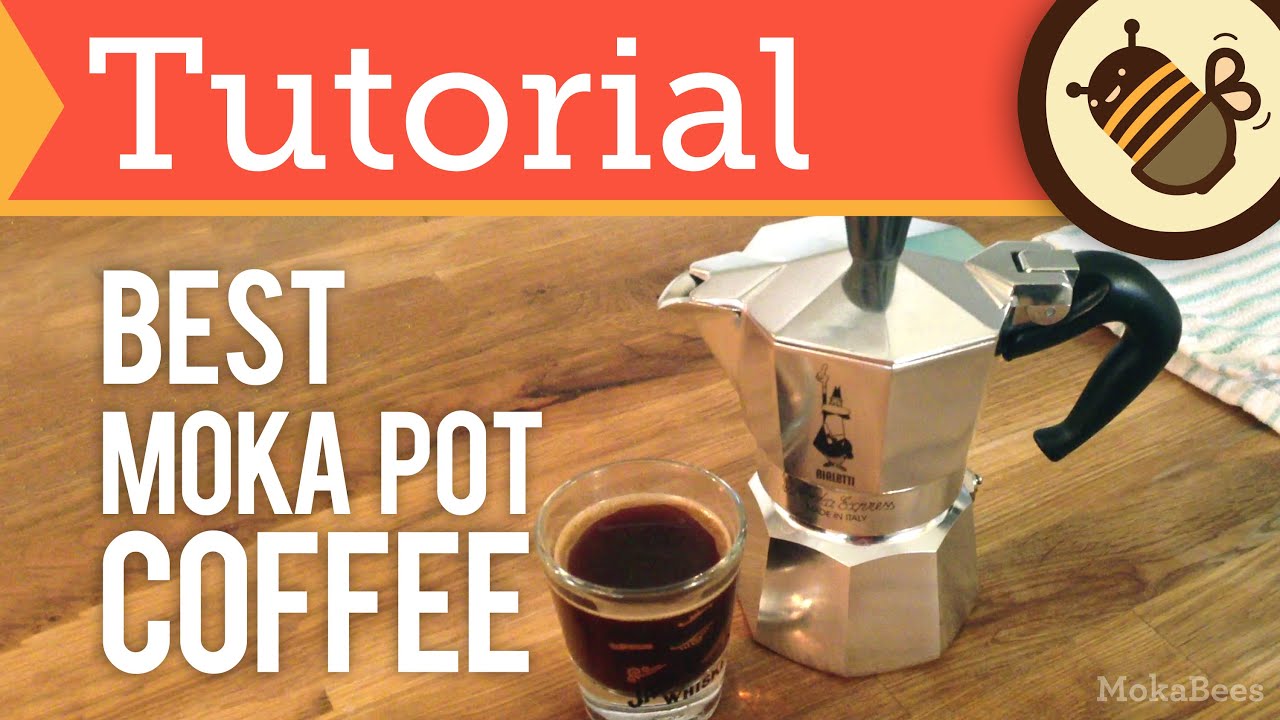
To make coffee in a Moka pot, fill the lower chamber with water, add medium-fine coffee to the filter basket without tamping it, assemble the pot, heat it gently on the stove, and remove it when the coffee finishes flowing.
If you are making coffee at home in the United States, a Moka pot is a simple way to get a strong, concentrated cup without an espresso machine. It works on a stovetop and uses pressure from heated water to move through ground coffee and into the upper chamber.
The basic process is easy, but small details matter. The grind, water level, heat, and stopping point can change the flavor. A good starting method is to use fresh coffee, fill the water only to the safety valve, keep the grounds loose and level, and use moderate heat.
A Moka pot does not make true espresso because it does not brew at the same pressure or in exactly the same way as an espresso machine. The finished coffee is concentrated and bold, so you can drink it as brewed or dilute it with hot water or milk.
You only need a few basic items: a Moka pot, ground coffee, water, a heat source, and a cup. A kitchen scale can help you repeat a recipe, but it is not required for a traditional Moka pot.
Choose a Moka pot size that matches how much coffee you want to make. The stated cup size on a Moka pot refers to small servings, not a standard American 8-ounce coffee cup. It is usually better to brew the pot at its intended capacity rather than trying to make a partial batch.
Source: artdevivrecoffee.com
Moka pot
Use a clean, properly assembled stovetop Moka pot with an intact gasket, filter, and safety valve.
Coffee
Freshly ground coffee works well. Start with a medium-fine grind that is finer than typical drip coffee but coarser than espresso.
Water
Use fresh drinking water. If your tap water has a strong taste or odor, filtered water can produce a cleaner cup.
Stovetop
Use a burner that fits the base without exposing the handle to excessive heat. Check your Moka pot instructions for induction compatibility.
Does the Moka Pot Size Matter?
Yes. A Moka pot is designed around a particular amount of water and coffee. For the most consistent result, fill the lower chamber to the intended level and fill the filter basket as designed rather than changing the proportions dramatically.
If you need less coffee, a smaller Moka pot is usually more practical than making a partial brew in a larger one.
How to Make Coffee in a Moka Pot Step by Step
The easiest method is to prepare the water and coffee before placing the Moka pot on the stove. Work carefully because the metal body becomes very hot during brewing.
These steps describe a general stovetop method. Always follow the instructions supplied with your specific Moka pot if they differ, especially for induction or other specialized models.
Source: youtube.com
1. Add water to the lower chamber
Fill the bottom chamber with fresh water up to the level indicated by the manufacturer. On many traditional Moka pots, this means filling to just below the safety valve. Do not cover the safety valve.
2. Fill the filter basket
Add ground coffee until the basket is full and level. Do not press or tamp the coffee down. Gently level the surface with your finger or a straight edge.
3. Assemble the pot
Place the filled filter basket into the lower chamber, then screw the upper and lower sections together firmly. Avoid forcing the connection.
4. Heat the Moka pot
Place the pot on a suitable burner over moderate heat. Keep the handle away from direct flame or excessive heat.
5. Watch the coffee flow
As the water heats, pressure pushes water through the coffee and into the upper chamber. Keep an eye on the flow rather than walking away from the stove.
6. Stop before harsh sputtering
When the coffee stream becomes noticeably lighter and the pot begins to approach the sputtering stage, remove it from the heat. The exact timing varies with the pot, burner, coffee, and starting water temperature.
7. Cool the base briefly
Place the Moka pot on a cool burner or heat-safe surface. Avoid touching the hot metal with bare hands.
8. Serve the coffee
Stir the coffee in the upper chamber before pouring if you want a more even flavor. Serve it as brewed, or add hot water or milk to make a longer drink.
Why You Should Not Tamp the Coffee
A Moka pot is not designed for the compacted coffee puck used in an espresso machine. Pressing the grounds tightly can restrict water flow and make the brewing process less predictable.
Instead, fill the basket evenly and level the coffee without applying pressure. The goal is a loose, consistent bed that allows hot water to pass through.
What Does a Good Moka Pot Brew Look Like?
A successful brew should flow steadily into the upper chamber and have a rich coffee aroma. The color will usually become lighter near the end of the flow.
If the pot makes a loud sputtering sound for a long time, the brew may be getting overheated. Removing the pot from the burner when the flow turns pale can help limit harsh flavors.
How Much Coffee and Water Should You Use?
For a traditional Moka pot, the simplest approach is to follow the pot’s designed capacity rather than using a universal coffee-to-water ratio. Fill the lower chamber to the proper water mark and fill the basket with coffee without tamping.
If you use a scale, weigh the water and coffee so you can repeat a brew you like. The exact amount varies by Moka pot size, basket design, and manufacturer.
Source: coffeesignatures.blogspot.com
Water
Fill to the manufacturer’s recommended level, commonly just below the safety valve on traditional models.
Coffee
Fill the filter basket evenly to its intended capacity. Do not compress the grounds.
Ratio
Do not assume a single ratio works for every Moka pot. Basket size and design determine how much coffee and water the brewer is meant to use.
Should You Use Hot or Cold Water?
Both approaches are used. Starting with hot water can shorten the time the coffee grounds spend heating on the stove, while starting with room-temperature or cold water is a simple traditional method.
If you start with hot water, handle the lower chamber carefully because it can become hot before the pot is assembled. Whichever method you choose, keep the heat moderate and watch the brew.
Choose the Right Coffee Grind
Grind size is one of the easiest variables to adjust when Moka pot coffee tastes wrong. Start with a medium-fine grind. It should feel finer than the grind commonly used for drip coffee but not as powdery as many espresso grinds.
A grind that is too fine can slow water movement and contribute to harsh extraction. A grind that is too coarse may produce a thinner or less concentrated cup because water can pass through the coffee more easily.
Source: artofit.org
Too fine
The brew may flow slowly, taste harsh, or become difficult to extract evenly.
Medium-fine
This is a useful starting point for most Moka pots and gives you room to adjust based on taste.
Too coarse
The coffee may taste weak, thin, or less developed.
Which Roast Works Best?
There is no single roast that every Moka pot user should choose. Medium and medium-dark roasts are common starting points because the concentrated brewing style can bring out strong chocolate, nutty, caramel, and roasted flavors.
Lighter roasts can also work, especially when you want more acidity and fruit-like flavors, but they may need more careful grind and heat adjustments.
How to Control Heat for Better Moka Pot Coffee
Moderate heat is a good starting point. The goal is to build enough pressure for brewing without overheating the coffee or forcing a violent flow through the basket.
If the coffee races through the upper spout and the pot sputters aggressively, lower the heat. If almost nothing happens after a reasonable warm-up period, check the heat source, coffee grind, basket, seal, and assembly.
Source: qaqooking.wiki
Use moderate heat
A controlled burner setting gives you more time to observe the flow and react before the coffee overheats.
Watch the stream
The flow should build as the pot heats. A lighter stream near the end is a useful sign that brewing is nearly complete.
Remove from heat
Do not wait for prolonged, forceful sputtering. Moving the pot off the burner helps prevent continued heating.
Why Does Moka Pot Coffee Taste Burnt?
Burnt or bitter flavor can come from excessive heat, prolonged brewing, very dark coffee, or a grind that is too fine. Start by lowering the burner and removing the pot earlier.
Cleaning also matters. Old coffee oils left inside the pot can contribute stale or unpleasant flavors, especially when the brewer is used frequently.
Common Moka Pot Problems and How to Fix Them
Most Moka pot problems come down to heat, grind size, coffee quantity, assembly, or maintenance. Change one variable at a time so you can tell what actually improved the cup.
If coffee is leaking around the connection between the upper and lower chambers, stop using the pot until you identify the cause. Check that the filter basket, gasket, and filter plate are correctly positioned and that the two chambers are properly assembled.
Source: artofit.org
Coffee tastes bitter or burnt
Lower the heat, stop the brew earlier, and consider using a slightly coarser grind or a lighter roast.
Coffee tastes weak
Check that the basket is filled correctly and that the coffee is not ground too coarse. Avoid changing several variables at once.
Coffee tastes sour or sharp
The coffee may not be extracting evenly. Check the grind, heat, basket fill, and coffee freshness before making a major change.
Coffee sputters heavily
Reduce the heat and remove the pot sooner. Persistent sputtering can also indicate an issue with the brewer or an unsuitable grind.
Water leaks from the sides
Stop heating and let the pot cool. Check the gasket, filter plate, threads, and assembly before brewing again.
Almost no coffee comes out
Check that the heat source is working, the basket is not over-compressed, and the safety valve and filter path are not blocked.
When Should You Replace the Gasket?
A gasket forms the seal between the upper and lower sections. If it becomes cracked, stiff, damaged, or unable to seal properly, replace it with the correct part for your Moka pot model.
Do not continue using a pot that is leaking or showing signs of a damaged pressure-related component. Follow the manufacturer’s maintenance instructions for your specific model.
What If the Coffee Is Too Strong?
Moka pot coffee is naturally more concentrated than many standard drip coffees. If the flavor is too intense, dilute the finished coffee with hot water rather than changing the brewer’s intended water capacity.
You can also add warm or steamed milk for a milk-based drink. This lets you keep the brewing process consistent while adjusting the final strength.
How to Clean and Maintain a Moka Pot
Regular cleaning keeps old coffee residue from building up and helps the brewer continue to seal and function correctly. After the pot has cooled, separate the chambers and remove the filter basket.
Rinse the parts with warm water and allow them to dry fully before reassembling. Follow the manufacturer’s instructions for your particular pot, especially if it has special coatings or dishwasher restrictions.
Source: coffeesignatures.blogspot.com
Clean after use
Empty the spent coffee grounds and rinse the main components after each brew.
Check the gasket
Inspect the rubber gasket regularly for wear, cracks, stiffness, or loss of sealing performance.
Keep the filter clear
Coffee oils and fine particles can accumulate around the filter. Keep the filter holes clean according to the manufacturer’s care instructions.
Dry before storage
Let the components dry before putting the Moka pot back together to help prevent stale odors and residue.
Should You Use Soap on a Moka Pot?
Care instructions vary by Moka pot material and manufacturer. Many traditional aluminum Moka pots are commonly rinsed rather than aggressively washed, while some stainless-steel models may have different care instructions.
The safest approach is to follow the manufacturer’s cleaning directions for your exact model. Avoid abrasive cleaners or tools that can damage surfaces or components.
Moka Pot Coffee vs. Espresso and Drip Coffee
Moka pot coffee sits between traditional drip coffee and espresso in how it is prepared and experienced. It is concentrated and brewed under pressure, but a Moka pot does not reproduce the pressure, temperature control, or brewing process of a dedicated espresso machine.
Drip coffee generally uses a larger amount of water relative to the coffee and produces a lighter-bodied drink. Moka pot coffee uses a smaller brewer and produces a concentrated drink that can be diluted or used as a base for milk drinks.
Source: coffeesignatures.blogspot.com
Moka pot
Stovetop brewer that produces concentrated coffee using pressure created by heated water.
Espresso machine
Uses a specialized brewing system designed to force hot water through a compact coffee puck at much higher pressure.
Passes hot water through a coffee bed and generally produces a larger, less concentrated beverage.
Can You Use Moka Pot Coffee for Lattes or Americanos?
Yes. Moka pot coffee works well as a strong base for drinks made with milk or additional water. For an Americano-style drink, add hot water to the brewed coffee until it reaches the strength and volume you prefer.
For a latte-style drink, combine the concentrated coffee with warm or steamed milk. The result will not be identical to a drink made from espresso, but the Moka pot provides a strong coffee base.
Frequently Asked Questions
Q
How long does it take to make coffee in a Moka pot?
The brewing time varies with the pot size, starting water temperature, burner, and coffee grind. Watch the coffee flow rather than relying on one fixed number of minutes.
Q
What grind size is best for a Moka pot?
Start with a medium-fine grind. It should be finer than typical drip coffee but generally not as fine as espresso. Adjust based on the flavor and flow.
Q
Can I use pre-ground coffee in a Moka pot?
Yes. Pre-ground coffee can work well if the grind is suitable for a Moka pot. Freshly ground beans usually give you more control over grind size and freshness.
Q
Why is my Moka pot coffee bitter?
Excessive heat, prolonged brewing, a very fine grind, or a dark roast can contribute to bitterness. Lower the heat and remove the pot before prolonged sputtering.
Q
Does a Moka pot make espresso?
No. Moka pot coffee is concentrated, but it is not technically espresso. Espresso uses a different brewing system with much higher pressure and specific equipment.
✦ Wrapping Up
Conclusion
Making coffee in a Moka pot is straightforward once you understand the basic sequence: add the right amount of water, fill the basket evenly, assemble the pot, heat it gently, and stop the brew before prolonged sputtering.
The most useful adjustments are usually grind size and heat. If your coffee tastes harsh, try gentler heat and an earlier stop. If it tastes weak, check the grind and basket fill before changing the water level.
A Moka pot rewards a simple, repeatable routine. Start with your brewer’s intended capacity, fresh coffee, clean water, and moderate heat, then make one small adjustment at a time.
💡 Key Takeaway
For your next brew, fill the water to the proper level, fill the basket without tamping, use a medium-fine grind, brew over moderate heat, and remove the pot when the stream becomes pale and approaches sputtering.