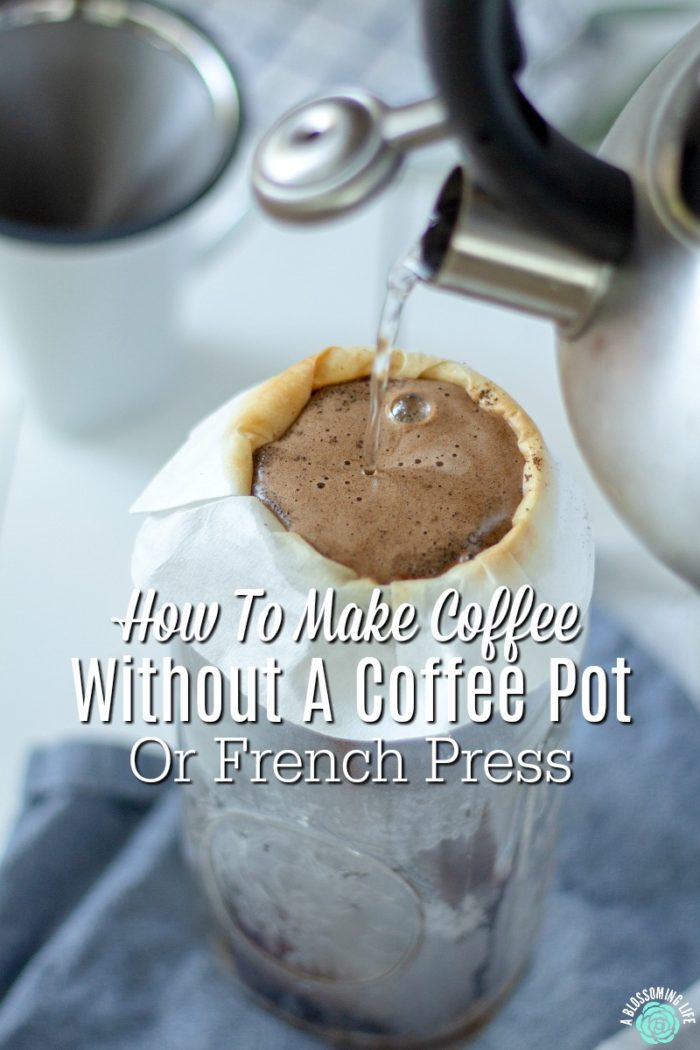
You can make coffee without a coffee maker by steeping ground coffee in hot water, simmering it on the stove, or using a simple filter setup. The easiest method for most people is to steep the grounds and strain them before drinking.
If your coffee maker stopped working on a busy morning in the United States, you do not have to give up on your cup of coffee. A saucepan, kettle, mug, and a few basic kitchen items can be enough to brew ground coffee at home.
The key is simple: hot water needs time to contact the coffee grounds, and the grounds need to be separated from the finished drink. Once you understand those two steps, several no-machine methods become easy to use.
What Do You Need to Make Coffee Without a Coffee Maker?
You only need a few basic items. The simplest setup uses ground coffee, hot water, a heat-safe mug or container, and something that can separate the grounds from the brewed coffee.
Freshly ground coffee can give a more flavorful cup, but pre-ground coffee works well for these methods. A medium grind is a useful starting point because it is easier to steep and strain than very fine grounds.
Source: i.pinimg.com
Ground coffee
Use regular ground coffee. Medium-ground coffee is a practical choice for steeping and makes filtering easier.
Hot water
Use clean drinking water and heat it until it is very hot but not necessarily at a rolling boil when it contacts the grounds.
A container
A saucepan, mug, measuring cup, or other heat-safe container can hold the coffee and water.
A way to strain
A fine strainer, paper coffee filter, or clean food-safe cloth can help keep loose grounds out of the cup.
How Much Coffee and Water Should You Use?
A useful starting point is about 1 to 2 tablespoons of ground coffee for every 6 ounces of water. The exact amount depends on the coffee, grind size, and how strong you like your drink.
For a larger 12-ounce mug, you can begin with roughly 2 to 4 tablespoons of ground coffee. Adjust the next batch rather than adding large amounts at once.
Milder coffee
Use the lower end of the coffee range or add a little more hot water after brewing.
Stronger coffee
Use more coffee rather than extending the brewing time too much, which can make the drink taste harsh.
How Can You Make Coffee by Steeping It in a Mug?
Steeping coffee directly in a mug is probably the easiest method when you do not have a coffee maker. It works much like making tea: combine hot water and coffee grounds, let them steep, then separate the grounds.
This method is especially useful when you only need one cup and want to avoid using a saucepan.
Source: ablossominglife.com
Step 1
Place about 1 to 2 tablespoons of ground coffee into a heat-safe mug for each 6 ounces of water.
Step 2
Heat the water until very hot, then pour it slowly over the coffee grounds.
Step 3
Stir gently so the grounds become evenly saturated.
Step 4
Let the coffee steep for about 4 minutes as a starting point.
Step 5
Allow the grounds to settle briefly, then pour the coffee through a fine strainer into another mug or carefully drink from the clearer portion.
How Do You Keep Grounds Out of the Cup?
The cleanest approach is to pour the brewed coffee through a fine strainer. If you have a paper coffee filter, place it in a suitable strainer and pour slowly. Avoid squeezing the filter aggressively because that can make the process messy and may push fine sediment through.
If you have no strainer or filter, let the grounds settle at the bottom and pour slowly. Leave the final small amount in the mug rather than trying to drink every drop.
How Can You Make Coffee on the Stove?
A saucepan can replace a coffee maker when you want to prepare several cups at once. This approach is straightforward, but the main challenge is controlling heat and contact time.
The goal is to extract flavor from the grounds without aggressively boiling the coffee for a long period.
Source: roastycoffee.com
Step 1
Add the desired amount of water to a clean saucepan and heat it on the stove.
Step 2
Add ground coffee once the water is very hot. Use about 1 to 2 tablespoons per 6 ounces of water as a starting ratio.
Step 3
Stir gently to wet the grounds and keep the mixture from forming dry pockets.
Step 4
Keep the heat low and let the coffee steep or gently simmer for a few minutes rather than rapidly boiling it.
Step 5
Remove the saucepan from the heat and let the grounds settle before carefully pouring the coffee through a fine strainer.
What Happens If You Boil Coffee Grounds Too Long?
Long, aggressive boiling can make coffee taste overly bitter, harsh, or unpleasant. If your stovetop coffee tastes rough, reduce the heat and shorten the brewing time on the next attempt.
A controlled steep is usually easier to manage than keeping coffee at a hard boil.
Can You Make Coffee With a Paper Filter and a Mug?
Yes. A paper filter and mug can create a simple manual pour-over setup without a coffee machine. The filter holds the grounds while hot water passes through and collects in the mug below.
If you have a cone-shaped coffee filter, use a mug or other stable container that supports it securely. If the filter does not fit safely, do not balance it in a way that could cause hot water to spill.
Source: typescoffee.com
Set up the filter
Place the paper filter in a stable holder over your mug. Rinsing the filter with hot water can help it settle into place and warm the mug.
Add coffee
Put ground coffee into the filter and spread it into an even layer.
Wet the grounds
Pour a small amount of hot water over the grounds first so they become evenly wet.
Pour slowly
Add the remaining water gradually and keep the filter stable throughout the process.
Let it drain
Wait until most of the water has passed through before removing the filter and grounds.
Why Does This Method Taste Cleaner?
Paper filters catch most coffee grounds and some of the oils and fine particles that would otherwise remain in the drink. That can produce a cleaner-feeling cup than methods where grounds stay directly in the water.
The result still depends on the coffee, grind, water, pouring speed, and brewing ratio, so a paper filter does not automatically guarantee better flavor.
Which No-Coffee-Maker Method Should You Choose?
The best method depends on what equipment you have and how much coffee you need. Steeping is convenient for one cup, a saucepan works well for multiple cups, and a paper filter gives you a cleaner way to separate the grounds.
Use the table below as a quick decision guide rather than treating one method as universally superior.
Source: bbrief.co.za
For one quick cup
Steep the coffee directly in a mug and strain it before drinking.
For several cups
Use a saucepan so you can heat and brew a larger amount at once.
For fewer grounds
Use a paper filter and stable holder over a mug.
With almost no equipment
Steep the grounds in hot water, let them settle, and pour slowly.
A Simple Comparison
Each method has a different balance of convenience, clarity, and control. The following comparison focuses on practical use at home.
Mug steeping
Simple and fast for a single serving, but some sediment may remain without careful straining.
Stovetop brewing
Useful for larger batches, although heat must be controlled to avoid over-extraction and harsh flavor.
Paper-filter brewing
Produces a cleaner cup when the filter is supported safely, but requires a suitable filter and holder.
How Can You Fix Coffee That Tastes Too Weak or Bitter?
Change one variable at a time when adjusting your coffee. This makes it easier to understand what caused the problem instead of changing the coffee amount, water temperature, and steeping time all at once.
Weak coffee usually needs more extraction or a higher coffee-to-water ratio. Bitter coffee often needs less extraction, which can mean a shorter contact time, lower heat, or a different grind.
Source: musiccityeats.com
Coffee tastes weak
Try using slightly more ground coffee or extending the steeping time modestly.
Coffee tastes bitter
Shorten the brewing time and avoid prolonged boiling. You can also try a slightly coarser grind.
Coffee tastes muddy
Use a finer strainer or paper filter, and pour more slowly so settled grounds remain behind.
Coffee tastes flat
Try fresher coffee and clean drinking water. Storage and coffee age can affect flavor before brewing even begins.
What Does Good No-Machine Coffee Look Like?
A successful cup should have a balanced coffee aroma and flavor without an overwhelming taste of raw grounds or excessive bitterness. Some sediment can occur with immersion methods, but the drink should still be comfortable to drink.
If the coffee has a harsh taste, start by reducing the brewing intensity rather than simply adding sugar or milk to cover the problem.
Common Mistakes to Avoid When Making Coffee Without a Coffee Maker
Most problems come from too much heat, too much brewing time, an unbalanced coffee-to-water ratio, or poor separation of the grounds. Small adjustments can make a noticeable difference.
Also remember that hot water can cause burns. Use heat-safe containers, keep handles away from the edge of the stove, and pour carefully.
Source: i.pinimg.com
Using too little coffee
A large amount of water with only a small amount of coffee can produce a thin, weak drink.
Boiling aggressively
A hard boil for an extended period can make the finished coffee harsh.
Using very fine grounds
Fine grounds can be harder to separate with a basic strainer and may leave more sediment.
Pouring too quickly
Fast pouring can disturb settled grounds and transfer more sediment into the cup.
Using an unstable filter setup
Never balance a paper filter or improvised container where it could tip and spill hot water.
Is It Safe to Drink Coffee With Some Grounds in It?
A small amount of coffee sediment is generally a texture issue rather than a brewing failure. If you dislike the gritty texture, let the grounds settle and leave the final portion behind or use a finer filter.
The bigger practical concern is handling hot water safely. Use stable, heat-safe equipment and avoid carrying an open container of very hot liquid unnecessarily.
Frequently Asked Questions
Q
Can you make coffee with just hot water and ground coffee?
Yes. Add ground coffee to hot water, let it steep for about 4 minutes, allow the grounds to settle, and carefully pour the coffee into a cup.
Q
Can I make coffee without a filter?
Yes. Let the grounds settle before pouring, or use a fine kitchen strainer if you have one. Leaving the last bit of liquid behind helps reduce sediment.
Q
What is the easiest way to make coffee without a coffee maker?
Steeping coffee directly in a mug is one of the easiest options. It requires only ground coffee, hot water, a mug, and a way to separate the grounds.
Q
How long should coffee steep without a coffee maker?
About 4 minutes is a useful starting point for immersion brewing. Adjust the time slightly if your coffee tastes too weak or too bitter.
Q
Can I use instant coffee instead of ground coffee?
Yes. Instant coffee does not need brewing or straining. Stir the recommended amount into hot water, then adjust the amount to match your preferred strength.
✦ Wrapping Up
Conclusion
You can make a satisfying cup of coffee without a coffee maker using tools you may already have in your kitchen. Steeping ground coffee in a mug is the simplest option, while a saucepan works for larger batches and a paper filter can reduce sediment.
Start with a simple coffee-to-water ratio, use hot water without prolonged aggressive boiling, and adjust one brewing variable at a time. Once you find the amount and timing you like, making coffee without a machine becomes a practical backup method rather than a last resort.
💡 Key Takeaway
For the easiest first attempt, steep 1 to 2 tablespoons of medium-ground coffee in 6 ounces of hot water for about 4 minutes, then strain or carefully pour away from the settled grounds.