
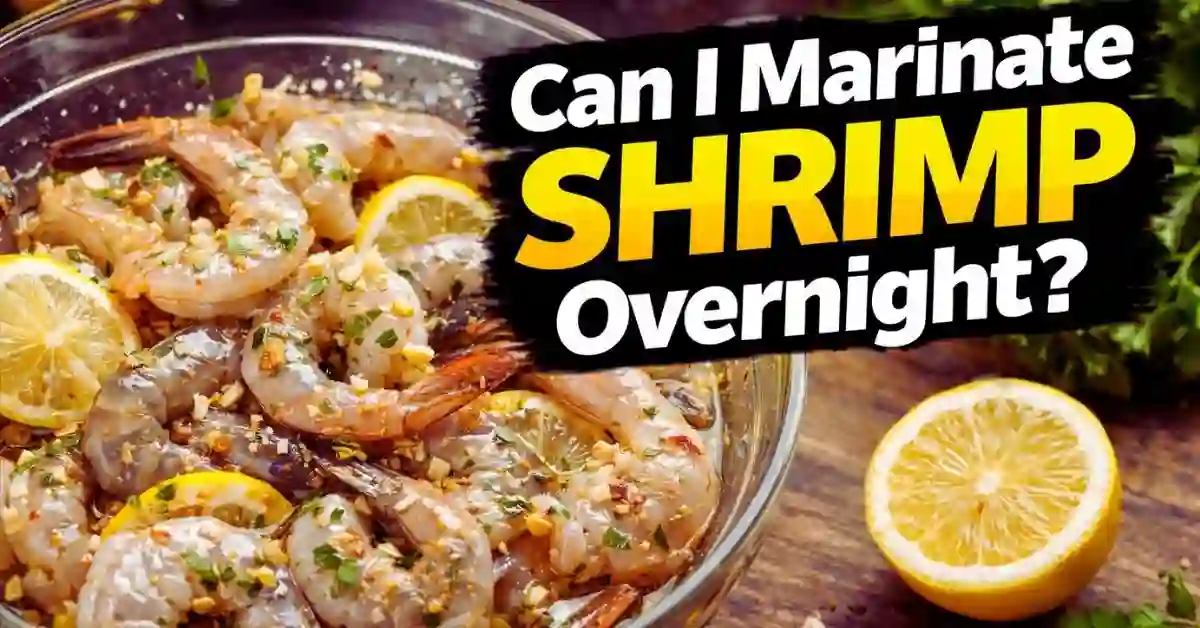
I’ve messed this up before—thought I could prep ahead and asked myself, can I marinate shrimp overnight and save time. Big mistake. The texture changed fast, especially in a hot, humid kitchen like we get in summer.
Shrimp is delicate, more like a quick-use tool than a heavy-duty one. Timing, acid, and even fridge temp all matter if you want that perfect bite—juicy, not mushy.
Why Marinating Shrimp Is Different From Other Proteins
Shrimp is not like chicken or beef. I learned that the hard way. I once thought, can I marinate shrimp overnight and save time. Bad idea.
The next day, the shrimp felt soft and odd. The taste was too sharp. I knew I messed up.
Here is why shrimp is so different:
- Soft texture
Shrimp is very soft. It takes in flavor fast. That sounds good, but it can go too far. Even 30 minutes can be enough. - No need for long marinating
Beef needs time. Chicken does too. Shrimp does not. It is already tender. Long marinating does not help. It just breaks it down. - Very sensitive to acid
Lemon juice, lime, or vinegar can “cook” shrimp. This is like ceviche. The shrimp turns firm, then mushy if left too long.
I still recall that warm night in my kitchen. I mixed shrimp with lime and garlic. It smelled fresh at first. By morning, it looked dull and felt mushy. Not good at all.
That was my lesson. Shrimp needs less time. Keep it short and simple.
Can You Marinate Shrimp Overnight?
Short answer? Yes… but I really don’t recommend it. I tried it once to save time for an easy dinner the next day. It sounded smart at night. It felt like a mistake in the morning.
When I checked the shrimp, the smell was strong. The texture felt off. That’s when I realized shrimp is not made for long marinating.
What Happens If You Marinate Shrimp Too Long
I’ve seen this happen right in my own kitchen.
- Acid starts to “cook” the shrimp
If you use lemon juice or vinegar, it acts like ceviche. The shrimp changes before you even cook it. - The texture goes bad fast
It can turn:- Mushy
- Rubbery
- Slightly chalky
- Flavor gets too strong
The salt and acid take over. You lose that fresh shrimp taste.
One time, I left shrimp in a garlic-lime mix overnight. By morning, it looked pale and felt too soft. I knew it would not cook well.
Safe Overnight Marination (When It Works)
Now, I only do this in a very careful way.
If you still ask, can I marinate shrimp overnight, here is what I follow:
- Use a low-acid or no-acid marinade
Skip lemon, lime, and vinegar. - Go for an oil-based mix
Olive oil, garlic, and herbs work better. - Always keep it in the fridge
Never leave it out, even for a short time.
Even then, I keep it simple. No heavy mix. No strong acid. Just light flavor.
From my experience, short time is always safer. Shrimp works best when you don’t overdo it.
How Long Should You Marinate Shrimp? (Ideal Timing Guide)
Timing is everything with shrimp. I learned this after a few trial-and-error dinners. Once, I left shrimp too long while I got busy with other things. By the time I cooked it, the texture was already off.
Now, I keep it simple. Shrimp does not need hours. It just needs the right amount of time.
Recommended Marinating Times
From my own cooking, these time ranges work best:
- 15–30 minutes → Best for most recipes
This is my go-to. The shrimp stays fresh and juicy. The flavor is light but clean. - 30–60 minutes → Deeper flavor (still safe)
If I want more taste, I let it sit a bit longer. I keep an eye on it though. - 1–2 hours max → Upper safe limit
I only do this if the marinade is mild. No strong acid. Even then, I feel it’s pushing it. - Overnight (8–12 hrs) → Only with mild marinades
If you still wonder, can I marinate shrimp overnight, this is the only time I would try. And only with oil, garlic, and herbs. No lemon or vinegar.
Quick Rule of Thumb
I follow a few simple checks now:
- If it smells strong, it’s done
A sharp smell means it has sat too long. - If it looks opaque before cooking, it’s too long
That means the acid has already started to “cook” it.
One evening, I checked shrimp after an hour. The smell was already strong. I cooked it anyway, but the taste was too heavy. That was enough for me.
Now, I stick to short times. It keeps the shrimp soft, fresh, and easy to cook.
How Long Can Shrimp Marinate in the Fridge?
I used to think the fridge would “save” my shrimp if I left it longer. It felt safe, right? Cold air, closed container, no problem. But I learned fast—time still matters, even in the fridge.
One humid Tuesday night, I prepped shrimp early and left it sitting till the next day. The fridge was cold, but the shrimp still changed. The smell hit me first when I opened the box. Not fresh anymore.
Safe Fridge Marination Limits
Now I follow simple limits based on what’s in the marinade:
- Up to 2 hours (acidic marinade)
If I use lemon, lime, or vinegar, I keep it short. The acid works fast, even in the fridge. - Up to 12 hours (non-acidic marinade)
If it’s just oil, garlic, and herbs, I can stretch the time. But I still don’t push it too far.
If you’re thinking again, can I marinate shrimp overnight, the fridge helps—but it doesn’t stop the breakdown.
Signs It’s Been Too Long
I now trust my senses more than the clock:
- Slimy texture
When I touch it, it feels sticky or too soft. That’s a bad sign. - Strong fishy smell
Fresh shrimp smells light. If it smells sharp, I don’t use it. - Color looks dull or milky
It should look clean and slightly clear. Not cloudy.
I’ve ignored these signs once. Cooked it anyway. Big regret. The taste was off, and the texture was worse.
Now I check first. If anything feels wrong, I stop right there.
Can I Marinate Shrimp for 24 Hours?
I’ve asked myself this before—can I marinate shrimp overnight or even for 24 hours to save time? It sounds like a smart prep idea. I tried it once for a Friday dinner. I wanted everything ready early.
But honestly, it did not go well.
By the next day, the shrimp looked dull. When I touched it, it felt too soft. After cooking, the texture was not right. The flavor was too strong. I knew I pushed it too far.
Here’s what I learned the hard way:
- High risk of texture breakdown
Shrimp does not hold up that long. It starts to break down and lose its bite. - Flavor gets too strong
The marinade takes over. You don’t taste the shrimp anymore.
When It Might Work (Rare Case)
There is one way I’ve tried that works a bit better:
- Use dry seasoning + a little oil only
- No lemon, no vinegar, no yogurt
- Keep it light and simple
Even then, I stay careful. I don’t fully trust the 24-hour mark anymore.
That Friday night taught me a lot. I thought I was saving time. Instead, I had to fix the dish last minute. Since then, I keep shrimp prep short.
For me, less time always gives better results.
Can You Season Shrimp Overnight Instead?
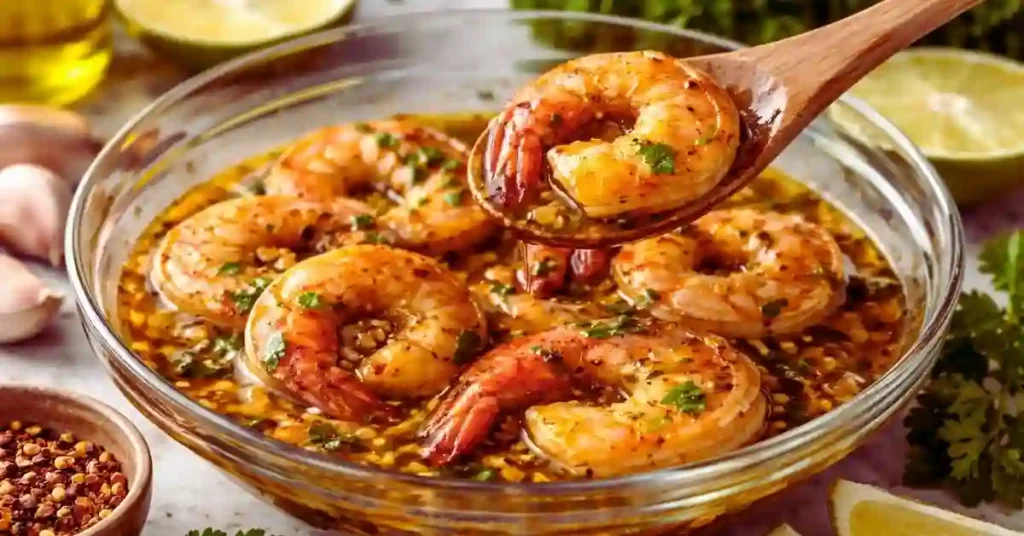
After a few bad tries with long marinating, I changed my approach. I stopped asking only can I marinate shrimp overnight and started thinking—what if I just season it instead?
That small shift made a big difference.
One night, I prepped shrimp late. I was tired and didn’t want to rush the next day. So I used dry spices and a bit of oil. Left it in the fridge. Next day? Much better result. The texture stayed firm. The taste was clean.
Best Overnight Prep Method
This is what I follow now when I need to prep ahead:
- Use dry spices
Simple things like paprika, garlic powder, or black pepper work well. - Add a little salt (not too much)
Just enough for light flavor. Too much can pull out moisture. - Use olive oil
It helps coat the shrimp and carry the flavor. - Avoid strong acids
No lemon juice, no vinegar, no yogurt. These break down the shrimp too fast.
Flavor Benefit
What I like about this method is how gentle it feels.
- The flavor builds slowly
- The shrimp stays firm
- It does not turn mushy
It’s not as bold as a full marinade, but it’s safer. And for me, that trade-off is worth it.
Now, when I plan ahead, I keep it simple. Season, chill, and cook fresh the next day.
How to Marinate Shrimp With Shell On
I did not try shell-on shrimp at first. I always peeled them. It felt easier. But one day, I gave it a shot. I was curious if it would handle marinating better. And honestly, it did.
The shell slows things down. It gives you a bit more room for error. That helped me a lot after my earlier mistakes with over-marinating.
Key Tips
Here’s what I learned from trying it a few times:
- Cut a slit along the back
I use a small knife and make a shallow cut. This helps the marinade get inside. Without this, the flavor stays mostly on the shell. - Marinate a bit longer (30–90 minutes)
Since the shell blocks some of the marinade, I let it sit longer than peeled shrimp. Still, I don’t go too far. - Use bold flavors
Garlic, paprika, chili—these work well. The shell needs stronger flavors to carry through.
One evening, I tried this with garlic and chili oil. The smell while cooking was amazing. Much better than I expected.
Why It Works
After testing it myself, I noticed a few clear benefits:
- Shell protects the shrimp
It slows down how fast the marinade hits the meat. This helps avoid that mushy texture. - Locks in juice while cooking
The shrimp stays moist. It does not dry out as fast in the pan.
Now, when I worry about overdoing it, I sometimes keep the shell on. It gives me a little safety margin. And the taste? Still very good.
How to Cook Perfect Shrimp Every Time
I used to think once I figured out can I marinate shrimp overnight, the hard part was done. But honestly, I’ve ruined just as many shrimp in the pan as I have in the marinade
One evening, I remember standing in my kitchen after a long day. I had done everything right—or so I thought. Good marinade. Right timing. Then I cooked it too long. The shrimp turned rubbery in minutes. That’s when I realized… cooking shrimp is all about timing too.
Cooking Basics
Now, I keep things very simple:
- Cook time: 2–3 minutes per side
I stay close to the pan. Shrimp cooks fast. Even one extra minute can change the texture. - Use high heat (pan, grill, or skillet)
I like that quick sizzle when shrimp hits the pan. It locks in flavor and gives a nice light crust. - Don’t overcrowd the pan
I made this mistake a lot. Too many shrimp = too much moisture. They start steaming instead of searing. Now I cook in batches if needed.
Visual Cues
I don’t rely on the clock alone anymore. I watch the shrimp:
- Pink color
That’s the first sign it’s ready. - Opaque center
No more grey or see-through look. - Slight curl (not a tight “O”)
A gentle curve is perfect. A tight circle means it’s overcooked.
One time, I ignored this and waited “just a bit more.” Big mistake. The shrimp curled too tight and lost that soft bite.
Common Mistakes
Here’s what I’ve learned the hard way:
- Overcooking → rubbery texture
This is the fastest way to ruin shrimp. It goes from perfect to tough in seconds. - Too much marinade in the pan → steaming instead of searing
I now shake off extra marinade before cooking. This small step makes a big difference.
Now, I treat cooking shrimp like a quick task, not something to walk away from. Stay close. Watch it. Flip it fast.
That’s what finally gave me that juicy, tender shrimp I was chasing all along.
Are Shrimp Good for Blood Pressure (BP)?
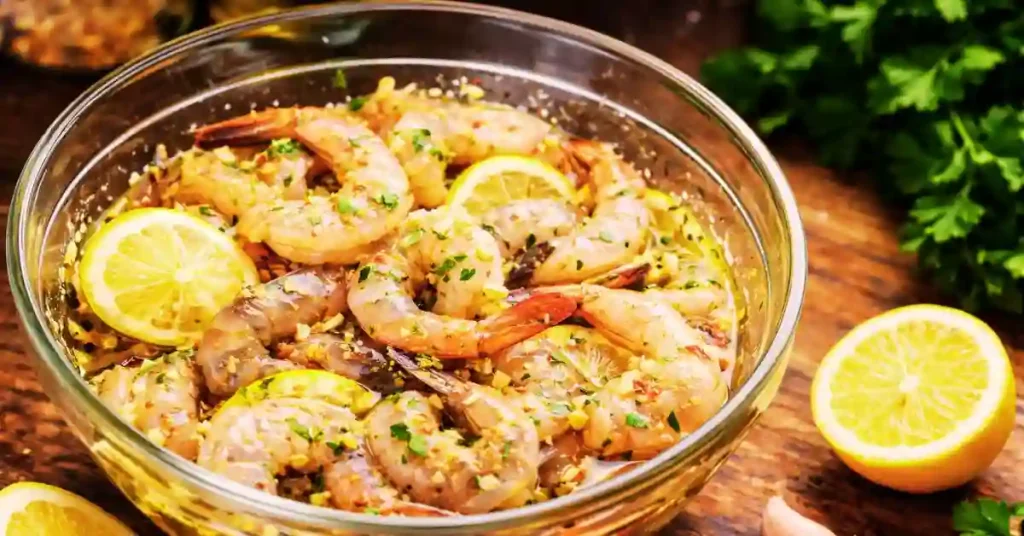
I used to wonder about this myself. After all the trial and error with can I marinate shrimp overnight, I started thinking—okay, but is shrimp even good for my health, especially blood pressure?
One evening, after a salty shrimp dinner, I felt a bit off. Not bad, just heavy. That made me look closer at how I was cooking it, not just how long I marinated it. And honestly, shrimp itself wasn’t the problem—it was what I added to it.
Nutritional Highlights
From what I’ve seen in my own meals, shrimp can actually be a good choice if you keep it simple:
- High in protein
It fills me up without feeling too heavy. - Low in calories
I can eat a decent portion and still feel light. - Contains omega-3 fatty acids
Not as much as fatty fish, but still a nice bonus.
When I cook it plain or lightly seasoned, it feels clean and easy on the body.
Considerations for High Blood Pressure
This is where I had to adjust my habits:
- Watch sodium levels (especially marinades)
I used to add too much soy sauce or salt. That’s what made the dish feel heavy, not the shrimp itself. - Avoid heavy processed sauces
Thick bottled sauces can hide a lot of salt. I try to keep things fresh now. - Best cooked: grilled, steamed, or light sauté
I’ve found these methods keep the flavor without adding extra fat or salt.
One hot afternoon, I made a simple grilled shrimp with just garlic and a little oil. It tasted fresh, not overpowering. That’s when it clicked—shrimp can fit into a blood pressure-friendly diet, but only if I keep it light.
Now, I focus less on heavy marinades and more on balance. And that small shift made a big difference in how I feel after eating.
Best Marinade Ideas for Shrimp (Quick Inspiration)
After all my trial and error with can I marinate shrimp overnight, I realized something simple—shrimp doesn’t need fancy marinades. It just needs the right ones.
Most of my best meals came on busy evenings. You know the kind—late, tired, and hungry. I didn’t have time to think. I just mixed a few things, tossed the shrimp in, and hoped for the best. Some worked great. Some… not so much 😅
Here are the ones I keep going back to.
Simple & Safe Marinades
These are my go-to combos when I want flavor without ruining the texture:
- Garlic + butter + parsley
This one feels warm and comforting. I tried it on a rainy evening, and the smell filled the whole kitchen. Simple, but so good. - Olive oil + paprika + lemon zest
I use zest, not juice. Learned that the hard way. You still get that fresh lemon smell without breaking the shrimp. - Soy sauce + honey + ginger
This is my quick fix when I want something bold. Sweet, salty, and a bit sharp. I just keep the time short.
These mixes are easy. No stress. And they don’t push the shrimp too far.
What to Avoid for Long Marinades
This is where I made most of my mistakes while testing can I marinate shrimp overnight.
- Strong acids
Lemon juice, vinegar—these work fast. Too fast. I’ve seen shrimp turn soft in under an hour. - Too much salt
I once added extra soy sauce thinking it would boost flavor. It just made the shrimp taste heavy. - Dairy-heavy mixes
Yogurt or creamy marinades sound nice, but they don’t sit well for long. Texture gets odd.
One late night, I tried a thick, tangy marinade and left it too long. The next day, the shrimp looked dull and felt off. That was enough for me.
Now, I keep it light. Short time. Simple mix.
And honestly? That’s when shrimp tastes its best.
Final Thoughts (Keeping It Real in the Kitchen)
After all my trial and error with can I marinate shrimp overnight, I’ve learned one thing the hard way—shrimp is easy, but only if you respect it.
I still remember a late Friday night. I rushed, tried to do too much, and left shrimp sitting longer than I should. The result? Soft, dull, and not worth the effort. That was my turning point.
Now, I keep things simple. And honestly, that’s what works best.
Here’s what I follow every time:
- Marinate short, cook fast
Shrimp doesn’t need hours. A little time goes a long way. - Overnight is okay—but only with care
If I ever do it, I keep it mild. No acid. Just oil and light seasoning. - When in doubt: less time is better than more
I trust this rule now. It has saved me more than once.
These days, I don’t try to “perfect” shrimp. I just keep it light, watch it closely, and enjoy the process.
And that’s the real trick—simple steps, good timing, and learning from a few kitchen mistakes along the way
FAQs: Can I Marinate Shrimp Overnight?
1. Can I marinate shrimp overnight safely?
You can marinate shrimp overnight, but it’s risky. Use a mild, oil-based marinade and keep it cold. Avoid acids, or the shrimp may turn soft and lose texture.
2. How long should I marinate shrimp for best results?
For best results, marinate shrimp for 15–30 minutes. You can go up to 1 hour for more flavor. Longer times may affect texture and make shrimp less firm.
3. What happens if shrimp marinates too long?
If shrimp marinates too long, it can turn mushy or rubbery. Acidic ingredients like lemon or vinegar start to “cook” it before heat is even applied.
4. Can I season shrimp overnight instead of marinating?
Yes, seasoning shrimp overnight is safer. Use dry spices and a little oil. This adds flavor slowly without breaking down the shrimp’s texture.5. What is the best marinade for shrimp?
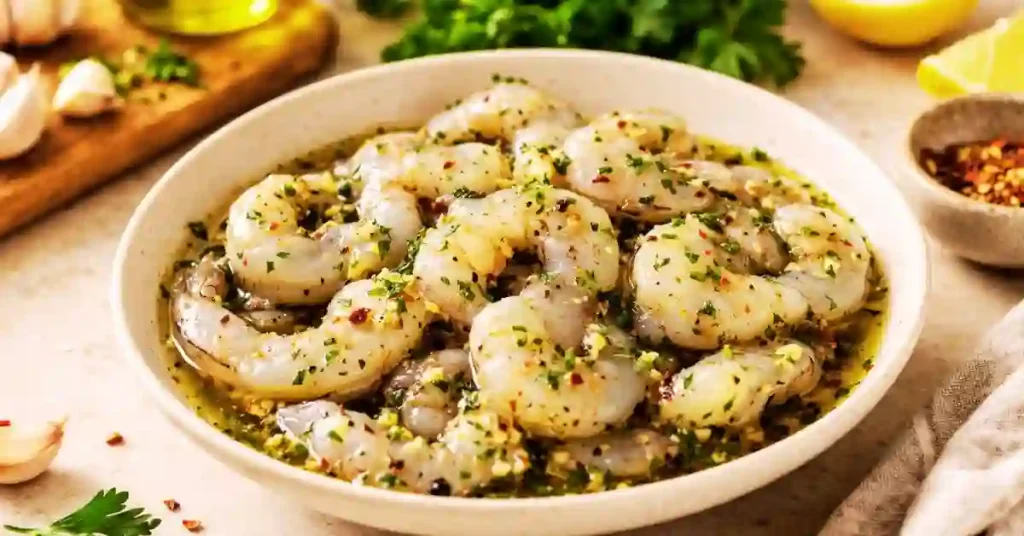
The best shrimp marinade is simple. Try olive oil, garlic, and herbs. Avoid strong acids for long marinating. Simple mixes keep shrimp juicy and balanced.
To Get More About Home & Kitchen Product You Can Visit Our Site. If You Found our Posts Helpful Leave a Comment Below