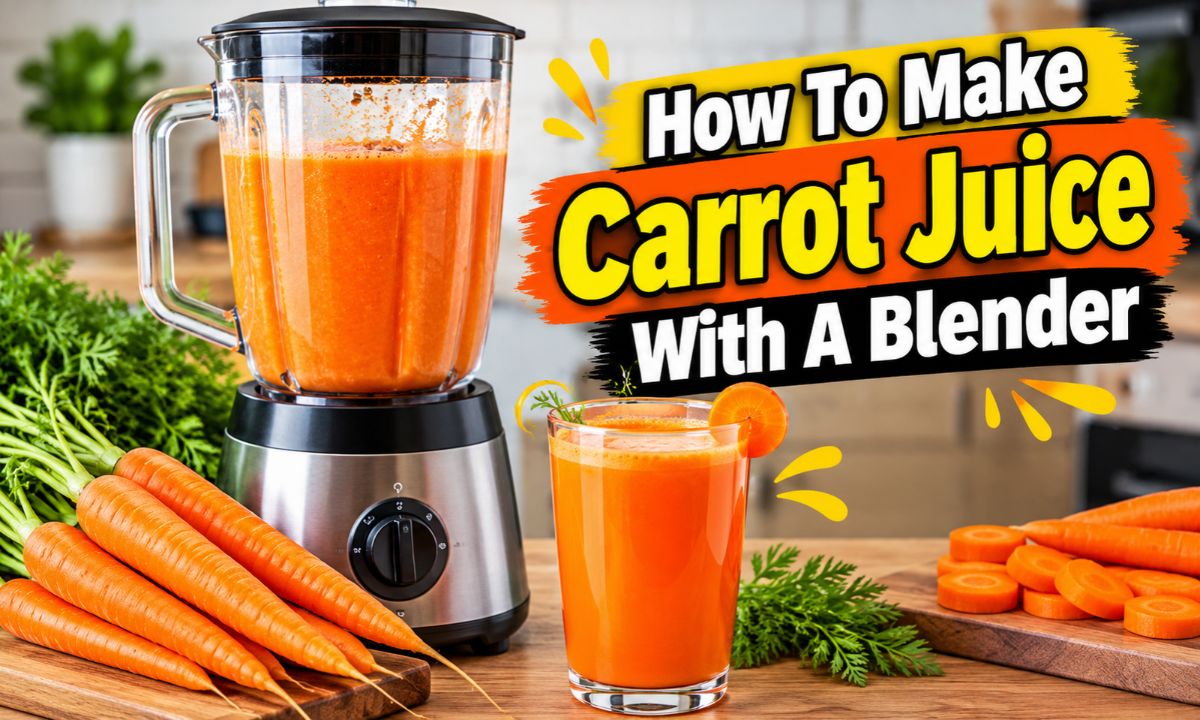
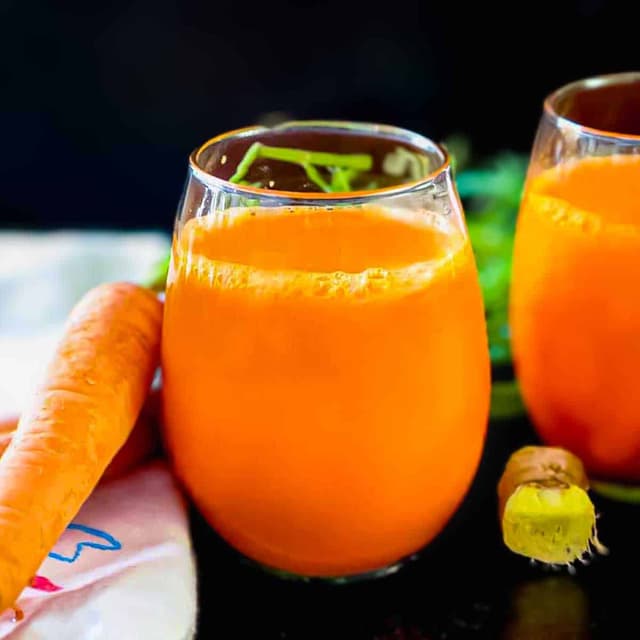
To make carrot juice with a blender, chop fresh carrots, blend them with water, and strain the mixture through a fine sieve or clean cloth.
In American kitchens, a blender can turn fresh carrots from the grocery store or farmers market into a bright, homemade drink without a separate juicer. You need carrots, drinking water, a sharp knife, and a blender. A fine mesh strainer helps remove the pulp if you prefer a smoother drink.
The main trick is to cut the carrots into small pieces and add enough water to help the blades move. Blend in short bursts at first, then run the blender until the mixture looks finely crushed. Strain it if you want a thinner drink, or keep the pulp if you prefer a thicker texture and more of the carrot’s fiber.
You can make carrot juice with basic kitchen tools. A standard countertop blender or a suitable personal blender can work, provided its manual allows the ingredients and the motor can handle the load. You do not need a special juicing attachment.
Fresh carrots are the main ingredient, while water helps the blades move the chopped pieces. A strainer is optional, but it makes a big difference if you want a thin, smooth drink instead of a thick carrot puree.
Source: kitchenably.com
Fresh carrots
Use firm carrots without slimy spots, mold, or a sour smell. Orange carrots are common in US grocery stores, but other edible carrot varieties can also work.
Drinking water
Start with cool water. Add more in small amounts if the blender struggles or the mixture is too thick.
A blender
Choose a blender with a secure lid and a jar large enough for the batch. Follow the manufacturer’s directions for chopping or blending firm vegetables.
A fine mesh strainer
Use one for a lighter texture. A clean, food-safe nut milk bag or thin, clean cloth can also help separate the liquid from the pulp.
A knife and cutting board
Use these to trim and chop the carrots into small pieces before blending.
A clean glass or storage jar
Serve the juice right away or use a clean, covered container to refrigerate any leftover drink.
Ingredients For A Basic Carrot Juice Recipe
This small batch is a useful starting point for one or two servings. The exact yield depends on carrot size, the amount of water, and how much liquid remains in the pulp after straining.
2 cups chopped carrots
Wash, trim, and cut the carrots into small chunks. Peeling is optional when the skin is clean and the carrots are in good condition.
1 cup cold drinking water
Begin with this amount, then add more as needed to help the blades move and reach your preferred consistency.
Optional flavor additions
Try a small piece of fresh ginger, a squeeze of lemon, or a little apple. Start with a small amount so the added flavor does not overpower the carrots.
Should You Peel Carrots Before Blending?
Peeling carrots is not always necessary. If the carrots are fresh and their skin is clean, thorough washing and scrubbing with a clean produce brush may be enough. Remove damaged areas and trim the ends before cutting them.
Peeling can help when the outer skin is rough, dirty, or unattractive. It can also give the finished drink a cleaner appearance, though the final texture depends more on the blender, the amount of water, and whether you strain the pulp.
For a quick everyday drink
Scrub clean carrots well and remove any damaged areas.
For a smoother finish
Peel the carrots if their skin is rough, then strain the blended mixture.
How To Make Carrot Juice With A Blender Step By Step
The basic process is simple: prepare the carrots, blend them with water, strain the mixture if desired, and serve. Work in manageable batches instead of filling the blender jar to the top with hard carrot pieces.
The instructions below use a small batch, but you can scale the recipe up if your blender has enough room. If you have a compact blender, divide the ingredients into smaller portions and follow its load limits.
Source: ambersnaturalnutrition.com
Step 1: Wash the carrots
Rinse the carrots under running water and scrub away visible dirt. Do not use soap or household cleaners on produce.
Step 2: Trim and chop
Cut off the ends and remove damaged areas. Chop the carrots into small, even pieces that your blender can process safely.
Step 3: Add the ingredients
Put the chopped carrots in the blender jar and pour in about 1 cup of water. Keep the jar below its marked maximum fill line.
Step 4: Blend in short bursts
Secure the lid and start at a low speed. Increase the speed as the pieces break down, stopping the motor if the mixture needs to be stirred or more water is needed.
Step 5: Check the texture
Continue blending until the carrots look finely broken down and the mixture flows when the jar is tilted. Add a little water if it is too thick.
Step 6: Strain the mixture
Place a fine mesh strainer over a clean bowl or jug. Pour in the mixture and let the liquid drain, pressing the pulp gently with a spoon if needed.
Step 7: Taste and adjust
Taste the juice before adding anything else. Add a little lemon juice, ginger, or water if you want a different flavor or consistency.
Step 8: Serve
Pour the juice into a clean glass and drink it fresh. Stir it first if it separates while standing.
How To Tell When The Carrots Are Blended Enough
The mixture should look evenly crushed, with no large chunks of carrot moving around the jar. A little graininess is normal because a blender breaks down the whole vegetable rather than extracting only the liquid.
If the blender makes a high-pitched sound, stops moving the ingredients, or leaves large pieces near the blades, stop the motor. Unplug the appliance before using a spatula to move the mixture, and add a little water before blending again. Never put your fingers or a utensil into a running blender.
A good result
The mixture looks finely crushed and pours without large pieces.
A mixture that is too thick
The blades may spin without moving the food. Stop the blender and add a small amount of water.
A mixture that is too watery
Use less water in the next batch, or strain the mixture and let it drain without adding more liquid.
How To Strain Carrot Juice Without A Juicer
A fine mesh strainer is often the easiest option for a home kitchen. Place it over a bowl, pour in the blended carrots, and allow the liquid to pass through. Stir or press the pulp gently to release more liquid, but avoid forcing large pieces through the mesh.
For a finer result, use a clean nut milk bag or food-safe cloth. Pour the mixture into the bag over a bowl, gather the top, and squeeze gently with clean hands. Wash the bag or cloth soon after use because carrot pulp can cling to the fibers.
Fine mesh strainer
A good everyday choice that is easy to rinse and reuse.
Nut milk bag
Useful when you want a smoother liquid and less visible pulp.
No strainer
Keep the blended mixture as a thicker drink if you enjoy the texture and want to retain more of the carrot’s fiber.
How Much Water Should You Add To Carrot Juice?
Water controls how easily the carrots blend and how thick the final drink feels. A useful starting point is 1 cup of water for every 2 cups of chopped carrots, but this is a guide rather than a fixed rule.
Carrots vary in size and moisture, and blender designs differ. Start with less water if you want a concentrated taste, then add more in small amounts until the blades move freely and the drink reaches the texture you like.
Source: qaqooking.wiki
For a thick drink
Use the starting amount of water and add only what the blender needs. Expect a more pulpy result, especially if you do not strain it.
For a thinner drink
Add more water gradually and strain the mixture for a lighter texture.
For a stronger carrot flavor
Use less added water, provided the mixture still moves safely through the blender.
A Simple Ingredient Ratio
Use this table as a starting guide for small batches. These amounts are practical estimates, not guaranteed juice yields, because straining removes pulp and some liquid stays trapped in the fiber.
1 cup chopped carrots
Begin with about 1/2 cup water and add more if the blades cannot move the mixture.
2 cups chopped carrots
Begin with about 1 cup water. This is the base recipe used in this guide.
4 cups chopped carrots
Begin with about 2 cups water only if your blender can safely handle the total volume. Blend in batches when needed.
Why Blender Carrot Juice Can Be Thick
A blender chops the entire carrot into tiny particles. It does not separate liquid from solid matter automatically, so the mixture contains pulp and can resemble a thin puree before straining.
A juicer usually separates much of the liquid from the pulp during extraction. With a blender, you control that separation by adding water and straining the mixture. This means homemade blender juice may have a different taste, body, and yield from juice made in a dedicated juicer.
If you want a juice-like texture
Blend thoroughly, strain through fine mesh, and adjust with water.
If you want more fiber
Leave the pulp in the drink, recognizing that the texture will be thicker.
Easy Carrot Juice Flavor Variations
Plain carrot juice has a mild, earthy sweetness that pairs well with fruit and a few fresh ingredients. Make the basic recipe first, then add one flavor at a time so you can tell which combinations you enjoy.
Wash all produce before cutting it. Remove apple seeds and tough cores where appropriate, peel citrus before blending, and cut firm ingredients into pieces that suit your blender. Add water as needed rather than assuming every combination will blend the same way.
Source: thebutterhalf.com
Carrot and apple
Add half a cored apple for a fruitier taste. The apple contributes natural sweetness and can make the drink taste less earthy.
Carrot and ginger
Add a small piece of peeled fresh ginger. Its sharp flavor can stand out, so begin with less than you think you need.
Carrot and lemon
Stir in a little fresh lemon juice after blending. This adds a tart note without requiring another ingredient to go through the blender.
Carrot and orange
Add peeled orange segments for a citrus flavor. Remove the peel and as much bitter white pith as practical.
Carrot and cucumber
Add a few chunks of washed cucumber for a milder, fresher taste. The added moisture may change how much water you need.
How To Make Carrot Apple Juice
For a simple carrot apple blend, use 2 cups of chopped carrots, half a cored apple, and about 1 cup of water. Blend the carrots and water first, then add the apple pieces and blend again until the mixture is finely crushed.
Strain the mixture if you want a thinner drink. If it is too thick, add water a little at a time. Apples vary in sweetness and tartness, so taste the juice before adding lemon or another flavor.
Choose the apple
A sweet apple makes a milder drink, while a tart apple gives it a sharper taste.
Adjust the texture
Strain for a lighter drink or keep the pulp for a thicker blend.
How To Make Carrot Ginger Juice
Blend 2 cups of chopped carrots with about 1 cup of water and a small piece of peeled ginger. Start with a small amount of ginger because its flavor can quickly dominate the carrots. Blend until the mixture is smooth enough for your preference, then strain if desired.
Ginger gives the drink a warm, spicy taste. It does not make the juice a treatment for illness, and adding more does not guarantee extra health benefits. If you take medicine or have a condition affected by ginger, ask a qualified health professional about whether regular or large amounts are appropriate.
For a mild flavor
Use a very small piece of ginger and taste the drink before adding more.
For a sharper flavor
Add a little more ginger in a later batch rather than adding a large piece at once.
Should You Strain Carrot Juice Or Keep The Pulp?
Strain the juice when you want a thinner drink with less pulp. Keep the pulp when you prefer a thicker texture and want to retain more of the whole carrot. Neither option is automatically right for every person or recipe.
Carrot pulp contains fiber and other components of the vegetable. When you strain the mixture, you remove much of the solid material, and the amount of fiber left in the liquid depends on the strainer and how firmly you press the pulp. Do not assume strained juice provides the same fiber as eating the whole carrot.
Source: qaqooking.wiki
Straining is useful when
You want a lighter drink, dislike gritty textures, or plan to serve the juice to someone who prefers fewer solid particles.
Keeping the pulp is useful when
You enjoy a thicker drink and want to retain more of the carrot’s original fiber.
Using the leftover pulp
Add fresh pulp to a cooked dish only if it has been handled safely and remains fresh. You can mix it into soups, sauces, or baked recipes that suit its texture, but avoid leaving it at room temperature for long periods.
Does Straining Remove All The Nutrients?
Straining mainly removes solid particles, but it can also reduce the amount of nutrients that remain in the drink because some nutrients are present in the discarded pulp. The exact difference depends on the carrots, blending method, strainer, and amount of liquid recovered.
Carrots contain beta-carotene, which the body can convert to vitamin A. Some of this compound remains in the liquid, while some may stay in the pulp. The drink’s nutritional content cannot be calculated accurately from the recipe alone without knowing the ingredients and how much pulp is removed.
For more fiber
Keep the pulp or eat whole carrots alongside your drink.
For a thinner drink
Strain the juice and accept that some fiber and other material will be left behind.
Common Mistakes When Making Carrot Juice
Most problems with homemade carrot juice come from large carrot pieces, too little liquid, overfilling the jar, or expecting a blender to produce clear juice without straining. A few small changes can make the process easier and reduce strain on the appliance.
If the drink does not look right, identify the problem before adding more ingredients. Stop the blender before opening the lid, adjusting the contents, or using a utensil to move the mixture.
Source: qaqooking.wiki
Using large carrot chunks
Large pieces may not break down evenly. Cut the carrots into smaller chunks before blending.
Adding too little water
The blades may spin without moving the mixture. Stop the blender and add a small amount of water.
Adding too much water
The juice may taste weak. Start with less water next time and add only enough to help the mixture move.
Overfilling the jar
Too much food can prevent proper circulation and may cause spills. Follow the blender’s fill limit and work in batches.
Expecting a completely smooth drink
Blending breaks down the carrots but does not remove every particle. Use a fine strainer or food-safe cloth if you want a smoother result.
Leaving the blender running too long
Long blending can warm the mixture and strain the motor. Blend only as needed, using the appliance’s recommended operating time.
Ignoring a burning smell
Switch off and unplug the blender if it smells hot, smokes, or makes an unusual noise. Let it cool and consult the manual before using it again.
Troubleshooting Carrot Juice Texture
Use the symptom as a starting point when the result is not what you expected. Stop the blender before checking the blades, moving food, or adding ingredients.
The mixture is too thick
Add a small amount of water and blend again. If the blades still cannot move the mixture, divide the batch into smaller portions.
The drink is gritty
Blend the mixture more thoroughly if the blender is operating normally, then strain it through fine mesh. A standard blender may not remove every fine particle.
The juice tastes bland
Use less water next time or add a small amount of lemon, apple, or ginger. Taste before adding sugar or other sweeteners.
The juice tastes bitter
Check the carrots for damage or signs of spoilage and discard any questionable produce. If the carrots are fresh, try a different batch or balance the taste with a small amount of apple or orange.
The drink separates
Separation is normal because blended plant particles can settle. Stir the juice before drinking.
The blender stops moving the food
Turn it off and unplug it before adjusting the contents. Add a little water or use a smaller batch, following the appliance instructions.
Is Homemade Carrot Juice Healthy?
Carrot juice can be part of a varied diet, but its nutritional value depends on the ingredients and preparation method. Carrots provide beta-carotene, which the body can convert to vitamin A, a nutrient needed for normal vision, immune function, and other body processes.
A homemade drink made from carrots and water does not need added sugar. Fruit can add sweetness, but it also changes the drink’s carbohydrate content. If you are watching your blood glucose or managing a medical condition, consider the portion size and follow advice tailored to your needs.
Source: qaqooking.wiki
Carrots provide beta-carotene
The body converts beta-carotene into vitamin A as needed. Carrots are one food source of this compound.
Whole carrots provide fiber
A blended drink that retains the pulp keeps more of the original fiber than a drink strained to remove most solids.
Added ingredients change the drink
Apple, orange, and other fruit can change the taste, calories, and natural sugar content. Water thins the drink without adding sugar.
Juice is not a substitute for all whole vegetables
Whole carrots offer a convenient way to eat the vegetable with its fiber intact. A glass of juice does not replace a varied diet.
Can You Drink Carrot Juice Every Day?
Some people can include a modest serving of carrot juice in their daily eating pattern, but the right amount depends on their overall diet, health needs, and whether the juice is strained or mixed with other ingredients. Drinking more is not automatically better.
If you have been told to limit certain nutrients or manage a condition that affects your diet, ask your healthcare professional or registered dietitian about a suitable portion. Do not use carrot juice as a replacement for prescribed treatment or a balanced range of foods.
Keep portions practical
Start with a small glass and consider the rest of your meals and drinks.
Vary your vegetables
Include whole vegetables and other produce rather than relying on one juice every day.
Does Carrot Juice Improve Eyesight?
Carrots supply beta-carotene, which supports vitamin A needs. Vitamin A is important for normal vision, but drinking extra carrot juice does not guarantee sharper eyesight or correct common vision problems.
If you have blurry vision, eye pain, or another change in sight, seek appropriate medical care rather than relying on juice. A nutritious diet supports general health, but it cannot replace an eye examination or treatment when needed.
For normal nutrition
Include carrots as one part of a varied diet.
For vision symptoms
Contact an eye care professional for an assessment instead of trying to treat the problem with juice.
How To Store Homemade Carrot Juice
Fresh carrot juice is best enjoyed soon after blending, but you can refrigerate it if you cannot drink it right away. Pour it into a clean, covered container and place it in the refrigerator promptly rather than leaving it on the counter.
Homemade juice has no validated shelf life for every recipe and kitchen condition. Fresh produce, equipment cleanliness, temperature, and handling all affect how quickly it can spoil, so do not assume that it will remain safe for several days simply because it looks normal.
Source: qaqooking.wiki
Use a clean container
Wash the jar or bottle and its lid before filling it. Avoid touching the inside of the container or lid with unwashed hands.
Refrigerate promptly
Keep the juice cold at 40 degrees Fahrenheit or below. Do not leave it at room temperature for extended periods.
Make small batches
Blend only what you expect to drink soon. Smaller batches can reduce waste and limit the time the juice spends in storage.
Discard questionable juice
Throw it away if you notice mold, an unusual smell, unexpected bubbling, or other signs of spoilage. Do not taste it to decide whether it is safe.
Can You Freeze Carrot Juice?
You can freeze carrot juice in a freezer-safe container if you want to save some for later. Leave room for expansion because liquid grows as it freezes. Smaller portions can be easier to thaw than one large container.
Thaw the juice in the refrigerator and stir it before serving because the texture may change as the liquid and fine particles separate. Freezing can affect quality, and it does not make spoiled juice safe. Do not refreeze juice that has been mishandled or left warm for too long.
Choose a suitable container
Use a freezer-safe jar or container with enough headspace for expansion.
Thaw safely
Place the container in the refrigerator instead of thawing it on the counter.
Check the texture
Stir after thawing. If the smell or appearance suggests spoilage, discard the juice.
How To Clean The Blender After Making Juice
Rinse the blender jar soon after pouring out the juice so carrot pulp does not dry around the blades. Wash the jar, lid, and removable parts according to the manufacturer’s directions, taking care around sharp blades.
Do not immerse the motor base in water. Wipe it with a damp cloth, keep the electrical parts dry, and allow all washed components to dry before storage. Prompt cleaning helps prevent dried pulp and odors from building up.
Rinse right away
Remove loose pulp before it dries.
Handle blades carefully
Follow the manual and keep fingers away from sharp edges.
Dry all parts
Let the jar, lid, and removable pieces dry fully before putting them away.
Blender Carrot Juice Compared With Juicer Carrot Juice
A blender is useful when you already own one and want to make a small batch without buying another appliance. A juicer is designed to separate liquid from much of the solid material during extraction, while a blender breaks the whole carrot into small pieces.
Neither method is always better. The right option depends on the texture you like, the equipment you own, the time you want to spend cleaning, and whether you want to retain more of the carrot pulp.
Source: healthytasteoflife.com
Blender
Works with common kitchen equipment, but usually needs added water and may need a separate straining step for a thin drink.
Juicer
Separates liquid from much of the pulp during extraction, but requires a suitable appliance and cleaning of its parts.
Whole carrots
Require no juicing equipment and retain their original structure and fiber when eaten whole.
Which Method Should You Choose?
Choose a blender if you want to use equipment you already have, adjust the recipe easily, or keep some of the pulp. Choose a juicer if you often make juice and prefer a method that separates liquid from solids as part of the process.
If your main goal is to get more vegetables and fiber into meals, eating whole carrots or keeping the pulp in your blended drink may fit better than straining everything. The best method is the one that suits your eating habits, equipment, and preferred texture.
For occasional juice
A blender is a practical starting point because you can make a small batch with basic tools.
For a thin, pulp-free drink
Blend and strain, or consider a juicer if you make juice often.
For less food waste
Keep the pulp in the drink or use fresh, safely handled pulp in a suitable cooked recipe.
Frequently Asked Questions
Q
Can I make carrot juice in a regular blender?
Yes. Wash and chop the carrots, add water, and blend until the pieces are finely crushed. Strain the mixture if you want a thinner drink. Follow your blender’s instructions and work in small batches if the motor struggles.
Q
Do I need to boil carrots before blending them?
No. You can blend fresh, raw carrots after washing and chopping them. Boiling is not required for this recipe and changes the flavor and texture. If you choose to cook the carrots, let them cool before blending and follow your appliance’s instructions for handling warm ingredients.
Q
Can I make carrot juice without adding water?
You can try, but raw carrots are firm and contain less free liquid than many fruits. A regular blender may struggle to move chopped carrots without added liquid. Add water gradually to help the blades work instead of forcing the motor to run with a stalled mixture.
Q
How many carrots do I need for one glass of juice?
The number depends on carrot size, the amount of water, and how much pulp you strain out. Start with about 2 cups of chopped carrots and 1 cup of water, then see how much liquid the batch produces. Treat this as a starting recipe rather than a guaranteed glass measurement.
Q
Can I drink carrot juice without straining it?
Yes. Leaving the pulp in makes the drink thicker and retains more of the carrot’s fiber. Blend until the pieces are finely broken down, then stir before drinking if the solids settle. If you dislike the texture, strain the juice instead.
Q
Why does my homemade carrot juice taste bitter?
First, check the carrots for spoilage, damage, or an unusual smell. Discard any carrots that seem spoiled. If the produce is fresh, the taste may reflect the variety or the addition of another ingredient. Try a new batch with a small amount of apple or orange if you want a sweeter flavor.
Q
Can I add sugar to carrot juice?
You can, but added sugar is not needed to make the drink. Carrots have a natural sweetness, and apple or orange can add more. Taste the juice first and adjust the flavor with fruit or lemon before deciding whether you need a sweetener.
Q
How long does homemade carrot juice last in the refrigerator?
The exact safe storage time depends on preparation, cleanliness, and refrigeration, so there is no single guaranteed shelf life for every homemade batch. Refrigerate it promptly at 40 degrees Fahrenheit or below in a clean, covered container, and make only what you expect to use soon. Discard juice with signs of spoilage rather than tasting it.
✦ Wrapping Up
Conclusion
Making carrot juice with a blender is a simple way to turn fresh carrots into a homemade drink with basic kitchen tools. Wash and chop the carrots, blend them with water, and strain the mixture if you prefer a smoother texture. Add more water only as needed, and try small amounts of apple, lemon, orange, or ginger to change the flavor.
The main choice is whether to keep the pulp or remove it. Keeping the pulp gives the drink a thicker texture and retains more fiber, while straining makes it lighter and easier to sip. Use clean equipment, refrigerate leftovers promptly, and follow your blender’s instructions when processing firm vegetables.
💡 Key Takeaway
Start with 2 cups of chopped carrots and 1 cup of water. Blend until finely crushed, strain if desired, taste, and adjust the water or flavor before serving.