
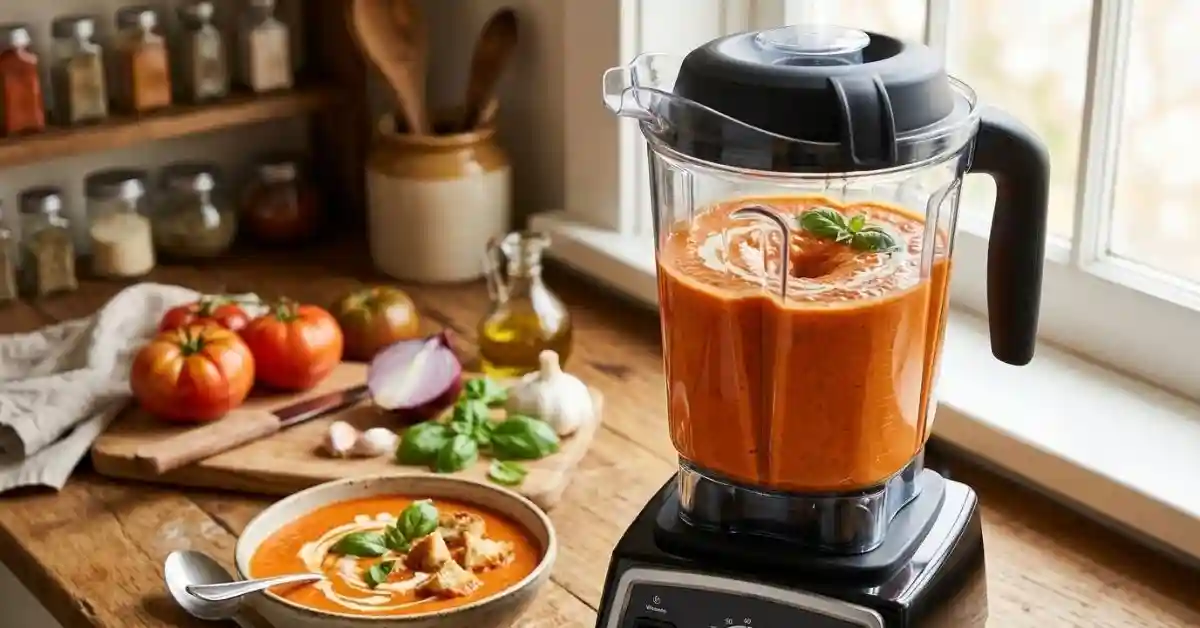
Making soup in a blender is one of those kitchen tricks that sounds too easy at first. But once I learned how to blend cooked veg, broth, and a few simple extras, it became one of my favorite ways to make a quick bowl of soup.
The key is knowing what to blend, how hot it can be, and how much to add at once. In this guide, I’ll walk through how to make soup in a blender, what works best, common mistakes, and how to get smooth soup without a big mess.
Can You Make Soup in a Blender?
Yes, you can make soup in a blender, but the blender usually does not cook the soup. You first cook the vegetables and other ingredients, then blend them with warm broth or another liquid.
I used to think the blender was just for making the soup smooth. It does more than that. A good blender can turn cooked vegetables into a thick, creamy soup without needing cream or lots of oil.
| Blender type | Best use | Main thing to know |
| Countertop blender | Smooth soups | Check if it can handle hot food |
| Immersion blender | Soup in the pot | Less mess and easy to control |
| Personal blender | Small batches | Usually better for cool or warm food |
If you use a countertop blender, check the maker’s guide first. Some blenders are made for hot liquids. Others are not.
How to Make Soup in a Blender Step by Step
The basic method is simple. Cook the food, add liquid, blend, taste, and adjust. I find it easier to get good soup when I treat each step as a small job.
1. Cook the vegetables until soft
Start with vegetables such as carrots, potatoes, pumpkin, squash, tomatoes, cauliflower, or broccoli.
Cook them until they are soft enough for a fork to pass through with little effort. Hard vegetables make the blender work harder and can leave small bits in the soup.
| Vegetable | Good cooking method | Soup result |
| Carrot | Simmer or roast | Sweet and smooth |
| Pumpkin | Roast or simmer | Thick and creamy |
| Tomato | Roast or simmer | Light and rich |
I like roasting some vegetables first. It takes a little longer, but it can add a deeper taste. This is especially useful with tomato, pumpkin, and squash soup.
2. Add broth or another liquid
Next, add your cooked vegetables to the blender with warm broth.
Chicken broth, vegetable broth, and plain water can all work. Start with less liquid than you think you need. You can always add more.
A common mistake is adding too much broth at the start. Thin soup is much harder to fix than thick soup.
| If the soup is… | Add… | Do this slowly |
| Too thick | Broth or water | Add a small splash |
| Too thin | More cooked veg | Blend again |
| Too bland | Salt or herbs | Taste after each change |
3. Blend in small batches
This is the part I pay the most attention to when making hot soup.
Do not fill a blender jar to the top with hot soup. Steam can build up inside the jar. That pressure can force the lid off and send hot soup everywhere.
Let the food cool a bit if your blender does not support hot liquids. If your blender does allow hot blending, follow its fill and vent rules.
For a large pot of soup, blend in batches. It may take a few extra minutes, but it is much safer and easier to control.
4. Blend until smooth
Start on a low speed if your blender allows it. Then slowly increase the speed.
Blend until the soup looks even. For a very smooth soup, give it a little more time. For a rustic soup, stop sooner.
I also check the sides of the jar. Small pieces can stick there and escape the blades. A quick pause and scrape can help.
5. Taste and fix the texture
Once the soup is smooth, taste it.
This is where a good soup often becomes a great one. You may need a little salt, pepper, lemon juice, broth, or a small amount of cream.
| Problem | What I would try first |
| Bland | Add a little salt |
| Too thick | Add warm broth |
| Too rich | Add lemon or water |
| Too sweet | Add salt or a little acid |
| Too thin | Add more cooked vegetables |
Do not add lots of seasoning at once. Small changes are easier to control.
What Ingredients Work Best in Blender Soup?
Almost any soft cooked vegetable can work, but some give a much better texture than others.
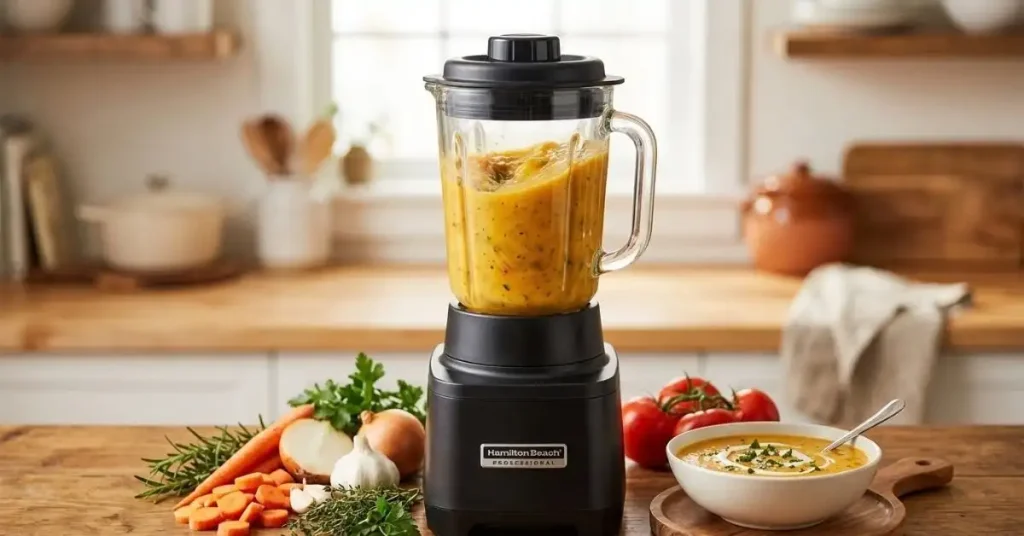
Potatoes, pumpkin, carrots, squash, tomatoes, cauliflower, and beans are great choices. They break down well and can give the soup body.
Vegetables that make thick, creamy soup
Potatoes and pumpkin are useful when you want a thick soup. They can give you a creamy feel without adding much cream.
Cauliflower is another good choice. It blends into a smooth soup and has a mild taste, so herbs and spices can stand out.
Add beans for more body
Cooked white beans, chickpeas, or lentils can make soup thicker and more filling.
They also help when you want a creamy texture without using dairy.
| Ingredient | What it adds |
| Potato | Thick texture |
| White beans | Body and fullness |
| Pumpkin | Sweet, smooth texture |
How to Make Soup in a Blender Without Cream
You do not need cream to make a creamy soup.
The trick is to use ingredients that blend into a smooth base. Potato, pumpkin, beans, cauliflower, and cooked lentils can all help.
I prefer this approach when I want a lighter soup. The soup can still feel rich without becoming heavy.
A small amount of olive oil can also help. Add it while blending or stir it in near the end.
For extra flavor, try garlic, onion, black pepper, thyme, basil, cumin, or a little lemon juice.
Can You Put Hot Soup in a Blender?
This is where you should slow down.
Do not assume every blender is safe for hot soup. Some models are designed for hot liquids. Others are not. Always check the blender instructions before blending hot food.
If hot blending is allowed, do not overfill the jar. Leave room for steam. Use the lid and vent exactly as the maker suggests.
If hot blending is not allowed, let the soup cool before blending. You can then warm the blended soup in a pot.
| Situation | Safer approach |
| Blender allows hot liquids | Follow its hot-fill limits |
| Blender does not allow hot liquids | Cool soup first |
| Unsure about your model | Check the manual |
One lesson I would not skip is this: steam needs room to escape. A sealed jar full of very hot soup is not a setup I would gamble with.
Blender Soup Mistakes I Would Avoid
The first few times you make soup in a blender, it is easy to focus only on getting a smooth texture. There are a few other things that matter just as much.
Overfilling the blender
This is one of the easiest mistakes to make.
You see a full pot of soup and want to finish it in one go. But too much food makes blending harder. It also leaves less room for liquid and movement.
Small batches usually give better results.
Adding too much liquid
I learned to start thick and thin the soup later.
If the soup is too thick, add broth. If it is already watery, you have fewer easy fixes.
Blending dry ingredients
A blender needs enough liquid to move the food around.
Do not throw a pile of cooked vegetables into the jar with almost no liquid and expect a smooth result. The blades may spin while the food sits around them.
| Mistake | Why it causes trouble | Better move |
| Full hot jar | Steam and pressure | Blend in batches |
| Too much broth | Thin soup | Add liquid slowly |
| Too little liquid | Poor blending | Add enough to move food |
How to Get Extra-Smooth Soup
If you want restaurant-style smooth soup, blending time matters.
First, cook the vegetables until very soft. Then blend long enough to break down the small pieces.
A high-speed blender can help, but you do not always need one. A regular blender can make very good soup when the food is cooked well.
For an ultra-smooth finish, you can pour the soup through a fine strainer after blending. I only do this when I want a very fine texture because it adds another step and leaves some food behind.
Add flavor after blending
Some flavors become softer during blending. Taste the soup again after it is smooth.
A little lemon juice can wake up a heavy soup. Fresh herbs can add a clean taste. Black pepper can add a mild kick.
The goal is not to throw in more seasoning. It is to make small changes until the soup tastes balanced.
Can You Make Soup in an Immersion Blender?
Yes. An immersion blender is often the easiest tool for soup.
Instead of moving the soup into a blender jar, you place the immersion blender right into the pot. This can save time and reduce dishes.
The main catch is that you still need to be careful with hot soup. Keep the blade below the surface to reduce splashes.
| Tool | Main benefit | Main drawback |
| Countertop blender | Very smooth soup | More cleanup |
| Immersion blender | Easy in the pot | May leave small bits |
| Food processor | Good for some thick mixes | Not ideal for hot liquids |
For a quick weeknight soup, I often like the immersion blender approach. For very smooth soup, a countertop blender can give a finer finish.
Easy Blender Soup Ideas to Try
Once you understand the basic method, you can change the ingredients without changing the process.
Tomato soup
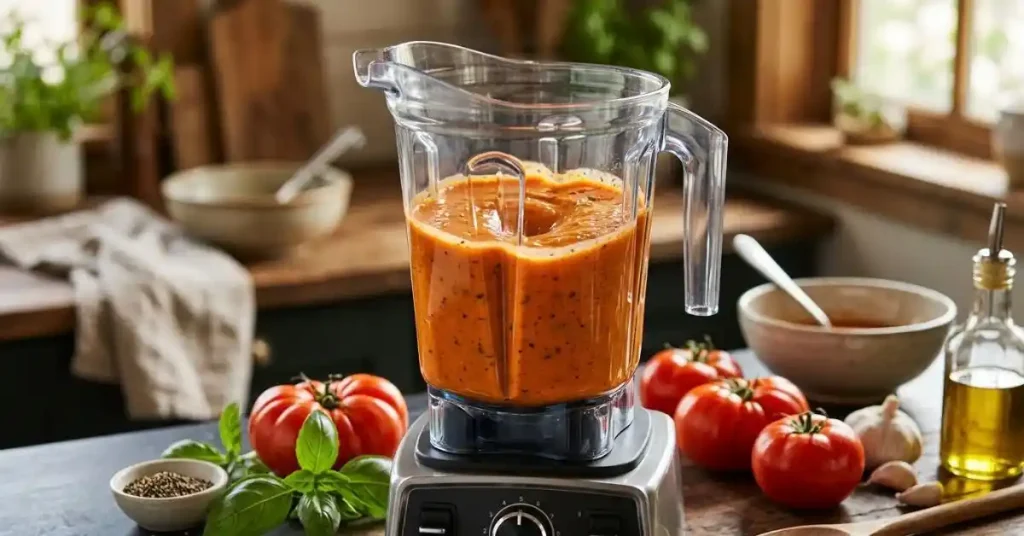
Cook tomatoes with onion and garlic. Add broth and blend until smooth. A little basil and black pepper work well at the end.
For a richer taste, roast the tomatoes first.
Pumpkin soup
Cook pumpkin with onion, broth, and a little garlic. Blend until smooth.
Cumin, ginger, or black pepper can work well here. Start with a small amount because pumpkin has a mild, sweet taste.
Carrot soup
Cook carrots with onion and broth. Blend until smooth.
A little ginger can give carrot soup a fresh taste. You can also add a small amount of lemon juice before serving.
| Soup | Helpful flavor pair |
| Tomato | Basil and garlic |
| Pumpkin | Ginger or cumin |
| Carrot | Ginger and lemon |
How to Fix Blender Soup That Goes Wrong
Not every batch comes out right. The good news is that most soup problems are easy to fix.
If it is too thick, add warm broth. If it is too thin, add more cooked vegetables or beans.
If it tastes flat, check the salt first. If it tastes too rich, a little lemon juice can help.
| Soup problem | Simple fix |
| Lumpy | Blend longer or strain |
| Too thin | Add cooked veg |
| Too thick | Add broth |
| Flat taste | Add salt or acid |
Do not panic if the first taste is not perfect. Soup is easy to adjust because the flavor changes are usually gradual.
My Simple Blender Soup Formula
When I do not want to follow a recipe, I use a simple pattern.
Start with cooked vegetables. Add enough broth to help them blend. Add a little seasoning. Blend. Taste. Then adjust.
That is really the heart of how to make soup in a blender.
You can change the vegetables based on what you have in the fridge. This is one reason I like blender soup. A few soft vegetables that look a little tired can still become a useful meal.
The key is balance. You need enough liquid for the blades to work, but not so much that the soup loses its body.
Final Thoughts
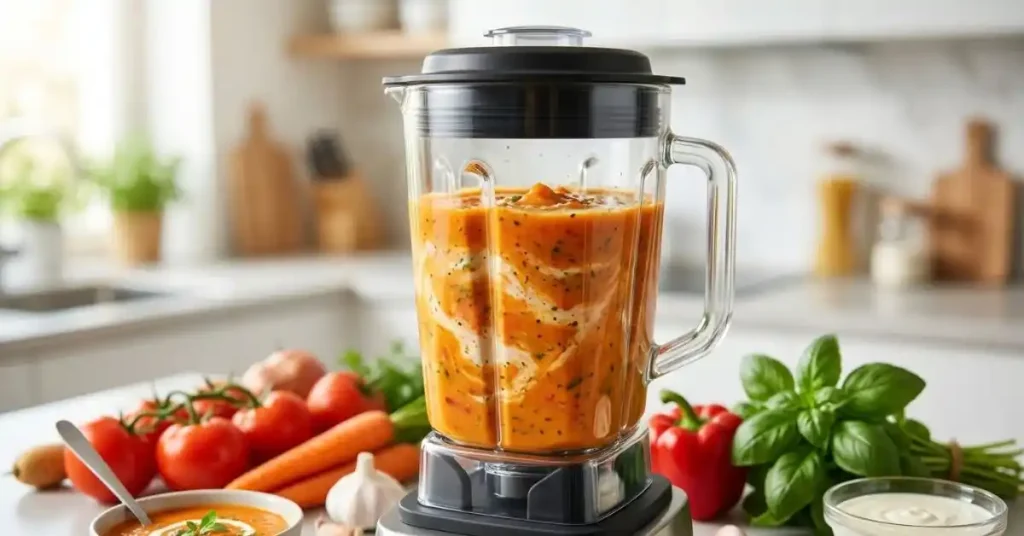
Learning how to make soup in a blender is less about a perfect recipe and more about getting a few basic steps right. Cook the vegetables well, use enough liquid, blend in safe batches, and adjust the taste at the end.
My biggest takeaway is to avoid rushing the blending step. Hot soup needs care, and small batches are worth the extra effort. Once you get comfortable with the method, you can make tomato, pumpkin, carrot, bean, and many other soups with very little fuss.
To Get More About Home, Kitchen Accessories Product You Can Visit Our Site. If You Found our Posts Helpful Leave a Comment Below