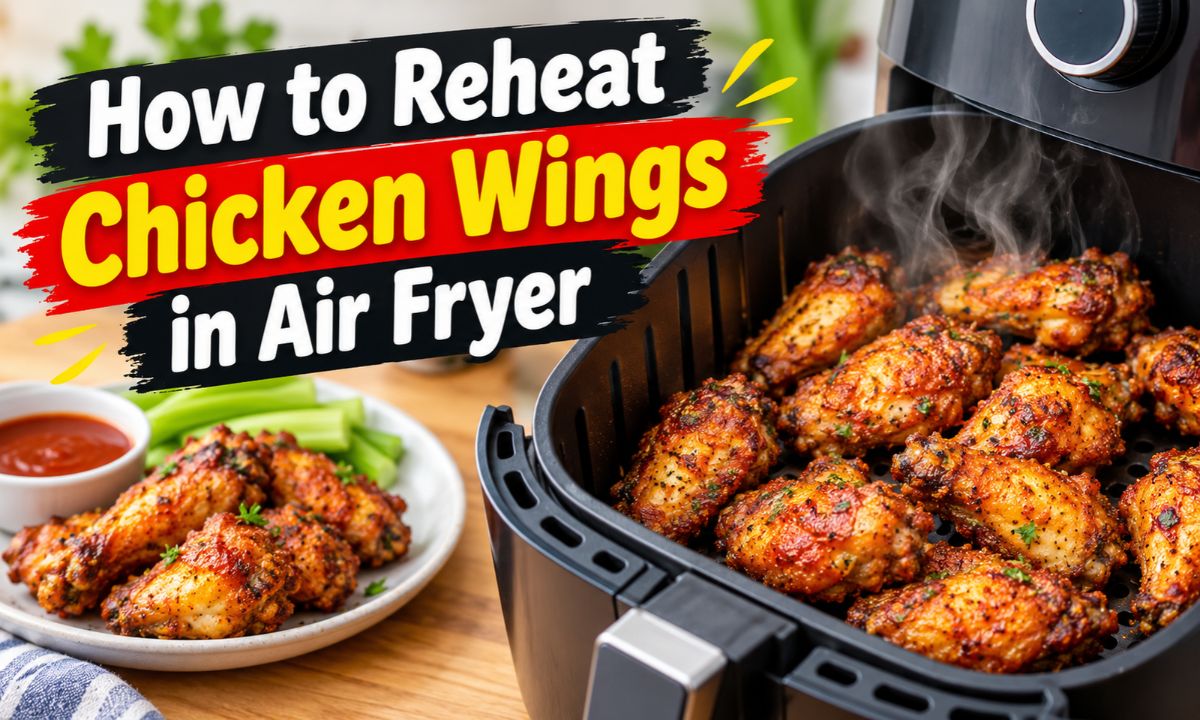
Reheat chicken wings in an air fryer at 350°F for 4 to 6 minutes, turning halfway, until the center reaches 165°F.
Across American homes, leftover chicken wings are a familiar sight after football games, family dinners, takeout nights, and weekend cookouts. The trouble starts the next day. Cold wings can taste dry, and a microwave can leave the skin soft instead of crisp. An air fryer offers a simple way to warm them while bringing back some of their original crunch.
For most cooked, refrigerated wings, start by preheating the air fryer to 350°F. Arrange the wings in one layer and heat them for 4 to 6 minutes, turning them halfway through. Larger wings or a crowded basket may need more time, so check the center with a food thermometer and make sure it reaches 165°F before serving.
The best approach depends on the wings you have. Plain fried wings, breaded wings, and dry-rub wings often crisp up well with a little hot air around them. Sauced wings need closer attention because sugary sauces can darken quickly. With a few simple adjustments, you can make leftover wings hot, tasty, and crisp without cooking them until they become tough.
Why an Air Fryer Works Well for Leftover Chicken Wings
An air fryer uses a heating element and a fan to move hot air around food. This airflow helps remove surface moisture and warms the wings without submerging them in oil. The result can be a crisp outer layer with tender meat inside.
A microwave heats food quickly, but it can make chicken skin soft and chewy. An oven can also restore some crispness, though it often takes longer to preheat and heat a small serving. An air fryer is useful when you want just a few wings ready for lunch or a quick snack.
The texture will not always match freshly cooked wings. Refrigeration changes the skin and coating, and sauce can soak into the surface over time. Still, the right heat and a little space in the basket can improve the texture without adding much oil.
Source: rachnacooks.com
Fast reheating
A small batch often heats in just a few minutes, although the exact time depends on wing size, starting temperature, and air fryer design.
Crisper skin
Moving hot air helps dry the surface, which can restore some crunch to fried, roasted, and dry-rub wings.
Little added oil
Most cooked wings already contain enough fat for reheating. A light oil spray is optional when the skin looks dry.
Easy portion control
You can reheat a few wings without warming a whole oven, which is useful for snacks and small meals.
What Affects the Final Texture?
The original cooking method matters. Deep-fried wings often have a different coating from roasted or grilled wings, so they may respond differently to reheating. Breaded wings can crisp well, while wings with wet sauce may remain a little sticky.
Moisture is another factor. Wings stored in a tightly closed container may develop condensation, which softens the skin. Patting away excess moisture before reheating can help, but do not rinse cooked chicken because rinsing can spread germs around the sink.
The amount of food in the basket also matters. A few wings can heat quickly, while a full basket may block airflow and leave some pieces cooler than others. Work in batches when needed.
Wing size
Large drumettes and thick pieces may need extra heating time compared with small flats.
Coating and sauce
Dry coatings usually tolerate direct heat better than thick sauces with sugar or honey.
Starting temperature
Refrigerator-cold wings need more time than wings that have been kept warm safely during a meal.
Best Temperature and Time for Reheating Chicken Wings
For most refrigerated chicken wings, 350°F is a good starting point. Heat them for 4 to 6 minutes, turn them halfway through, and then check their temperature and texture. If the center is still cool, continue heating in short intervals until the wings are hot throughout.
The time is a starting estimate, not a guarantee. Air fryers vary in fan strength, basket shape, and heat control. The number and size of wings also affect how quickly they warm up, so use the clock as a guide rather than the final safety check.
Higher heat may crisp the surface faster, but it can also burn the outside before the center warms. Lower heat may warm thick wings more gently, but it can take longer to restore crispness. Starting at a moderate temperature gives you more control over both texture and heat.
Source: recipesfromapantry.com
Temperature
Start at 350°F for a balance between warming the meat and crisping the skin.
Initial heating time
Allow about 4 to 6 minutes for a small batch of refrigerated wings, then check and add time as needed.
Turning
Turn or shake the wings halfway through so the exposed sides heat more evenly.
Safe center temperature
Reheated leftovers should reach 165°F in the thickest part, measured with a food thermometer without touching the bone.
Quick Time and Temperature Guide
Use this table as a practical starting point for refrigerated, fully cooked wings. The times are estimates rather than verified results for every air fryer model. Always check the center temperature before serving.
Plain or dry-rub wings
Try 350°F for 4 to 6 minutes, turning halfway. Add short intervals if the wings are thick or the skin needs more crispness.
Breaded wings
Start at 350°F for 4 to 6 minutes. Check that the coating is crisp and the center is hot before serving.
Buffalo or other sauced wings
Start at 325°F to 350°F for about 4 minutes, then check often. Thick or sugary sauce may darken quickly, so use shorter intervals if needed.
Large or meaty wings
Begin at 350°F for 6 minutes, then check the center. Continue heating until the meat reaches 165°F.
Should You Preheat the Air Fryer?
Preheating can help the wings begin heating as soon as they enter the basket. If your air fryer manual recommends preheating, follow its directions. A short preheat of about 2 to 3 minutes at the target temperature is a practical starting point when the appliance does not have an automatic preheat cycle.
Some air fryers heat quickly and do not need a separate preheat step for such a small task. If you skip preheating, the wings may need a little more time. Check their temperature and texture rather than assuming the same timing will work in every appliance.
Preheated basket
Can help the skin begin crisping sooner and make timing more consistent.
Cold basket
Can still work well, but the total heating time may be longer.
Step-by-Step: How to Reheat Chicken Wings in an Air Fryer
The best way to reheat chicken wings is to prepare them properly, leave room for airflow, and check them before serving. You do not need a complicated recipe or a long list of ingredients. A clean air fryer basket, leftover wings, and a food thermometer are enough to get started.
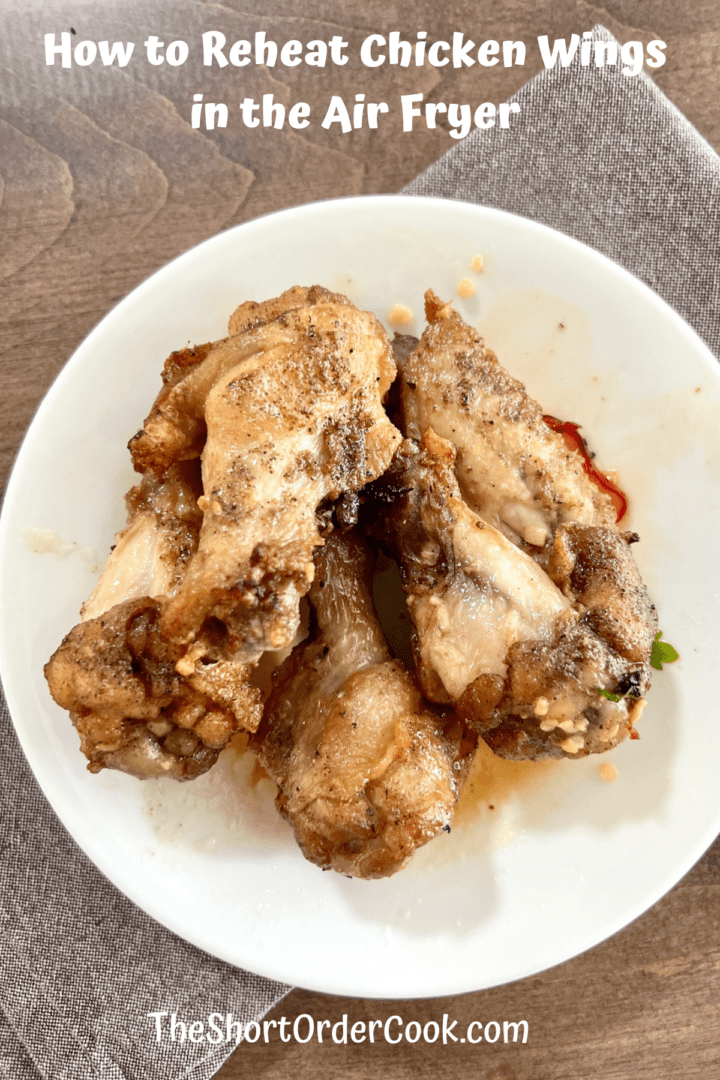
Source: theshortordercook.com
Step 1: Check the leftovers
Use wings that were refrigerated promptly and stored in a covered container. Do not reheat chicken that has an unusual odor, slimy texture, or a questionable storage history. Remember that harmful bacteria may not cause a noticeable smell or appearance change.
Step 2: Preheat the air fryer
Set the appliance to 350°F. If the manual recommends preheating, follow its instructions. A short preheat can help the wings begin warming right away.
Step 3: Prepare the wings
If the wings have visible moisture on the surface, gently blot it with a clean paper towel. Leave dry-rub seasoning in place. Do not add extra sauce yet if the wings already have a thick or sugary coating.
Step 4: Arrange the wings
Place the wings in a single layer in the basket. Leave small gaps between pieces so the hot air can circulate. If you have many wings, cook them in batches instead of stacking them.
Step 5: Heat the first side
Cook the wings for about 2 to 3 minutes, then open the basket carefully. The exact time depends on your air fryer and the size of the pieces.
Step 6: Turn the wings
Use tongs to turn the wings. Avoid touching hot surfaces, and do not shake the basket so hard that sauce or hot grease spills.
Step 7: Finish heating
Cook for another 2 to 3 minutes, then inspect the wings. If they need more time, continue in short intervals and check again.
Step 8: Check the center
Insert a food thermometer into the thickest part of the meat without touching the bone. The temperature must reach 165°F. Check more than one large piece if the wings vary in size.
Step 9: Add sauce and serve
If you held back extra sauce, toss the hot wings with a small amount just before serving. Serve promptly for the best texture.
How to Tell When the Wings Are Ready
Ready wings should feel hot throughout, with a surface that is dry or crisp enough for your preference. The skin may sizzle slightly, and the coating should not look wet from trapped steam. However, appearance alone cannot confirm that the center is safe to eat.
A food thermometer provides the most useful check. Insert it into the thickest part of a wing, keeping the tip away from bone. If the reading is below 165°F, return the wings to the air fryer and check again after a short interval.
Crisp surface
The outside feels firmer and less damp than it did when the wings came out of the refrigerator.
Hot center
The meat reaches 165°F throughout the thickest area.
No burnt coating
The outside has not become dark or bitter while the center is still warming.
How to Keep Chicken Wings Crispy Without Drying Them Out
To keep reheated wings crisp, focus on airflow, surface moisture, and moderate heat. The goal is to warm the meat while drying the outside just enough to improve its texture. More heat is not always better, because prolonged cooking can make the meat tough and dry.
Wings often need little or no extra oil. Their skin may already contain enough fat to help it crisp. If the surface looks very dry, a light mist of cooking oil may help, but avoid soaking the wings or filling the basket with excess oil.
Serve the wings soon after reheating. As hot food sits, steam can soften the crisp surface. Keep wet dips and extra sauce on the side until you are ready to eat.
Source: thirtysomethingsupermom.com
Leave space around each wing
Air needs room to move around the skin. A crowded basket can create damp spots and uneven heating.
Blot excess moisture
A light pat with a clean paper towel can help when condensation has collected on the surface.
Avoid excess oil
A thin spray is usually enough if extra oil is needed. Too much oil can make the wings greasy.
Use short heating intervals
Check the wings often near the end. This makes it easier to stop once they are hot and crisp enough.
Keep the basket clean
Old crumbs and burnt sauce can smoke and affect the taste of fresh leftovers.
Should You Use Cooking Spray?
Cooking spray is optional when reheating chicken wings. If the skin already looks slightly oily, skip it. If the wings have a dry surface, a small amount of oil may help the exterior brown and crisp.
Check your air fryer’s manual before using aerosol sprays. Some sprays contain additives that may damage certain nonstick coatings over time. When in doubt, use a small amount of suitable cooking oil applied with a brush or an oil mister.
For naturally fatty wings
No extra oil is usually needed.
For dry, lean pieces
A light coating may improve the surface without making the wings greasy.
Can You Use Parchment Paper or Foil?
A bare basket usually gives the best airflow around chicken wings. Parchment or foil can block some of that airflow, particularly when it covers most of the basket. Use a liner only if your appliance manual permits it and the liner is designed for the temperature and cooking method.
Never put loose parchment paper or foil in a running air fryer without food weighing it down. The fan can lift a loose liner toward the heating element, creating a fire risk. Keep any liner clear of the heating element and follow the appliance manufacturer’s directions.
Best for crispness
Use the basket without a liner when practical.
If using a liner
Choose a suitable product, follow the manual, and make sure it cannot lift into the heating element.
How to Reheat Different Types of Chicken Wings
Different wing styles need slightly different handling. Plain fried wings and dry-rub wings can often tolerate direct heat, while wings covered in sticky sauce may need a gentler approach. Use 350°F as the starting point for most refrigerated wings, then adjust based on the coating and the size of the pieces.
Source: vinotecarestaurant.com
Plain fried wings
Heat at 350°F for about 4 to 6 minutes, turning halfway. Check the center and add time if needed.
Buffalo wings
Start at 325°F to 350°F and check early. A thinner hot sauce may tolerate direct heating better than a thick sauce with butter or added sugar.
Honey barbecue wings
Use moderate heat and watch closely because sugary sauce can darken or burn. If the coating is very thick, remove some excess sauce before reheating and add fresh sauce afterward.
Dry-rub wings
Heat at 350°F for about 4 to 6 minutes. Avoid adding oil unless the surface is especially dry.
Breaded wings
Arrange them in a single layer and turn carefully to protect the coating. Check early so the breading does not become too dark.
Grilled or smoked wings
Start at 325°F to 350°F and heat until the center reaches 165°F. The skin may crisp differently from fried wings, and longer heating can dry the meat.
How to Reheat Wings With a Thick Sauce
Thick sauce can act as a barrier between the hot air and the skin. It may also contain sugar that darkens before the meat is fully heated. For these wings, use a moderate temperature and inspect the coating frequently.
If the sauce looks heavy, gently scrape off some excess without removing all the flavor. Reheat the wings, confirm that they reach 165°F, and toss them with a little fresh sauce afterward. This approach can give you a better balance between a warm center and a flavorful finish.
Start with less sauce
Removing excess sticky sauce can reduce burning during reheating.
Watch the color
Darkening or blackened patches may mean the sauce is burning. Lower the temperature if needed and keep checking.
Finish with fresh sauce
Adding a small amount after reheating restores flavor without exposing the fresh sauce to prolonged heat.
How to Reheat Frozen Cooked Chicken Wings
For the best texture and more even heating, thaw cooked wings in the refrigerator before reheating. This allows you to use a shorter, more predictable cooking time and makes it easier to warm the center without overcooking the surface.
If you reheat frozen cooked wings directly, follow the food manufacturer’s instructions when available. Expect them to need more time than refrigerated wings, and check the thickest part of several pieces. The center must reach 165°F before serving. Do not rely on the outside color to decide when frozen wings are ready.
Preferred method
Thaw in the refrigerator, then reheat at 350°F until the center reaches 165°F.
Direct from frozen
Use the package or appliance guidance when available, allow extra time, and verify the center temperature.
Food Safety: Store and Reheat Leftover Wings Correctly
Safe storage matters just as much as crisp skin. Cooked chicken wings should be refrigerated within two hours of cooking or serving, or within one hour when the surrounding temperature is above 90°F. Divide large portions into shallow containers so the food can cool quickly in the refrigerator.
Keep cooked wings in a refrigerator set at 40°F or below. Properly refrigerated cooked chicken leftovers are generally suitable for three to four days. If you cannot eat them within that time, freeze them promptly rather than leaving them in the refrigerator for longer.
Reheating does not make every improperly stored leftover safe. Some bacteria can produce toxins that may remain even after heating. If the wings sat out too long or you do not know how they were stored, the safest choice is to discard them.
Source: kitchenwink.com
Refrigerate promptly
Put leftovers away within two hours, or within one hour when temperatures exceed 90°F.
Use shallow containers
Smaller portions cool more quickly than a large, deep pile of hot chicken.
Follow the storage window
Use refrigerated cooked chicken leftovers within three to four days.
Reach 165°F
Reheat leftovers to 165°F throughout, checking the thickest part with a food thermometer.
Avoid repeated warming
Reheat only the amount you plan to eat. Return unused portions to safe storage promptly, and avoid repeatedly warming and cooling the same batch.
Can You Reheat Chicken Wings More Than Once?
The safest and simplest practice is to reheat only the portion you intend to eat. Each round of warming and cooling creates another chance for unsafe handling, and repeated heating can make the meat dry and tough.
If the wings were handled and stored safely, heating them to 165°F is the key temperature requirement for reheated leftovers. However, this does not erase a history of unsafe storage. When the storage time is uncertain, do not try to rescue the food by heating it longer.
Reheat small portions
Take out only what you need instead of warming the entire container.
Return leftovers promptly
Do not leave the remaining wings on the counter while eating.
Can You Put Cold Wings Straight Into the Air Fryer?
Yes. Properly refrigerated wings can go straight into a preheated air fryer. You do not need to leave cooked chicken on the counter to reach room temperature before reheating.
Cold wings may need extra time, particularly if they are large or crowded together. Start with the usual timing, then use a thermometer to confirm that the center reaches 165°F.
Skip counter warming
Reheat refrigerated wings directly rather than leaving them out for an extended period.
Allow for size differences
Check the largest pieces first and continue heating if their centers are not hot enough.
Common Mistakes When Reheating Chicken Wings
Most reheating problems come from too much food in the basket, excessive heat, or stopping before the center is hot. A few small changes can improve the result without adding much work. If the wings are not turning out as expected, identify the problem before changing the temperature or cooking time.
Source: theshortordercook.com
Overcrowding the basket
Wings piled on top of one another block airflow. Arrange them in one layer and work in batches if necessary.
Using heat that is too high
Very high heat can burn the skin or sauce while the center remains cold. Start at 350°F and adjust carefully.
Heating for too long
Excessive heating drives moisture from the meat. Check early and add time in short intervals.
Skipping the temperature check
A browned exterior does not prove the center is safe. Confirm 165°F with a food thermometer.
Adding too much sauce
A thick layer of sugary sauce may burn or stay sticky. Reheat with less sauce when practical and add a fresh coating afterward.
Using a dirty basket
Old crumbs and burnt sauce can smoke and leave unwanted flavors. Clean the basket according to the appliance manual.
Covering the whole basket
A liner that blocks airflow can prevent even crisping. Use a bare basket when possible and follow the manufacturer’s safety instructions.
Troubleshooting: Wings Are Still Soggy
Soggy wings often have too much surface moisture or too little airflow. Blot excess moisture, separate the pieces, and heat them for another minute or two at 350°F. Check the skin between intervals so it does not become overly dry.
If the wings are heavily coated in sauce, a crisp surface may not be possible without removing some of the coating. You can still warm the meat safely and add a smaller amount of sauce at the end.
What to do
Space the wings apart, remove excess moisture, and continue heating in short intervals.
Troubleshooting: Wings Are Dry or Tough
Dry wings usually need less heating time, not more. Once the center reaches 165°F, remove the wings rather than leaving them in the basket to chase extra crispness. You can serve them with a dip or toss them in a little sauce to improve the eating experience.
Next time, use moderate heat, start checking earlier, and avoid heating the same portion repeatedly. The air fryer can restore surface texture, but it cannot replace moisture that has already been lost from the meat.
What to do
Stop once the wings reach 165°F and use a dip or fresh sauce if needed.
Troubleshooting: The Outside Burns Before the Center Gets Hot
This can happen with large wings, thick coatings, or sugary sauces. Lower the temperature to around 325°F to 340°F and continue heating in short intervals. Check the center with a thermometer before deciding whether the wings are ready.
For thick wings, thawing them safely in the refrigerator before reheating can make the process more even. If the surface is already very dark, do not raise the temperature in an attempt to speed up the center heating.
What to do
Lower the heat, allow more time, and verify the internal temperature.
Air Fryer vs. Oven vs. Microwave for Leftover Wings
An air fryer is often the most convenient choice for a small serving of wings when crisp skin matters. An oven is useful for larger batches, while a microwave is handy when speed matters more than texture. Each method has a different balance of convenience, crispness, and heating time.
No method guarantees the same texture as freshly cooked wings. Sauce, breading, storage conditions, and the original cooking method all affect the result. Choose the appliance that suits the amount of food and the texture you want.
Source: www.pinterest.com
Air fryer
Best for small or medium batches when you want a crisp exterior and quick reheating. Leave room for airflow and check the center temperature.
Conventional oven
Useful for a larger batch. Heat the oven to about 350°F, spread the wings on a suitable baking sheet, and turn them as needed. Allow more time than you would for a small air fryer batch.
Microwave
Useful for quick warming, but the skin often becomes soft. Arrange the wings on a microwave-safe plate and heat in short intervals until the center reaches 165°F.
Skillet
Can warm a few wings and crisp the skin with careful turning, but heat may be less even around thick pieces. Use moderate heat and confirm the center temperature.
Which Method Should You Choose?
Choose the air fryer when you have a small serving and want to improve the skin. Use the oven when you have many wings to heat at once, especially if they can be spread across a large baking sheet without crowding.
Choose the microwave when you need a quick, soft result and do not mind losing some crunch. If crispness matters after microwaving, you can finish the wings in the air fryer for a short time, but make sure they are heated to 165°F and avoid overcooking them.
For crisp skin
Use an air fryer with a single layer of wings.
For a large group
Use an oven or cook several air fryer batches.
For quick, soft wings
Use a microwave and check the center temperature.
A Simple Serving Plan for Better Leftover Wings
Once the wings are hot and crisp, serve them right away. Set out ranch or blue cheese dressing, celery sticks, carrot sticks, or your favorite dipping sauce. These familiar American wing accompaniments add freshness and make a small batch feel more like a complete snack or meal.
If you are serving several people, reheat the wings in batches rather than filling the basket to its limit. Keep track of which batches are ready, and avoid leaving cooked wings at room temperature for extended periods. If the wings need to wait, use an appropriate method that keeps food safely hot.
Add fresh sauce after reheating when possible. This keeps the surface from sitting under a wet coating during cooking and lets each person choose how much sauce they want. For extra flavor, you can finish dry-rub wings with a small amount of seasoning just before serving.
Source: forlunch.pro
Classic Buffalo serving
Serve with a small bowl of Buffalo sauce, celery, carrot sticks, and a dip of your choice.
Barbecue serving
Add a little fresh barbecue sauce after reheating and serve with a simple salad or vegetable side.
Dry-rub serving
Finish with a light sprinkle of seasoning and serve the wings with a cool dip.
Meal planning
Pair the wings with a vegetable side and a grain or potato dish if you want a more filling meal.
How to Reheat Wings for a Game-Day Crowd
For a group, divide the wings into batches that fit comfortably in the air fryer. Keep each batch in a single layer and check that the thickest pieces reach 165°F. The last batch may be hotter and crisper than the first, so coordinate serving time where possible.
Avoid piling newly reheated wings into a deep bowl for a long period, because trapped steam can soften the skin. Use a broad serving dish and offer sauce on the side. If the food will sit out, follow standard food-safety time limits rather than assuming the wings remain safe because they were recently reheated.
Cook in small batches
Consistent airflow helps each batch heat more evenly.
Serve soon
Prompt serving helps preserve the crisp texture.
Keep food safety in mind
Do not leave cooked wings at room temperature for longer than recommended.
Reader Question Gap Map and Editorial Notes
This guide focuses on practical questions that follow naturally from reheating leftover wings: how long to heat them, how to restore crispness, how to handle sticky sauce, and how to check food safety. These are inferred reader needs based on the task, not verified search-volume findings or confirmed live search questions.
No competitor pages were inspected for this article in a live research session. Therefore, claims about competitor coverage, search rankings, and observed People Also Ask questions are not established. The gap map below records the questions this guide answers and the evidence basis for those answers without claiming that other websites have missed them.
Question: How long should refrigerated wings cook?
Reader stage: preparation. Basis: inferred next need. Competitor coverage: not checked. Benefit: gives a useful starting time. Evidence basis: practical cooking guidance and the need to verify 165°F internally. Priority: high. Placement: temperature and step-by-step sections.
Question: How can I keep the skin crisp?
Reader stage: cooking. Basis: inferred next need from the main query. Competitor coverage: not checked. Benefit: explains airflow, surface moisture, and sauce control. Evidence basis: heat-transfer principles and practical cooking analysis, not first-hand testing. Priority: high. Placement: crispness section.
Question: How should I handle wings with sticky sauce?
Reader stage: adapting the method. Basis: inferred next need. Competitor coverage: not checked. Benefit: reduces the chance of burning sauce before the center heats. Evidence basis: sauce composition and general cooking principles. Priority: high. Placement: different wing types section.
Question: How do I know the wings are safe to eat?
Reader stage: serving. Basis: inferred next need with direct safety relevance. Competitor coverage: not checked. Benefit: separates texture from food safety. Evidence basis: established leftover reheating and storage guidance. Priority: high. Placement: food safety section.
Question: Can I reheat frozen cooked wings?
Reader stage: choosing a method. Basis: inferred next need. Competitor coverage: not checked. Benefit: explains why frozen wings need more time and a center-temperature check. Evidence basis: general reheating guidance. Priority: medium. Placement: different wing types section.
Question: Why are the wings dry or soggy?
Reader stage: troubleshooting. Basis: inferred next need. Competitor coverage: not checked. Benefit: connects common symptoms to practical fixes. Evidence basis: moisture and airflow principles. Priority: high. Placement: troubleshooting section.
Evidence Limits
The cooking times in this guide are starting estimates, not results from a controlled test of a named air fryer model. No hands-on cooking test was performed for this article, so no claims of personal testing or measured performance are made.
The food-safety temperatures and storage windows are intended as general guidance for cooked chicken leftovers. Readers should follow applicable official food-safety advice and the instructions supplied with their appliance. If storage conditions are uncertain, discarding the leftovers is safer than trying to correct the problem through reheating.
Documented guidance
The 165°F reheating target and basic leftover storage recommendations reflect established food-safety guidance.
Analysis
Advice about spacing wings, limiting excess sauce, and adjusting heat applies general cooking principles to the reheating task.
Not established
No specific air fryer model, exact best cooking time for every wing, independent texture score, or competitor content gap has been verified by testing.
Frequently Asked Questions
Q
How long does it take to reheat chicken wings in an air fryer?
Most refrigerated cooked chicken wings need about 4 to 6 minutes at 350°F in a preheated air fryer. Turn them halfway through and add more time if needed. Large wings, thick coatings, and crowded baskets may take longer. Always confirm that the center reaches 165°F.
Q
What is the best air fryer temperature for leftover wings?
A temperature of 350°F is a useful starting point for most leftover chicken wings. It can warm the meat while helping the surface crisp. For wings covered in a thick or sugary sauce, start closer to 325°F and watch the coating carefully.
Q
Do I need to add oil before reheating chicken wings?
No. Most cooked chicken wings contain enough fat to reheat without added oil. If the skin looks unusually dry, apply a very light coating of suitable cooking oil. Check your air fryer manual before using aerosol sprays because some products may affect nonstick surfaces.
Q
Can I reheat sauced chicken wings in an air fryer?
Yes. Use moderate heat and check the wings often, especially if the sauce contains honey, sugar, or other ingredients that can darken quickly. If the coating is thick, remove some excess sauce before heating and add fresh sauce after the wings reach 165°F.
Q
How do I stop reheated chicken wings from drying out?
Use moderate heat, avoid overcrowding, and check the wings early. Remove them once the thickest part reaches 165°F rather than leaving them in the air fryer for extra crispness. A dip or a little fresh sauce can add moisture to the eating experience, but it cannot restore moisture already lost from the meat.
Q
Can I put aluminum foil in an air fryer when reheating wings?
Only if the appliance manufacturer permits it and the foil can be used safely in your model. A bare basket usually allows better airflow. Never leave loose foil in the basket, cover the entire airflow path, or let foil contact the heating element.
Q
Can I reheat chicken wings straight from the refrigerator?
Yes. Properly stored refrigerated wings can go directly into a preheated air fryer. You do not need to leave them on the counter to warm up first. Allow for differences in size and check the thickest pieces to make sure they reach 165°F.
Q
How long are leftover chicken wings safe in the refrigerator?
Cooked chicken leftovers are generally suitable for three to four days when refrigerated promptly and kept at 40°F or below. Refrigerate wings within two hours of serving, or within one hour when the temperature is above 90°F. Discard wings that have been left out too long or have an uncertain storage history.
✦ Wrapping Up
Conclusion
Reheating chicken wings in an air fryer is a simple way to bring back some of their crisp texture without adding much oil. For most refrigerated wings, start at 350°F for 4 to 6 minutes, arrange them in a single layer, and turn them halfway through. Adjust the timing for the size of the wings, the type of coating, and the strength of your appliance.
Pay close attention to sauced wings because sticky or sugary coatings can burn before the center is hot. Use a food thermometer to confirm that the thickest part reaches 165°F, and remember that safe storage comes before any reheating method. With good airflow, moderate heat, and careful checks, leftover wings can make a satisfying snack or meal.
💡 Key Takeaway
Preheat your air fryer to 350°F, arrange refrigerated wings in one layer, heat for 4 to 6 minutes while turning halfway, and confirm the center reaches 165°F before serving.