Blend fresh greens, cucumber, celery, apple, lemon, ginger, and water until smooth, then strain for a juice-like drink.
For a simple homemade green juice in a U.S. kitchen, you do not need a dedicated juicer. A regular countertop blender can turn fresh produce into a drinkable mixture, and a fine-mesh strainer or nut milk bag can remove much of the pulp if you prefer a thinner juice.
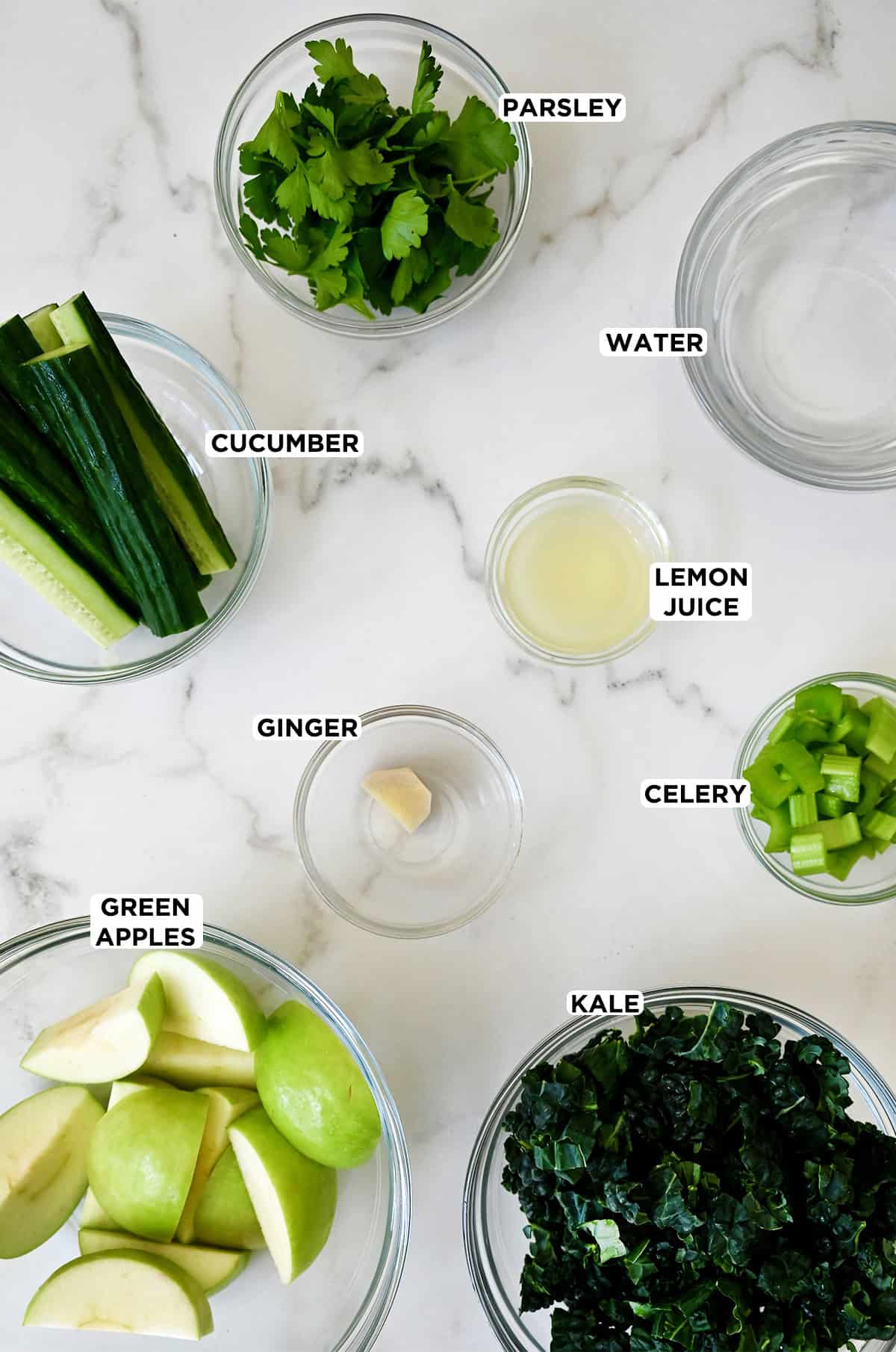
A practical starting combination is leafy greens, cucumber, celery, green apple, fresh lemon juice, ginger, and water. Blend the greens with some liquid first, add the remaining produce, and continue blending until the mixture is very smooth. You can drink it as a thick, fiber-containing blended juice or strain it for a more traditional juice texture.
You only need a blender, fresh produce, water, and something to strain the mixture if you want a clear, juice-like consistency. A high-speed blender can make the process easier, but a standard countertop blender can also work when the produce is cut into smaller pieces.
The ingredient amounts below make roughly 2 to 4 servings, depending on how much water you add and whether you strain the pulp. Treat the amounts as a starting formula rather than a fixed recipe.
Source: mokacoffeepot.com
Leafy greens
Use about 2 cups of spinach, kale, or a combination of greens. Spinach gives a milder flavor, while kale produces a stronger green taste.
Cucumber
Use about 1 medium cucumber. It adds water and a fresh, mild flavor.
Celery
Use 1 to 2 celery stalks for a savory, fresh flavor.
Apple
Use 1 green apple for natural sweetness and tartness. Remove the core and cut the apple into chunks.
Lemon
Add 1 to 2 tablespoons of fresh lemon juice to brighten the flavor.
Ginger
Add a small piece of fresh ginger if you enjoy a warm, spicy note.
Water
Start with about 1 to 2 cups of cold water. Add more gradually if the blender needs help moving the ingredients.
Straining equipment
Use a fine-mesh sieve, nut milk bag, or several layers of clean cheesecloth if you want to separate much of the pulp.
Do You Need a High-Speed Blender?
No. A high-speed blender can make leafy greens and fibrous vegetables smoother more quickly, but you can use a regular blender. Cut firm ingredients into smaller pieces and add enough water for the blades to circulate the mixture. If the blender struggles, stop it, scrape down the sides, and add a small amount of water before blending again.
How to Make Green Juice in a Blender Step by Step
The easiest method is to blend the leafy greens with water first, then add the remaining ingredients and blend until the mixture is smooth. If you want traditional juice rather than a smoothie-like drink, strain the finished mixture before serving.
Wash your produce under running water before preparing it. Remove damaged portions, trim ingredients as needed, and cut large or firm pieces into smaller chunks so the blender can process them more easily.
Source: thissavoryvegan.com
1. Wash and prepare the produce
Rinse the greens, cucumber, celery, apple, lemon, and ginger. Core the apple, trim the celery, and cut the cucumber and apple into manageable pieces.
2. Add water and leafy greens
Pour about 1 cup of water into the blender, then add the leafy greens. Blend briefly until the greens break down and the mixture begins to move freely.
3. Add the remaining ingredients
Add cucumber, celery, apple, lemon juice, and ginger. Keep some water aside so you can adjust the consistency later.
4. Blend until smooth
Blend on a high setting until there are no large pieces of produce remaining. Depending on the blender and how finely you cut the ingredients, this can take roughly 1 to 2 minutes.
5. Check the consistency
If the mixture is too thick or the blades are having difficulty circulating the ingredients, add a little more water and blend again.
6. Strain if desired
For a thinner juice, pour the blended mixture through a fine-mesh sieve or nut milk bag into a clean bowl or pitcher. Press or squeeze the solids gently to release additional liquid.
7. Serve
Pour the finished juice into glasses and serve chilled or over ice. Taste before serving and adjust the lemon, ginger, or water to suit your preference.
How Do You Know When the Juice Is Blended Enough?
The mixture is ready for straining when it looks evenly blended and no large pieces of greens, apple, cucumber, or celery remain. It will normally look thicker than bottled juice before straining because a blender processes the whole produce rather than separating liquid from solids.
How to Get a Smooth, Juice-Like Texture
Straining is the main difference between a blended green drink and a more traditional juice. A blender breaks the whole fruits and vegetables into small particles, while a juicer separates much of the liquid from the solid material during extraction.
For the smoothest result, blend thoroughly before straining. A fine-mesh sieve removes larger particles, while a nut milk bag or layered cheesecloth can produce a smoother drink. Do not expect exactly the same texture as juice produced by a dedicated juicer.
Source: YouTube > Just a Taste with Kelly Senyei
For a thicker drink
Use less water and skip straining. This keeps more of the blended produce in the drink and gives it a smoothie-like texture.
For a thinner drink
Add water gradually and strain the mixture after blending.
For less pulp
Use a fine-mesh sieve followed by a nut milk bag if you want to remove more small particles.
For easier blending
Cut firm vegetables and fruit into smaller pieces and blend leafy greens with water before adding dense ingredients.
Should You Strain Green Juice?
Straining is optional and depends on the texture you want. If you want a drink that resembles conventional vegetable juice, strain it. If you prefer a thicker beverage and want to keep the produce solids in the drink, leave it unstrained.
How to Adjust the Flavor
The flavor of green juice depends heavily on the balance between leafy greens, vegetables, fruit, citrus, and ginger. If your first batch tastes too earthy, bitter, tart, or strong, change one ingredient at a time rather than adding a large amount of sweetener.
Source: www.kitchenaid.com
Too bitter
Add more apple or cucumber, or reduce the amount of strong leafy greens.
Too tart
Reduce the lemon juice or add more apple and cucumber.
Too spicy
Use less ginger. Fresh ginger can become noticeable even when a small piece is used.
Too thick
Add cold water a little at a time and blend again.
Too watery
Add more leafy greens, cucumber, celery, or apple and blend until the flavor and consistency improve.
Too grassy
Use milder greens such as spinach and increase the cucumber or apple slightly.
Good Ingredient Swaps
Spinach can replace some or all of the kale for a milder flavor. Parsley or mint can replace part of the leafy greens when you want a more herbal taste. Lime juice can replace lemon juice, while pineapple can replace some of the apple when you want a sweeter, tropical flavor.
Common Green Juice Problems and How to Fix Them
Most blender green juice problems come from the produce-to-water ratio, ingredient size, blending order, or texture expectations. Fix the simplest issue first rather than immediately changing the entire recipe.
Source: schreyer-kommunikation.de
The blender is not moving the ingredients
Stop the blender, loosen the mixture with a spatula, and add a small amount of water. Restart at a lower speed and increase gradually.
Large pieces remain
Cut the ingredients smaller and continue blending. Firm vegetables and fruit generally need more processing than leafy greens.
The juice is very foamy
Let the mixture rest briefly before pouring, or strain it. Foam can form when air is incorporated during high-speed blending.
The juice separates after sitting
Natural separation is not unusual in blended produce drinks. Stir or shake the juice before drinking.
The juice tastes overwhelmingly green
Reduce the amount of kale or other strong greens and increase a mild ingredient such as cucumber or apple.
The strained yield is lower than expected
The amount of liquid recovered depends on the produce, water level, strainer, and how thoroughly the solids are pressed. Add enough water during blending to keep the mixture moving, but avoid adding more than needed.
Why Does Blender Green Juice Become Thick?
A blender pulverizes the whole ingredients rather than extracting only their liquid. That leaves tiny particles of fruit and vegetables suspended in the drink. Adding water and straining the mixture reduces this thickness, but an unstrained blender drink will naturally be closer to a smoothie than a clear juice.
How to Store Homemade Green Juice Safely
Fresh homemade green juice is best prepared in a clean kitchen and refrigerated promptly if you are not drinking it immediately. Because it contains raw produce and is not pasteurized, it should not be treated like commercially processed shelf-stable juice.
Wash your hands before preparing the produce and rinse fresh fruits and vegetables under running water. Keep produce and preparation equipment clean, especially when the juice will be consumed without cooking.
Source: thissavoryvegan.com
Drink it promptly
For the best flavor and texture, serve the juice soon after blending and straining.
Refrigerate leftovers
Place leftover juice in a clean, covered container and refrigerate it rather than leaving it at room temperature.
Keep the refrigerator cold
Perishable fresh produce should be refrigerated at 40 degrees Fahrenheit or below.
Do not rely on homemade juice as pasteurized juice
Blending fresh produce does not pasteurize or otherwise treat the juice to destroy harmful bacteria.
Who Should Be Especially Careful With Unpasteurized Juice?
Fresh homemade juice is untreated unless you deliberately apply a validated treatment process. The FDA advises higher-risk groups, including pregnant people, young children, older adults, and people with weakened immune systems, to avoid unpasteurized juice because harmful bacteria can cause serious illness. If this applies to you or someone you are serving, discuss appropriate food-safety choices with a qualified healthcare professional.
Frequently Asked Questions
Q
Can you make green juice in a regular blender?
Yes. A regular countertop blender can make green juice. Cut firm produce into smaller pieces, add enough water to keep the mixture moving, and blend until smooth. Straining afterward gives the drink a more juice-like texture.
Q
Do you have to strain green juice made in a blender?
No. Straining is optional. Leave the drink unstrained if you prefer a thicker texture and want to keep the blended produce solids. Strain it through a fine-mesh sieve or nut milk bag if you want a thinner drink.
Q
What greens are best for blender green juice?
Spinach and kale are common choices. Spinach has a relatively mild flavor, while kale gives the drink a stronger leafy taste. You can also combine leafy greens with parsley, romaine, or other fresh greens that you enjoy.
Q
Can I make green juice without adding water?
You can try it with very juicy produce, but some blenders need additional liquid to circulate the ingredients properly. Starting with a modest amount of water usually makes blending easier. Add more only as needed to reach your preferred consistency.
Q
How long does homemade green juice last?
Homemade green juice should be refrigerated promptly in a clean, covered container. Because it is made from raw produce and is not pasteurized, avoid treating it like commercially processed juice. For best quality, drink it soon after preparation.
✦ Wrapping Up
Conclusion
Making green juice in a blender is straightforward: wash and cut the produce, blend the leafy greens with water, add the remaining ingredients, and blend until smooth. Strain the mixture if you want a thinner juice, or leave it unstrained for a thicker drink that retains more of the blended produce.
Start with spinach or kale, cucumber, celery, green apple, lemon, ginger, and enough water to keep the blender moving. Once you have the basic method down, adjust the ingredients to control sweetness, acidity, spice, and texture.
💡 Key Takeaway
For your first batch, blend 2 cups of leafy greens with about 1 cup of water, then add cucumber, celery, one cored apple, lemon juice, and a small piece of ginger. Blend until smooth, strain if desired, and refrigerate any leftover juice promptly.