Keep dried flowers from shedding by handling them gently, controlling humidity, avoiding direct sunlight, and applying a suitable floral sealant when needed.
Dried flowers are a lovely way to decorate homes across the United States. They look beautiful in living rooms, bedrooms, entryways, and dining spaces. Many Americans also save flowers from weddings, anniversaries, birthdays, and other special events. However, dried petals and leaves can fall off when the flowers become too brittle or get handled too often.
The good news is that you can reduce shedding with a few simple care steps. Start by keeping your arrangement in a dry indoor space. Avoid strong sunlight, moving air, and frequent touching. You can also use a light coat of a suitable floral sealant on certain sturdy flowers. Still, no spray can make every dried flower completely shed-proof.
The type of flower matters, too. Roses, baby’s breath, lavender, pampas grass, and eucalyptus all dry in different ways. Some keep their shape well, while others naturally lose small pieces over time. Understanding these differences helps you choose the right way to protect your arrangement without changing its natural look.
Dried flowers shed because their plant tissues lose moisture during the drying process. Fresh petals contain water that helps them stay soft and flexible. Once that water is gone, the petals become lighter, stiffer, and more likely to break.
Think of a dried flower as a thin piece of paper. It can keep its shape for a long time when left alone. However, bending, rubbing, or pressing it can cause small pieces to break away.
Some flowers are naturally more fragile than others. Small petals, fine leaves, and tiny seed heads may fall off even when you care for them well. The way the flowers were picked, dried, packed, and stored can also affect how well they hold together.
Source: storage.googleapis.com
Natural brittleness
Drying removes moisture from petals and stems. This makes them stiff and more likely to crack when touched.
Frequent handling
Picking up flower heads, changing the arrangement, and brushing against petals can loosen parts that are already fragile.
Poor drying methods
Uneven drying or excessive drying can leave some flowers weak, misshapen, or easy to crumble.
Humidity changes
Moisture can affect dried plant material. It may soften stems, change the flower’s shape, or create conditions for mold.
Age and natural wear
Dried flowers change as time passes. Older arrangements may lose petals and leaves even when kept in good conditions.
Which Dried Flowers Shed the Most?
Fine and delicate flowers often need more care than flowers with firm, papery petals. Baby’s breath, dried lavender, small daisies, and some grasses may drop tiny pieces when moved. Pampas grass can also release loose fibers, especially when handled or exposed to moving air.
Strawflowers and statice often hold their shape better because their flower parts have a firmer texture. Dried roses can last well, but their thin outer petals may break if squeezed. These are general differences, not guarantees. The condition and drying method of each stem still matter.
Baby’s breath
Its tiny flower clusters can lose small blooms when shaken or handled.
Lavender
Small dried buds may loosen from their stems when the bunch is rubbed or moved.
Pampas grass
Fine fibers may come loose, particularly after repeated handling or exposure to moving air.
Dried roses
Thin petals can become brittle and break around the edges.
Strawflowers
Their firm, papery petals often hold their shape well, although they can still break if crushed.
Keep Dried Flowers Away From Direct Sunlight
Place dried flowers in a spot with indirect light rather than strong direct sunlight. Sunlight can fade natural and dyed colors over time. A sunny window may look like a lovely display spot, but it can make an arrangement lose its fresh appearance.
Light exposure is not the only concern. Heat from a sunny window may also affect delicate plant material. Flowers that become very dry and brittle can break more easily when someone moves the vase or cleans nearby surfaces.
Choose a shelf, side table, or cabinet away from a window that gets strong afternoon sun. A room with soft natural light is often a better choice. You can still enjoy the flowers without placing them in a spot that exposes them to harsh conditions.
Source: www.pinterest.com
Choose a shaded display area
Place the arrangement away from windows that receive long periods of direct sunlight.
Avoid hot window ledges
Heat and strong light can speed up fading and make delicate flowers harder to handle.
Rotate the display carefully
If one side receives more light, move the arrangement only when needed. Hold the vase rather than touching the flowers.
Use a protective display case
A glass display case can reduce dust and accidental contact. Keep the flowers completely dry and check for trapped moisture.
Can You Keep Dried Flowers Near a Window?
Yes, but choose a window with indirect light and avoid a place where the flowers sit in direct sun for hours. A shaded window area may work better than a bright south-facing window that receives strong sunlight.
If you notice faded petals or more breakage after moving an arrangement to a sunny spot, relocate it. A darker shelf or an interior room may help preserve its appearance.
Control Humidity to Protect Dried Flowers
Keep dried flowers in a dry indoor area with stable conditions. Humidity is a major concern because dried plant materials can absorb moisture from the surrounding air. When this happens, petals and stems may soften, bend, or lose their shape.
This is especially useful to remember in humid parts of the United States, such as Florida, Louisiana, Mississippi, and other areas with moist summer weather. Homes with poor ventilation may also have damp rooms that are not suitable for delicate floral displays.
Avoid placing dried flowers in bathrooms, laundry rooms, damp basements, or near kitchen sinks. Steam from showers and cooking can expose the flowers to moisture. A dry bedroom, living room, or well-ventilated office is usually a better location.
Source: storage.googleapis.com
Avoid bathrooms
Shower steam can add moisture to the air and affect the shape and condition of dried flowers.
Keep flowers away from kitchen steam
Do not display arrangements beside kettles, stovetops, dishwashers, or other sources of steam.
Improve room ventilation
Good airflow in the room can help prevent damp conditions. However, do not place the flowers directly in front of a fan.
Check damp storage areas
Avoid closets, garages, and basements that feel damp or have a musty smell.
Should You Use Silica Gel to Protect Dried Flowers?
Silica gel can help control moisture inside a suitable storage container. It absorbs water vapor from the air and is commonly used to protect moisture-sensitive materials. A small, suitable desiccant packet may be useful when storing dried flowers in a closed box.
Make sure the flowers are already fully dry before storing them. Silica gel is not a substitute for drying wet flowers, and it cannot repair petals that have already broken. Keep the packets away from children and pets, and follow the package instructions.
Use a dry container
Choose a clean storage box that protects the flowers from moisture and accidental damage.
Add a suitable desiccant packet
Use a moisture-control packet intended for storage. Do not scatter loose crystals over the flowers.
Check the arrangement
Inspect stored flowers from time to time for signs of dampness, mold, or insect activity.
What Are the Signs of Moisture Damage?
Dried flowers affected by excess moisture may feel softer than usual. Stems may bend, petals may lose their shape, and a musty smell may develop. You may also notice unusual dark spots or visible mold.
If you find mold, do not simply spray the flowers with perfume or cover the smell with another product. Separate the affected material from healthy arrangements. Severely moldy flowers are best discarded because cleaning them may spread spores and damage the remaining petals.
Handle Dried Flowers Gently
The simplest way to reduce shedding is to touch dried flowers as little as possible. Every time you pick up a flower head, move a stem, or adjust a petal, you create a chance for something to break. Even a beautiful arrangement can become fragile after repeated handling.
When you need to move a bouquet, hold the stems near their base. Avoid gripping the flower heads or squeezing the petals together. If the stems are loose, support the whole bunch with your other hand.
Try to choose the final display location before arranging the flowers. This reduces the need to move them again. Once the bouquet looks right, leave it alone unless you need to clean or repair something.
Source: bestflowersite.co
Hold the stems
Grip the lower part of the stems instead of holding the petals or flower heads.
Use both hands
Support large bouquets with both hands so the stems do not bend or pull against each other.
Avoid squeezing
Do not press flower heads together to make a bouquet fit into a narrow vase.
Limit rearranging
Choose the shape and position once, then avoid repeated adjustments.
Keep children and pets away
Place delicate arrangements where they are less likely to be bumped, pulled, or knocked over.
How to Move a Dried Flower Bouquet Without Breaking It
Start by clearing a path to the new location. Make sure the vase or container is ready before you lift the arrangement. If the flowers are loose, gently gather the stems without pulling them tightly together.
Hold the vase at its base if the flowers are already arranged inside it. If you need to move the bouquet without the vase, support the stems near the bottom and place your other hand under the bunch. Walk slowly and avoid sudden turns.
For a large or very fragile arrangement, use a box that is wide enough to prevent the flowers from rubbing against the sides. Add loose tissue around the container for support, but never press the tissue directly against delicate petals.
Use a Floral Sealant to Reduce Shedding
A suitable floral sealant may help hold some loose petals and small plant parts in place. It creates a thin surface coating that can reduce the effect of light handling. This can be useful for certain sturdy dried flowers, grasses, and decorative arrangements.
However, sprays do not work equally well on every flower. A heavy coating can make petals look shiny, stiff, or unnatural. It may also change the color or texture of dyed materials. For this reason, choose a product made for dried floral arrangements when possible.
A clear floral sealant is generally a more suitable starting point than an ordinary household spray. Always read the label to check whether the product is intended for dried flowers. Test it on an extra stem or a hidden section before treating the whole arrangement.
Source: storage.googleapis.com
Choose the right product
Look for a clear floral sealant or preservation spray that specifically allows use on dried flowers.
Test before applying
Spray a small, less visible section and check whether the finish, color, or texture changes after drying.
Keep the coat light
Avoid soaking the petals. A heavy layer may weigh down delicate flowers or change their natural appearance.
Allow proper drying time
Leave the arrangement in a safe, ventilated area until the coating has dried according to the product directions.
How to Apply Floral Sealant to Dried Flowers
Before spraying, make sure the flowers are completely dry and free of loose dust. Work outdoors or in a well-ventilated area that is suitable for the product. Protect nearby furniture, walls, and floors from spray mist.
Hold the container at the distance stated on its label. Apply a light, even coat rather than concentrating the spray on one flower. Allow it to dry fully before touching or moving the arrangement.
Check the result once the coating has dried. If the flowers look natural and the petals feel more secure, the treatment may be suitable for that material. Do not keep adding layers simply because a few loose petals remain.
Step 1: Prepare the flowers
Remove loose dust with a soft brush. Separate any stems that are stuck together so the coating can reach the exposed surfaces.
Step 2: Read the label
Check the recommended distance, drying time, ventilation needs, and material compatibility.
Step 3: Test a small area
Apply the product to one spare stem or a hidden section and let it dry.
Step 4: Apply a light coat
Spray evenly without soaking the petals or allowing liquid to collect between flower parts.
Step 5: Let the flowers dry
Keep the arrangement undisturbed until the sealant is fully dry.
Can You Use Hairspray on Dried Flowers?
Yes, hairspray is sometimes used as a quick way to reduce shedding from certain sturdy dried flowers and grasses. A light coat may help hold loose pieces in place. However, ordinary hairspray is not a universal flower-preservation product.
Some formulas leave a sticky or shiny finish. Others may change the feel of delicate petals or affect dyed flowers. The result also depends on the type and condition of the arrangement.
If you want to try hairspray, test it on an extra stem first. Use a light application in a well-ventilated area and keep it away from heat, flames, and sparks. Aerosol products can be flammable, so follow all label warnings.
Avoid hairspray on flowers intended for food, tea, potpourri, or other uses where chemical contact is unsuitable. For valuable wedding flowers or sentimental keepsakes, a product designed for dried floral preservation may be a better option.
Best for
Some sturdy decorative grasses and robust dried materials that tolerate a light surface coating.
Use caution with
Delicate petals, dyed flowers, and arrangements that may become sticky or change color.
Avoid
Flowers intended for eating, brewing, or making untreated potpourri.
Does Acrylic Sealer Work on Dried Flowers?
A clear acrylic sealer can be useful for certain dried flower crafts. It may form a protective coating that helps reduce surface damage. It is sometimes used on pressed flowers and decorative pieces that will not be handled often.
However, not every acrylic product is suitable for loose bouquets. Some coatings can leave a noticeable film or make thin petals look less natural. Check the manufacturer’s instructions and test the product before using it on an important arrangement.
For a bouquet you want to keep soft and natural-looking, gentle storage and careful handling may be better than adding a coating. For a framed craft or a decorative keepsake, a compatible sealant may make more sense.
Clean Dried Flowers Without Making Them Shed
Remove dust with a soft, gentle method instead of rubbing the petals. Dust can build up on flower heads, leaves, and fine grasses over time. However, rough cleaning can cause more damage than leaving a small amount of dust in place.
A soft artist’s paintbrush is a useful tool for delicate arrangements. Choose one with clean, soft bristles. Lightly sweep dust away from the center of the flower and work outward without pressing down on the petals.
You can also use a hair dryer on a cool, low setting when the flowers are sturdy enough to handle gentle airflow. Keep it at a distance and avoid pointing a strong stream directly at loose petals. If the arrangement begins to move, stop and use a brush instead.
Source: www.pinterest.com
Soft paintbrush
Use a clean, soft brush to remove dust from firm petals and leaves with small, gentle movements.
Cool hair dryer
Use only a cool, low setting from a distance. Avoid strong airflow that can blow off petals and seed heads.
Feather duster
A very soft feather duster may work on sturdy arrangements, but do not drag it across fragile flower heads.
Gentle compressed air
Use caution with canned air. Strong pressure or liquid propellant can damage delicate flowers, so a soft brush is usually the better choice.
What Should You Avoid When Cleaning Dried Flowers?
Never wash dried flowers with water. Do not wipe them with a damp cloth or use household cleaning sprays. Moisture and cleaning chemicals may damage the petals, change their color, or cause the stems to soften.
Avoid vacuum cleaners, even when they have a small brush attachment. The suction may pull petals, buds, and leaves from their stems. A strong fan can have a similar effect.
If a flower is too fragile to clean safely, leave it alone or display it inside a protective case. It is better to keep a little dust than to lose several petals during cleaning.
Store Dried Flowers Properly
Store dried flowers in a clean, dry place where they will not be crushed or exposed to moisture. Good storage matters even if you plan to display the flowers later. A poorly packed box can break petals and bend stems before you get a chance to use them.
Choose a sturdy cardboard box or a suitable storage container with enough space for the arrangement. Line the bottom with clean tissue paper if needed. Place the flowers inside without pressing the heads together.
For very delicate blooms, individual compartments can provide extra support. Keep larger flower heads away from heavy stems and other objects. Label the box so you can identify its contents without opening it repeatedly.
Source: www.youtube.com > Aleene’s DIY
Choose a clean container
Use a dry box or storage container that protects the flowers from dust, pests, and accidental contact.
Do not pack tightly
Leave enough room for the flower heads and leaves to retain their shape.
Use tissue for support
Place soft, dry tissue around the stems or between sturdy sections when needed. Do not crush petals with packing material.
Keep boxes off damp floors
Store containers on a dry shelf instead of directly on a basement or garage floor.
Inspect occasionally
Check for moisture, insects, unusual smells, and loose plant material before returning the flowers to storage.
Should You Store Dried Flowers in Plastic Bags?
Plastic bags can protect flowers from dust, but they are not always the best choice for long-term storage. If moisture gets trapped inside, the flowers may develop mold or lose their shape.
A clean cardboard box can be a better option for some air-dried materials, provided the storage area stays dry. Flowers dried with silica gel may need a moisture-resistant, airtight container when stored according to the preservation method.
The right container depends on how the flowers were dried and how dry they are now. Never seal flowers that still contain moisture. Make sure the storage space is suitable before closing the container.
How to Protect Dried Flowers During a Move
Moving can be hard on delicate arrangements because boxes may shift, tilt, and bump against each other. If possible, move valuable dried flowers separately from heavy household items.
Use a box that is large enough to hold the arrangement without squeezing the petals. Secure the vase or container so it cannot slide around. Add support around the container rather than packing material directly against fragile flower heads.
Mark the box as fragile and keep it in a stable part of the vehicle. Avoid placing heavy bags or boxes on top of it. Once you arrive, unpack the flowers gently and check for loose pieces before displaying them.
How to Stop Pampas Grass and Dried Grasses From Shedding
Pampas grass and other dried grasses need slightly different care from flower bouquets. Their fine fibers and seed heads can release small pieces when touched or exposed to moving air. This is a natural feature of many grass varieties.
Start by choosing a stable display location. Keep the arrangement away from open windows, ceiling fans, air vents, and busy walkways. A quiet corner or a tall floor vase can help reduce accidental contact.
Some people use floral spray or a suitable sealant to help hold loose fibers in place. This may help with certain types of grass, but too much product can make the plumes look stiff or sticky. Test a small section before treating the full arrangement.
Source: uk.pinterest.com
Avoid shaking the stems
Shaking pampas grass to make it look fuller can release loose fibers and seed material.
Keep away from fans
Direct airflow can move fine fibers and cause more shedding.
Use a stable vase
Choose a vase with enough weight and support to prevent the stems from falling or rubbing together.
Apply a suitable spray carefully
A light coating may help with some sturdy grasses, but always test the product and follow its directions.
How to Make Pampas Grass Look Full Without Shaking It
If your pampas grass looks flat, gently separate the stems by hand while holding them near their base. Do not pull on the plumes or rub the fibers together. Make small adjustments until the arrangement looks balanced.
You can also use a wider vase to give the stems more room. A narrow container may press the plumes together and cause friction. Give each stem enough space to spread naturally.
What to Do When Dried Flowers Are Already Shedding
If your dried flowers are already losing petals, first find out why. A few loose pieces at the bottom of a vase may be normal. However, sudden or heavy shedding can point to damage from handling, moisture, pests, or poor storage.
Do not try to fix the problem by immediately spraying the entire bouquet. A coating cannot reconnect broken petals or restore damaged stems. Start with the least invasive steps and see whether the arrangement can be stabilized.
If only a few petals have fallen, collect them carefully. You may be able to use them in a separate craft project, a frame, or a decorative bowl. Keep them dry and avoid using treated petals for food or other purposes that require untreated flowers.
Source: bestflowersite.co
Check for physical damage
Look for broken stems, crushed flower heads, and petals that have come loose from their bases.
Check the room conditions
Look for direct sunlight, damp air, strong fans, or heat sources near the arrangement.
Look for pests
Check the flowers and storage container for insects, small holes, webbing, or unusual debris.
Remove badly damaged pieces
Separate stems that have become too fragile to support the rest of the bouquet.
Support loose stems
Use a suitable floral wire or a small amount of clear-drying floral adhesive when a stem or flower base needs repair.
How to Repair a Dried Flower That Has Lost Its Petals
First, collect the loose petals and inspect the flower head. If the center and stem remain firm, you may be able to keep the flower as part of the arrangement. If the head has completely broken apart, it may be better to remove it.
For a partly loose flower head, a small amount of clear-drying floral adhesive may help secure the base of the petals. Apply it carefully with a fine tool and allow it to dry fully. Avoid coating the visible surfaces because the adhesive may leave marks.
If a stem has broken, florist wire can provide support. Wrap the wire around a sound section of the stem or attach it to the existing stem as appropriate. Cover the repair with floral tape if the finished arrangement will be handled. Do not force a brittle stem into a new position.
Use clear-drying floral adhesive
Apply a tiny amount at the flower base when a few petals have loosened but the flower is still structurally sound.
Support weak stems
Use suitable floral wire to support a broken or weak stem without crushing the flower.
Remove severely damaged flowers
If a flower head is falling apart, removing it may protect the rest of the arrangement from further damage.
When Should You Replace Dried Flowers?
Consider replacing a dried arrangement when most of its petals fall off, the stems crumble when touched, or the flowers no longer hold their shape. Mold, persistent musty odors, and signs of insect damage are also reasons to remove affected materials.
You do not have to discard every flower just because one stem breaks. Save the healthy stems and remove only the damaged ones. You can also reuse intact flowers in smaller arrangements or framed crafts.
Common Mistakes That Make Dried Flowers Shed More
Small care mistakes can shorten the life of a dried arrangement. Many happen because people treat dried flowers like fresh flowers or assume that a protective spray will solve every problem.
The best approach is to keep the arrangement dry, stable, and free from unnecessary contact. Avoid adding products or trying complicated repairs unless there is a clear reason to do so.
Putting dried flowers in water
Dried flowers do not need water. Moisture can soften their stems, damage their shape, and encourage mold.
Steam and damp air can affect dried petals and make the arrangement less stable.
Using too much hairspray
A heavy coating may leave petals sticky, shiny, or stiff. It may also change their natural appearance.
Cleaning with a wet cloth
Water and rubbing can damage the dry plant material. Use a soft, dry brush instead.
Placing flowers near a fan
Strong airflow can shake loose petals and fine fibers.
Packing flowers tightly
Crowding can crush flower heads and break stems during storage or transport.
Rearranging them too often
Repeated movement creates friction and increases the chance of breakage.
A Simple Care Routine for Dried Flowers
You do not need a complicated routine to keep dried flowers in good condition. Check their display area from time to time and make sure it remains dry and away from strong sunlight. Remove dust only when needed.
If you notice loose petals, avoid shaking or brushing the arrangement. Check whether the stems are still secure and remove any pieces that have already broken. A little attention can prevent a small problem from becoming a larger one.
When arranging
Choose a dry vase and a stable display location. Handle stems gently and avoid squeezing the flower heads.
During regular display
Keep flowers away from sunlight, steam, fans, and busy areas where they may be knocked over.
When cleaning
Use a soft paintbrush or a cool, low airflow setting only when the flower type can tolerate it.
When storing
Use a clean container with enough room and protect the flowers from moisture and crushing.
How to Dry Fresh Flowers So They Shed Less Later
If you are making your own dried flower arrangement, good results begin before the flowers become dry. Choose healthy blooms that are not damaged, wilted, or already losing petals. Flowers picked at a suitable stage often hold their shape better during drying.
Remove excess leaves from the lower stems and group the flowers into small bunches. Tie the stems with string or a rubber band, then hang them upside down in a dry, dark place with good air circulation. Leave enough space between bunches so air can move around them.
The drying time depends on the flower type, size, and room conditions. Small flowers may dry faster than large, dense blooms. Do not rush the process by placing flowers near a heater or in strong sunlight.
Choose healthy flowers
Select blooms with firm stems and petals that are not already damaged or falling apart.
Remove unwanted leaves
Clear leaves from the lower stems to make hanging and drying easier.
Tie small bunches
Avoid making large, crowded bundles that prevent even airflow.
Hang upside down
Use string or another suitable tie to secure the stems in a dry, dark area.
Allow enough drying time
Wait until the flowers are fully dry before arranging or storing them.
Is Air Drying or Silica Gel Better for Preventing Shedding?
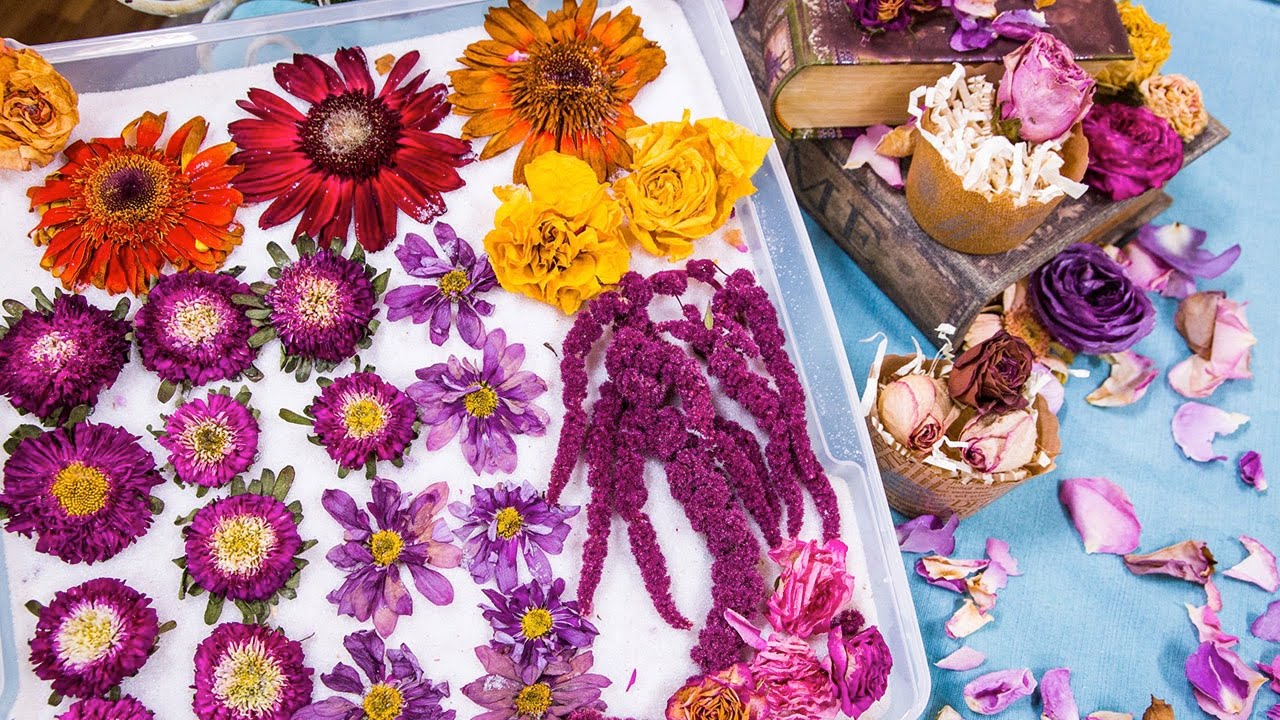
Both methods can produce useful dried flowers, but they suit different needs. Air drying is simple and works well for many flowers and grasses. Silica gel can help preserve the shape and color of individual blooms because it removes moisture while supporting the petals.
Air drying is a practical choice for lavender, statice, and some grasses. Silica gel may be more useful for flowers with fuller heads that you want to keep in a rounded shape. Neither method guarantees that the finished flowers will never shed.
If you use silica gel, follow the product instructions and choose a container large enough to hold the flowers without bending them. Add the drying material gently so the petals remain in position.
Air drying
A simple method for bunches of suitable flowers. It requires a dry space, good airflow, and enough time.
Silica gel drying
A useful method for individual blooms that need more support during drying. It requires a suitable airtight container.
Professional freeze drying
A specialist option for valuable keepsakes when retaining a more lifelike shape is important. It requires professional equipment and is more involved.
Frequently Asked Questions
Q
How do you keep dried flowers from falling apart?
Keep dried flowers in a dry place away from direct sunlight, steam, and strong airflow. Handle the stems instead of the flower heads and avoid moving the arrangement often. A suitable floral sealant may help protect some sturdy flowers, but it cannot repair petals that have already broken.
Q
Does hairspray stop dried flowers from shedding?
Hairspray may reduce shedding on some sturdy dried flowers and grasses by holding loose pieces in place. However, it can leave a shiny or sticky finish and may change the texture of delicate petals. Test a small area first and use a light coat in a well-ventilated place. A floral sealant made for dried flowers may be a better option.
Q
Can you spray dried flowers with clear acrylic sealer?
Yes, some clear acrylic sealers can be used on dried flower crafts and suitable decorative arrangements. However, not all products work well on every flower. Check the label, test a hidden area, and apply a light coat. Avoid using treated flowers for food, tea, or untreated potpourri.
Q
Why are my dried flowers shedding so much?
Heavy shedding may happen because the flowers are old, overly brittle, or frequently handled. Strong airflow, poor storage, moisture damage, and pests can also affect them. Check the petals and stems, then inspect the display area for humidity, sunlight, and other sources of damage.
Q
Can you put dried flowers in a glass vase?
Yes. A glass vase is a good display option as long as it is completely dry. Choose a vase with enough room for the stems and avoid forcing the flower heads together. A stable, heavy vase can also help prevent the arrangement from tipping over.
Q
Should dried flowers be kept in an airtight container?
An airtight container can help protect fully dried flowers from dust and outside moisture during storage. It is especially useful for flowers dried with silica gel when the storage method calls for moisture protection. Never seal flowers that are not completely dry, because trapped moisture can encourage mold.
Q
Can you use essential oils on dried flowers to make them smell good?
It is better not to apply essential oils directly to delicate dried petals. Oils can leave stains, create sticky spots, and change the appearance of the flowers. If you want fragrance, use a separate sachet or suitable fragrance source placed near the arrangement rather than soaking the flowers.
Q
How long do dried flowers last before they start shedding?
There is no fixed lifespan for all dried flowers. Some remain attractive for months or years, while delicate flowers may start losing petals much sooner. The flower type, drying method, age, sunlight, humidity, and handling all affect how long an arrangement stays in good condition.
Q
Can you save dried flowers after they start crumbling?
You may be able to save parts of an arrangement if some stems and flower heads are still intact. Remove badly damaged pieces and support weak stems with suitable floral wire. Clear-drying floral adhesive may help secure a few loose petals. If the flowers are heavily damaged or moldy, replacement is usually the better option.
✦ Wrapping Up
Conclusion
Dried flowers can remain beautiful for a long time when you give them the right care. The most useful steps are simple: keep them dry, protect them from direct sunlight, avoid strong airflow, and handle them gently. These habits reduce the stress that causes fragile petals and leaves to fall apart.
A suitable floral sealant may offer extra support for certain sturdy flowers, but it is not necessary for every arrangement. Test any spray before use and avoid heavy coatings that can change the flowers’ natural look. Good storage also matters, especially when you want to save a bouquet for a special event or use it in a craft later.
Remember that some shedding is part of the natural life of dried flowers. Their petals and leaves become brittle as they lose moisture. You cannot stop every piece from falling, but you can reduce damage and enjoy your arrangement for longer with gentle care.
💡 Key Takeaway
Move your dried flowers to a cool, dry spot away from direct sunlight and fans. Handle the stems gently, remove dust with a soft brush, and use a suitable floral sealant only after testing it on a small area. Store unused flowers in a clean container without crushing them.