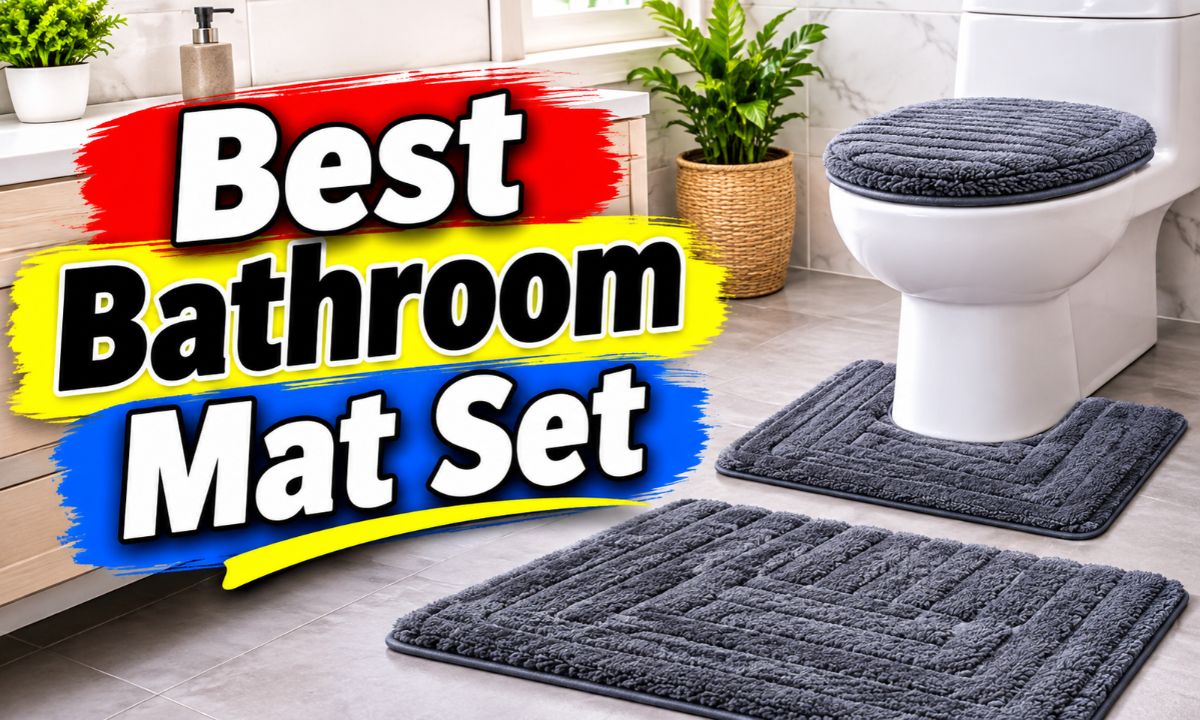
The best bathroom mat set combines absorbent fabric, comfortable padding, suitable floor grip, useful sizes, and easy care.
In American homes, a bathroom mat set is a simple way to make daily routines more comfortable. From a small apartment bathroom in New York to a large family bathroom in Texas, these mats help catch water near showers, bathtubs, and sinks. They also add warmth to cold tile floors and help bring the room’s colors together.
A matching set often includes a larger bath rug, a smaller mat for the toilet area, and sometimes a contour rug that fits around the toilet base. Some sets include two pieces, while others offer three or more. The right choice depends on your bathroom layout, floor type, family needs, and cleaning routine.
Looks matter, but they should not be your first concern. A thick rug can feel great underfoot but may take longer to dry. A soft backing may help the mat stay in place, but it does not make every floor safe when wet. Before buying, compare the fabric, backing, size, thickness, and care instructions.
A bathroom mat set is a group of coordinated floor mats designed for different areas of a bathroom. Most sets contain two or three pieces. They may include a large rectangular rug for the shower or tub, a smaller mat for the sink, and a contoured piece for the toilet.
These pieces serve several purposes. They catch water from wet feet, make hard floors more comfortable, and add a coordinated look to the room. A well-chosen set can also help protect the floor from frequent splashes.
Not every set has the same design. Some use matching sizes and shapes, while others combine one large rug with smaller pieces. Some include a separate shower mat, but you should check its instructions before assuming it is safe for use inside a tub.
Two-piece sets
These usually include one main bath rug and one smaller mat. They work well in compact bathrooms or homes that need coverage near the shower and sink.
Three-piece sets
These often include a bath rug, a toilet contour rug, and a smaller floor mat. They suit bathrooms with enough open floor space for all three pieces.
Four-piece or larger sets
These may include extra mats or coordinated accessories. Check the actual contents because a larger piece count does not always mean better coverage.
Bathroom Mat vs. Bathroom Rug
The terms bath mat and bathroom rug are often used for similar products, but they can describe different designs. A bath mat is usually made to absorb water near a shower or bathtub. It may have a simple woven surface or a thicker pile.
A bathroom rug often has a stronger decorative role. It may be larger, thicker, or designed to match other room accessories. Some rugs absorb water well, but others are better suited to low-moisture areas such as the vanity.
Choose a bath mat
Look for one when water absorption and easy washing are your main needs.
Choose a bathroom rug
Consider one when you want more floor coverage, a decorative pattern, or a soft surface near the vanity.
What a Bathroom Mat Set Cannot Do
A fabric bathroom mat is not a complete fall-prevention system. Even a mat with a non-slip backing can move if the floor is wet, dirty, uneven, or incompatible with the backing. It should not replace grab bars, proper lighting, or other bathroom safety measures.
A standard fabric floor mat also should not be placed inside a bathtub or shower unless the manufacturer clearly approves that use. Shower mats need a design made for direct water exposure and a suitable grip system.
How to Choose the Best Bathroom Mat Set
Start with the job each mat must do. A set for a busy family bathroom may need better absorbency and easy washing. A set for a guest bathroom may place more value on appearance and occasional use.
Do not choose a set only because its color matches your towels. Compare the material, backing, thickness, size, and cleaning directions. These details have a greater effect on daily use than the number of pieces in the package.
Check the fabric
Choose a material that suits your preferred feel, drying time, and washing routine.
Inspect the backing
Look for clear information about the backing material and the floor types it supports.
Compare every piece
Check the measurements of the large rug, smaller mat, and contour piece separately.
Read the care label
Confirm washing temperature, dryer restrictions, and cleaning limits before buying.
Consider bathroom traffic
A shared family bathroom may need mats that dry quickly and tolerate frequent cleaning.
Choose the Right Number of Pieces
A two-piece set is often enough for a small bathroom. You can place the main rug outside the shower and the second mat near the sink. This arrangement provides useful coverage without filling the floor with fabric.
A three-piece set can work well in a larger bathroom. It may cover the shower exit, toilet area, and vanity. However, make sure the pieces do not crowd the room or block walking paths.
More pieces are not always better. Every extra mat needs space, cleaning, and drying time. Buy only the pieces that serve a clear purpose.
Small bathroom
A two-piece set usually provides enough coverage without making the room feel crowded.
Medium bathroom
A three-piece set can cover the shower, toilet, and sink areas.
Large bathroom
Consider a larger set or a long runner if the floor layout supports it.
Look for Practical Construction
The surface fabric is only one part of a bathroom rug. Its pile, filling, backing, and edge finish all affect how it works. A thick surface may feel soft, but a heavy construction can hold more water and take longer to dry.
Look for even stitching and secure edges. Loose threads, thin spots, and uneven seams may shorten the useful life of a rug. If a set includes several different constructions, check the care directions for each piece.
Even pile
A consistent surface helps the mat feel more uniform underfoot.
Strong edges
Well-finished edges help reduce fraying during regular use and washing.
Clear construction details
Look for information about the surface, inner filling, and underside rather than relying on a single material label.
Best Materials for Bathroom Mat Sets
Material affects how a bathroom mat feels, absorbs water, and dries. Cotton, microfiber, chenille, polyester, and memory foam are common choices. Each has a different balance of comfort and care.
There is no single fabric that works best for every home. Think about how often the bathroom is used and whether you have enough space to dry the mats between uses.
Cotton
Cotton is soft, absorbent, and familiar. It is a useful choice for people who prefer a natural fabric and want a mat that can often be washed like other cotton household textiles.
Microfiber
Microfiber feels soft and can dry relatively quickly, depending on the pile and backing. It is common in plush bathroom mats.
Chenille
Chenille has a textured, tufted surface that feels soft underfoot. Its absorbency and drying time depend on the fiber and construction.
Polyester
Polyester is commonly used in synthetic bath rugs. It can be easy to care for, although its water absorption varies by construction.
Memory foam
Memory foam adds cushioning for people who prefer a softer surface. It needs enough time to dry, and its filling and cover may have different care requirements.
Is Cotton a Good Choice?
Cotton is a strong option when absorbency matters most. It can soak up water from wet feet and usually feels comfortable against the skin. It is also available in flat-weave, looped, and terry-style designs.
The main drawback is drying time. A thick cotton mat can remain damp if it sits on the floor after several showers. Hang it or place it on a drying rack when needed, and follow the washing instructions.
Best for
People who value absorbency, a natural fabric feel, and familiar laundry care.
Watch for
Slow drying in humid bathrooms and possible shrinkage when washed outside the care instructions.
Are Microfiber and Chenille Better?
Microfiber and chenille are useful choices for people who enjoy a plush feel. Their soft fibers can make cold tile more comfortable, and some designs dry faster than thick cotton rugs.
However, neither name guarantees a specific level of absorbency or drying speed. A dense pile or thick backing can still hold moisture. Compare the complete construction rather than choosing by fabric name alone.
Best for
People who want a soft, cushioned surface and a wide choice of colors and textures.
Watch for
Dense pile, trapped hair, and longer drying times in poorly ventilated rooms.
When Is Memory Foam Worth Buying?
Memory foam can make a bathroom mat feel more cushioned. This can be pleasant when standing at a sink for a long time. Some sets use a foam layer beneath a fabric cover.
The trade-off is moisture management. Foam can hold water, and some inserts cannot go into a washing machine or dryer. Check whether the cover is removable and how the insert must be cleaned.
Best for
People who place comfort and cushioning ahead of a thin, quick-drying design.
Watch for
Non-removable foam, unclear washing directions, and slow drying after heavy use.
Why the Backing Matters
The underside of a bathroom mat deserves as much attention as its top. A backing helps the mat stay in position, but its performance depends on the floor surface, moisture, dirt, and condition of the material.
A product labeled non-slip is not guaranteed to remain still on every bathroom floor. The floor should be clean and dry before you place the mat. Lift the mat regularly to check for moisture and wear.
TPR backing
Thermoplastic rubber is used in some bath rugs to provide grip. Check the manufacturer’s floor compatibility and cleaning instructions.
Latex or rubber backing
These materials can help limit movement, but some backing types may deteriorate with age, heat, or repeated washing. Certain rubber-backed products may also affect sensitive flooring.
Silicone grip dots
Small grip points may help hold a mat in place. Their effectiveness still depends on the floor and the condition of the underside.
No backing
A reversible or unbacked cotton mat may need a compatible separate rug pad if the manufacturer allows one.
Can Rubber Backing Damage Bathroom Floors?
Some rubber or latex-backed mats can discolor or damage certain vinyl, laminate, or finished wood surfaces. The risk depends on the exact backing compound, flooring finish, moisture, heat, and length of contact.
If your bathroom has luxury vinyl plank, vinyl sheet flooring, or finished wood, check both the mat and flooring manufacturer’s instructions. Do not assume that every rubber backing is safe simply because it is sold for bathroom use.
When floor compatibility is uncertain, choose a product approved for your floor type. A suitable non-staining rug pad may be another option if both manufacturers permit it.
For tile
Check that the backing is suitable for the tile finish and grout layout.
For vinyl
Confirm that the backing will not react with or stain the flooring.
For wood
Avoid leaving moisture trapped beneath the mat and follow the floor maker’s care advice.
How to Check Whether a Mat Stays in Place
Place the mat on a clean, fully dry floor. Smooth it out and check that every edge rests flat. Gently test it with your foot before normal use.
If it bunches, slides, or curls, remove it and find the cause. Check for dust, moisture, worn backing, or an uneven floor. Replace a damaged mat rather than relying on it for grip.
Check the floor
Remove soap residue, dust, hair, and water before placing the mat.
Check the edges
Make sure the mat lies flat without raised corners or folded sections.
Inspect the underside
Look for cracks, peeling, sticky residue, and areas where the backing has worn away.
Choose the Right Bathroom Mat Set Size
The right size gives you useful coverage without making the bathroom hard to move through. Measure the open floor near the shower, bathtub, toilet, and vanity before ordering.
Do not rely on a product photo to judge its size. A rug that looks small in a large showroom may cover most of the floor in a compact apartment bathroom. Check the listed length, width, and thickness of every piece.
Measure the shower exit
Choose a mat that covers the area where wet feet land without blocking nearby walkways.
Measure the vanity area
Make sure the rug provides enough standing space without reaching into a door swing.
Measure around the toilet
Check the shape and width of a contour mat before buying a set that includes one.
Check thickness
A thick rug may catch on a door or create an uneven step.
Common Bathroom Mat Sizes
The following sizes are common examples, not fixed standards. Actual dimensions vary by brand and set. Use them as a starting point, then compare the product measurements with your available floor space.
Small mat
Around 17 x 24 inches. It can suit a small sink area or a compact bathroom.
Standard bath rug
Around 20 x 30 inches. It is a common starting size for a tub or shower exit.
Larger bath rug
Around 24 x 36 inches. It provides more coverage in a room with enough open floor space.
Long runner
Around 20 x 60 inches. It may suit a long vanity or a spacious bathroom walkway.
A Simple Way to Test the Fit
Use painter’s tape to mark the length and width of the mat on the floor. Open the bathroom door fully and walk around the marked area. This gives you a clear idea of the space the set will occupy.
Repeat the process for every piece. Check that the mats do not overlap, block drawers, cover floor vents, or create narrow walking paths. A good fit should make the room easier to use, not harder.
Check door movement
Open and close every nearby door with the marked mat area in place.
Keep walkways open
Leave enough room to move without stepping over curled or crowded mat edges.
Check the toilet base
Make sure a contour rug fits without bunching around the toilet.
Best Bathroom Mat Set for Different Floor Types
Your bathroom floor can change which backing and mat construction make sense. Tile, vinyl, laminate, and finished wood have different surface and moisture concerns.
A mat that works well on one floor may not be suitable for another. Always check the flooring instructions and the mat maker’s compatibility guidance.
Ceramic and porcelain tile
Choose a mat with a compatible backing and check whether it stays flat on the tile and grout.
Natural stone
Check the backing and cleaning requirements carefully. Avoid leaving trapped water against the stone or its finish.
Vinyl and luxury vinyl plank
Look for an approved non-staining backing. Avoid products that the flooring manufacturer warns against.
Laminate
Keep moisture away from seams and inspect the floor beneath the mat often.
Finished wood
Use a compatible mat and prevent moisture from remaining trapped against the finish.
What About Heated Bathroom Floors?
If your bathroom has radiant floor heating, check whether the mat is approved for heated floors. A thick mat can affect heat transfer, while some backing materials may not tolerate repeated exposure to warmth.
Follow the flooring and heating system instructions. Do not assume that a mat is suitable just because it fits the room.
Check heat compatibility
Look for clear manufacturer approval for use over radiant heating.
Avoid guessing
Ask the flooring or heating manufacturer if the mat’s material is not listed.
How to Keep Bathroom Mats Clean and Fresh
Regular care helps a bathroom mat set stay comfortable and prevents dirt and moisture from building up. Mats collect water, skin oils, dust, hair, and soap residue during daily use.
A good routine starts with drying between uses. Lift the mats when needed, allow air to reach the underside, and wash them according to their care labels. A damp mat should not remain pressed against the floor all day.
Shake out loose dirt
Remove hair, dust, and loose debris before washing.
Wash when needed
Clean mats regularly, with more frequent washing in busy bathrooms.
Dry completely
Make sure the surface and backing are dry before returning the mat to the floor.
Clean underneath
Lift the mats and wipe the floor to remove trapped moisture and dirt.
How Often Should You Wash Bathroom Mats?
A practical starting point is to wash frequently used bathroom mats every one to two weeks. A shared family bathroom may need more frequent cleaning, especially when several people use the shower each day.
A guest bathroom mat may need less frequent washing when it receives little use. However, wash it if it becomes visibly dirty, smells musty, or stays damp for too long.
The exact schedule depends on the material, household traffic, ventilation, and care instructions. Do not use a fixed calendar as a reason to leave a dirty or wet mat in place.
Daily care
Hang or lift damp mats when possible and let air circulate around them.
Weekly inspection
Check for odors, stains, loose threads, and dampness beneath the backing.
Regular washing
Use the cleaning schedule recommended for the mat and adjust it to the bathroom’s use.
How to Wash a Bathroom Mat Set
First, read the care label on every piece. A set may contain different materials, and the main rug may have different washing rules from the contour mat. Never assume that all pieces can go through the same wash cycle.
For machine-washable fabric mats, shake off loose dirt and wash them using the recommended water temperature and cycle. Use a mild detergent and avoid overloading the washer. If the backing or filling has special restrictions, follow them.
Dry the mats exactly as directed. Some cotton mats can tolerate low-heat tumble drying, while certain rubber-backed or foam products need air drying. Return each mat to the floor only when it is fully dry.
Step 1: Read the label
Check whether the mat is machine washable and identify any restrictions on water temperature or detergent.
Step 2: Prepare the mats
Shake off hair and dirt, and remove any detachable insert if the instructions require it.
Step 3: Wash carefully
Use the approved cycle, detergent, and water temperature. Wash separate pieces according to their own labels.
Step 4: Dry fully
Use the approved drying method and check the underside before placing the mat back.
How to Prevent Musty Smells
A musty smell often means a mat is staying damp for too long. Dense fabric, poor ventilation, repeated splashes, and a wet underside can all contribute to the problem.
Wash the mat if its care label permits, then dry it completely. Clean the floor beneath it and improve airflow with a bathroom fan or an open window when practical.
If the odor remains after proper cleaning and drying, inspect the backing and fibers. A mat with persistent mildew, damaged backing, or deep-set odor may need replacement.
Improve airflow
Run the bathroom exhaust fan during showers and after bathing when available.
Avoid constant dampness
Hang the mat between uses instead of leaving it wet on the floor.
Check hidden moisture
Inspect the backing and the floor below the mat.
Common Mistakes to Avoid When Buying a Bathroom Mat Set
A few simple buying mistakes can turn an attractive bathroom set into an everyday problem. The most common ones involve poor sizing, unsuitable backing, difficult cleaning, and unrealistic expectations about safety.
Take a few minutes to check the full product details before ordering. This can help you avoid a set that looks good online but does not work with your bathroom.
Choosing only by appearance
A beautiful pattern cannot make up for poor absorbency, unsuitable backing, or difficult care.
Ignoring the floor type
Some backing materials may not be suitable for vinyl, laminate, or finished wood.
Buying an oversized set
Too many pieces can block doors and make a small bathroom feel crowded.
Assuming every piece is washable
A foam insert, decorative layer, or special backing may require separate care.
Using a floor mat inside the shower
A normal fabric bath rug is not designed to replace an in-shower mat.
Ignoring worn backing
Peeling, cracked, or loose backing can reduce grip and create a replacement need.
Why a Very Thick Mat May Not Be the Best Choice
A thick bathroom rug can feel soft and warm, but thickness has trade-offs. It may hold more moisture, take longer to dry, and interfere with a door that sits close to the floor.
If you prefer a plush mat, check its height and drying instructions. A medium-pile design may provide enough comfort without taking up as much space or creating as much of a cleaning burden.
Check door clearance
Make sure the door opens freely over the mat.
Check drying needs
Choose a thickness that you can dry properly between uses.
Why a Low Price Is Not the Only Buying Factor
A low-cost bathroom mat set can be useful when you need basic floor coverage. However, a very thin pile, weak stitching, or unsuitable backing may make it less practical over time.
Compare the material, measurements, care instructions, and construction before judging value. A simple, washable set that fits your floor may be more useful than a larger set with features you do not need.
Compare useful features
Look at absorbency, backing, size, and washability rather than piece count alone.
Consider replacement needs
Inspect the backing and edges over time, and replace the set when its condition declines.
Which Bathroom Mat Set Is Best for Your Needs?
The right set depends on how you use your bathroom. A family bathroom, guest bathroom, small apartment bathroom, and large primary bathroom do not have the same needs.
Use the following comparison to narrow your choices. These are material and construction recommendations, not rankings of tested products.
For a busy family bathroom
Choose washable mats with good absorbency and a care routine that fits frequent use.
For a small apartment
Choose a compact two-piece set with a thinner profile and practical measurements.
For a soft feel
Consider microfiber, chenille, or memory foam after checking drying and care needs.
For a guest bathroom
Choose a coordinated cotton or synthetic set that is easy to clean and store.
For a large bathroom
Consider a three-piece set or a runner if the extra coverage does not obstruct movement.
Quick Comparison of Common Bathroom Mat Materials
This table compares general material traits. Actual performance depends on fiber quality, pile, thickness, backing, and the product’s care instructions.
Cotton
Strong everyday absorbency, a natural feel, and familiar washing needs. It may take longer to dry when thick.
Microfiber
Soft, often quick to dry, and available in many plush designs. Absorbency varies by construction.
Chenille
Textured and comfortable, with a soft feel. Dense fibers may hold moisture and debris.
Polyester
Common in synthetic rugs and often easy to maintain. Water absorption depends on the design.
Memory foam
Provides cushioning but may need extra drying time and special care.
What Should You Prioritize First?
If your bathroom gets wet several times a day, prioritize absorbency, drying, and easy cleaning. If the floor is sensitive to certain backing materials, compatibility should come first.
For a guest bathroom, appearance may carry more weight because the mats receive less use. For a small bathroom, size and door clearance may matter more than plushness.
First priority
Choose a backing and construction that suit your floor.
Second priority
Match the size and number of pieces to your room.
Third priority
Choose a material and care routine that fit your household.
Bathroom Mat Safety for Older Adults and Children
Bathroom mats can create comfort, but they can also become trip hazards if they move, curl, or sit in a narrow walkway. This matters in homes with older adults, young children, or anyone who has trouble balancing.
Do not rely on a non-slip label alone. Check the floor, inspect the backing, and make sure the mat stays flat. Remove any mat that moves or creates a raised edge.
For an older adult with a fall risk, a loose floor rug may be a poor choice even if it feels soft. A safer bathroom may need professionally installed grab bars, suitable lighting, and other accessibility changes.
Keep edges flat
Replace mats with curled corners or raised edges that may catch a foot.
Avoid crowded floors
Leave a clear route between the shower, toilet, and bathroom door.
Check the grip often
Inspect the backing and floor contact instead of assuming the mat remains secure.
Use the right shower product
Choose a purpose-made in-shower mat when one is needed, and follow its installation directions.
Consider other safety features
A floor mat does not replace grab bars, non-slip flooring, or suitable support equipment.
Are Plush Bathroom Mats Safe?
Plush mats are not automatically unsafe, but their height and stability matter. A thick edge can create a small step, and a loose mat can shift underfoot.
For someone with limited mobility, a low-profile mat that stays flat may be easier to manage. If even a small floor mat creates a trip concern, removing it may be the better choice.
Look for a low profile
Avoid thick edges that create a noticeable change in floor height.
Test the placement
Check that the mat does not move when stepped on.
Get additional support
Consider a qualified home safety assessment when a person has a high risk of falling.
How to Make Your Bathroom Mat Set Last Longer
Good care can help preserve the fabric, edges, and backing of your bathroom mats. The main goal is to prevent unnecessary wear and avoid leaving moisture trapped in the material.
Small habits make a difference. Shake out loose dirt, dry the mats between uses, and use the right washing method. Avoid harsh treatment that can damage fibers or weaken the backing.
Follow the care label
Use the approved water temperature, detergent, washing cycle, and drying method.
Avoid excess detergent
Too much detergent may leave residue in the fibers.
Skip unapproved heat
High dryer temperatures can damage some backing materials and foam inserts.
Keep the underside clean
Remove dust and moisture from the floor and mat backing.
Store dry mats
Make sure mats are fully dry before folding or storing them.
When Should You Replace Bathroom Mats?
Replace a mat when its backing peels, its edges become badly damaged, or it no longer stays flat. Persistent odors and visible mildew that remain after suitable cleaning are also warning signs.
There is no single replacement date that fits every set. A guest bathroom mat may last longer than one used by a large family. Regular inspection is more useful than relying on a fixed lifespan.
Damaged backing
Replace mats with cracked, crumbling, or peeling grip material.
Worn fabric
Replace rugs with large thin spots, loose seams, or heavy fraying.
Persistent odor
Consider replacement if a mat remains musty after proper cleaning and complete drying.
Poor stability
Stop using a mat that repeatedly slides or curls despite proper placement.
Frequently Asked Questions
Q
What should the best bathroom mat set include?
A useful set should include enough pieces to cover the shower, tub, or sink areas that need them. Many people find a two-piece or three-piece set practical.
Look for absorbent fabric, suitable backing, useful sizes, secure stitching, and clear washing instructions. The right number of pieces depends on your bathroom layout.
Q
Are two-piece or three-piece bathroom mat sets better?
Neither option is automatically better. A two-piece set can work well in a small bathroom, while a three-piece set may offer more coverage in a larger room.
Choose based on your available floor space. Extra mats are only useful when you have room to place them without blocking doors or walkways.
Q
Which material is best for bathroom mats?
Cotton is a good choice for absorbency and a natural feel. Microfiber and chenille are popular for their soft texture, while memory foam offers extra cushioning.
Compare drying time and care requirements before choosing. The material name alone does not guarantee performance.
Q
Are bathroom mat sets machine washable?
Many fabric bathroom mat sets are machine washable, but not all pieces can be cleaned in the same way. Some memory foam inserts, special backing materials, and decorative designs have specific restrictions.
Read the care label for each piece. Follow the recommended washing and drying instructions to avoid damaging the fabric or underside.
Q
Can I put a rubber-backed bathroom mat in the dryer?
Do not assume that a rubber-backed mat is dryer-safe. High heat can damage some backing materials and cause them to crack or peel.
Check the product label. If the maker requires air drying, lay the mat flat or hang it as directed until it is fully dry.
Q
How often should bathroom rugs be washed?
Every one to two weeks is a useful starting point for frequently used bathroom rugs. Busy family bathrooms may need more frequent cleaning.
Wash sooner if a mat becomes dirty, smells unpleasant, or remains damp. Follow the material-specific care instructions.
Q
Do bathroom mats help prevent falls?
A properly placed mat can provide a comfortable landing area outside a shower or tub, but it is not a guaranteed fall-prevention product.
A mat can become a hazard if it slides, curls, or traps water underneath. Keep the floor dry, inspect the backing, and consider additional bathroom safety equipment when needed.
Q
Can I use a bathroom floor mat inside the shower?
No, not unless the exact product is designed and approved for in-shower use. Standard fabric bath rugs are intended for the bathroom floor, not direct exposure to shower water.
Choose a purpose-made shower mat with the correct design and installation instructions for the tub or shower surface.
Q
What color is best for bathroom mat sets?
The best color depends on your bathroom design and cleaning preferences. White, cream, and light gray can create a clean, bright look, while darker colors may coordinate well with darker floors and accessories.
Consider how visible hair, dust, and stains will be on the chosen color. A shade that works with your towels and shower curtain can help create a coordinated room.
Q
Why does my bathroom mat smell musty?
A musty smell often develops when a mat stays damp for too long. Poor airflow, a thick pile, and moisture trapped beneath the backing can make the problem worse.
Wash the mat according to its care label, dry it fully, and clean the floor underneath. If the smell remains or the backing shows damage, replacement may be necessary.
✦ Wrapping Up
Conclusion
Choosing a bathroom mat set is easier when you focus on daily needs rather than appearance alone. The right set should fit your bathroom, absorb water where needed, feel comfortable, and have a backing that suits your floor.
Cotton works well for people who value absorbency, while microfiber and chenille offer a soft feel. Memory foam adds cushioning but may need more careful drying. Whatever material you choose, check the full construction and follow the maker’s care instructions.
For a small American apartment bathroom, a simple two-piece set may provide enough coverage. A larger family bathroom may benefit from three coordinated pieces. Measure the floor, check door clearance, and make sure every mat has a useful place.
Most of all, remember that regular drying and cleaning matter as much as the initial purchase. A mat that stays fresh, lies flat, and suits your flooring is more useful than one that only looks good in a product photo.
💡 Key Takeaway
Before buying, measure your bathroom, decide how many mats you need, check the backing against your floor type, and read the washing instructions. Choose a set that you can keep clean and fully dry between uses.