Yes, faux plants can be cheaper than real plants over time, especially when you consider watering, soil, fertilizer, replacement plants, and regular care. However, the best value depends on the plant’s price, quality, and expected lifespan.
Across American homes, from small New York apartments to large houses in Texas and California, indoor plants are a popular way to make a room feel warm and fresh. But keeping greenery at home can cost more than the price on the store tag. Real plants need water, light, soil, and care. Some also need new pots, plant food, and treatment when pests appear.
Faux plants work in a different way. You pay for the plant once, set it in your favorite pot, and enjoy the look without watering or feeding it. You still need to dust it and may need to replace it when it fades or breaks. For a busy household, a dark room, or a spot where real plants keep dying, this can save money over several years.
Still, a small real plant can cost less than a good faux plant at the start. A healthy living plant may also grow, produce new leaves, and last for many years with basic care. The fair way to compare both choices is to look at the full cost over time, not just the first purchase.
Faux plants can save money because most of their cost comes at the time of purchase. Once you bring one home, you do not need to buy food, soil, or water for it. You also do not need to pay for plant care or replace it because it cannot grow or wilt.
Think of a faux plant as a home decor item. You buy it, find a good place for it, and clean it from time to time. A well-made indoor model can stay in your home for years if you keep it away from harsh sunlight and handle it with care.
Real plants have ongoing needs. Even an easy-care houseplant may need fresh potting mix, a suitable container, fertilizer during active growth, and treatment if pests or disease appear. These costs may seem small at first, but they can add up when you own several plants.
The savings become more noticeable when you have a large plant collection or decorate several rooms. Buying supplies for one plant is usually cheap. Buying them for ten or twenty plants can take a larger share of your home decor budget.
Source: houseofhipsters.com
No watering costs
Faux plants do not need water. This also removes the need for watering cans, watering systems, and other related supplies.
No fertilizer
Artificial leaves and stems do not grow, so you never need plant food or nutrient supplements.
No fresh soil
A faux plant does not need potting mix, soil changes, or new growing containers.
Fewer replacements
A good artificial plant can stay attractive for years indoors, provided its leaves, stems, and colors remain in good shape.
The Initial Price Is Not the Whole Cost
A small artificial succulent may cost more than a small live succulent. A large faux olive tree may also cost much more than a young living tree. This does not mean the artificial option is always expensive. It means you need to compare plants of similar size and appearance.
For example, a large artificial tree gives you a full look right away. A living tree of the same size may cost less, but it needs a suitable place to grow and may take years to reach the size you want. The extra time and care matter when you compare their value.
Compare similar sizes
Do not compare a tiny real plant with a large artificial tree. Look at plants that offer a similar visual effect.
Check what comes with the plant
Some faux plants include a basic pot, while others need a separate decorative planter. Include that cost in your comparison.
What Does It Cost to Maintain Real Plants?
Real plants need regular care to stay healthy. The exact cost depends on the plant species, its size, the room, and how quickly it grows. Some plants need very little attention, while others need more light, water, and care.
Water is usually a small part of the cost for a few houseplants. The bigger expenses often come from supplies and replacement plants. You may need potting mix, a larger pot, fertilizer, pruning tools, or pest control products as your collection grows.
You also need to think about plant loss. A plant can struggle if it receives too little light, too much water, or the wrong type of care. If it dies, you may need to buy another one and start again.
These costs are not the same for every home. Someone with a sunny living room and a good watering routine may keep a plant for years. Someone with a dark apartment and frequent work trips may spend more on replacements.
Source: provincialhomeliving.com.au
Water
Most indoor plants need water at regular intervals. The amount and frequency depend on the species, pot, soil, temperature, and season.
Potting soil
You may need fresh potting mix when a plant is repotted or when its growing medium needs attention.
Fertilizer
Many foliage plants benefit from occasional feeding during active growth. The amount depends on the plant and the fertilizer instructions.
Pest control
Indoor plants can develop problems with insects or disease. Treatment may require suitable products and extra time.
Replacement plants
Plants that die or become badly damaged may need to be replaced, creating another purchase.
Repotting Can Add to Your Budget
A growing plant may eventually outgrow its container. When roots become crowded, you may need a larger pot and fresh potting mix. Some plants grow slowly and stay in the same pot for a long time, while others need more frequent attention.
A new pot is not always a large expense, but decorative containers can cost more than basic nursery pots. If you want every plant to match your home decor, the cost of attractive containers can become part of your long-term budget.
Choose suitable pots
Use containers that fit the plant’s roots and provide proper drainage. A decorative outer pot can be used with a suitable nursery pot.
Avoid unnecessary repotting
Repot when the plant needs it rather than moving it into a larger container on a fixed schedule.
Plant Loss Can Change the Total Cost
Plant replacement is one of the biggest reasons a real plant may become expensive. A plant that dies after a few months gives you less value than one that stays healthy for several years.
Before buying a living plant, check whether its light, water, and temperature needs match your home. Choosing a suitable plant can help prevent avoidable losses and keep your care costs lower.
Check the light
Place the plant where it can receive the type of light its species needs.
Learn its watering needs
Check the soil before watering instead of following a strict schedule that may not suit the plant.
How Much Can You Save Over Five Years?
A five-year comparison can help you see why faux plants may offer better value. Instead of focusing only on the price at checkout, add the expected care costs and any replacement purchases.
There is no single price that applies to every home. A small real plant may be very affordable, while a large, realistic artificial tree can cost much more. The following example uses made-up prices to show how the calculation works. These figures are not market averages or quotes from retailers.
Imagine that you want one decorative plant for your living room. You find a faux plant for $75 and a similar-sized real plant for $30. The living plant also needs $10 in soil and fertilizer over the period, plus a $15 replacement purchase if the first plant dies.
In this example, the faux plant costs $75 over five years, assuming it stays in good condition. The real plant costs $55 if it survives without replacement, or $70 if you need to replace it once. The real plant may still cost less, but the difference becomes small.
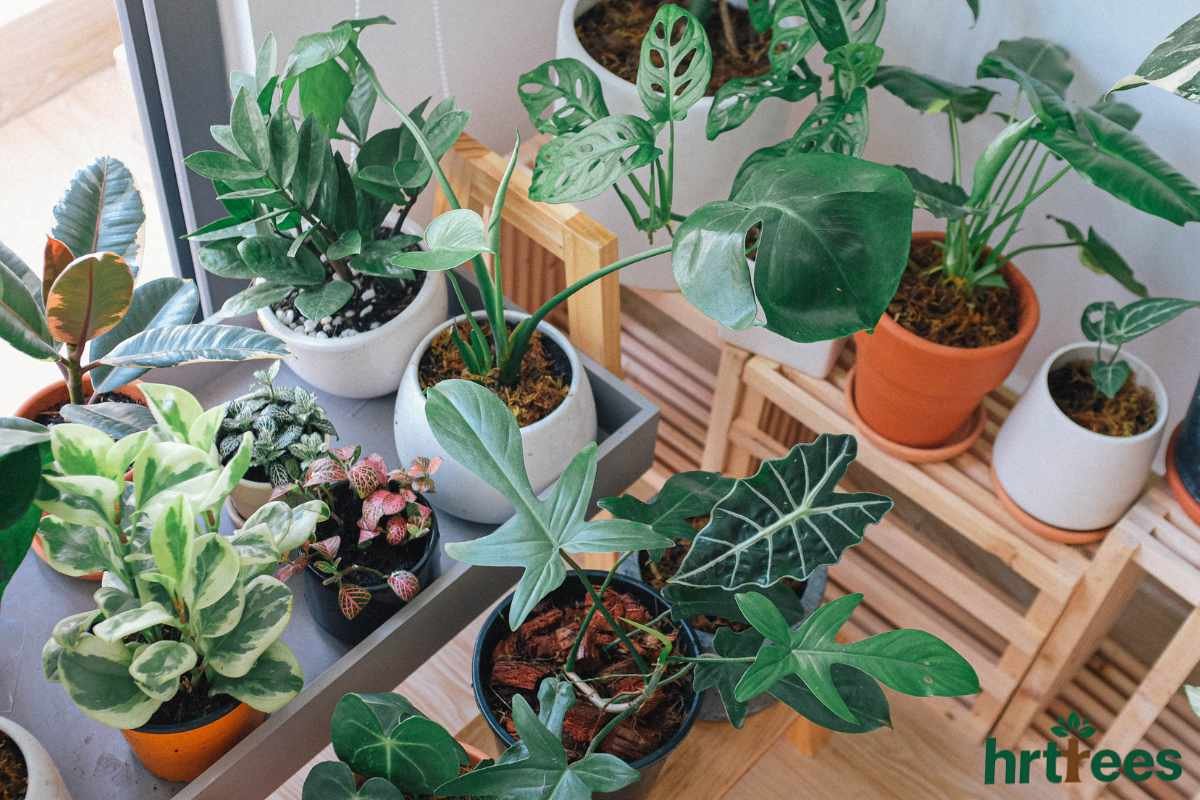
Source: hrtrees.com
Faux plant
$75 purchase price plus $0 in assumed replacement or growing supplies equals $75 over five years.
Real plant that survives
$30 purchase price plus $10 in supplies equals $40 over five years.
Real plant with one replacement
$30 initial purchase, $10 in supplies, and a $15 replacement equals $55 over five years.
Use This Simple Cost Formula
You can compare your own choices with a simple formula. Add the purchase price, supplies, care costs, and replacement costs for the period you want to measure. Then divide the total by the number of years.
For example, if a faux plant costs $100 and stays in good condition for five years, its basic cost is $20 per year. If a real plant costs $25 and you spend another $15 on supplies over five years, its cost is $8 per year if it survives.
This calculation does not include the value of your time. If you pay someone to care for your plants, include that expense. If you enjoy gardening and already own the tools and supplies, your extra cost may be much lower.
Total plant cost divided by the number of years you keep the plant.
Cost per plant
Add all relevant expenses for each plant separately when comparing a mixed collection.
Why the Cheapest Option Can Change
The example shows that a real plant can remain cheaper if it survives. But if it dies more than once, the total may rise. A faux plant may also need replacement if its leaves fade, its stems break, or its material becomes damaged.
The best calculation uses a realistic lifespan for the exact plant and the conditions in your home. Avoid assuming that every artificial plant lasts forever or that every living plant needs yearly replacement.
Low replacement risk
A healthy real plant in a suitable room may offer excellent long-term value.
High replacement risk
A faux plant may be more economical when a real plant is unlikely to survive in the chosen spot.
Which Rooms Make Faux Plants the Better Buy?
Faux plants often make more financial sense in rooms where living plants struggle. A dark hallway, windowless bathroom, or high shelf may not provide the conditions a real plant needs. Buying a living plant for these spots can lead to poor growth and another purchase.
Artificial greenery gives you more freedom with placement. You can put it in a corner, on a shelf, or near an entryway without worrying about sunlight or watering access. This is useful when you want a consistent look in several parts of your home.
In American homes, common examples include apartment entryways, basement family rooms, office desks, and guest bathrooms. These areas may not have enough natural light for many houseplants. A faux plant can add color without creating another care task.
However, a room with a bright window can support many living plants. If you have the right conditions, buying a hardy real plant may cost less than a realistic artificial version.
Source: i.pinimg.com
Dark hallways
Use faux greenery when there is not enough natural light for a living plant.
Bathrooms without windows
Artificial plants add a green touch without depending on sunlight or regular watering.
High shelves
A faux trailing plant can decorate a high shelf without the need to reach it for watering.
Rental properties
Artificial greenery avoids soil spills and water damage from plant pots when placed and secured with care.
Home offices
Faux plants are useful when a desk is far from a window or when you do not want another task during the workday.
Living Rooms and Bright Windows
A bright living room can be a good place for real plants. You may be able to grow a pothos, spider plant, or other suitable variety with basic care. These plants can add new leaves over time, giving you more greenery without buying a replacement.
A faux plant is still useful if you want a specific shape or size right away. For example, a large artificial olive tree can fill an empty corner without waiting for a living tree to grow.
Choose real plants for suitable light
Use the window direction and the plant’s light needs to guide your choice.
Choose faux plants for instant size
Use artificial trees when you want a full decorative shape from the first day.
Bedrooms and Guest Rooms
A bedroom can support either type of plant, depending on light and care. A small living plant can work well near a bright window, while a faux plant can decorate a dark bedside table or a shelf away from the window.
Guest rooms are another useful place for artificial greenery. You can keep the room looking ready for visitors without asking someone to water plants while you are away.
For regular use
Choose a living plant if you enjoy caring for it and the room provides suitable conditions.
For occasional use
Choose a faux plant if the room stays empty for long periods.
When Real Plants Are More Affordable
Real plants can be the cheaper choice when you select hardy varieties and give them the right care. You do not need a large budget to start a small indoor garden. A modest plant in a basic pot can provide years of enjoyment.
Some houseplants grow new leaves and stems over time. You may also be able to propagate certain varieties from cuttings or divisions. This means one healthy plant can sometimes provide more greenery without another full-price purchase.
Real plants also offer something artificial plants cannot provide: living growth. Their leaves change, new stems appear, and some varieties flower. If you enjoy these changes, the value may be greater than the money saved by choosing a faux plant.
The key is to buy plants that suit your home instead of choosing a difficult variety because it looks attractive in a store. A suitable plant is less likely to need special supplies or early replacement.
Source: houseofhipsters.com
Hardy varieties
Choose plants that match your light, temperature, and watering routine.
Plant growth
A healthy plant may become fuller over time without needing another purchase.
Propagation
Some plants can be grown from cuttings or divided when they become large enough.
Existing supplies
If you already own suitable pots, soil, and basic tools, the extra cost of another plant may be low.
Low-Cost Plants Worth Considering
Pothos is a common choice for indoor growing because it can adapt to a range of indoor conditions, although it still needs suitable light and water. Spider plants can produce small plantlets that may be rooted to create new plants. Both can offer good value when their needs are met.
Snake plants are another option for people who prefer a plant that does not need frequent watering. They still need suitable light, a draining pot, and protection from excessive moisture. No houseplant is completely care-free.
Pothos
A trailing plant that can add greenery to shelves and hanging planters. Check the light needs of the variety you choose.
Spider plant
A useful choice for bright indoor spaces and a plant that can produce new plantlets.
Snake plant
A popular choice for people who prefer less frequent watering and a simple upright shape.
ZZ plant
A slow-growing houseplant that can suit some lower-light indoor spaces, though it still needs appropriate care.
Growing New Plants Can Reduce Future Spending
Propagation is one way to lower the cost of a living plant collection. Depending on the species, you may be able to grow a new plant from a stem cutting, leaf, or division. This can help you fill empty pots or share plants with friends.
You still need a suitable growing medium and a place for the new plant to develop. Not every species can be propagated in the same way, so check the method before cutting or dividing a plant.
Use healthy parent plants
Choose strong, healthy growth when taking cuttings or dividing a plant.
Follow the right method
Use a propagation method that suits the plant species.
How Long Do Faux Plants Last?
The lifespan of a faux plant depends on its material, build quality, location, and care. A well-made artificial plant kept indoors and away from harsh sunlight may stay attractive for years. A cheap model with thin leaves or weak stems may show wear much sooner.
Sunlight is an important factor. Some artificial materials can fade or become brittle after long exposure to direct sunlight. A plant placed beside a sunny window may therefore need replacement sooner than one kept in a shaded indoor corner.
Dust also affects how an artificial plant looks. It can collect on flat leaves, small branches, and textured surfaces. Regular cleaning helps keep the plant looking fresh and can prevent a layer of dust from making it appear old.
You should not assume that a faux plant will last forever. Leaves can bend, stems can break, and some colors may change. A fair long-term comparison should include the chance that you will eventually replace it.
Source: artificialplantssupplier.com
Material quality
Thicker leaves, sturdy stems, and well-made joints may hold their shape better with normal indoor use.
Sun exposure
Strong direct sunlight can cause some materials to fade or wear more quickly.
Cleaning habits
Regular dusting helps maintain the appearance of artificial leaves.
Handling
Frequent bending, moving, or pulling can damage leaves and branches.
How to Make Faux Plants Last Longer
A little care can protect your artificial greenery and help you get more value from the purchase. Start by placing it in a suitable indoor spot where it will not receive constant direct sun or get knocked over.
Dust the leaves with a soft cloth or feather duster. For washable materials, follow the manufacturer’s cleaning directions before using water. Avoid harsh cleaners that could damage the finish or color.
When storing a faux plant, use a clean, dry space. Do not crush the leaves under heavy objects. Keep the stems in a position that does not force them into sharp bends.
Dust regularly
Use a soft cloth, duster, or another suitable cleaning method to remove loose dust.
Keep it away from harsh sun
Choose a location that reduces prolonged exposure to strong direct sunlight.
Handle it gently
Move the plant by its base or sturdy structure instead of pulling individual leaves.
You do not need to replace a faux plant simply because you have owned it for a certain number of years. Look at its condition instead. If the leaves have faded, the stems are broken, or the material has become damaged, replacement may make sense.
You can sometimes repair a loose leaf or adjust a bent branch. If the damage is small, a simple repair may cost less than buying a new plant. Replace the whole item only when it no longer looks good or cannot be repaired.
Faded color
Replace it when the leaves have lost their appearance and cleaning cannot improve them.
Broken structure
Check whether a damaged stem or loose branch can be repaired before replacing the plant.
Poor appearance
Consider replacement when the plant no longer suits the room or looks visibly worn.
Do Faux Plants Save Time as Well as Money?
Yes, faux plants usually save time because they do not need watering, pruning, feeding, or repotting. This can be a major benefit if you work long hours, travel often, or simply do not enjoy plant care.
Real plants need regular checks. You must look at the soil, watch for yellow leaves, remove dead growth, and check for insects. These tasks do not always take long, but they become more noticeable when you own many plants.
Artificial plants still need cleaning. Dust can settle on their leaves, especially in rooms with open windows, pets, or frequent activity. You may need to clean them more often if they sit near a busy entrance or on an exposed shelf.
The time savings may matter more than the direct dollar savings for some households. If you enjoy caring for plants, the work may be part of the fun. If you want greenery without another routine, faux plants can be a better fit.
Source: i.pinimg.com
Faux plant routine
Dust the leaves, check for damage, and adjust the branches when needed.
Real plant routine
Check soil moisture, water when needed, remove dead leaves, and watch for pests or disease.
Collection size matters
A few plants may need little time, while a large indoor garden can require a more regular care routine.
A Busy Lifestyle Can Make Faux Plants More Practical
If you travel for work or take long vacations, living plants may need someone to care for them while you are away. Some varieties can tolerate a short period without water, but others need more regular attention.
Faux plants do not depend on anyone being home. You can leave them in place while you travel without arranging watering visits. This can remove an extra task from your travel plans.
Frequent travel
Faux plants are useful when you cannot provide regular plant care.
Long workdays
Artificial greenery adds decoration without creating a daily watering task.
Low-maintenance decor
Faux plants work well when appearance is your main goal rather than growing a living collection.
Are Faux Plants Better for Every Home?
No. Faux plants are useful for certain needs, but they cannot replace everything a living plant offers. A real plant grows, changes, and responds to its surroundings. An artificial plant stays much the same unless it becomes damaged or fades.
Real plants can also support a connection with nature. Caring for a growing plant may be relaxing and rewarding. If you enjoy gardening, the time spent watering and pruning may not feel like a cost at all.
Faux plants are better when you want steady decor with little care. They are also useful in places where light or access makes living plants hard to maintain. The right choice depends on what you want from the greenery.
There are other practical differences worth considering. Real plants need suitable growing conditions and may be unsafe for pets if you choose a toxic species. Artificial plants do not have botanical sap, but pets can chew and swallow their parts, which may create a choking or blockage risk.
Source: homixkit.com
Choose faux plants for convenience
They suit people who want greenery without regular watering, feeding, or plant care.
Choose real plants for growth
They suit people who enjoy watching new leaves grow and caring for living things.
Consider pets
Check the safety of living plant species and keep artificial leaves and small parts away from animals that chew them.
Consider allergies and dust
Artificial leaves can collect dust, while living plants may involve pollen, soil, or mold concerns in some settings.
Do Real Plants Clean Indoor Air Better?
Real plants take in carbon dioxide and release oxygen as part of photosynthesis. However, this does not mean a few houseplants will clean the air in a typical American home or replace proper ventilation.
Artificial plants do not carry out photosynthesis or remove indoor pollutants. They are decorative items, not air-cleaning devices. If your main goal is better indoor air, focus on suitable ventilation, source control, and appropriate air filtration rather than relying on either type of plant.
Living plants
They carry out natural plant processes, but ordinary household displays should not be treated as a substitute for indoor air quality measures.
Artificial plants
They provide a green appearance but do not absorb indoor pollutants through biological processes.
Which Option Is Better for Pet Owners?
Pet owners should check the exact plant species before bringing living greenery home. Some common houseplants can be harmful if cats or dogs chew them. Keep potentially unsafe plants out of reach and use reliable plant safety information when making a choice.
Faux plants avoid the risks linked to toxic plant sap, but they are not meant to be chewed. Plastic leaves, wire stems, and small pieces may be dangerous if swallowed. Choose a secure location where pets cannot pull the plant apart.
Check plant species
Verify whether a living plant is suitable for your pets before buying it.
Secure artificial greenery
Keep loose leaves, small decorative parts, and wire stems away from pets that chew household items.
How to Choose the Best Value for Your Budget
The best way to save money is to match the plant to the room and your routine. Do not buy a living plant for a dark corner if it needs bright light. Do not spend a large amount on a faux tree if a small living plant would give you the look you want.
Start by deciding what matters most. If you want a full decorative plant today, a faux model may be worth the higher first price. If you enjoy caring for plants and have a suitable window, a living plant may offer more value.
Look at quality before buying either option. A cheap artificial plant may have shiny leaves, weak stems, or an unnatural shape. A cheap real plant may have pests, damaged roots, or poor health. A low price is not a bargain if you need to replace the item soon.
You should also think about the pot and display. A good container can improve the appearance of either type. Reusing a planter you already own can lower your total cost.
Source: provincialhomeliving.com.au
Set a total budget
Include the plant, pot, soil, fertilizer, cleaning supplies, and likely replacement costs.
Check your room
Consider natural light, temperature, available space, and how easy it is to reach the plant.
Think about your routine
Choose a living plant if you enjoy care tasks and a faux plant if you prefer simple decoration.
Look at long-term quality
Check the materials and build of faux plants or the health and growing needs of real plants.
A Simple Decision Table
Use this table to match your needs with the option that may offer better value. These are general buying guidelines, not fixed rules for every household.
You have a dark room
A faux plant is often the more practical choice because it does not need sunlight.
You have a sunny window
A real plant may cost less if you choose a suitable, easy-care variety.
You travel often
A faux plant avoids the need to arrange plant care while you are away.
You enjoy gardening
Real plants may offer better personal value because their care is an activity you enjoy.
You need a large tree now
A faux tree can provide the desired size and shape without years of growth.
You want to grow your collection
Real plants that can be propagated may help you create more greenery at a lower cost.
Consider Mixing Faux and Real Plants
You do not have to choose only one type. A mix of real and artificial plants can offer a good balance between cost, appearance, and care. Put living plants near suitable windows and use faux greenery in places where real plants would struggle.
For example, you could place a real pothos near a bright window and use an artificial olive tree in a darker living room corner. A faux trailing plant can also decorate a high shelf while a living plant sits on a reachable table.
This approach can help you avoid buying replacement plants for unsuitable locations. It also lets you enjoy living greenery without making every room part of your plant care routine.
Use real plants where they thrive
Give living plants the light, water, and space they need.
Use faux plants for difficult spots
Decorate dark corners, high shelves, and rooms that are not used often.
Common Money-Saving Mistakes to Avoid
A low purchase price does not always mean a low long-term cost. The wrong plant for your room can die, while a poor-quality artificial plant may fade or break. Think about the full period of use before you decide.
Another common mistake is buying too many plants at once. A large collection can require more pots, soil, water, cleaning, and care. Start with a few items and learn what works in your home.
It is also easy to overlook the cost of decorative pots. A living plant may come in a basic nursery container, while a faux plant may come in a small weighted base. You may need to buy a separate planter for either one.
Finally, do not assume that artificial plants need no maintenance. Dust, dirt, and damaged leaves can make them look old. Regular cleaning helps protect the appearance and the money you spent.
Source: houseofhipsters.com
Buying without checking light
A plant may struggle if the room does not meet its light needs. Check the location before choosing a living variety.
Choosing the lowest-priced faux plant
Very cheap models may have weak materials or an unnatural finish. Check the leaves, stems, and overall shape.
Ignoring replacement costs
Include the possibility of replacing a dead real plant or a worn artificial one.
Buying too many plants
A large collection can increase supply costs and care time. Add plants at a pace that fits your budget.
Forgetting cleaning
Both types need attention. Real plants need care, while faux plants need regular dust removal.
Do Not Spend More Than You Need on Plant Supplies
You do not need a large collection of tools to care for a few houseplants. A suitable watering can, basic potting mix, and clean pruning scissors may be enough for many simple indoor plants.
Buy supplies based on the needs of your plants. Avoid purchasing special products unless they solve a real problem. The same rule applies to artificial plants: use simple cleaning tools that are suitable for their materials.
Reuse suitable planters
Clean existing containers before using them for another plant, and make sure living plants have proper drainage.
Buy supplies as needed
Avoid collecting fertilizer, soil treatments, and tools that you may never use.
Follow care instructions
Use plant food and cleaning products according to their labels.
The Environmental Cost Is Different From the Money Cost
A lower financial cost does not automatically mean a lower environmental impact. Most faux plants use synthetic materials such as plastic, foam, fabric, and metal wire. These materials can be difficult to separate and recycle when the plant reaches the end of its useful life.
Living plants are biological products, but their production also uses resources. Nurseries may use plastic pots, growing media, water, fertilizer, and energy. Shipping and packaging add further impacts.
A faux plant that stays in use for many years may avoid repeated purchases, but it still contains materials that may not break down easily. A real plant can keep growing when properly cared for, and some varieties can be propagated rather than replaced.
If environmental impact matters to you, consider the full product life rather than only its purchase price. Reuse pots, avoid unnecessary replacements, and choose items that you can keep for a long time.
Source: hrtrees.com
Faux plant materials
Check whether the plant contains plastic, fabric, foam, metal, or other materials that may be hard to recycle.
Living plant supplies
Consider the resources used for growing, packaging, transporting, and maintaining the plant.
Long-term use
Keeping either type in good condition for longer can reduce the need for frequent replacement purchases.
Reuse and repair
Reuse suitable containers and repair damaged decorative items when practical.
Can You Recycle Faux Plants?
Recycling a faux plant is not always simple because it may contain several materials joined together. Plastic leaves, metal wire, foam, and fabric may need different disposal methods. Many local recycling programs do not accept mixed-material decorative items.
Check your local waste service before putting an artificial plant in a recycling bin. If it is still in good condition, consider giving it away or donating it. Reusing the item is often more practical than trying to separate every part.
Donate usable plants
Offer artificial greenery that is clean and in good condition to someone who can use it.
Check local rules
Ask your local waste service which materials and mixed products it accepts.
Repair before replacing
Fix loose stems or minor damage when doing so is practical and safe.
Frequently Asked Questions
Q
Are faux plants cheaper than real plants over five years?
Faux plants can be cheaper over five years because they do not need water, fertilizer, soil, or regular repotting. However, a healthy real plant can still cost less if it survives and needs only basic care.
The best way to compare them is to add the purchase price, supplies, maintenance, and possible replacement costs for both options. The result depends on the plant and your home.
Q
Do fake plants last longer than real plants?
A good-quality faux plant can remain attractive for years indoors without the risk of wilting or dying. Its lifespan depends on the material, cleaning, handling, and exposure to sunlight.
Real plants can also live for many years when they receive suitable care. Some grow larger over time, while others may need replacement if their conditions are not right.
Q
Are expensive faux plants worth the money?
An expensive faux plant may be worth the price if it has realistic leaves, sturdy stems, a natural shape, and materials that suit your intended location. These features can help it look attractive for longer.
Compare the quality and expected use rather than choosing by price alone. If the plant looks unnatural or feels poorly made, a high price does not guarantee good value.
Q
Do faux plants need maintenance?
Yes. Faux plants need occasional dusting and gentle cleaning to keep their leaves looking fresh. They may also need minor repairs if a stem bends or a leaf comes loose.
They do not need watering, sunlight, fertilizer, pruning for growth, or repotting. This makes their maintenance much simpler than that of living plants.
Q
Are real plants worth the extra care?
Real plants can be worth the care if you enjoy growing them and have a suitable place for them. They produce new leaves, change over time, and may provide years of enjoyment.
They can also be affordable when you choose hardy varieties and avoid unnecessary supplies. The extra care is less likely to feel like a burden if you enjoy the process.
Q
Should I use faux plants or real plants in a dark room?
Faux plants are usually the more practical choice for rooms with very little natural light. They do not depend on sunlight, so you can use them in hallways, windowless bathrooms, and dark corners.
Some living plants tolerate lower light than others, but low light does not mean no light. If you want a real plant, check its needs and consider whether a suitable grow light is practical.
Q
Can I mix real and artificial plants in my home?
Yes. Mixing both types is a useful way to balance cost, convenience, and appearance. Put living plants in areas where they can grow well and use faux plants in spots that are hard to maintain.
For example, place a real plant near a bright window and an artificial tree in a dark corner. You can enjoy natural growth without having to care for a living plant in every room.
✦ Wrapping Up
Conclusion
Faux plants can be cheaper than real plants in the long run, especially when you need greenery for dark rooms, high shelves, busy spaces, or areas where living plants often struggle. Their lack of watering, fertilizer, soil, and replacement needs can make them a good value over several years.
Real plants can still be the more affordable choice when you buy suitable varieties and care for them well. A healthy plant may grow, produce new leaves, and remain part of your home for many years. You may also enjoy the process of caring for something alive.
The smartest choice is not always the one with the lowest price tag. Look at the purchase cost, ongoing supplies, care time, expected lifespan, and replacement risk. When you compare these factors, you can choose greenery that fits both your home and your budget.
💡 Key Takeaway
Before buying, compare one faux plant and one similar-sized real plant. Add their purchase prices, expected care supplies, and possible replacement costs over five years. Choose the option that gives you the best value for your room, lifestyle, and budget.