

I’ve made soup in all kinds of kitchens—hot, humid spaces like a Florida summer and even cold nights that feel like a Midwest winter. Sometimes you don’t have much on hand, and you wonder, can I make miso soup with just miso paste and still enjoy it? I’ve tried it myself, with nothing but hot water and a spoon, and the result might surprise you.
This guide keeps it real—simple steps, honest taste, and small tweaks that actually work. No fancy tools, no stress. Just warm, quick comfort when you need it most.
Yes, You Can — But Here’s the Catch
One night, I got home late. I was tired and just wanted something warm. I looked in my kitchen and saw only miso paste. So I tried it. I kept thinking, can I make miso soup with just miso paste and still enjoy it?
Here’s what I learned from that simple bowl:
- Yes, miso paste + hot water = basic miso soup
- It tastes light and a bit flat
- But it still feels warm and comforting
When I took the first sip, it was salty and soft. Not rich like restaurant miso soup, but not bad either. It did the job. On a quiet night, that simple cup felt just right.
What Is Miso Paste, Really?
Before I kept asking, can I make miso soup with just miso paste, I had to stop and think—what is this paste I keep using? One afternoon, while standing in my kitchen, I took a small taste on a spoon. It was strong, salty, and kind of deep. Not something you eat alone, but it clearly had power.
Miso paste is not just “soup flavor.” It’s a fermented food, and that slow process gives it that rich, savory taste we call umami. Once I understood that, my soup started to make more sense.
Key Ingredients in Miso Paste
When I checked the label and did a bit of digging, I found it’s actually quite simple:
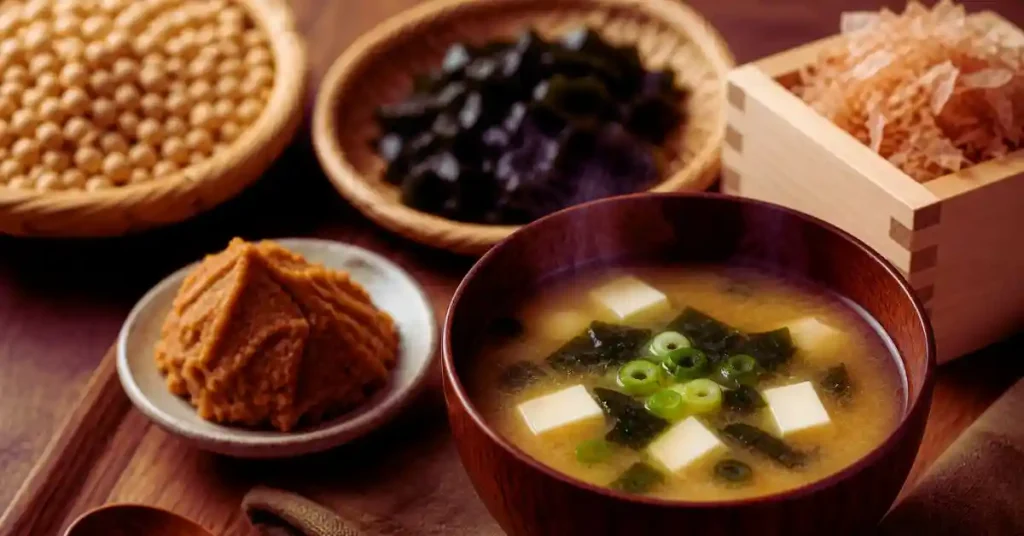
- Fermented soybeans
- Salt
- Koji (this helps fermentation)
- Sometimes rice or barley
That’s it. No fancy stuff. But the way it’s made changes everything.
Flavor Profile
The first time I really paid attention to the taste, I noticed a few things:
- Salty right away
- Deep umami flavor that lingers
- A slight sweet or earthy note, depending on the type
Some miso feels light and smooth. Others hit hard and taste bold. I once used a strong one by mistake—let’s just say I needed a lot more water to fix that bowl.
Can I Make Soup From Miso Paste Alone?
I remember one rainy evening. The kitchen felt quiet, and my fridge was almost empty. I stood there thinking, can I make miso soup with just miso paste and still call it a real soup? I decided to try it anyway. No extras. Just water and miso.
It worked—but I won’t lie, it felt very basic. Still, that warm cup in my hands made the night a bit better.
The Simplest Method (2 Minutes)
This is exactly what I did, and I still use it on busy days:
- Heat 1 cup of water (keep it warm, not boiling)
- Add 1–2 teaspoons miso paste
- Stir well until it blends smooth
I usually use a spoon and press the paste against the side of the cup. It helps it melt faster. No lumps, no fuss.
What It Tastes Like
When I took a sip, here’s what stood out to me:
- Light and a bit salty
- Missing that deep broth flavor
- Still warm and soothing
It’s not rich like a full miso soup with dashi. But on a tired day, it still feels good. Simple, quiet, and enough to get you through.
Why Traditional Miso Soup Tastes Better
After a few tries, I started to notice something. When I made soup with just paste, it was fine. But when I tasted a proper bowl at a small local spot one cool evening, it felt different. Richer. Deeper. That’s when I realized why people don’t just stop at asking, can I make miso soup with just miso paste—they go a step further.
That extra depth comes from one simple thing.
The Role of Dashi
The first time I used dashi at home, I could smell the change right away. It had this soft ocean-like scent. Not strong, just warm and inviting.
Dashi is a light broth made from:
- Seaweed (kombu)
- Dried fish flakes (bonito)
When I added it to my soup, here’s what I noticed:
- A deep umami flavor that felt full
- A smooth, rounded taste
- A balance that plain miso water just didn’t have
It didn’t take much effort, but the result felt like a real upgrade.
Without Dashi…
I’ve gone back to plain miso soup many times, especially on busy days. And each time, I can tell the difference.
- The soup feels thinner
- The flavor is more one-note
- Still drinkable, just less exciting
It’s not bad at all. It just feels like something is missing. Kind of like music playing on low volume—you hear it, but it doesn’t fully hit.

Easy One-Pot Miso Soup Recipe (Better Than Plain)
After trying the plain version a few times, I wanted more. I kept thinking, can I make miso soup with just miso paste but still make it taste better without much effort? One quiet evening, I added a few simple things I had lying around. That small change made a big difference.
It still felt easy. Still quick. But now it tasted like real miso soup, not just hot miso water.
Ingredients
This is what I usually grab. Nothing fancy, just basics:
- 1 cup water
- 1–2 tsp miso paste
- Optional add-ins:
- Soft tofu cubes
- Green onions
- A bit of seaweed
I don’t always have everything. Even one extra item helps.
Steps
Here’s how I make it, step by step:
- Heat the water gently (I keep it warm, not boiling)
- Add tofu or any extras first
- Turn off the heat
- Stir in the miso paste slowly
I learned the hard way not to boil miso. Once I did, and the taste felt off. Now I always mix it at the end.
Why This Works
After a few tries, this method just clicked for me:
- It keeps the flavor smooth and rich
- The texture feels better with tofu or greens
- It stays quick and easy, no stress
It’s still simple. But now, it feels like a proper bowl of miso soup I actually enjoy.
Tips to Make Simple Miso Soup Taste Better
After a few basic bowls, I started to feel something was missing. I kept asking myself, can I make miso soup with just miso paste and still make it taste a bit richer? So I began to test small changes, right there in my kitchen, usually late at night when I didn’t want to cook much.
What surprised me was how tiny tweaks made a big difference. Nothing fancy. Just simple habits.
Small Upgrades
These are the little things I now do without even thinking:
- Add a drop of soy sauce for extra depth
- Toss in a bit of garlic or ginger for warmth
- Use warm water, never boiling
- Stir well so the paste blends smooth
One time, I skipped stirring properly. I got clumps. Not great. Since then, I take a few extra seconds to mix it right.
Texture Matters Too
Flavor is one part. Texture is the other half.
- Add soft tofu for a creamy bite
- Sprinkle green onions for a fresh, light crunch
I remember adding tofu for the first time. It felt like a real meal, not just a drink. Small change, big comfort.
Types of Miso Paste (And Why It Matters)
I didn’t think miso type mattered at first. I just grabbed whatever was on the shelf. Then one day, I made a bowl that was way too salty. I remember thinking, can I make miso soup with just miso paste if the paste itself tastes this strong?
That’s when I learned—not all miso is the same. The type you use can change your whole soup.
Common Types
Here’s what I’ve tried and noticed over time:
- White miso – mild, a bit sweet, very easy to like
- Yellow miso – balanced, not too strong, not too light
- Red miso – bold, salty, and much stronger
The first time I used red miso, I added my usual amount. Big mistake. The soup came out intense. I had to dilute it with more water just to fix it.
Best Choice for Simple Soup
After a lot of trial and error, I keep coming back to one:
- White miso is smooth and easy
- It blends well with just hot water
- Great if you’re keeping things simple
If you’re just starting or making quick soup, white miso makes life easier. It gives you a gentle flavor without too much risk.
Can I Make Miso With Just Miso Paste?
I’ve asked myself this more than once, usually when I’m standing in a quiet kitchen late at night. The fridge is almost empty, and I’m still thinking about that warm bowl of miso soup. So I end up wondering again—can I make miso soup with just miso paste, or is there more to it?
After trying it in different small ways, here’s what I’ve learned.
Short Answer
- Yes, for soup — you can make a simple bowl using just miso paste and hot water. I’ve done it on lazy nights when I didn’t feel like cooking at all. It still gives you something warm and salty to sip.
- No, for making new miso paste — that part is different. You can’t turn miso paste back into miso. It’s already the finished product.
Why
The main thing I realized is this: miso paste is already fully fermented. I remember reading the label one day while waiting for water to heat up. It made more sense after that.
- Miso paste has already gone through the full fermentation process
- That deep umami flavor is “done” during production
- You can dilute it for soup, but you can’t reverse it or rebuild it into something new
One evening, I tried to “improve” it by mixing extra ingredients like I would with a broth. But miso doesn’t work that way. It doesn’t need rebuilding—it just needs gentle handling.
So now I treat it more simply. If I just want comfort, I mix it with hot water and accept it as it is. If I want depth, I add extras like dashi or tofu. Either way, I’ve learned it’s already complete on its own.
Is Miso Soup Good for GERD?
I’ve thought about this question more than once, usually after a simple bowl of miso soup on a quiet night. It feels warm and gentle at first. But if your stomach is sensitive, like mine has been at times, you start to pay closer attention to how it actually sits with you.
GERD is one of those things where even “light” foods can feel different from day to day. So I’ve learned to be a bit careful, even with something as simple as miso soup made from just miso paste and hot water.
Potential Benefits
When I keep it simple, miso soup can feel pretty easy on the body.
- It’s warm, which usually feels calming on the stomach
- The soft texture makes it easy to sip slowly
- It can feel light compared to heavy meals late at night
I’ve had nights where a small bowl felt better than skipping food completely. Just something warm, nothing heavy.
Possible Triggers
But I also noticed it’s not perfect for everyone, especially with GERD.
- Miso is high in salt, which can feel a bit harsh if you have too much
- It’s fermented, and fermented foods don’t always sit well with sensitive stomachs
- On some days, even a simple bowl felt a bit “heavy” afterward
I remember once having it late in the evening, thinking it was harmless. It was fine at first, but later I could feel my stomach reacting a bit more than expected. That’s when I started paying closer attention to portion size.
Safe Tips
Over time, I learned a few simple habits that made it easier for me:
- I use less miso paste than I used to
- I keep it plain and avoid spicy or acidic add-ins
- I test small amounts first, especially on sensitive days
Now I treat it more like a gentle option, not an everyday guarantee. Some days it feels great. Other days, I skip it and go for something even simpler.
When Simple Miso Soup Is Actually Perfect
There are days when I stop overthinking it. I just reach for miso paste, boil a little water, and make a quick bowl of miso soup with just miso paste. It’s not fancy, but I’ve learned it fits certain moments really well.
One evening in Dhaka, after a long day outside, I didn’t feel like cooking at all. I made the simplest version I could. And honestly, it still felt right.
Real-Life Moments
I notice I usually go for simple miso soup in a few situations:
- Late-night quick meal when I’m too tired to cook
- Sick days when I want something warm and light
- A small starter before a bigger dinner
On those nights, I don’t want strong flavors. I just want something calm and easy to sip.
Why It Still Works
Even without dashi or extras, miso soup with just miso paste still has a few things going for it:
- It’s warm, and that alone feels comforting
- It’s fast, usually done in a couple of minutes
- It feels gentle on the stomach, especially when I keep it light
It’s not the richest soup, and I don’t expect it to be. But in the right moment, that simple bowl does exactly what I need.
Common Mistakes to Avoid
When I first started making miso soup with just miso paste, I honestly thought it was foolproof. Just hot water, a spoon, and I was done. But after a few bowls—some good, some not so great—I noticed the same small mistakes kept showing up.
Usually, it wasn’t about the recipe. It was about how I handled the miso paste.
What Not to Do
Here are the mistakes I’ve made myself, and learned to avoid:
- Boiling miso paste (kills flavor and nutrients)
I did this once in a hurry. I let the water boil and added the paste too early. The taste felt flat after that. No depth, just saltiness. Now I always turn the heat off first. - Adding too much (gets too salty fast)
This one got me more than once, especially on tired evenings. I thought “a little more will taste better.” It didn’t. It just turned the soup too strong to enjoy. - Skipping stirring (leads to clumps)
I remember rushing one night and not mixing it well. I ended up with small paste lumps at the bottom of the cup. Now I take a few extra seconds to stir properly. It makes a big difference.
After a while, I realized simple miso soup with just miso paste only works well when you treat it gently. Nothing complicated—just a bit of care with heat, amount, and mixing.

Final Thoughts (Keep It Real)
When I look back at all the times I made miso soup with just miso paste, it feels very simple. Almost too simple at first. But I’ve learned it has its own place in real life.
There were evenings when I came home tired, especially after long days out in places like Dhaka traffic, and I didn’t want anything complicated. I just wanted something warm in my hands. So I mixed miso paste with hot water and sat quietly for a few minutes. It wasn’t rich like restaurant miso soup, but it still gave me that calm feeling I needed.
Making miso soup with just miso paste is a bit like making tea without sugar. It’s plain, but still comforting in its own way. It may not have deep broth flavor or layers of umami, but on quiet nights, it still does the job. And honestly, sometimes that’s enough.
FAQs: Can I Make Miso Soup With Just Miso Paste?
1. Can I make miso soup with just miso paste?
Yes, you can make miso soup with just miso paste and hot water. It tastes light and simple, but still warm and comforting on busy or tired days.
2. What does miso soup with only miso paste taste like?
It tastes salty and mild. You get umami flavor, but it feels thinner than real miso soup with dashi or broth added for depth.
3. Why does my miso soup taste flat?
It can taste flat if you skip dashi or extras. Miso paste alone gives salt and umami, but not the full rich broth flavor.
4. Can I use any type of miso paste for quick soup?
Yes, but white miso works best for simple miso soup. It is mild, smooth, and less salty than red miso, so it blends easier.
5. Is miso soup with just miso paste healthy?
It can be light and easy to digest. But it is high in salt, so keep the amount small, especially if you eat it often.
To Get More About Kitchen Accessories Product You Can Visit Our Site. If You Found our Posts Helpful Leave a Comment Below