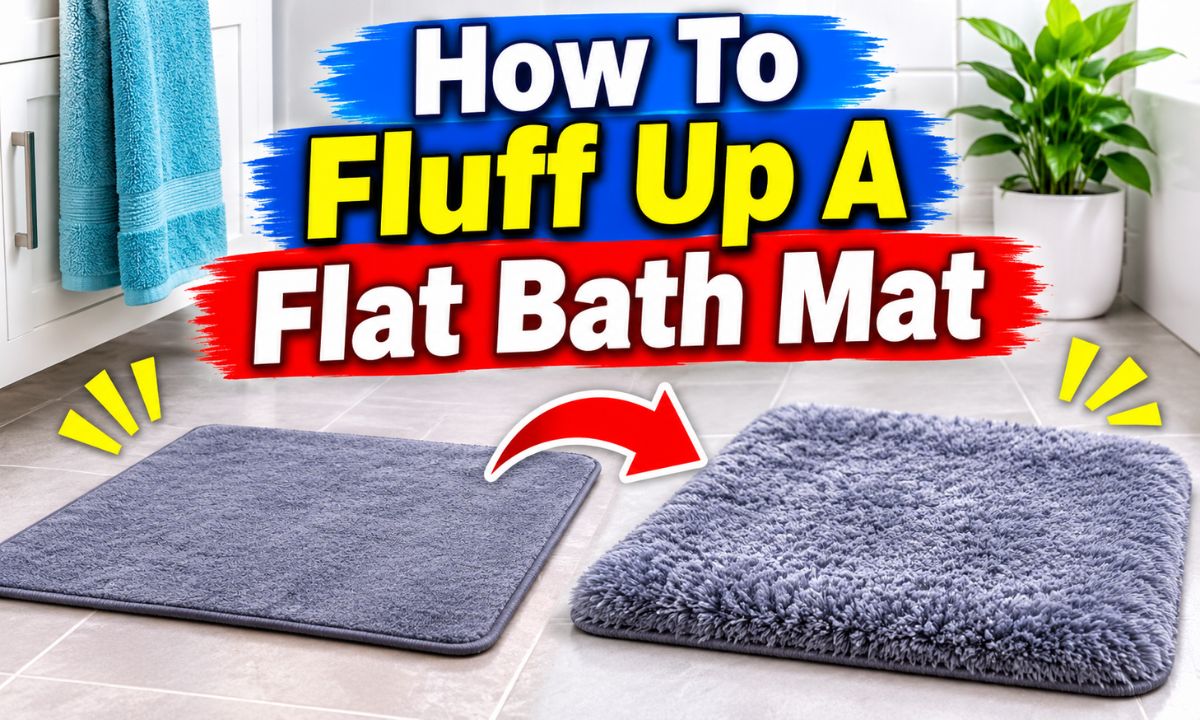
Wash your bath mat according to its care label, remove soap buildup, dry it properly, and gently brush the fibers to restore its fluffy feel.
A soft bath mat makes a bathroom feel warm and cozy. In American homes, bath mats sit outside showers, tubs, and bathroom vanities. They catch water from wet feet and help keep bathroom floors dry. But daily use can leave even a thick, plush mat looking thin, rough, and flat.
The good news is that you may not need to buy a new one. Dirt, soap, body oils, and trapped moisture can weigh down the fibers. A careful wash and the right drying method can help lift the pile again. You can also use a soft brush or your fingers to loosen crushed fibers after the mat dries.
The best method depends on the material. Cotton, microfiber, chenille, and memory foam do not all respond to the same care. A mat with a rubber backing also needs extra care because high heat can damage the underside. Start by checking the care label, then choose a method that fits your mat.
A bath mat becomes flat when its fibers lose their raised shape or become packed together. Every step presses the pile against the floor. Over time, repeated pressure can make the surface look thin and feel less soft.
Water also plays a part. Bath mats absorb water after showers and baths. If they stay wet for long periods, dirt and soap residue can build up inside the fibers. This buildup can make the mat feel stiff, heavy, and less fluffy.
The problem is not always permanent. If the fibers are still in good shape, cleaning and gentle grooming may help them stand up again. However, worn fibers and damaged foam cannot always return to their original condition.
Source: i.ytimg.com
Daily foot pressure
Walking on the same spots pushes the fibers down. The center of a bath mat often becomes flatter than the edges.
Soap and detergent residue
Too much laundry detergent or leftover soap can coat the fibers. This can make the surface feel stiff and clumped.
Excess moisture
A mat that stays damp for hours may develop a musty smell and lose its fresh, soft feel.
Wrong drying method
High heat can harm some synthetic fibers, rubber backing, and foam layers. Incorrect drying may make the mat harder to restore.
Natural wear
Old fibers may break, shed, or lose their shape. Cleaning cannot replace material that has worn away.
How to Tell Whether Your Bath Mat Can Be Restored
Look closely at the surface before you start. If the fibers are still present but pressed together, the mat may respond well to cleaning and brushing. If the pile feels dirty or sticky, washing may help remove the buildup.
Turn the mat over and inspect the backing. Look for cracks, peeling, loose rubber, or small pieces coming away from the surface. A badly damaged backing is a safety concern, especially on smooth bathroom tile.
Press the mat with your hand. If the surface feels soft but compressed, try restoring the fibers. If the padding stays crushed or has hard, broken areas, the mat may be beyond repair.
Good sign
The fibers are present, the backing is intact, and the mat feels soft when you press it.
Warning sign
The backing is sticky, cracked, or peeling, or the mat has permanent thin patches.
How To Fluff Up A Flat Bath Mat Step By Step
The best way to restore a flat bath mat is to clean it first, dry it safely, and then loosen the fibers. Brushing a dirty mat without washing it may only move dirt around. Cleaning first gives the fibers a better chance to regain their natural shape.
Before starting, gather mild laundry detergent, a soft brush, a clean towel, and a drying rack. You may also need a washing machine if the care label allows machine washing.
Do not assume that every bath mat can go in the washer or dryer. Check the label and inspect the backing before choosing a cleaning method.
Source: assets.onegoodthingbyjillee.com
What you need
Mild laundry detergent, a soft-bristle brush, clean water, a drying rack, and a clean towel. A washing machine is optional.
Before you begin
Read the care label, check the backing, remove loose hair, and look for signs of damage.
Step 1: Shake Out Loose Dirt and Hair
Take the bath mat outside and shake it gently. This helps remove loose dust, hair, lint, and small pieces of dirt trapped between the fibers.
If you cannot take it outside, shake it over a large trash can or use a vacuum with a suitable upholstery attachment. Avoid a strong rotating brush that could pull out delicate fibers.
Pay extra attention to the corners and edges. Dirt often collects in these areas, especially when the mat stays in one place for a long time.
Helpful tip
Use a lint roller to pick up loose hair from the surface before washing.
Step 2: Check the Material and Backing
Turn the mat over and identify the material. Check whether it has a rubber, latex, or other nonslip backing. Also look for a removable cover or foam insert.
A cotton mat may handle machine washing and low-heat drying if its label allows it. A rubber-backed mat usually needs air drying. Memory foam may need hand washing or separate care for its cover.
If the backing is cracked or peeling, do not put the mat in the washing machine. Loose backing pieces can come off during washing and may cause problems with the machine.
Step 3: Wash With Mild Detergent
If the label allows machine washing, use a gentle cycle and the recommended water temperature. Cool or cold water is a useful starting point for many synthetic and colored mats, but the manufacturer’s instructions should guide the final choice.
Add the correct amount of mild laundry detergent. More soap does not mean a cleaner mat. Extra detergent can remain trapped between thick fibers and make the surface feel stiff.
Wash the mat with a small load of similar soft items if the care label permits. Avoid heavy items with zippers, hooks, or rough surfaces that could catch the pile.
For a mat with a water-resistant backing, a lower spin speed may help reduce stress on the backing. An extra rinse can help remove leftover detergent when the care instructions allow it.
Use mild detergent
Choose a regular detergent that suits the mat’s material. Follow the product directions instead of adding extra soap.
Skip fabric softener
Fabric softener can coat fibers and reduce their ability to absorb water.
Avoid harsh treatment
Do not scrub delicate fibers hard or use bleach unless the care label clearly allows it.
Step 4: Remove Extra Water Gently
When the wash is complete, remove the mat and check how wet it feels. Do not twist or wring it hard. Strong twisting can damage the pile, backing, or foam inside the mat.
For a mat that allows gentle hand handling, press it between clean towels to absorb some of the water. Keep the mat in its natural shape while doing this.
If the mat is very heavy, support its full weight when moving it. Pulling one wet corner can stretch the material or damage the backing.
Step 5: Dry the Mat the Right Way
Drying is a key part of restoring softness. A fabric mat that allows tumble drying may become softer when dried on a low-heat or no-heat setting. Stop the dryer when needed and gently shake the mat to loosen the fibers.
Never assume that a rubber-backed bath mat is dryer-safe. Heat can weaken or crack the backing. Air-dry these mats on a flat rack or another suitable surface.
Memory foam also needs special care. Follow its label and avoid high heat or hard wringing. Some mats must dry flat to help them keep their shape.
Make sure the mat is fully dry before putting it back on the bathroom floor. Check the center, edges, and underside because thick materials can hold moisture inside.
For dryer-safe mats
Use the lowest permitted heat or a no-heat setting. Follow the care label.
For rubber-backed mats
Air-dry away from direct high heat. Keep the backing flat and supported.
For foam mats
Use the drying method stated by the manufacturer. Do not twist or crush the foam.
Step 6: Brush the Fibers Back Into Shape
Once the mat is fully dry, gently separate the fibers with your fingers. Work across the surface in small areas. This helps loosen fibers that have become pressed together.
You can also use a soft-bristle brush. Move it lightly in the direction of the pile, then change direction if the fibers remain clumped. Use short, gentle strokes instead of pressing hard.
For chenille mats, separate the soft tufts with your fingers. Avoid pulling the strands because this can cause shedding or loosen the yarn.
Do not use a stiff wire brush, rough scrubber, or sharp tool. These can tear the pile and leave thin spots.
Start gently
Test the brush on a small corner before treating the whole surface.
Work in sections
Brush a small area at a time to avoid missing compressed spots.
Finish with a shake
Give the mat a gentle shake to help loosen the pile and even out the surface.
How to Fluff Different Types of Bath Mats
The material makes a big difference when you want to restore a flat bath mat. Some fibers respond well to brushing, while others need careful washing and slow drying. Using the wrong method can make the mat flatter or damage its shape.
Check the following material guide before you start. It gives you a practical starting point, not a replacement for the care label.
Source: aqviz.com
Cotton Bath Mats
Cotton bath mats often have loops or a towel-like surface. These loops can become compressed with daily use. A proper wash can remove dirt and residue that make the loops feel stiff.
Wash the mat as directed on its label with mild detergent. If tumble drying is allowed, use low heat. Shake the mat after drying and gently separate any flattened loops with your fingers.
Avoid pulling individual loops. If a loop has come loose, do not tug it because this may create a larger damaged area.
Best approach
Clean with a suitable gentle cycle, dry according to the label, and shake the cotton loops back into shape.
Microfiber Bath Mats
Microfiber mats are soft and often have a plush surface. Their fine fibers can collect hair, lint, and soap residue. These materials can make the surface feel less smooth and fluffy.
Use a mild detergent and the wash settings approved by the manufacturer. Avoid fabric softener and dryer sheets because their residue may reduce absorbency.
If the mat is dryer-safe, use low heat or no heat. Once dry, use your fingers or a soft brush to separate clumped fibers. Do not use a strong vacuum brush that can pull at the pile.
Extra care
Wash microfiber separately from lint-producing fabrics when possible to reduce lint buildup.
Chenille Bath Mats
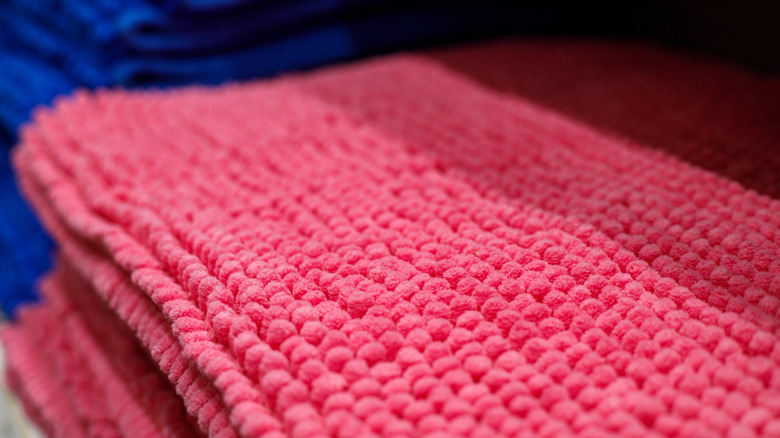
Chenille mats have a raised, tufted surface that feels soft underfoot. Their long strands can become pressed together after repeated use. Gentle cleaning and careful grooming may help restore their texture.
Wash a machine-washable chenille mat on the setting shown on its care label. Use mild detergent and avoid rough items that could snag the strands.
After drying, gently separate the chenille tufts with your fingers. A soft brush may help, but avoid pulling or combing too aggressively. Some chenille mats have delicate construction that can shed when handled roughly.
Best approach
Use gentle cleaning, safe drying, and light finger grooming to lift the tufts.
Memory Foam Bath Mats
Memory foam mats feel different from fabric mats. Their softness comes from the foam layer rather than a thick pile of fibers. When the foam becomes permanently compressed, brushing will not restore its original cushioning.
Check whether your mat has a removable cover. If it does, wash the cover as directed and care for the foam insert separately. If the cover cannot be removed, follow the manufacturer’s instructions for cleaning the complete mat.
Avoid twisting, folding, or pressing hard on wet foam. Allow it to dry fully in the recommended position. If the foam stays flat or develops hard areas, replacement may be the better option.
Important
A foam mat needs shape and moisture care, not aggressive brushing.
Rubber-Backed Bath Mats
Rubber-backed bath mats need extra attention because their backing helps them grip the floor. Heat can weaken some rubber and latex materials, causing cracks, peeling, or crumbling.
If the care label allows washing, use the recommended gentle cycle and water temperature. After washing, lay the mat flat or hang it in a way that supports its shape. Let it air-dry completely.
Do not put a rubber-backed mat in a hot dryer. Also, avoid placing it on the bathroom floor while the underside is still damp. A wet or damaged backing may not grip the tile properly.
Safety check
Replace a mat when its nonslip backing breaks down or no longer holds the floor securely.
Can You Use a Dryer to Make a Flat Bath Mat Fluffy Again?
A dryer may help restore the soft feel of some fabric bath mats, but only when the care label permits it. Gentle tumbling can loosen fibers that have become packed together. It may also help remove moisture more evenly.
The key is to use the correct heat setting. High heat can shrink some fabrics, damage synthetic fibers, and weaken rubber or latex backing. When you are unsure, air drying is the safer starting point.
A dryer does not repair worn-out fibers or crushed foam. It may improve the feel of a washable fabric mat, but it cannot restore material that has permanently broken down.
Source: housedigest.com
When Low Heat Is Suitable
Some cotton, nylon, and microfiber mats allow low-heat tumble drying. Follow the exact care instructions rather than assuming all mats made from the same material are identical.
If the label allows it, remove the mat when it is dry and give it a gentle shake. Do not leave it in a hot dryer for extra time just to make it feel softer.
When You Should Avoid the Dryer
Avoid the dryer when the mat has rubber or latex backing unless the manufacturer clearly permits a specific drying method. Also avoid high heat for foam mats and delicate materials.
If the label is missing and the mat has a nonslip backing, choose air drying instead of taking a chance with heat. The cost of damaging the backing can be greater than the benefit of faster drying.
Air-dry
Rubber-backed mats and materials that do not permit tumble drying.
Use low heat only if allowed
Cotton and synthetic fabric mats with clear dryer-safe instructions.
Follow special instructions
Memory foam and mats with removable covers or unusual construction.
Common Mistakes That Can Make a Bath Mat Flatter
Sometimes the way you clean a bath mat causes more damage than daily use. A few simple changes can help protect the fibers and keep the surface soft.
Avoid harsh cleaning methods and strong heat. A bath mat does not need aggressive treatment to become cleaner or fluffier. Gentle care is usually the better choice.
Source: i.ytimg.com
Using too much detergent
Extra soap can remain trapped in thick fibers. Use the amount recommended on the detergent package and consider an extra rinse if the label permits.
Adding fabric softener
Softener can leave a coating on the fibers. This may reduce absorbency and make the surface feel less fresh.
Using high dryer heat
High heat can shrink fabrics and damage some synthetic fibers, foam, and nonslip backing.
Scrubbing with a stiff brush
Hard bristles can pull out tufts and damage delicate chenille or microfiber.
Putting a wet mat back on the floor
Trapped moisture can lead to unpleasant odors and may affect the backing.
Ignoring backing damage
A mat with peeling or cracked backing can slide on smooth bathroom floors. Replace it when it no longer grips safely.
Should You Use Vinegar to Make a Bath Mat Fluffy?
White vinegar is sometimes used in laundry to help remove certain detergent residues and odors. However, it is not a guaranteed way to restore a flat bath mat.
Do not pour vinegar directly onto a mat without checking its care instructions. Some backing materials, coatings, and delicate fibers may not tolerate every cleaning product.
Never mix vinegar with chlorine bleach or products containing bleach. If the mat needs a deeper clean, use a suitable detergent and follow the manufacturer’s cleaning directions.
Can You Use a Hair Dryer or Steam Cleaner?
A hair dryer is not a reliable way to restore a bath mat. Direct heat can damage synthetic fibers or backing, especially when the dryer is held close to the surface.
Steam may also affect adhesives, foam, and certain backing materials. Avoid steam cleaning unless the manufacturer specifically approves it.
For most washable fabric mats, cleaning, safe drying, and gentle brushing are more practical than adding extra heat.
How to Keep Your Bath Mat Fluffy for Longer
Once your bath mat feels soft again, a few small habits can help it stay that way. The goal is to reduce moisture, dirt, and repeated pressure on the same spots.
You do not need to wash the mat every day. Regular cleaning, proper drying, and light grooming can help maintain its texture without wearing it out too quickly.
Daily
Hang or spread out the mat so it can dry after use.
Between washes
Shake out loose hair, lint, and dirt.
Regularly
Wash according to the care label and the amount of use.
During cleaning
Check the backing, seams, and pile for damage.
Let the Mat Dry Between Uses
After a shower, hang the mat over a suitable rack or spread it out so air can reach both sides. Avoid leaving it folded or bunched up on the floor.
Good airflow helps the mat dry more evenly. This is especially useful in small bathrooms where moisture can linger after a hot shower.
Wash It on a Regular Schedule
Wash the mat based on how often it is used and how quickly it becomes dirty. A frequently used mat may need weekly washing, while a lightly used one may need less frequent cleaning.
Always follow the care label. Washing too often with harsh products or the wrong settings can wear down the fibers and backing.
Keep Dirt and Hair Under Control
Shake the mat out between washes. Remove loose hair and lint before they become trapped deep inside the pile.
A quick check of the corners and edges can help you spot dirt buildup early. This makes regular cleaning easier and may reduce the need for heavy scrubbing.
Move the Mat From Time to Time
If you always step on the same part of the mat, that area may flatten faster than the rest. Turning or rotating the mat from time to time can spread out normal foot pressure.
Make sure the mat still sits flat and does not create a trip hazard after moving it. Check the backing and use a suitable nonslip surface when needed.
Troubleshooting: What If Your Bath Mat Is Still Flat?
If the mat remains flat after washing and drying, look at the type of damage before repeating the process. More washing or harder brushing will not always improve the result.
The table below matches common problems with likely causes and practical next steps.
Problem: Stiff fibers
Possible cause: detergent buildup. Next step: use a suitable rinse if the care label allows it.
Problem: Thin surface
Possible cause: long-term wear. Next step: try gentle grooming, then assess whether replacement is needed.
Problem: Bad odor
Possible cause: trapped moisture. Next step: clean and dry fully, then inspect for persistent mold or damage.
Problem: Sliding mat
Possible cause: damaged backing. Next step: stop using it until the slipping hazard is addressed.
The Fibers Still Look Clumped
Clumped fibers may contain leftover detergent or dirt. Check whether the mat feels sticky or stiff. If the care label allows it, another gentle rinse may help remove residue.
After the mat dries fully, separate the fibers with your fingers or a soft brush. Stop if the strands begin to shed.
The Mat Feels Soft but Looks Thin
The fibers may have worn down from regular use. If the surface has no major damage, gentle grooming may improve its appearance slightly.
However, if large areas have lost their pile, there may not be enough material left to restore the original thickness.
The Mat Has a Musty Smell
A musty smell may mean the mat is staying damp or has trapped dirt and residue. Check the underside and the area beneath the mat for moisture.
Clean it according to the label and dry it completely. If the smell remains or there are signs of mold, consider replacing the mat rather than continuing to use it.
The Backing Is Crumbling
Crumbling backing is not a fluffing problem. It means the material that helps the mat grip the floor is breaking down.
Do not try to repair a badly damaged nonslip backing with extra heat or harsh adhesives. Replace the mat if it no longer stays safely in place.
When Should You Replace a Flat Bath Mat?
Not every flat bath mat can be restored. Some mats become thin because their fibers or padding have reached the end of their useful life.
If cleaning and gentle brushing do not improve the surface, inspect the whole mat. Look for worn patches, broken seams, loose fibers, and damaged backing.
A new mat may be the better option when the old one no longer feels comfortable or stays safely in place. Do not keep using a slippery mat just because the top still looks attractive.
Permanent bald spots
Large areas have lost their fibers and cannot be made fluffy again.
Broken foam
The cushion has hard or permanently compressed areas.
Damaged backing
Rubber or latex is peeling, cracking, or leaving crumbs.
Persistent odor
A strong musty smell remains after proper cleaning and drying.
Loose seams
The edges are coming apart and the mat is losing its shape.
What Other Bath Mat Care Guides Often Leave Unclear
Many bath mat cleaning guides explain how to wash and dry a rug, but the material-specific steps matter just as much when the goal is to restore its texture. A washing method that works for cotton may not work for foam or a rubber-backed mat.
We reviewed guidance from Whirlpool, Mohawk Home, Fine Linen and Bath, and Merry Maids. Their instructions support checking the care label, using suitable detergent, choosing the correct drying method, and protecting delicate backing. The most useful distinction is that cleaning and fluffing are separate steps: washing removes buildup, while gentle grooming helps lift the fibers.
The next questions below address practical decisions that come after the main task. These are inferred reader needs based on the steps involved, rather than verified search-volume findings.
Next-Question Gap Map
Before washing: Can the mat go in the washer? The answer depends on its construction and care label. This is covered in the material and backing checks.
During drying: Can a dryer restore the pile? Sometimes, if the label allows low heat. Rubber-backed and foam mats need different care.
After washing: Why does the mat still feel flat? Residue, worn fibers, and compressed padding are different problems. The troubleshooting section explains how to tell them apart.
After restoration: How can the mat stay soft? Regular drying, sensible washing, and light grooming help reduce repeat flattening.
Frequently Asked Questions
Q
How do I make my bath mat fluffy again without washing it?
Start by shaking the mat to remove loose dirt and hair. If it is already clean and dry, use your fingers or a soft-bristle brush to separate the compressed fibers.
Brush gently in short strokes and avoid pulling the pile. This may improve the appearance of a slightly flattened mat, but it will not remove deep dirt or restore worn-out fibers.
Q
Can I put a flat bath mat in the dryer?
You can put some fabric bath mats in the dryer if their care labels allow it. Use the lowest permitted heat or a no-heat setting.
Do not put rubber-backed mats in a hot dryer unless the manufacturer clearly approves that method. Heat can damage the backing and reduce its grip.
Q
Does fabric softener make bath mats fluffy?
Fabric softener is not a good choice for most bath mats. It can leave a coating on the fibers, which may reduce water absorption and affect their texture.
Use a suitable mild detergent instead. Follow the washing instructions and remove any soap residue with a proper rinse.
Q
How do I fluff up a chenille bath mat?
Wash the chenille mat according to its care label. Use mild detergent and a gentle cycle if machine washing is allowed. Dry it using the recommended method.
When fully dry, gently separate the chenille tufts with your fingers. A soft brush may help, but avoid pulling the strands or using stiff bristles.
Q
Why is my bath mat flat in the middle but fluffy around the edges?
The middle usually gets more foot pressure than the edges. Repeated stepping can press the fibers down and make the center look thinner.
Clean the mat if it has dirt or residue, then gently groom the pile. Turning the mat from time to time may help distribute normal wear more evenly.
Q
Can baking soda make a bath mat fluffy again?
Baking soda may help absorb some odors when used appropriately, but it does not rebuild flattened fibers or restore damaged foam.
If you use it, check the mat’s care instructions and remove all powder before use. Washing with suitable detergent and gentle brushing are more direct ways to address a flat, dirty fabric surface.
Q
How often should I fluff my bath mat?
You do not need to brush it every day. A gentle shake after washing and occasional finger grooming are usually enough to keep the fibers from staying packed together.
Focus more on letting the mat dry between uses and washing it when it becomes dirty. Regular care can help preserve its texture.
Q
Can a permanently flattened memory foam bath mat be restored?
Sometimes a memory foam mat may regain some shape after proper cleaning and drying, but permanently compressed foam may not recover.
Follow the manufacturer’s care instructions and avoid hard squeezing, twisting, or high heat. Replace the mat if the foam has become hard, uneven, or uncomfortable.
✦ Wrapping Up
Conclusion
A flat bath mat does not always need to be replaced. If its fibers are still in good condition, a careful wash, proper drying, and gentle brushing may help restore its soft and fluffy feel.
The most important step is to match your cleaning method to the material. Cotton, microfiber, chenille, memory foam, and rubber-backed mats all have different care needs. Avoid excess detergent, fabric softener, harsh brushing, and high heat when they are not allowed.
Once the mat feels soft again, keep it dry between uses and clean it when needed. These simple habits can help reduce buildup and slow down normal wear.
💡 Key Takeaway
Check your bath mat’s care label and backing first. Then clean it with suitable detergent, dry it safely, and gently brush the fully dry fibers to bring back as much softness as possible.