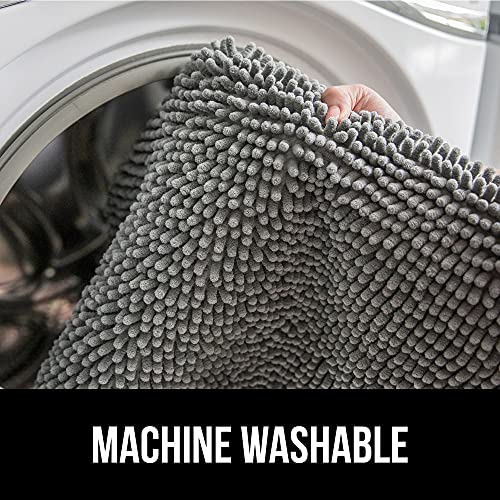
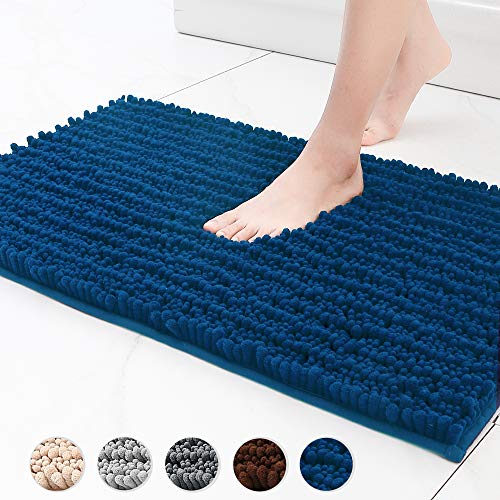
Wash a chenille bath rug according to its care label. If machine washing is allowed, use cold water, a gentle cycle, mild detergent, and low spin. Air-dry it fully before placing it back on the bathroom floor.
In American homes, bathroom rugs deal with more than wet feet. They collect soap drops, loose hair, dust, skin cells, and moisture from daily showers. A soft chenille rug can make a bathroom feel warm and cozy, but it needs proper care to stay clean and fresh.
The good news is that cleaning a chenille bath rug does not need to be hard. The key is to protect its soft pile and any backing that may not tolerate heat or rough washing. Before you start, check the care label, look at the rug’s backing, and confirm whether the maker allows machine washing.
This guide explains how to wash a chenille bath rug by hand or in a washing machine. It also covers stain removal, drying, odor control, common mistakes, and what to do when a rug still feels damp after cleaning. These steps help you clean the rug without assuming that every chenille mat has the same fabric or construction.
Chenille is a type of yarn with a soft, fuzzy surface. Its raised fibers create the plush feel that makes chenille bath rugs comfortable under bare feet. The pile can hold dust, hair, and moisture, so regular cleaning matters.
However, not all chenille bath rugs are made in the same way. Some use polyester or microfiber fibers, while others may contain cotton or blended materials. The backing can also vary. It may be fabric, latex, rubber, PVC, or another grip material.
These differences matter because the pile and backing may react differently to water, detergent, spinning, and heat. A rug with a washable fabric backing may tolerate a machine cycle that could damage a rug with a heat-sensitive grip layer.
Treat the care label as the main source of instructions. If the label is missing, check the product listing or contact the manufacturer before using a washing machine.
Source: remotestylist.com
Chenille pile
The soft raised fibers on top of the rug. Gentle cleaning helps reduce matting, tangling, and fiber loss.
Backing
The layer underneath the rug. Its material can determine whether machine washing and tumble drying are safe.
Care label
The best guide to water temperature, washing method, detergent, drying, and cleaning limits.
Why the Backing Needs Special Care
The backing helps the rug keep its shape and may help it stay in place on the floor. Some grip coatings can crack, peel, or break down when exposed to high heat or harsh cleaning products.
If the backing feels sticky, brittle, cracked, or flaky, do not put the rug through a normal machine wash. A damaged backing may release small pieces during washing and may no longer provide reliable grip. Replace the rug if the damage makes it unsafe to use.
Rubber-backed rugs
Follow the label closely and avoid high heat unless the maker clearly permits it.
Fabric-backed rugs
These may be easier to wash, but the pile and seams still need gentle handling.
What You Need Before Washing a Chenille Bath Rug
Gather your supplies before you start. A few basic items are enough for routine cleaning, and you do not need a special rug-cleaning machine for most washable chenille mats.
Choose a mild laundry detergent that suits the rug’s fiber and color. Avoid mixing cleaning products. Strong stain removers may harm the pile or backing, so test any permitted spot treatment on a hidden area first.
Source: maidtoplease.com
Mild laundry detergent
Use a small amount that is suitable for the fabric and washing machine.
Vacuum cleaner or soft brush
Remove loose hair, dust, and dry dirt before washing.
Clean towels
Use them to blot spills and remove extra water after hand washing.
Laundry mesh bag
Use one if the rug is small enough and the care label allows machine washing.
Drying space
Prepare a clean, airy place where the rug can dry fully without sitting on a damp floor.
Check the Rug’s Condition First
Look over the entire rug before adding water. Check the corners, edges, seams, pile, and backing. Loose threads, open seams, or damaged grip material may get worse during a wash cycle.
If the rug has a loose edge, avoid pulling at it. If the backing is shedding or peeling, stop and consider replacement. Washing cannot repair worn construction.
Loose fibers
Trim only loose stray threads when safe. Do not pull them out of the pile.
Weak seams
Repair minor stitching problems before washing or use a gentle hand-cleaning method.
How to Wash a Chenille Bath Rug in a Washing Machine
If the care label says the rug is machine washable, a gentle cycle is usually the best starting point. Cold water and mild detergent can help remove everyday dirt while limiting exposure to heat and rough movement.
Do not assume that a chenille rug is machine washable just because it looks like an ordinary fabric mat. Check the label first. If the label says hand wash only, dry clean, or spot clean, follow that instruction instead.
Use a washer that can hold the rug without forcing it into a tight bundle. An overloaded washer may not clean or rinse the rug well. A very heavy wet rug can also put extra strain on a small machine.
Source: breathemaids.com
Step 1: Shake off loose dirt
Take the rug outside or over a suitable bin. Shake it gently to remove dust, hair, crumbs, and loose debris.
Step 2: Vacuum the surface
Use a suitable upholstery attachment or gentle setting to lift hair and dry dirt. Avoid a strong rotating brush that may pull at the chenille pile.
Step 3: Treat visible stains
Blot fresh spills with a clean cloth. If the label permits, use a small amount of mild detergent diluted in cool water. Test it on a hidden spot first.
Step 4: Place the rug in the washer
Put a small rug in a laundry mesh bag if it fits without bunching. Wash it alone or with similar soft items when the washer can handle the load.
Step 5: Add mild detergent
Use the amount recommended for a small load. Extra detergent can remain in the fibers and make rinsing harder.
Step 6: Select a gentle cycle
Choose cold water and a delicate or gentle setting if these match the care label. Use a low spin setting if the machine offers one.
Step 7: Check the rug after washing
Remove the rug promptly. Look for remaining stains, detergent residue, loose fibers, or changes in the backing before drying.
Which Washer Settings Should You Use?
The exact settings depend on the rug’s label. When machine washing is approved, cold water and a gentle cycle are sensible choices for many chenille rugs. They reduce the stress caused by hot water and strong agitation.
A low spin can also help limit twisting and stress on the backing. If the rug comes out very wet, do not raise the spin speed without checking the care instructions. Press out extra water with clean towels or use another approved method.
Water temperature
Cold water is a cautious default when the label permits it.
Wash cycle
Use delicate or gentle rather than heavy-duty or bulky-item settings unless the maker says otherwise.
Spin speed
Choose low spin when available and allowed by the label.
Load size
Leave enough room for water to move through the rug and for the washer to balance.
Should You Wash a Chenille Rug With Towels?
You can wash a washable rug with similar soft laundry if the care label allows it and the washer has enough room. Avoid heavy jeans, items with hooks, rough fabrics, and garments with zippers that could catch the chenille fibers.
Do not add a large pile of towels just to balance the load. A bulky load can stop the rug from moving freely and may make rinsing less effective. If the rug is large or heavy, washing it separately may be the better option.
Suitable items
Similar soft fabrics without sharp hardware may be suitable if the machine can handle the combined load.
Items to avoid
Keep rough, heavy, sharp, or lint-shedding items away from the rug.
How to Hand Wash a Chenille Bath Rug
Hand washing is a useful choice when the care label requires it or when the rug is too delicate for machine movement. It gives you more control over pressure and lets you focus on dirty areas without twisting the whole mat.
Use a clean bathtub, basin, or large wash tub. Make sure the surface is free from cleaning chemicals before you begin. Never mix bleach, ammonia, vinegar, or other cleaning products.
Source: 33304223.s21i.faiusr.com
Step 1: Remove loose dirt
Shake or gently vacuum the rug before adding water.
Step 2: Fill a basin
Add cool or lukewarm water, depending on the care label. Leave enough space for the rug to move.
Step 3: Add mild detergent
Mix a small amount into the water until it is evenly spread.
Step 4: Soak briefly if permitted
Let the rug become wet, but do not leave it soaking for a long time unless the maker allows it.
Step 5: Clean gently
Press the water through the pile with your hands. Work on dirty areas with a soft cloth rather than scrubbing hard.
Step 6: Rinse well
Drain the soapy water and rinse with clean water until no obvious suds remain.
Step 7: Remove excess water
Press the rug gently between clean towels. Do not wring, twist, or stretch it.
How to Protect the Chenille Fibers During Hand Washing
Chenille can lose its neat, soft feel if you scrub it with a stiff brush or twist it while wet. Use gentle pressure and work in the direction of the pile when possible.
If the rug has a long or thick pile, rinse slowly so detergent does not stay trapped near the base. A clean rinse is just as important as the wash itself.
Press, do not scrub
Use light pressure to move water through the fibers.
Avoid twisting
Support the rug with both hands when lifting it.
How to Remove Stains From a Chenille Bath Rug
Treat stains before washing the whole rug when possible. A fresh spill is often easier to remove than a stain that has dried deep in the pile. Blot the spot with a clean white cloth instead of rubbing it back and forth.
Always check the care label before using a stain remover. Test any permitted cleaning solution on a hidden area and wait to see whether the color or texture changes. Do not use a strong chemical simply because a stain looks stubborn.
Source: m.media-amazon.com
For Soap and Shampoo Residue
Soap and shampoo can leave a dull or sticky area on the rug. Use a cloth dampened with cool water to blot the spot. If the residue remains and the label allows detergent, use a small amount of diluted mild laundry soap.
Rinse the area with a clean damp cloth. Remove as much moisture as possible with a dry towel and let the rug air-dry fully.
Avoid excess soap
Too much detergent can leave a film that attracts more dirt.
For Makeup and Personal Care Products
Makeup, lotion, and hair products may leave oily marks. Lift any solid material gently with a spoon or dull edge. Blot the remaining spot without spreading it into clean fibers.
Use only a stain treatment approved for the rug’s material. Some solvents and strong spot cleaners can affect dye, synthetic fibers, or backing. If the stain does not lift with mild cleaning, seek advice from the manufacturer or a cleaner familiar with the fabric.
Work from the outside inward
This can help keep a small stain from spreading across a larger area.
For Mud and Tracked-In Dirt
Let wet mud dry before trying to remove it, unless the rug’s care instructions say otherwise. Brush away the dry material gently and vacuum the remaining loose dirt. Then clean any mark left behind with a mild, label-approved method.
Do not grind wet dirt into the pile. That can push particles deeper into the fibers and make the stain harder to remove.
Remove dry soil first
Lift loose particles before applying water.
For Yellow or Dark Marks
Yellowing and dark marks can have several causes, including body oils, product residue, tracked-in dirt, or changes in the rug material. The color alone does not identify the cause.
Start with a small test using a mild cleaner approved for the rug. If the mark remains, do not keep increasing the strength of the product. A damaged or discolored fiber may not return to its original color through washing.
Do not use chlorine bleach by default
Bleach can damage dyes, fibers, and some backing materials.
How to Dry a Chenille Bath Rug Properly
Drying is a key part of washing a chenille bath rug. A rug can look dry on top while moisture remains trapped near the backing. Putting a damp rug back on tile, vinyl, or wood can leave moisture under the mat and may lead to odor or floor damage.
Air-drying is a cautious option when the care label allows it. Spread the rug flat on a clean drying rack or hang it so air can reach both sides. Keep it away from direct high heat and give the backing time to dry as well as the pile.
If the label permits a tumble dryer, use only the stated setting. Do not assume that a low-heat setting is safe for every rug. Some backing materials can be damaged by dryer heat even when the chenille fibers seem able to tolerate it.
Source: images-na.ssl-images-amazon.com
Step 1: Remove extra water
Press the rug between clean towels. Avoid wringing or twisting.
Step 2: Choose a suitable drying area
Use a clean, well-ventilated space away from damp floors.
Step 3: Allow air to move around it
Lay it flat on a rack or hang it securely, following the care label.
Step 4: Turn it if needed
If the drying method allows, turn the rug so both sides receive airflow.
Step 5: Check the backing
Feel the underside and thicker areas before putting the rug back in place.
Can You Put a Chenille Bath Rug in the Dryer?
You can use a dryer only when the manufacturer’s instructions permit it. Some chenille rugs may be suitable for low heat or air-only tumble drying, while others need to dry naturally.
A dryer can expose the rug to heat and repeated movement. This may cause problems for a backing that is not designed for tumble drying. If the label is missing or unclear, choose air-drying rather than guessing.
Use low heat only when approved
Follow the exact dryer setting on the care label.
Do not use high heat
High heat may damage some fibers, adhesives, or grip coatings.
Do not judge dryness by the top surface alone. Press a clean, dry towel against the pile and backing. If the towel picks up moisture, the rug needs more drying time.
Check thick corners, stitched edges, and the center. These areas may hold moisture longer than the open pile. Once dry, the rug should feel normal and should not have a damp or musty smell.
Dry pile
The fibers should not feel cool and wet or clump together from moisture.
Dry backing
The underside should not feel damp when pressed.
How Often Should You Wash a Chenille Bath Rug?
Wash a chenille bath rug when it becomes dirty, smells unpleasant, or no longer feels fresh. The right schedule depends on how many people use the bathroom, how often they shower, how well the room dries, and whether the rug is exposed to splashes.
A rug in a busy family bathroom may need cleaning more often than one in a guest bathroom. A mat that stays damp for long periods also needs closer attention. Regular washing does not replace daily care, such as hanging the rug to dry after use.
Source: 33304223.s21i.faiusr.com
Busy household bathroom
Check the rug often and wash it when visible dirt, residue, or odor builds up.
Guest bathroom
Wash it after periods of frequent use and before it is needed by guests.
Poorly ventilated bathroom
Give the rug extra drying time and clean it when it develops a persistent damp smell.
Bathroom with children or pets
Inspect for spills, tracked-in dirt, and other messes that may call for prompt cleaning.
Simple Care Between Washes
Small habits can reduce the amount of dirt and moisture that builds up between washes. Shake the rug outside when practical, remove loose hair, and hang it after a shower so air can reach the underside.
Keep the bathroom floor dry before replacing the rug. If the mat gets soaked, move it to a place where it can dry instead of leaving it flat on a wet floor.
Shake it out
Remove loose dirt and hair before they settle into the pile.
Let it breathe
Lift or hang the rug after use when the room is humid.
Clean spills promptly
Blot spills before they dry and become harder to remove.
Common Mistakes to Avoid When Washing Chenille Rugs
The biggest cleaning mistakes usually involve too much heat, too much detergent, or too much force. Chenille has a soft surface, and its backing may have different care needs from the pile.
A gentle method is not just about keeping the rug soft. It also helps preserve its shape, seams, and grip layer. If a rug’s label gives different directions, follow those directions instead of a general cleaning tip.
Source: remotestylist.com
Using hot water without checking
Hot water may affect dyes, fibers, or backing. Use it only when the manufacturer permits it.
Adding too much detergent
Extra soap can remain in thick fibers and make the rug feel stiff or sticky.
Using fabric softener
Softener can leave a coating on fibers and may affect how the rug absorbs water. Avoid it unless the care label specifically allows it.
Scrubbing with a stiff brush
Hard brushing may pull or mat the chenille pile.
Wringing the rug
Twisting can strain seams and backing. Press out water gently instead.
Drying on high heat
High heat may damage some backing materials and can change the rug’s shape.
Putting it back while damp
Trapped moisture can cause odor and may harm the floor underneath.
Ignoring a damaged backing
A peeling or cracked grip layer may no longer hold the rug in place and can create a slipping risk.
Should You Use Vinegar or Baking Soda?
Vinegar and baking soda are common home cleaning suggestions, but they are not automatically safe for every chenille rug. Their effects depend on the fiber, dye, backing, and other cleaning products already present.
Do not mix vinegar with bleach or other cleaners. Avoid sprinkling powders deep into the pile if you cannot remove them fully. Follow the care label and use a mild, compatible cleaner instead.
Check compatibility first
Use a home remedy only if the manufacturer confirms it is suitable for the rug.
Never mix cleaning chemicals
Combining products can create harmful reactions or fumes.
Troubleshooting: What If Your Chenille Bath Rug Still Looks Dirty?
If the rug still looks dirty after washing, do not immediately run it through several more cycles. First work out whether the problem is a stain, leftover detergent, trapped dirt, a change in the fibers, or damage to the material.
A second gentle rinse may help when soap residue remains and the care label permits it. If the rug has a permanent stain, color loss, or damaged pile, repeated washing may not fix the problem.
Source: m.media-amazon.com
The Rug Feels Sticky After Washing
A sticky feel may point to leftover detergent, conditioner, or product residue. Check whether the rug was rinsed well and whether too much detergent was used.
If machine rinsing is allowed, use an additional rinse with clean water. For hand washing, rinse again and press out excess water. Let the rug dry fully before judging its texture.
Likely issue
Soap or cleaning product remains in the pile.
What to do
Rinse with clean water using a method approved for the rug.
The Rug Smells Musty After Washing
A musty smell may mean the rug or its backing did not dry fully. It may also indicate that moisture stayed trapped underneath the rug while it was on the bathroom floor.
Move the rug to a ventilated area and inspect both sides. If the odor remains after complete drying, or if you see visible mold-like growth, stop using the rug until the cause is addressed. A rug with persistent contamination or a damaged backing may need replacement.
Likely issue
Trapped moisture, poor airflow, or residue.
What to do
Dry both sides fully and inspect the underside and the floor.
The Chenille Pile Looks Flat or Matted
Wet chenille fibers can lie in different directions after washing. Once the rug is fully dry, gently loosen the pile with your fingers or a soft brush if the care instructions allow it.
Do not use a hard brush or pull at loose fibers. If the pile remains badly matted or sheds heavily, the material may have worn down or suffered damage during cleaning.
Likely issue
Fibers have shifted, compressed, or become damaged.
What to do
Let the rug dry and gently restore the pile without force.
The Backing Cracks or Peels
Cracking or peeling may indicate that the backing has aged or has been damaged by heat, cleaning chemicals, or repeated washing. More washing is unlikely to restore it.
Do not rely on a rug with a failing grip layer in a bathroom where the floor may be wet. Replace it if it slips, sheds backing material, or no longer lies flat.
Likely issue
Backing wear or material breakdown.
What to do
Stop using it if it cannot stay safely in place.
How to Keep a Chenille Bath Rug Fresh and Safe
A clean rug also needs a clean, dry place to sit. Before putting it back, wipe the bathroom floor and let the surface dry. This is especially useful on wood, laminate, and other floors that may be harmed by trapped moisture.
Check the rug’s grip before every return to the floor. A clean mat can still slip if the backing is worn or the floor underneath is wet. Do not assume that a rug is safe just because it feels soft and looks clean.
Source: maidtoplease.com
Dry the bathroom floor
Remove water from the area before placing the rug down.
Check for slipping
Make sure the backing is in good condition and the rug stays in place.
Allow airflow
Lift the rug now and then so the floor and underside can dry.
Store it only when dry
Do not fold or store a damp rug in a closed cupboard or laundry basket.
When Should You Replace a Chenille Bath Rug?
Replace the rug when the pile is badly worn, seams keep opening, the backing is cracked or peeling, or the mat no longer stays in place. A persistent odor that remains after proper cleaning and drying is another reason to inspect it closely.
There is no single replacement schedule that fits every rug. How often it is used, how it is washed, and the quality of its materials all affect its useful life. Condition matters more than age alone.
Worn pile
The surface has thin patches, bald spots, or heavy shedding.
Damaged backing
The underside flakes, cracks, or loses its grip.
Persistent odor
The rug continues to smell after suitable cleaning and full drying.
Poor fit or shape
The mat curls, bunches, or will not lie flat on the floor.
Quick Cleaning Decision Guide
Use this table to choose a starting method based on the rug’s care label and condition. It is a practical guide, not a replacement for the manufacturer’s instructions. When the label conflicts with a general suggestion, follow the label.
Source: breathemaids.com
Machine washable label
Use the approved gentle cycle, temperature, detergent, and drying method.
Hand wash label
Clean in a basin with the approved water temperature and mild detergent.
Spot clean only label
Treat small areas with an approved cleaner and avoid soaking the rug.
Missing care label
Look up the product instructions or contact the maker before machine washing.
Peeling or cracked backing
Avoid washing and assess whether the rug needs replacement.
Persistent musty smell
Dry and inspect both sides. Replace the rug if the odor or visible contamination cannot be resolved safely.
A Simple Example
Imagine a small polyester chenille rug with a care label that permits machine washing in cold water but says not to tumble dry. Shake off the dirt, use a small amount of mild detergent, select the gentle cycle, and remove the rug promptly after washing.
Press out extra water with towels, then lay the rug on a clean drying rack in a ventilated space. Check the underside before returning it to the bathroom. This example shows why the label matters: machine washing may be allowed even when machine drying is not.
Main lesson
Washing and drying instructions are separate. Permission to machine wash does not mean permission to tumble dry.
Frequently Asked Questions
Q
Can you put a chenille bath rug in the washing machine?
Yes, if the manufacturer’s care label says the rug is machine washable. Use the approved water temperature, a gentle cycle, and mild detergent. If the label says hand wash or spot clean only, do not put it in the washer.
Q
Can I wash a chenille bath rug with towels?
You may wash it with similar soft items if the care label allows it and the washer has enough room. Avoid heavy, rough, or sharp items that can catch the pile. Do not overload the washer.
Q
Should I use fabric softener on a chenille bath mat?
It is best to avoid fabric softener unless the manufacturer specifically permits it. Softener can leave a coating on fibers and may affect how the rug absorbs water. Mild detergent and a good rinse are usually a better choice.
Q
Why does my chenille bath rug smell after washing?
The rug may still hold moisture in its thick pile or backing. Poor airflow, trapped water, and detergent residue can also contribute to an unpleasant smell. Dry both sides fully and inspect the underside before using it again.
Q
Can I use bleach to clean a white chenille bath rug?
Do not use chlorine bleach unless the care label clearly allows it. White fabric can still contain fibers, dyes, or backing materials that bleach may damage. Choose a mild cleaner approved for the rug instead.
Q
How do I stop my chenille bath rug from shedding?
Use only the approved gentle washing method, avoid harsh brushing, and do not pull loose fibers. Some initial shedding may occur, but heavy or increasing shedding can indicate wear or damage. Check the seams and backing.
Q
Can I wash a chenille bath rug with a rubber backing?
Only if the care label allows machine or hand washing. Rubber-backed rugs can be sensitive to heat and harsh chemicals. Follow the stated temperature and drying method, and stop using the rug if the backing begins to crack or peel.
✦ Wrapping Up
Conclusion
Learning how to wash a chenille bath rug starts with one simple step: check its care label. The fiber, backing, and construction determine whether the rug can go in a washing machine, needs hand washing, or should only receive spot cleaning.
For a machine-washable rug, use the approved gentle settings, cold water when permitted, and a small amount of mild detergent. For a delicate rug, hand wash with light pressure and rinse well. Avoid harsh chemicals, strong scrubbing, and high heat unless the maker clearly approves them.
Dry the rug fully before placing it back on the bathroom floor. Check the pile, seams, and backing as part of regular care. These small habits help keep the rug cleaner, softer, and safer to use.
💡 Key Takeaway
Before washing your chenille bath rug, check its care label and backing. Choose the approved cleaning method, use mild detergent, and make sure both sides are completely dry before returning it to the floor.