
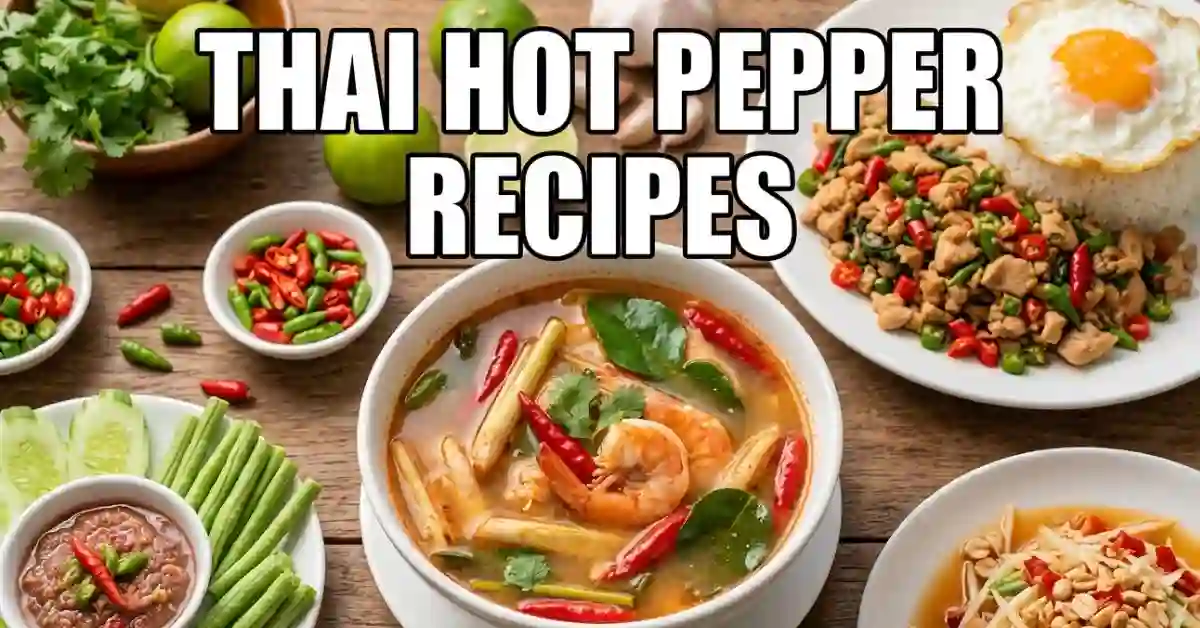
Heat can make or break a meal, just like the right tool can make or break a job. I’ve cooked Thai Hot Pepper Recipes in humid Florida summers and cold Midwest winters, and these little chilies always bring big flavor. From fresh peppers to easy chili paste, I’ll show you what works, what burns too much, and how to get the best spicy bite every time.
What Are Thai Hot Peppers?
The first time I cooked with Thai hot peppers, I made a rookie mistake. I chopped three of them for a quick noodle bowl on a rainy Friday night. Big mistake. One bite in, my eyes watered, and I laughed at myself. These little peppers may look harmless, but they are fierce.
That is what makes them fun.
Thai hot peppers are small, thin, and bright. You will often see them in red or green. In many Thai homes, they are not a “special occasion” ingredient. They are just part of daily cooking, like onions or garlic in my kitchen.
What I love most is that they do more than add heat. They bring a fresh smell, a sharp bite, and a pop of color. The moment they hit a hot pan, you notice them. Your whole kitchen changes.
Common Names for Thai Hot Peppers
Depending on where you shop, you may see different names. I learned that the hard way at my local Asian market when I stood there staring at labels for five minutes.
Here are the common names:
- Thai bird’s eye chili – the name I see most often
- Thai chili – simple and common
- Bird chili – a shorter name, same pepper
- Prik kee noo – the traditional Thai name
If you are buying for Thai hot pepper recipes, these names usually point to the same little firecracker.
What Do They Taste Like?
People often think Thai chilies are just “hot.” They are hot, yes. But that is not the full story.
When I first tasted one fresh, here is what I noticed:
- Very hot – no surprise there
- Slightly fruity – a tiny sweet note at first
- Fresh and grassy – especially the green ones
- Sharp, clean finish – the heat lingers, but the flavor stays bright
That fruity note is why I love using them in sauces and Thai recipes. They bring more character than plain heat.
Heat Level
Let’s talk numbers.
On the Scoville scale, Thai chilies usually land between 50,000 and 100,000 SHU.
That is much hotter than a Jalapeño.
For comparison:
- Jalapeño: about 2,500–8,000 SHU
- Thai chili: 50,000–100,000 SHU
Yes. That tiny pepper means business.
My rule now? Start with one. Maybe even half. You can always add more. You cannot take it back once your stir-fry starts fighting you.
What Hot Pepper Is Used in Thai Food?
The first time I walked into a Thai store, I stopped at the chili shelf. I saw rows of tiny red and green peppers. I stood there and thought, Which one is the real Thai chili?
After many home-cooked meals, I found my answer. The most used hot pepper in Thai food is the Thai bird’s eye chili. If you walk through a market in Bangkok, you will see piles of them. They are small. They are bright. They are everywhere.
That tells you a lot.
Thai cooks love them for a good reason. They bring quick heat and fresh flavor. You do not need much. One quick chop can wake up a whole meal.
Popular Thai Peppers Used in Recipes
Not every Thai recipe uses the same chili. I learned that after a few spicy mistakes in my own kitchen.
These are the ones I use most:
- Bird’s eye chili – very hot and used every day.
- Prik chee fa – longer and less hot. Good for milder dishes.
- Dried Thai chili – deep and smoky. Great for curry and chili paste.
- Fresh green Thai chili – sharp and fresh. Perfect in sauces.
If you are making Thai hot pepper recipes at home, start with bird’s eye chili. It is the classic pick.
Why Thai Cooks Love Them
Now I understand why these peppers show up in so many Thai recipes.
They are easy to use.
They can:
- crush into sauces
- blend into curry paste
- heat up stir-fries
- add flavor fast
And they do all that without taking over the dish.
My habit now is simple. I keep Thai chilies in the fridge all week. They sit next to my garlic. That feels right.
Why Cook with Thai Hot Peppers at Home?
A rainy Tuesday night is when I love Thai hot peppers most. I get home tired. I want dinner fast. I put rice on the stove, heat a pan, and chop one small chili. Just like that, dinner feels alive again.
That is the magic of Thai hot pepper recipes.
These little chilies do a lot with very little. They wake up soups, stir-fries, and even plain noodles. I use them when food feels flat. They fix that fast.
They are also easy to keep around. I always have a few in my fridge. Some weeks I use them fresh. Other weeks I grab a frozen one and toss it straight into the pan. No fuss.
Benefits of Using Thai Chilies
The more I cook with Thai chilies, the more useful they feel.
Here is why I keep buying them:
- A small amount goes far – one pepper can flavor a full meal.
- Fresh or dried both work – I use fresh for stir-fries and dried for sauces.
- Easy to freeze – no waste, which I love.
- Great in many dishes – soups, sauces, marinades, and noodle bowls all benefit.
That kind of range makes them easy to love.
Beginner Tip
My first advice is simple.
Start with half a pepper.
I did not do that my first time. My eyes learned the lesson for me.
You can always add more heat later. That is easy. Taking heat away is almost impossible.
Start small. Taste. Then decide how brave you feel.
Essential Thai Hot Pepper Recipes to Try
This is where Thai hot pepper recipes get really fun. Once I learned how to handle the heat, I started trying these dishes at home. Most of them came from busy weeknights, lazy Sundays, or those nights when plain food just sounded boring.
What I love is how fast these recipes are. They are bold. They wake up your taste buds. And most do not need fancy tools or hard-to-find ingredients.
These are the ones I make again and again.
Thai Hot Sauce Recipe
My first homemade Thai hot sauce was not pretty. I spilled chili seeds all over the counter. My hands smelled like garlic for hours. But the sauce? Worth it.
It is a great first recipe if you are new to Thai hot peppers.
Main ingredients:
- Thai red chilies
- Garlic
- Rice vinegar
- Sugar
- Salt
I blend everything until smooth. Then I taste. Then I usually add one more chili because that is just who I am now.
I use it on:
- fried rice
- eggs
- grilled chicken
- noodles
It keeps well in the fridge too, which is a bonus.
Easy Thai Chili Paste
The first time I made Nam Prik Pao, my kitchen smelled amazing. Sweet. Smoky. A little spicy. I kept sneaking spoonfuls while it cooled.
This paste adds deep flavor to many Thai recipes.
Typical ingredients:
- dried Thai chilies
- shallots
- garlic
- tamarind
- palm sugar
It takes more time than hot sauce. But the rich flavor is worth it.
Thai Basil Chicken with Fresh Chili
This is my weeknight hero.
Pad Krapow is fast, simple, and full of bold flavor. I make it when I want dinner in under 20 minutes.
What makes it work:
- ground chicken
- Thai basil
- garlic
- soy sauce
- sliced Thai chili
The fresh basil and hot chili together smell amazing in the pan.
Thai Chili Garlic Noodles
This one saves me on tired nights.
I boil noodles. I heat garlic in oil. I toss in chopped Thai chili. Then I finish with lime.
That is it.
Dinner in about 15 minutes.
It is simple, but it never feels boring.
Thai Chili Dipping Sauce
This tiny bowl does a lot.
Nam Jim is one of those sauces that makes everything better. The first time I made it, I ended up dipping plain cucumber slices into it just because I could.
I use it with:
- spring rolls
- seafood
- grilled meat
Sometimes the smallest recipe brings the biggest flavor. This one proves it.
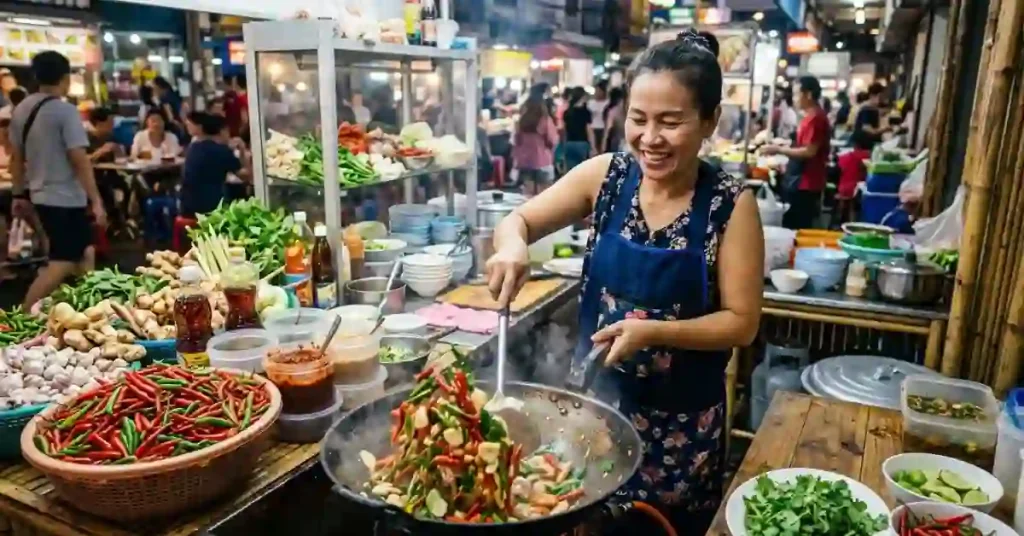
Thai Recipes That Use Hot Peppers in Smart Ways
When I first started making Thai hot pepper recipes, I thought every dish had to be very spicy. More chilies meant better food, right?
Not quite.
One night, I made a curry so hot that I could barely taste anything else. Lesson learned. Thai cooking is not about heat alone. It is about balance.
That changed how I cook.
Now I use Thai hot peppers to build flavor, not just fire. A little heat can make sweet taste sweeter. It can make sour taste brighter. It can even make creamy dishes feel lighter.
That is the real secret.
Sweet + Spicy
Sweet and spicy was the first flavor mix that surprised me.
At first, it sounded odd. Fruit and chili? Really?
Then I tried it.
The sweet fruit cools the heat. The chili wakes up the fruit. It just works.
My favorite ideas are:
- mango chili salad – juicy mango with fresh chopped Thai chili
- chili pineapple salsa – sweet, sharp, and great with grilled food
The first time I made mango chili salad, I kept stealing bites while plating dinner.
Sour + Spicy
This combo feels bright and fresh.
I love it on hot days when heavy food sounds tiring.
A little lime with Thai chili can wake up almost anything.
I use it in:
- lime chili dressing – perfect on crunchy salads
- hot seafood salad – fresh herbs, lime, and a spicy kick
The smell of lime and chili together always tells me dinner will be good.
Creamy + Spicy
This may be my favorite balance of all.
Cream softens the heat. The heat keeps the cream from feeling too rich.
It is comfort food with a little edge.
I make:
- coconut curry – creamy, warm, and full of Thai flavor
- peanut chili noodles – rich, nutty, and just spicy enough
On lazy Sunday nights, peanut chili noodles are often my answer. Fast. Cozy. Just enough heat to keep things interesting.
How to Handle Thai Hot Peppers Safely
I learned this the hard way on a normal weeknight. I was cooking Thai hot pepper recipes, talking on the phone, and I forgot I had just chopped fresh chilies. A few minutes later, I rubbed my eye. Big mistake. That sting stayed with me longer than dinner did.
Now I take Thai chilies more seriously.
They are great for flavor, but they are also strong. Even a small amount can burn your skin or eyes if you are not careful. I still use them all the time, but I move slower now. A little respect goes a long way.
Safety Tips
Over time, I built a simple routine that keeps things under control.
- Wear gloves if I am cutting many chilies
- Wash my hands well with soap right after handling them
- Avoid touching my face while cooking
- Keep chilies away from kids in the kitchen
It sounds basic, but it saves me from those “why did I do that” moments.
Too Much Heat? Fix It With:
There have been times when I went too far with spice. Especially when I was still learning Thai cooking.
When that happens, I do not panic anymore. I just balance it out.
- Yogurt helps calm the heat fast
- Coconut milk softens spicy soups and curries
- A little sugar rounds out sharp spice
- Rice helps carry the heat away in a bite
And I learned one thing clearly. Water does not really help. It just spreads the heat around and makes things worse for a moment.
Now I treat chilies with care. Not fear. Just respect.
How to Store Thai Hot Peppers
After cooking so many Thai hot pepper recipes, I learned one thing the hard way. Fresh chilies go bad faster than you expect. I once left a small bag on the counter after a weekend cook, and by midweek they were already soft and tired-looking. Now I store them properly every time.
It is simple once you get used to it, and it keeps the flavor strong for all my Thai hot pepper recipes during the week.
In the fridge
This is my everyday method. I use it when I know I will cook again soon.
- Wrap Thai hot peppers in a paper towel
- Place them in a container or zip bag
- Keep them in the fridge vegetable drawer
- They stay fresh for about 1 week
I like this method because it keeps the peppers crisp. When I open the container, I still get that sharp, fresh smell.
In the freezer
This is my “busy week” trick. I started doing this after I got tired of wasting chilies.
- Freeze Thai hot peppers whole
- Do not chop them before freezing
- Use them straight from frozen in stir-fries or soups
I actually prefer this for quick Thai hot pepper recipes. I grab one, toss it in the pan, and move on. No waiting, no stress.
Dry them
This is the method I use when I have too many at once. It feels a bit old-school, but it works well.
- Hang Thai hot peppers in a warm, dry kitchen corner
- Let air do the work over time
- Store dried chilies in a sealed jar
Dried chilies give a deeper flavor. I notice it most in soups and chili pastes. It is less “fresh heat” and more slow, smoky spice.
Over time, I realized good storage makes Thai hot pepper recipes much easier. When the chilies are ready to use, cooking feels quick again, even on tired nights.
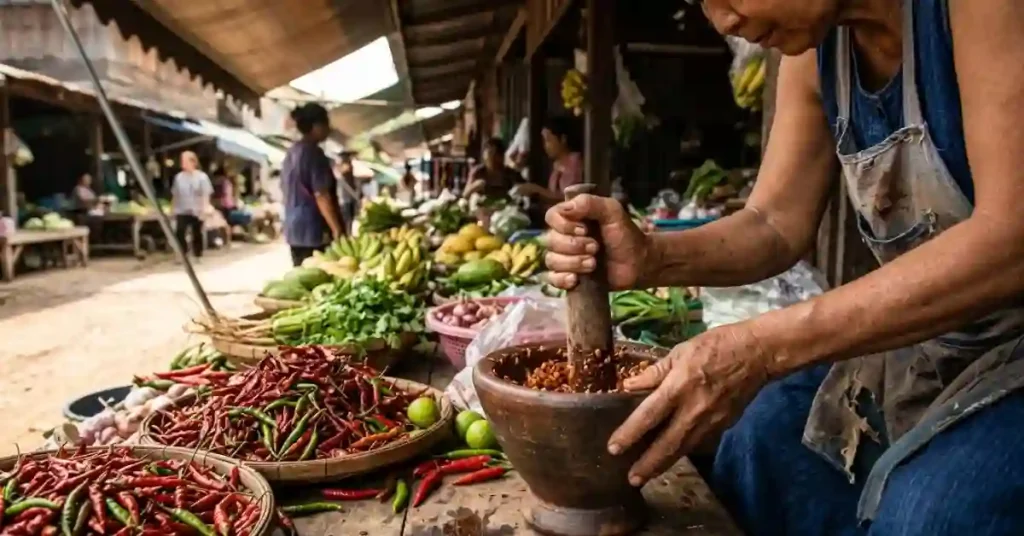
Thai Chile Recipes & Menu Ideas for a Full Meal
After cooking so many Thai hot pepper recipes, I noticed something simple. It is easy to cook one spicy dish. But it is even better when the whole meal feels connected.
One night, it was raining hard outside in Kaliganj. I did not want anything complicated. I just wanted a full dinner that felt warm, fast, and a little exciting. That is when I started building full meals around Thai chili instead of just one dish.
Now I often plan my Thai chile recipes & menu ideas for a full meal this way. One main flavor. Many small dishes. Easy flow from start to finish.
Easy spicy Thai dinner menu
This is the exact kind of meal I go back to when I want comfort food with heat, but not stress in the kitchen.
Starter: chili cucumber salad
I like this because it wakes up the taste buds fast. Cool, crunchy cucumber with a light Thai chili kick. It feels fresh before the heavy dishes come in.
Main: Pad Thai with extra chili
This is where I usually add my Thai hot peppers. I remember one time I added too much and had to slow down between bites. Now I go balanced. Still spicy, but not overwhelming.
Side: jasmine rice
Simple, but important. I use it to calm the heat when the chili builds up. It also helps tie everything together on the plate.
Sauce: homemade Thai hot sauce
I keep a small jar in the fridge almost all week. A spoon of it on rice or noodles makes everything taste sharper and more complete.
Dessert: mango sticky rice
This is my favorite way to end the meal. After all that heat, the sweet mango feels like a reset button.
When I put all of this together, it honestly feels like a small restaurant meal at home. Nothing fancy. Just Thai hot pepper recipes used in a smart, balanced way.
And I think that is the real lesson I learned. Thai chili is not just about heat. It is about building a full experience from the first bite to the last.
Common Mistakes When Cooking with Thai Hot Peppers
When I first started making Thai hot pepper recipes, I thought it was simple. Just chop a chili and cook. That is it.
I was wrong.
Over time, I learned that Thai chilies are small, but they can change a whole dish fast. I made a few mistakes early on—some funny, some painful—and they shaped how I cook today. Now I slow down and pay attention, especially on busy weeknights when I am rushing dinner.
Adding too many at once
This was my biggest mistake.
The first time I cooked a stir-fry with Thai chilies, I added three without thinking. I was cooking fast, tired after a long day, and just wanted flavor. But the heat hit hard. I had to stop eating halfway and drink water like crazy.
Now I always start small. One chili first. Then I taste. That simple habit made my Thai hot pepper recipes much more balanced and enjoyable.
Ignoring seeds
I used to treat seeds like nothing. I would just chop everything and throw it in the pan.
Big mistake again.
I learned the hard way that the seeds and inner membranes carry most of the heat. One evening, I made a simple noodle dish that turned way hotter than expected. I remember sitting there, sweating, thinking, “Okay… I did this to myself.”
Now I remove some seeds when I want control. Not always, but when I want a milder dish, it helps a lot.
Forgetting balance
This is the mistake that took me the longest to understand.
At first, I thought Thai food was all about heat. More chili, more flavor. But after a few overly spicy dinners, I realized something important. Thai cooking is not just hot. It is balance.
Sweet. Sour. Salty. Spicy.
When one part takes over, the dish feels off. I remember making a curry once that was so spicy I could not taste the coconut milk at all. That was the moment it clicked for me.
Now I think of every Thai hot pepper recipe like a balance, not a challenge. A little heat should support the dish, not control it.
And honestly, that changed everything about how I cook.
FAQs About Thai Hot Pepper Recipes
Are Thai peppers hotter than jalapeños in Thai hot pepper recipes?
Yes, Thai peppers are much hotter. I learned this fast in my Thai hot pepper recipes. They bring strong heat, so start small and adjust slowly.
Can I use other chilies in Thai hot pepper recipes?
Yes, you can swap them. I sometimes use serrano peppers in Thai hot pepper recipes for less heat. The flavor stays close but milder.
Can I freeze Thai chilies for Thai hot pepper recipes?
Yes, freezing works well. I often freeze Thai chilies for Thai hot pepper recipes and use them straight in soups or stir-fries.
Do dried chilies work in Thai hot pepper recipes?
Yes, dried chilies are great. I use them in Thai hot pepper recipes for deeper, smoky flavor, especially in sauces and curry pastes.
How many Thai chilies should I use in Thai hot pepper recipes?
Start with one chili. In my Thai hot pepper recipes, I always begin small. You can add more heat, but you cannot remove it later.
To Get More About Home & Kitchen Product You Can Visit Our Site. If You Found our Posts Helpful Leave a Comment Below