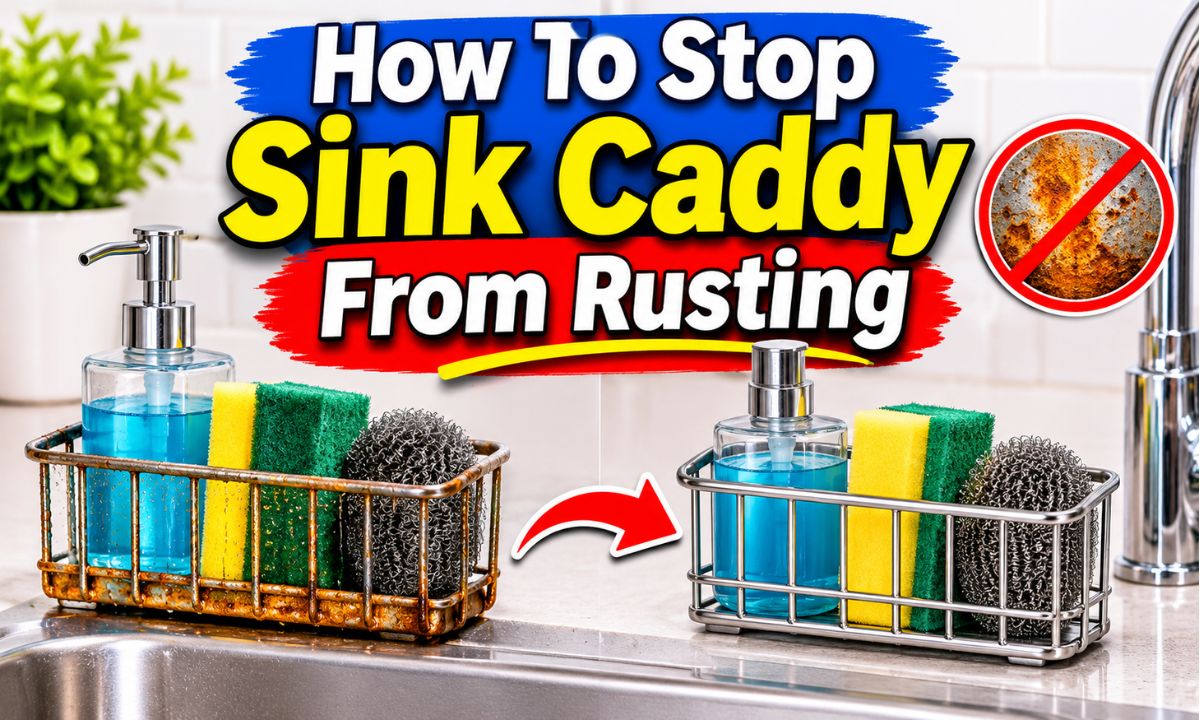
Keep your sink caddy dry, clean it often, remove moisture from metal parts, and protect damaged coatings to prevent rust.
A kitchen sink gets a lot of use in American homes. From washing dishes after dinner to rinsing coffee mugs before work, the area around the sink stays busy. A sink caddy helps keep sponges, dish brushes, and soap in one place. However, a metal caddy can start to rust when water and soap stay trapped on its surface.
The good news is that you can prevent much of this damage with simple care. Dry the caddy after use, clean away soap and food bits, and check its finish from time to time. Choosing the right material also helps. Stainless steel, plastic, and silicone can all work well, but each has different care needs.
If your sink caddy already has rust spots, do not ignore them. Small surface stains may come off with gentle cleaning, while deep rust and peeling metal may mean it is time for a new holder. The right fix depends on the material, the finish, and how far the damage has spread.
A sink caddy often sits in a wet area for hours. Water splashes onto it while you wash dishes, rinse vegetables, or clean the sink. If the holder does not dry well, moisture can stay on its surface and in small gaps.
Rust forms when iron or steel reacts with oxygen and water. This process is called corrosion. Some metal holders have a protective coating that helps keep water away from the metal. Once that coating gets scratched, chipped, or worn, rust may begin to form.
The design of the holder also matters. A caddy with closed joints, narrow corners, and flat surfaces can trap water. A holder with open spaces and good drainage lets water escape more easily.
Constant water contact
Water left on metal gives corrosion a chance to develop, especially when the holder cannot dry between uses.
Soap and food buildup
Soap, grease, and food bits can hold moisture against the surface and make regular cleaning harder.
Damaged protective coating
A scratch or chip can expose the metal below a painted, plated, or coated finish.
Poor airflow
A crowded holder or a design with deep pockets may keep water trapped for longer.
Does Every Metal Sink Caddy Rust?
No. Different metals react to water in different ways. Regular steel can rust when exposed to moisture, while stainless steel has added protection against corrosion. However, stainless steel is not completely rust-proof.
The grade of stainless steel, the quality of its finish, and the care it receives all affect how well it holds up. Some stainless steel products can still develop rust stains or corrosion, especially in harsh conditions.
A chrome-plated or painted caddy may also resist rust while its coating stays intact. If the coating breaks, the metal beneath it may become exposed. Do not assume that a shiny finish means a holder will never rust.
Regular steel
Needs a protective finish and careful moisture control because exposed steel can rust.
Stainless steel
Offers better corrosion resistance, but still needs cleaning and proper care.
Chrome-plated metal
Can resist moisture while the plating remains smooth and unbroken.
Plastic and silicone
Do not develop iron rust and are useful options for wet sink areas.
How To Stop Sink Caddy From Rusting
The best way to prevent rust is to limit moisture, remove dirt, and protect the metal finish. You do not need a long cleaning routine. A few simple habits can help keep the holder in better shape.
Start by checking the caddy’s material and design. Follow any care instructions from its maker, especially if it has a special coating. Then use the steps below as a regular care routine.
1. Dry the Sink Caddy After Use
Drying is one of the easiest ways to help prevent rust. After washing dishes, empty any water from the holder and wipe its metal parts with a clean, soft cloth. Pay extra attention to the base, corners, and joints.
If you use a sponge holder with a removable tray, take the tray out and dry both parts. Water can collect between the tray and the frame, even when the top looks dry.
You do not need to wipe the caddy every time a single drop touches it. Focus on removing standing water and moisture that remains after regular kitchen use.
Remove standing water
Empty the tray or drainage area before water has time to sit there.
Leave enough space around the holder so it can dry between uses.
2. Clean the Caddy Regularly
A clean sink caddy is easier to keep dry and inspect. Soap residue, food scraps, and grease can build up around the frame. These deposits may hold moisture and make the holder look dirty.
Remove sponges, brushes, and soap bottles before cleaning. Wash the caddy with warm water and a small amount of mild dish soap. Use a soft sponge or cloth to clean the surface.
Rinse away all soap, then dry the holder with a clean towel. If the caddy has removable parts, clean them separately so you can reach the areas beneath them.
Use mild dish soap
A gentle soap solution can remove common kitchen dirt without the need for harsh cleaners.
Clean narrow spaces
Use a soft brush to reach joints, wire gaps, and small corners.
Rinse well
Remove soap residue that may remain on the frame or tray.
Dry every part
Do not put the sponge and soap back until the holder is clean and dry.
3. Choose a Rust-Resistant Sink Caddy
If your current holder keeps rusting, consider replacing it with a material that suits your kitchen. Stainless steel is a common option because it resists corrosion better than ordinary steel. A well-made holder with smooth edges and open drainage can also be easier to maintain.
Some stainless steel products use grades such as 304 or 316. These grades contain chromium and other elements that help protect the metal. Grade 316 also contains molybdenum, which improves resistance to certain forms of corrosion, including corrosion caused by chloride exposure.
Plastic and silicone are other useful choices. They do not form iron rust, and many models are easy to rinse. Still, check their drainage, shape, and cleaning instructions before buying.
Look for stainless steel
Check the product details for the stated steel grade rather than relying only on a shiny appearance.
Consider plastic
Plastic holders avoid metal rust and can be a practical choice for a damp sink area.
Try silicone
Silicone holders are flexible and do not develop iron rust.
Check the construction
Look for smooth joints, open drainage, and removable parts that are easy to clean.
4. Keep the Protective Coating in Good Shape
Many metal sink caddies have a coating that acts as a barrier between the metal and water. This may be paint, chrome plating, powder coating, or another surface treatment.
Avoid scraping the holder with knives, rough scrub pads, or sharp tools. Even a small scratch can damage the finish. Be careful when placing heavy bottles or metal brushes inside the caddy because repeated contact may wear down the coating.
If you see peeling paint, chipped plating, or exposed metal, check the maker’s care instructions. A coating repair product may not be suitable for an item that stays near dishware, sponges, and food-preparation surfaces. Do not apply an unapproved paint or chemical coating to the holder.
Avoid rough tools
Use soft cleaning cloths instead of steel wool or abrasive pads.
Handle the holder with care
Do not drop it or strike it against the sink during cleaning.
Check for chips
Look for scratches and peeling areas before they develop into larger problems.
5. Improve Drainage Around the Holder
A sink caddy should let water drain away instead of holding it against the metal. If the holder has a solid base, check whether water collects inside after you use a wet sponge.
Empty removable trays often. If the holder has drainage holes, keep them clear of soap and food bits. You can also move the caddy slightly away from the faucet if direct splashes keep the surface wet.
Do not block drainage holes with towels or other objects. A holder that drains well is easier to dry and may need less daily care.
Empty the drip tray
Pour out collected water and rinse away any residue.
Clear drainage holes
Remove trapped dirt with a soft brush.
Move it away from direct splashes
Choose a spot that is easy to reach but not constantly hit by running water.
6. Store Sponges and Brushes So They Can Dry
Wet sponges and dish brushes can keep a sink caddy damp. If you place them in a closed holder, water may collect beneath them and stay there for hours.
After using a sponge, squeeze out excess water before putting it back. Shake off water from dish brushes and place them so air can reach the bristles. If the holder has separate spaces, avoid packing every section too tightly.
This habit helps the cleaning tools dry and reduces the amount of water that sits inside the caddy.
Squeeze out excess water
Remove extra water from sponges before storing them.
Keep brushes upright when suitable
Position brushes so water can drain away from the handle and holder.
Avoid overcrowding
Give each item enough space for air to move around it.
How to Remove Rust From a Sink Caddy
If you already see rust, first find out whether it is a surface stain or damage to the metal itself. A small orange mark may come off with gentle cleaning. Deep pits, loose flakes, and peeling metal suggest more serious corrosion.
Check the product label or maker’s instructions before using a rust remover. Some cleaners can damage stainless steel, chrome plating, painted finishes, or plastic parts. Always test a suitable cleaner on a small, hidden area first.
Step 1: Remove Everything From the Caddy
Take out all sponges, brushes, soap bottles, and other items. If the holder has a removable tray, separate it from the main frame.
This gives you a clear view of the rust and helps prevent cleaning products from touching items used for washing dishes. Set the contents aside on a clean surface.
Clear the holder
Remove all stored items before cleaning.
Separate removable parts
Take apart the tray or frame only if the design allows it.
Step 2: Wash Away Dirt and Soap
Wash the holder with warm water and mild dish soap. Use a soft cloth to remove grease, dirt, and loose surface deposits.
Rinse it well and inspect the affected area. Cleaning first helps you see the real size of the rust spot and prevents dirt from interfering with later cleaning.
Use a soft cloth
Avoid rough pads that could scratch the finish.
Rinse completely
Do not leave soap or cleaner behind.
Step 3: Treat Light Rust Carefully
For a small surface rust mark on a suitable, uncoated metal surface, use a cleaner approved for that material. Follow the product directions and use a soft cloth or nonabrasive sponge.
Some people use a mild baking soda paste for light marks on certain metal surfaces. However, it is not suitable for every finish. Check the caddy manufacturer’s instructions before trying it, and do not scrub hard.
Avoid assuming that vinegar is safe for every sink caddy. Acidic cleaners can damage some finishes and may affect certain metals. Never mix vinegar with bleach or other cleaning products.
Match the cleaner to the material
Use a product approved for stainless steel, chrome, paint, or plastic as appropriate.
Use gentle pressure
Do not scrape rust with a knife or metal tool.
Follow label directions
Respect the recommended contact time, rinsing steps, and protective measures.
Step 4: Rinse and Dry the Holder
After treatment, rinse the holder as directed by the cleaner’s label. Remove all remaining product, especially around joints and drainage holes.
Dry the caddy with a soft towel. Leave its parts separated until they are fully dry, then inspect the surface again.
Remove cleaner residue
Rinse all treated areas according to the product directions.
Dry hidden areas
Pay attention to joints, seams, and the underside of the tray.
Step 5: Replace Severely Rusted Caddies
A caddy with deep rust pits, flaking metal, broken joints, or sharp corroded edges may not be worth repairing. Surface cleaning cannot restore metal that has already lost strength.
Replace a badly damaged holder rather than continuing to use it near dish brushes and sponges. Choose a design with good drainage and a material suited to regular contact with water.
Check the metal strength
Look for thin spots, holes, weak joints, and pieces that bend or break.
Check for sharp edges
Do not keep using a holder with loose or jagged corroded parts.
Which Sink Caddy Material Is Best for Rust Prevention?
The best material depends on how wet your sink area gets and how much care you want to do. Stainless steel is a good option when you want a metal holder with corrosion resistance. Plastic and silicone are useful when avoiding metal rust is your main goal.
The table below compares common materials by their rust risk and care needs. Actual performance depends on product quality, construction, finish, and use.
Material Comparison
Use this comparison to narrow your choices. A material alone does not guarantee a long service life. Drainage, surface quality, and regular cleaning still matter.
Stainless steel
Good corrosion resistance and a durable metal feel. It still needs care, and lower-quality or contaminated surfaces may develop rust stains.
Chrome-plated steel
Can resist water while the plating stays intact. Scratches or chips may expose the steel below.
Powder-coated steel
The coating helps protect the base metal. Damaged or peeling areas can allow corrosion to start.
Plastic
Does not develop iron rust and is often easy to clean. Some designs may crack or become discolored over time.
Silicone
Does not rust and can be flexible and easy to rinse. Check that the design drains and dries well.
Bamboo or wood
Does not form metal rust, but constant moisture can lead to swelling, staining, or other damage if the material is not cared for.
Daily and Weekly Sink Caddy Maintenance
A short maintenance plan can help prevent rust without making kitchen cleaning feel like a full-time job. The main goal is to remove standing water each day and clean buildup before it becomes hard to remove.
Adjust the routine to your kitchen. A busy household that washes dishes often may need more frequent cleaning than a kitchen used by one person.
Simple Daily Care
After using the sink, empty the caddy tray and squeeze excess water from the sponge. Wipe visible water from the holder and check that the drainage holes are clear.
Move wet cleaning tools so air can reach them. If water keeps splashing onto the caddy, consider moving it to a drier spot.
Empty the tray
Remove standing water after regular dishwashing.
Dry the frame
Wipe wet metal surfaces with a clean cloth.
Store tools with space
Do not pack wet sponges and brushes tightly together.
Simple Weekly Care
Once a week, remove everything from the holder and wash all parts with mild dish soap. Clean around joints, hooks, and drainage holes with a soft brush.
Rinse and dry each part before putting the caddy back together. Use this time to check for new scratches, loose parts, rust spots, or changes in the finish.
Wash all parts
Clean the tray, frame, hooks, and removable sections.
Inspect the finish
Look for chips, peeling paint, and early rust marks.
Check the drainage
Make sure water can leave the holder without getting trapped.
Common Mistakes That Can Make a Sink Caddy Rust Faster
Some cleaning habits can damage a caddy instead of protecting it. Using the wrong cleaner, scrubbing too hard, or leaving wet parts stacked together can make corrosion more likely.
Avoid these common mistakes when caring for a metal holder. A gentle routine is often more useful than strong cleaners or frequent scrubbing.
Leaving water in the tray
Standing water keeps the holder wet for longer. Empty the tray and dry it after use.
Using steel wool
Steel wool can scratch protective finishes and may leave tiny steel particles that create rust marks. Use a soft cloth or an approved nonabrasive pad instead.
Using bleach without checking the label
Chlorine bleach and some chloride-containing cleaners can damage certain metals and finishes. Use only cleaners approved for the caddy material.
Mixing cleaning products
Mixing bleach with vinegar, ammonia, or other cleaners can release dangerous gases. Never mix household cleaning products.
Ignoring small scratches
A damaged coating can expose the metal beneath it. Inspect the finish and follow the maker’s repair or replacement advice.
Putting the holder away while wet
Moisture trapped between parts can encourage corrosion. Dry removable sections before reassembly.
Using the wrong rust remover
A product made for one metal may damage another finish. Read the label and check material compatibility first.
How to Tell Whether Your Sink Caddy Has Rust or Just a Stain
Not every orange or brown mark means the caddy itself is rusting. Sometimes, rust particles from another metal item leave a stain on the surface. Mineral deposits, food residue, and other dirt can also change the color of a holder.
Look closely at the affected area after washing it with mild soap. A smooth surface with a removable mark may have a stain. A rough, pitted, flaky, or damaged area may indicate corrosion of the metal itself.
Signs of a Surface Stain
A surface stain may appear as an orange or brown mark on an otherwise smooth finish. It may come off with a suitable cleaner and gentle wiping.
If the mark returns, check whether another metal item is touching the caddy or whether water is carrying rust particles onto the surface.
Smooth surface
The metal feels even rather than rough or damaged.
Mark comes off
A suitable gentle cleaning method removes the discoloration.
Signs of Real Metal Corrosion
Real corrosion may cause rough patches, small pits, flakes, or holes. The protective finish may also peel away and reveal the metal below.
If the caddy has deep damage or weak joints, cleaning alone will not restore it. Replacement is usually the more practical choice when corrosion affects its strength.
Rough or pitted areas
The metal surface has small holes or an uneven texture.
Flaking material
The finish or metal comes away from the holder.
Weak structure
The frame bends, breaks, or no longer holds items securely.
What to Look for When Buying a Rust-Resistant Sink Caddy
If you need a new holder, look beyond its color and shape. A useful sink caddy should match your sink space, hold your cleaning tools, and let water drain away.
Check the product details before buying. If the material or finish is not clearly stated, ask the seller or choose a product with better material information.
Clearly stated material
Look for a stated stainless steel grade or a clear description of the plastic, silicone, or coated metal used.
Open drainage design
Choose a holder that does not trap water around sponges and brushes.
Removable tray
A removable tray makes it easier to empty water and clean hidden areas.
Smooth edges and joints
Well-finished edges are easier to clean and less likely to catch dirt.
Easy-to-clean construction
Avoid designs with too many narrow gaps that are hard to reach.
Suitable size
Make sure the holder fits your sink area without blocking the faucet or taking up too much counter space.
Clear care instructions
A good product description should explain how to clean and maintain its material and finish.
Is Stainless Steel Always the Best Choice?
Stainless steel can be a good choice if you want a metal holder that resists corrosion. However, the name alone does not tell you everything about product quality.
A poorly made stainless steel caddy with water-trapping joints may be harder to maintain than a simple plastic holder with good drainage. Compare the material, construction, and care needs together.
If you want to avoid metal rust altogether, plastic or silicone may suit your needs better. The best choice is the one that fits your sink and is easy to keep clean and dry.
Choose stainless steel for a metal finish
Check the stated grade, construction, and cleaning instructions.
Choose plastic for simple rust prevention
Plastic avoids iron rust and can work well for basic sponge storage.
Choose silicone for flexibility
Silicone avoids metal corrosion, but the holder should still have a way to drain.
Extra Tips for Keeping the Sink Area Dry
Your sink caddy does not work alone. The surface around it also affects how much water reaches the holder. A few small changes can make the whole area easier to maintain.
Keep the counter clear enough for water to drain and dry. Wipe spills when you see them, and avoid storing wet cleaning tools in closed spaces.
Wipe the sink rim
Remove water that collects around the base of the holder.
Use a separate sponge drying spot
If your caddy stays wet, consider a holder that lets the sponge drain separately.
Check the faucet for leaks
A dripping faucet can keep the caddy and surrounding counter wet.
Avoid direct spray
Move the holder away from the strongest water flow when possible.
Clean up food residue
Remove scraps that collect around the holder and drainage area.
Frequently Asked Questions
Q
Why does my stainless steel sink caddy have rust spots?
Stainless steel resists corrosion, but it is not completely rust-proof. Rust spots can appear because of surface contamination, damaged areas, harsh cleaners, or prolonged exposure to moisture and chloride-containing products.
Clean the area with a suitable stainless steel cleaner and a soft cloth. Rinse and dry it well. If the surface is pitted or deeply damaged, cleaning may not solve the problem.
Q
Can I use vinegar to remove rust from a sink caddy?
Vinegar is acidic, so it may affect some metals and protective finishes. Do not use it unless the caddy manufacturer confirms that it is suitable for the material.
A cleaner made for the specific metal or finish is a better starting point. Never mix vinegar with bleach or other household cleaning products.
Q
Does a plastic sink caddy rust?
No. Plastic does not contain iron, so it does not form iron rust. However, a plastic holder can still collect soap, grease, food residue, and mineral deposits.
Wash it with mild dish soap, rinse it well, and allow it to dry. Check it for cracks or damage as it ages.
Q
How often should I clean my sink caddy?
Wipe away standing water and remove excess moisture from the caddy during daily use. Give the entire holder a more thorough wash about once a week, or more often if it collects food, grease, or soap quickly.
A busy kitchen may need more frequent cleaning. The main sign that it is time to clean is visible buildup, trapped water, or an unpleasant smell.
Q
Can I paint a rusty sink caddy to stop it from rusting?
Painting may cover a surface, but it does not repair metal that has already corroded. Paint can also chip when the holder is exposed to water and regular handling.
Do not use ordinary paint on a holder that stores dish sponges or sits near food-preparation items. Follow the manufacturer’s repair guidance, and replace the holder if the metal is deeply rusted or weak.
Q
Is a rusted sink caddy safe to use?
A small surface stain may not mean the holder is structurally damaged, but it should be cleaned and inspected. Rust can leave rough areas that collect dirt and may stain the sink or stored items.
Do not keep using a holder with sharp rust flakes, deep pits, broken joints, or loose pieces. Replace it if corrosion has affected its strength or made it difficult to clean.
Q
Does a sink caddy need to be dried every day?
Daily drying is a useful habit for metal caddies, especially in kitchens where the holder gets frequent splashes. You do not need to remove every drop as soon as it lands, but standing water should not remain in the tray or joints.
A holder with good drainage and airflow may dry on its own more easily. Even so, regular checks help you spot moisture and early signs of damage.
✦ Wrapping Up
Conclusion
Keeping a sink caddy free from rust starts with a simple habit: do not let water sit on it for long periods. Clean the holder with mild dish soap, empty its tray, and dry the metal parts after regular use. These small steps can help protect its finish and keep the sink area tidy.
The material also matters. A well-made stainless steel caddy can offer good corrosion resistance, while plastic and silicone holders avoid iron rust. Whatever material you choose, look for good drainage, easy cleaning, and a design that allows air to reach wet sponges and brushes.
If rust has already appeared, inspect the affected area before trying to remove it. A light surface mark may respond to suitable gentle cleaning, but deep corrosion, flaking metal, and weak joints are signs that replacement is the better option.
💡 Key Takeaway
Start today by emptying your sink caddy, washing it with mild dish soap, clearing its drainage holes, and drying every metal part. Then check for scratches and rust spots. Make this a weekly cleaning habit to help your caddy stay clean, dry, and in good condition.