Add liquid to the blender first, sprinkle in protein powder, blend briefly, and adjust the liquid as needed for a smooth shake.
Whether you make a quick breakfast before work, a post-workout shake at your local gym, or an afternoon drink at home, protein powder should mix smoothly. Yet many Americans find small dry lumps stuck to the blender jar, a chalky layer near the lid, or thick pockets of powder that refuse to blend. These problems can make an otherwise simple drink unpleasant.
The good news is that you can prevent most clumps with a few simple changes. The order of your ingredients, the amount and temperature of your liquid, the type of protein powder, and your blender’s speed can all affect the final texture. You do not need an expensive blender or a complicated recipe to get a better result.
This guide explains how to blend protein powder without clumps in a blender, why lumps form, and what to do when a shake remains gritty. It also covers milk and water, frozen ingredients, common mistakes, cleaning, and practical safety tips so you can make a smooth drink with less guesswork.
Protein powder clumps when particles get wet on the outside but remain dry inside. The damp outer layer can form a sticky shell around the dry powder. Liquid then has trouble reaching the center, leaving small lumps even after blending.
Protein powders differ in their ingredients, particle size, and ability to disperse in liquid. Whey, casein, soy, pea, and blended plant proteins may behave differently. Some powders also contain thickeners, flavorings, sweeteners, or other ingredients that change how the drink flows.
A blender can break apart many lumps, but it cannot always make every powder completely smooth. The amount of liquid, the shape of the jar, the blade design, and the thickness of the mixture all affect circulation. When the mixture becomes too thick, ingredients may stick to the walls instead of moving through the blades.
Source: dietsheriff.com
Powder added too quickly
A large pile of powder can trap dry pockets as the outside becomes wet. Gradual addition gives liquid more room to reach the particles.
Not enough liquid
A thick mixture may not circulate well. The blades can spin while some powder stays above or beside the moving liquid.
Wrong ingredient order
Adding powder to an empty jar can leave it packed around the blade assembly or stuck to the bottom before liquid reaches it.
Powder texture
Some formulas naturally feel gritty or thicken quickly. Better blending can help, but it may not remove every texture issue.
Clumps Versus a Naturally Gritty Shake
Clumps are usually visible pockets of wet or dry powder. They may break apart when pressed against the side of a glass or mixed again. Grittiness feels more like many tiny particles spread throughout the drink, even when no large lumps remain.
This difference matters because the solutions are not the same. Clumps often respond to better ingredient order, more liquid, and another short blending cycle. A gritty shake may need a different powder, a longer rest after mixing, or a preparation method recommended by the manufacturer.
Visible lumps
Try adding a small amount of liquid and blending again after checking that the mixture can circulate.
Fine grit
Check the product instructions, allow the drink to rest briefly, and consider whether the powder’s texture is the main issue.
How To Blend Protein Powder Without Clumps In A Blender
The most reliable starting method is simple: add liquid first, add protein powder in a controlled way, blend until the powder is dispersed, and then add thicker ingredients. This gives the blades a fluid mixture to move before the shake becomes dense.
Before you start, check your blender jar for damage, make sure the lid fits securely, and read the protein powder label. Use a blender that is suitable for the amount you plan to prepare. Do not fill the jar above its marked limit, especially when adding ingredients that expand or create foam.
Source: blenderadviser.com
Step 1: Measure your liquid
Pour the amount of water, milk, or other suitable liquid recommended on the powder label into the blender jar. Starting with liquid helps keep powder from sticking to the dry base.
Step 2: Add the protein powder slowly
Measure the serving according to the package directions. Sprinkle it over the liquid rather than dropping the entire scoop into one concentrated pile.
Step 3: Start at a low speed
Use a low setting for a few seconds to wet and disperse the powder. This can reduce splashing and help keep dry powder from sticking to the lid.
Step 4: Increase the speed briefly
Move to a moderate or higher setting as needed. Blend until the mixture looks uniform and no large lumps remain. Follow the blender manual if it recommends a specific setting.
Step 5: Add extra ingredients
Once the powder is mixed, add fruit, oats, nut butter, yogurt, or ice if your recipe calls for them. Blend again until the drink reaches the texture you want.
Step 6: Check the result
Stop the blender, wait for the blades to come to a complete stop, and inspect the shake. If you find dry pockets or lumps, use the troubleshooting steps below.
A Simple Starting Recipe
For a basic shake, begin with one serving of protein powder and the quantity of liquid stated on the package. Add the liquid first, followed by the powder, and blend until the mixture looks even. If you prefer a thinner drink, add more liquid in small amounts and blend again.
For a thicker shake, begin with the recommended liquid amount and add ice or frozen fruit only after the powder has mixed. This approach helps you avoid making the mixture so thick at the start that the powder cannot circulate. Exact quantities will vary by product and taste, so the label is the best starting point.
For a light shake
Use water or another suitable thin liquid and add a little more if the drink is too dense.
For a creamy shake
Use milk or a suitable fortified plant-based beverage if it fits your diet and the product instructions.
For a thick smoothie
Mix the powder with liquid first, then blend in fruit, yogurt, or ice.
How to Know When the Shake Is Ready
A well-mixed shake should look fairly uniform, with no obvious dry pockets or large lumps floating in the drink. When poured into a glass, it should flow at a steady pace for the texture you chose. A little foam may remain, and foam alone does not mean the powder has failed to mix.
Taste and texture are useful checks, but they do not prove that every ingredient is evenly distributed at a microscopic level. If you use a supplement with special preparation directions, follow those directions even when the drink looks smooth.
Visual check
Look for dry patches, large lumps, or powder stuck high on the jar walls.
Pour check
Make sure the shake moves freely instead of remaining packed around the blades.
Texture check
Take a small sip once the drink is ready and check whether the texture meets your preference.
What Order Should You Add Protein Shake Ingredients?
For most blender shakes, start with liquid, add protein powder, blend, and then add solid or frozen ingredients. This order helps the powder contact liquid before fruit, oats, or ice make the mixture thicker. It also makes it easier to spot and correct lumps early.
Ingredient order can change if your blender manufacturer gives different instructions or your recipe depends on a specific texture. Always use the order that keeps the blender within its limits and allows the mixture to circulate.
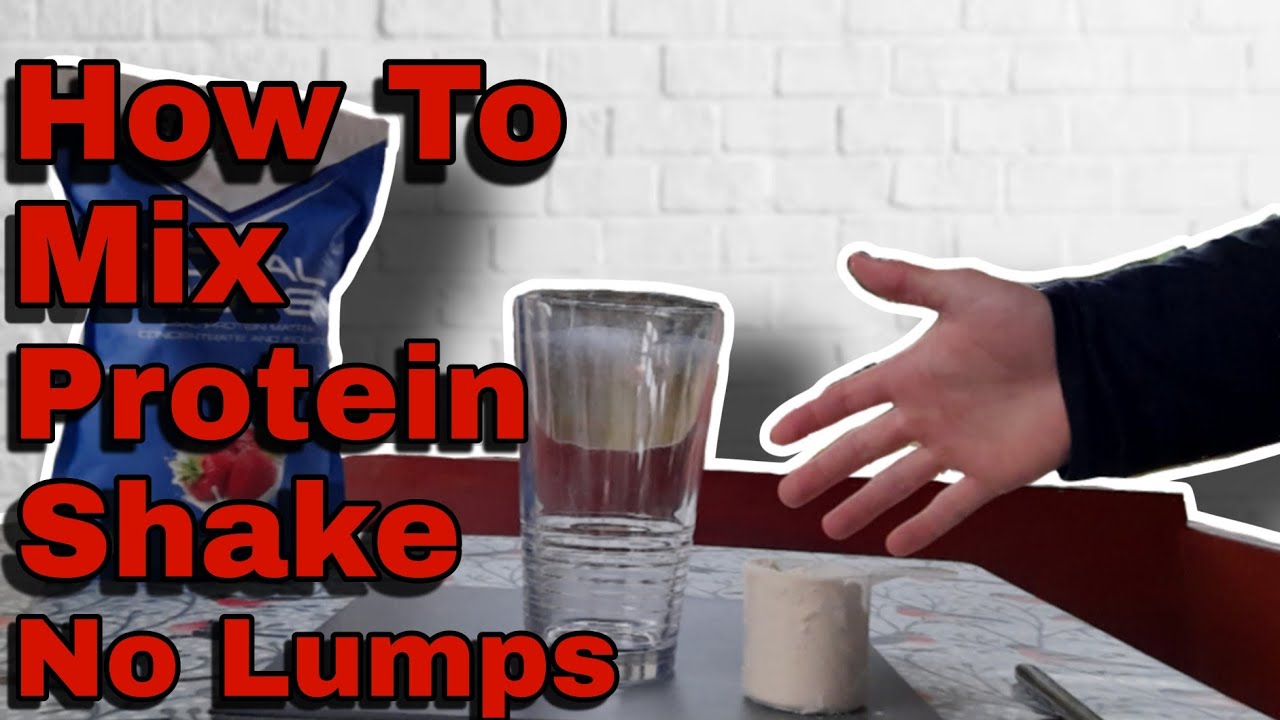
Source: i.ytimg.com
First: Liquid
Water, milk, or another suitable beverage creates the fluid base that helps the powder disperse.
Second: Protein powder
Add the measured serving slowly so the powder can wet evenly instead of forming one dense mass.
Third: Soft additions
Add ingredients such as yogurt, soft fruit, or nut butter once the powder is mostly mixed.
Last: Frozen or firm ingredients
Add ice, frozen fruit, or other firm items if your blender can handle them. Follow the appliance instructions for safe use.
Should You Add Protein Powder Before or After Milk?
For most standard blender shakes, add the milk before the protein powder. Liquid at the bottom helps keep powder from sticking around the blade area and gives it a better chance to disperse. The same principle usually applies when you use water or an appropriate plant-based beverage.
Adding powder first may work in some blender designs, but it can leave a layer of dry powder around the base or corners. If your blender manual recommends another sequence, use that method instead.
Best general starting point
Liquid first, then protein powder.
If powder sticks to the sides
Stop the blender, unplug it if required by the manual, and use a suitable spatula to move the powder down after the blades have stopped.
Which Liquid Works Best for Smooth Protein Shakes?
Water, dairy milk, and plant-based beverages can all work, but they create different flavors and textures. The best option depends on the protein powder, your dietary needs, the taste you want, and the directions on the label. No single liquid guarantees a lump-free result with every formula.
A thin liquid often helps the mixture move more freely, while a thicker beverage can produce a richer shake. If your first attempt is too thick, add a little more liquid and blend again instead of forcing the blender to process a dense mixture.
Source: dietsheriff.com
Water
Water offers a light texture and a neutral base. It can be a practical choice when you want to keep the drink simple, though the flavor and mouthfeel depend on the powder.
Dairy milk
Milk adds a creamy taste and contributes nutrients such as protein and calcium. Choose it if it suits your dietary needs and you tolerate dairy.
Plant-based beverages
Soy, oat, almond, and other plant-based drinks vary in thickness, flavor, and nutrient content. Check the label if protein content or added sugar matters to you.
Yogurt or other thick ingredients
These can make a shake thicker, so it is often easier to mix the powder with liquid first before adding them.
Does Warm Liquid Help Protein Powder Mix Better?
A liquid that is cool or near room temperature can be a useful starting point for many protein powders. Very cold liquid may make some mixtures harder to blend, while warm liquid may change the texture of certain formulas. The result depends on the ingredients and product instructions.
Do not assume that hotter liquid is always better. Heat can alter the texture of some proteins, and a hot mixture can create pressure or splashing hazards in a blender. Never blend hot liquid in a sealed container unless the appliance is specifically designed and approved for that use. Follow the blender manual and powder label.
For a cold shake
Mix the powder with liquid before adding ice or frozen ingredients.
For a warm drink
Check the powder label and blender instructions first. If the product permits warm liquid, avoid temperatures that create a burn or pressure risk.
How Long Should You Blend Protein Powder?
Blend only as long as needed to disperse the powder and reach the texture you want. Many basic shakes need a short blending cycle, but the exact time depends on the appliance, the ingredients, the amount of liquid, and the powder formula. A fixed time cannot guarantee a smooth result in every blender.
Start with a brief low-speed mix, then increase the speed if lumps remain. Check the result before running another cycle. Long blending is not always better, especially if it creates excess foam or heats the mixture.
Source: feastgood.com
Start short
Use a brief initial cycle to wet the powder and help it disperse.
Increase speed if needed
Use a higher setting when the mixture circulates properly but still contains visible lumps.
Check between cycles
Stop and inspect the shake instead of running the blender continuously without checking.
Respect the blender’s limits
Follow the manual’s duty cycle and avoid overheating the motor.
Can Blending Too Long Make a Shake Worse?
Extended blending can add air and create foam, which may change the way a shake feels when you drink it. Some recipes also become warmer during prolonged blending. If the mixture already looks smooth, more blending may not improve it.
If the drink is foamy, let it stand briefly before drinking if the recipe and food-safety conditions allow. If it is still lumpy, focus on liquid amount, ingredient order, and powder texture rather than simply adding more blending time.
Foam without lumps
Allow the drink to settle briefly if you prefer less foam.
Lumps that remain
Check the mixture’s thickness and whether powder has stuck to the jar walls.
How to Fix Protein Powder Clumps That Will Not Blend
If your shake still has lumps, do not immediately add more powder or keep running the blender. First identify whether the mixture is too thick, powder is stuck to the walls, or the texture comes from the powder itself. A small adjustment is often more useful than restarting the whole recipe.
Always turn the blender off before opening the lid or moving ingredients around. Wait for the blades to stop completely. If the manual calls for unplugging the appliance before scraping or cleaning, follow that direction.
Source: assets.replocdn.com
Problem: Dry powder on the sides
Stop the blender and wait for the blades to stop. Use a suitable spatula to push the powder into the liquid, then secure the lid and blend again.
Problem: Thick paste around the blades
The mixture may need more liquid. Add a small amount, close the lid, and blend again if the blender is operating within its limits.
Problem: Large wet lumps
Blend briefly at a higher setting if the mixture is fluid enough to circulate. If it is too thick, thin it first.
Problem: Fine gritty texture
Check the product instructions, let the drink stand briefly if appropriate, and consider whether the powder formula naturally has a grainy texture.
Problem: Powder keeps settling
Stir or briefly blend the drink again before drinking. Some mixtures settle over time, so a smooth appearance immediately after blending may not last.
Should You Strain a Lumpy Protein Shake?
Straining can remove some lumps if you do not mind changing the drink’s texture or leaving some ingredients behind. However, a strainer may also hold back ingredients that contribute to the shake’s intended serving. It is usually better to correct the mixture before straining.
For a basic powder-and-liquid shake, try blending again with a little more liquid first. If the powder still forms lumps every time, follow the product’s mixing directions or try a different preparation method that the manufacturer allows.
Try blending first
Adjust the liquid and break up visible lumps with the blender operating safely.
Strain only if needed
Use a clean, food-safe strainer and recognize that some ingredients may remain behind.
When Should You Stop Troubleshooting?
Stop using a powder if it smells unusual, shows signs of moisture damage, has changed in a concerning way, or is past its usable date and you are unsure whether it remains suitable. Do not taste a product to check whether it is spoiled. Follow the package’s storage and discard instructions.
If the blender smells like burning, makes an unusual grinding sound, leaks, or repeatedly shuts off, turn it off and follow the appliance manual. Do not keep blending in an attempt to fix a texture problem when the appliance may be damaged or overheating.
Powder quality concern
Check the package condition, storage instructions, and expiration or best-by information. Discard the powder when safety is in doubt.
Blender problem
Stop using the appliance until you have checked the manufacturer’s troubleshooting instructions.
How Different Protein Powders Behave in a Blender
The type of protein powder can affect how easily it mixes and how smooth the finished shake feels. Whey, casein, soy, pea, and blended plant proteins do not all behave the same way. Even two products made from the same broad protein source may differ because their formulas and processing methods are different.
Use the package directions as your main guide, especially if the product includes instructions about liquid amount, temperature, or preparation. If your usual method produces lumps with one powder, adjust the method before assuming the blender is faulty.
Source: blendiblender.com
Whey protein
Whey powders often work well in liquid shakes, but formula differences can affect foam, dispersion, and texture. Add the powder gradually and adjust the liquid as needed.
Casein protein
Some casein-based powders create a thicker mixture. Start with enough liquid to allow circulation and avoid adding thick ingredients before the powder disperses.
Pea protein
Some pea protein products have an earthy flavor or grainier feel. Blending may reduce lumps without fully removing that texture.
Soy protein
Mixing behavior depends on the specific soy formula. Follow its serving and preparation directions rather than relying on a universal rule.
Blended plant protein
Mixtures of different plant proteins may include added fibers, gums, or flavor ingredients that affect thickness. Add liquid first and check the texture before adding ice.
Can You Use the Same Method for Every Protein Powder?
The liquid-first method is a useful starting point for many ordinary protein shakes, but it is not a guarantee for every product. Some powders have special instructions, and some are designed for recipes rather than drinks. Read the label before changing the preparation method.
If the powder repeatedly clumps despite correct preparation, test a small serving using the recommended liquid amount and a clean blender. If the texture remains unpleasant, the product’s formulation may be the limiting factor.
Follow the label
Use the serving size, liquid amount, and temperature directions supplied with the powder.
Change one factor at a time
Adjust the liquid amount or ingredient order separately so you can identify what improves the result.
Common Mistakes That Make Protein Shakes Lumpy
A few small mistakes can turn a quick shake into a thick, uneven mess. The most common issues are using too little liquid, adding powder to a dry jar, loading the blender with frozen ingredients first, and ignoring the powder’s instructions. Correcting these habits can improve the texture without buying new equipment.
It also helps to avoid changing several parts of the recipe at once. If you add more liquid, change the powder, switch to milk, and add fruit all in the same attempt, you will not know which change made the biggest difference.
Source: i.ytimg.com
Mistake: Starting with an empty jar
Powder may collect around the base or blade assembly. Add liquid first unless your appliance or product instructions specify another method.
Mistake: Adding ice too early
Ice can make the mixture harder to circulate before the powder has dispersed. Blend the powder with liquid first.
Mistake: Using too little liquid
A dense mixture may trap lumps. Add liquid in small amounts until the ingredients can move freely.
Mistake: Filling the blender too high
Overfilling can cause spills and poor circulation. Respect the maximum fill line and leave room for ingredients to move.
Mistake: Opening the lid while blades move
Never reach into an operating blender. Turn it off and wait for the blades to stop before making adjustments.
Mistake: Assuming all powders are identical
Different formulas can need different amounts of liquid or mixing methods. Check the package directions.
Does a More Powerful Blender Always Make a Smoother Shake?
A more powerful blender may handle thick mixtures and frozen ingredients more easily, but motor power alone does not guarantee a smooth protein shake. Jar shape, blade design, liquid amount, and the powder formula also matter. A smaller or simpler blender can still make a smooth basic shake when the ingredients are added in a useful order.
If your current blender struggles, first try the liquid-first method and reduce the thickness of the mixture. Consider different equipment only if you regularly prepare dense smoothies or frozen recipes that exceed your blender’s practical abilities.
For basic shakes
A standard blender may be sufficient when the powder and liquid can circulate freely.
For thick smoothies
Check whether your blender is rated for frozen ingredients and dense mixtures before adding them.
Food Safety, Storage, and Blender Cleaning
A smooth shake is only useful if you prepare and store it safely. Wash your hands, use clean equipment, and follow the powder label for storage and handling. If you mix protein powder with milk or another perishable ingredient, treat the drink as a perishable food rather than leaving it on the counter for hours.
In the United States, general food-safety guidance recommends refrigerating perishable foods promptly and not leaving them at room temperature for more than two hours, or one hour when the temperature is above 90°F. These are general guidelines, not a substitute for stricter instructions on a product label. When a shake has been left out too long, discard it rather than trying to make it safe by blending again.
Source: feastgood.com
Clean the jar promptly
Rinse the blender soon after use so powder and milk residue do not dry onto the jar, lid, or blade assembly.
Wash removable parts
Use the cleaning method recommended by the blender manufacturer. Do not immerse a motor base in water.
Store powder in a dry place
Keep the container closed and follow the package storage directions. Moisture can cause powder to cake or spoil.
Refrigerate prepared shakes
If you cannot drink the shake right away, refrigerate it promptly in a clean, covered container when appropriate for its ingredients.
Do not blend a spoiled drink
Blending does not make spoiled ingredients safe. Discard a drink that has been stored improperly or shows signs of spoilage.
Can You Prepare a Protein Shake the Night Before?
You can often prepare a shake ahead of time, but the best storage method depends on its ingredients and the product directions. A shake made with milk, yogurt, or other perishable ingredients should be refrigerated promptly. Keep it in a clean, covered container and use it within a suitable period for the ingredients.
Some powders settle or thicken after mixing. This is a texture change, not necessarily a sign of spoilage. If the shake has been stored safely and remains suitable to drink, shake or stir it before serving. Discard it if its storage history is uncertain or it shows signs of spoilage.
For better texture
Consider blending the powder and liquid shortly before drinking, especially if the mixture thickens during storage.
For safe storage
Use a clean container, refrigerate promptly, and follow product-specific directions.
Frequently Asked Questions
Q
Should I put protein powder or water in the blender first?
For most basic protein shakes, add water first and protein powder second. The liquid helps the powder disperse and reduces the chance of dry powder sticking to the base of the jar. Follow your product and blender instructions if they recommend another order.
Q
Can I blend protein powder with just water?
Yes. Water is a common choice for mixing protein powder. It creates a lighter drink than many milk-based options, although the final flavor and texture depend on the powder. Start with the liquid amount on the package and add more if the mixture is too thick.
Q
Why is my protein shake still gritty after blending?
Grittiness can come from the powder’s formulation, particle texture, or ingredients that do not fully disperse. First check that you used enough liquid and followed the mixing directions. If the shake has no large lumps but still feels gritty, another long blending cycle may not solve the problem.
Q
Can I put ice and frozen fruit in a protein shake?
Yes, if your blender is designed to handle those ingredients. For a smoother result, mix the protein powder with liquid first, then add ice or frozen fruit. Follow the blender manual and avoid overfilling the jar or forcing the motor to process a mixture that is too dense.
Q
Does milk prevent protein powder from clumping?
Milk can make a shake creamier, but it does not guarantee that the powder will remain lump-free. Ingredient order, liquid amount, and the specific powder formula still matter. Add milk first, sprinkle in the powder, and blend until the mixture is uniform.
Q
Can I blend protein powder with hot water?
Check both the protein powder label and the blender manual before using hot water. Heat can change the texture of some protein mixtures, and hot liquids can create burn or pressure hazards in blenders that are not designed for them. Never seal hot liquid in a standard blender jar unless the manufacturer specifically approves that use.
Q
How do I make a protein shake smooth without adding more powder?
Add a small amount of suitable liquid, then blend again if the mixture can circulate safely. Stop the blender before scraping down the sides, and check that the powder has not collected around the base. If the drink is already smooth but feels gritty, the powder itself may be responsible.
✦ Wrapping Up
Conclusion
Making a smooth protein shake does not need to be difficult. Start with liquid in the blender, add protein powder gradually, blend until it disperses, and then add thicker ingredients such as fruit or ice. This simple order helps reduce dry pockets and gives the blades a better chance to mix the drink evenly.
If clumps remain, check the liquid amount, powder formula, and ingredient order before assuming your blender is the problem. Add a little more liquid when needed, stop the blades before making adjustments, and follow the instructions on both the powder container and the appliance. Remember that a naturally gritty powder may not become completely smooth no matter how long you blend it.
💡 Key Takeaway
For your next shake, pour in the recommended liquid first, add one measured serving of protein powder, blend briefly, and inspect the texture before adding ice or other ingredients. Change one step at a time until you find the method that works best for your powder.