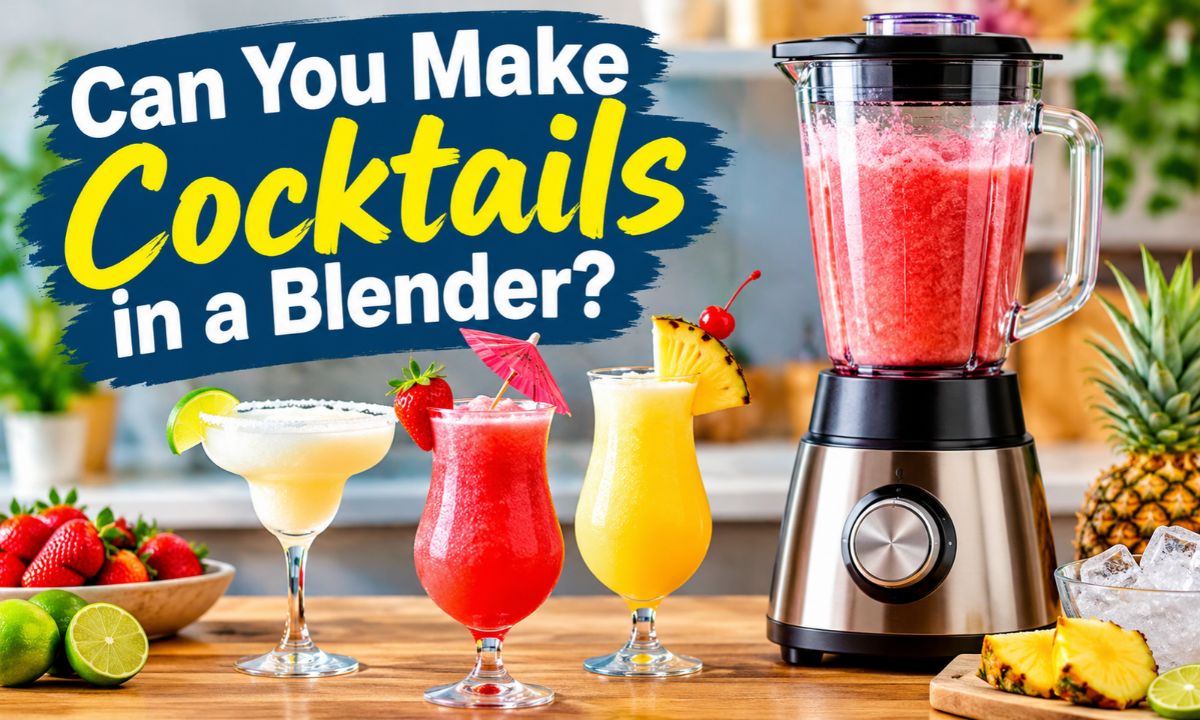
Yes, you can make cocktails in a blender, especially frozen drinks that use ice, fruit, juice, or other soft ingredients.
From backyard cookouts and summer parties to game-day gatherings and holiday dinners, Americans often serve cold drinks at home. A blender can help make frozen margaritas, daiquiris, piña coladas, and fruit-based cocktails without the need for a dedicated bar machine. It can also mix certain nonfrozen drinks, although a shaker or stirring glass may work better when you want a clear drink with a crisp texture.
The key is to match the blender method to the drink. Ice, frozen fruit, juice, and spirits can create a smooth frozen cocktail when you use the right proportions and blend in short bursts. However, too much ice can water down the flavor, while too little liquid can leave large chunks behind. A few simple steps can help you get a cold, balanced drink without straining your blender.
What Types of Cocktails Can You Make in a Blender?
You can make many types of cocktails in a blender, but frozen and fruit-based drinks are the easiest place to start. A blender breaks ice and soft ingredients into smaller pieces, helping create a cold, thick drink that you can pour straight into a glass. It also distributes fruit, juice, and creamy ingredients throughout the mixture.
Not every cocktail needs this treatment. Drinks built around spirits, bitters, and small amounts of other ingredients often taste better when stirred or shaken. Blending those drinks with ice can add unwanted air, dilute the mixture, or change the texture.
Source: punchdrink.com
Frozen margaritas
Blend tequila, orange liqueur, lime juice, and ice for a cold, slushy drink. Adjust the ice and juice to get the thickness you prefer.
Daiquiris
Combine rum, lime juice, sweetener, and ice. Frozen fruit can turn a basic daiquiri into a strawberry, mango, or peach version.
Piña coladas
Blend rum with pineapple and coconut ingredients for a creamy tropical drink. Pineapple chunks or frozen fruit can add body.
Fruit cocktails
Use soft fresh fruit, frozen fruit, juice, and a measured amount of spirit. Straining is optional when you prefer a smoother finish.
Frozen coffee cocktails
Blend chilled coffee, a suitable spirit or coffee liqueur, and ice or frozen coffee cubes. Frozen coffee can help reduce dilution from plain ice.
Which Cocktails Are Better Shaken or Stirred?
A blender is not the best tool for every cocktail. A martini, Manhattan, or Negroni is usually prepared by stirring or shaking, depending on the recipe. These drinks rely on controlled chilling and dilution rather than a thick, frozen texture.
Shaking is useful when a recipe contains citrus juice, syrup, egg white, or other ingredients that need thorough mixing or aeration. Stirring is common for spirit-forward drinks that should remain clear. If a recipe calls for either method, blending is not a direct substitute because it can change the drink’s texture and the amount of water it absorbs.
Use a blender
Choose it when you want a slushy texture, blended fruit, or a creamy frozen drink.
Use a cocktail shaker
Choose it for many juice-based cocktails that need chilling and mixing without a frozen consistency.
Use a mixing glass
Choose it for clear cocktails that need gentle stirring and controlled dilution.
How to Make Cocktails in a Blender
Making a blended cocktail is simple when you prepare the ingredients first and add them in a sensible order. You do not need special bar equipment for most recipes, but you do need a blender that can handle the ingredients you plan to use. Check the instruction manual before crushing ice or blending hard frozen fruit.
Start with a small batch. A single drink or two is easier to adjust than a full pitcher, and it lets you learn how quickly your blender reaches the desired texture. Once the balance is right, you can scale the recipe up without exceeding the container’s marked capacity.
Source: cookingchew.com
Step 1: Choose a suitable recipe
Select a recipe designed for frozen drinks or adapt one carefully. Decide whether you want a thick slush, a fruit smoothie-style cocktail, or a lighter drink with a small amount of blended ice.
Step 2: Measure the ingredients
Measure spirits, juice, sweetener, fruit, and other ingredients before blending. Accurate amounts make it easier to correct sweetness and acidity without wasting ingredients.
Step 3: Add the liquid ingredients
Pour in juice, spirits, syrup, and other liquids first when your blender manual permits this order. Liquid near the blades can help the mixture circulate.
Step 4: Add fruit and ice
Add soft fruit, frozen fruit, and ice in amounts suited to the recipe and blender. Avoid packing the jar tightly or filling it beyond the marked limit.
Step 5: Blend in short bursts
Start at a low speed if your blender has speed control, then increase as needed. Pause to check the texture rather than running the motor continuously without a reason.
Step 6: Check the flavor and texture
Taste a small sample with a clean spoon. Add a little juice if the drink is too thick, a small amount of ice if it is too thin, or measured sweetener or citrus juice if the flavor needs balance.
Step 7: Serve promptly
Pour the drink into chilled glasses if desired and serve while cold. Frozen cocktails can separate or melt as they sit, so blend close to serving time.
How Do You Know When a Cocktail Is Blended Enough?
A frozen cocktail is usually ready when the mixture looks even and moves through the jar without large pieces of ice stopping the blades. The exact time depends on the blender, the amount of ice, the size of the fruit pieces, and how much liquid the recipe contains. Do not rely on a fixed blending time for every machine.
If the mixture stops moving, turn off and unplug the blender before checking it. Follow the manual when clearing ingredients from around the blades. Never put a hand or utensil into a running blender, and do not remove the lid while the blades are moving.
Smooth, even texture
The drink should have a consistent slush or puree, with no large chunks unless the recipe intentionally includes them.
Easy pouring
The cocktail should flow into a glass. If it barely moves, add a small amount of suitable liquid and blend again.
Balanced flavor
The drink should taste cold and refreshing without excessive sweetness, harsh acidity, or a weak, watery finish.
A Simple Frozen Margarita Recipe
A frozen margarita is a useful first recipe because it uses a short list of ingredients and lets you adjust the texture to your taste. The amounts below are a starting point for one generous serving, depending on the glass size and how much ice you use. They are a practical example rather than a universal bar standard.
Use a blender that is approved for ice, and make sure the jar has enough room for the liquid and ice to move. If you want a thinner drink, start with less ice and add more in small amounts until you reach the texture you like.
Source: cooksdirect.com
Ingredients
Use 2 ounces of tequila, 1 ounce of orange liqueur, 1 ounce of fresh lime juice, about 1 cup of ice, and 1 to 2 teaspoons of simple syrup if needed. A lime wedge and salt are optional for serving.
Prepare the glass
If you want a salted rim, rub a lime wedge around the outside edge of the glass and dip the rim in salt. Set the glass aside before blending.
Combine the ingredients
Add the tequila, orange liqueur, lime juice, and any syrup to the blender. Add the ice last if that suits your blender’s instructions.
Blend and check
Blend until the ice is evenly broken down. If the mixture is too thick, add a small splash of lime juice or water; if it is too thin, add a little more ice and blend briefly.
Serve
Pour into the prepared glass and serve right away. Avoid adding extra alcohol by guesswork, since more spirit can change both the flavor and the drink’s strength.
How to Adjust a Margarita Without Ruining It
Change one thing at a time when you adjust a frozen cocktail. If the drink tastes too sharp, a small amount of syrup may help. If it tastes too sweet, add a little lime juice rather than pouring in more spirit.
If the margarita is watery, it may have been blended too long, made with too much liquid, or left sitting while the ice melted. Adding more ice may restore thickness, but it will not always restore the original flavor. The best fix is often to serve the drink promptly and measure the ingredients more carefully next time.
Too thick
Add a small splash of juice or water, then blend briefly.
Too thin
Add a small amount of ice and blend again, provided your blender supports ice.
Too sour
Add a little simple syrup, mix, and taste again.
Too sweet
Add a small amount of lime juice and blend briefly.
Can You Use Any Blender for Cocktails?
Many household blenders can make cocktails, but not every model is suitable for ice or hard frozen ingredients. The owner’s manual is the best place to confirm what the machine can handle. A blender that works well for soft fruit and juice may struggle with large ice cubes or thick mixtures.
You do not need to buy a new blender just to make an occasional frozen drink if your current model supports the task. If you plan to make frozen cocktails often, consider how easily the machine handles ice, how much it can blend at once, and how simple it is to clean after sticky fruit and syrup.
Source: cdn.thewirecutter.com
Standard countertop blender
A suitable model can blend fruit, juice, and ice for many home cocktails. Check the manual before using whole ice cubes or frozen fruit.
High-powered blender
A model designed for dense mixtures or ice may make frozen drinks with less effort, depending on its blade design, motor, jar, and instructions. Power alone does not guarantee a better result.
Personal blender
A personal blender can work for a single serving if the manufacturer allows the ingredients and the container has enough room. Avoid overfilling it or forcing large ice pieces into a small jar.
Immersion blender
An immersion blender can mix soft fruit and liquid in a suitable deep container, but it is generally not the right tool for crushing ice. Follow its instructions and keep the blade head submerged to reduce splashing.
What Features Matter Most?
For frozen cocktails, the ability to process ice safely is more important than a long list of preset programs. A sturdy jar, a lid that fits securely, and controls that let you start slowly can also make preparation easier. The right capacity depends on whether you usually make one drink or a pitcher for several guests.
Ease of cleaning matters too. Citrus pulp, syrup, coconut cream, and fruit can cling to the jar and lid. A blender with removable parts that the manufacturer approves for washing may be simpler to maintain, but check the care instructions before putting any component in a dishwasher.
Ice compatibility
Confirm that the model can crush or blend the type of ice you plan to use.
Useful capacity
Choose a batch size that leaves room for the mixture to circulate and expand.
Variable speed or pulse
These controls can help you break up ice gradually and check texture between blending cycles.
Easy cleaning
Look for accessible parts and clear cleaning instructions, especially if you often blend sticky or creamy ingredients.
How to Get the Right Texture and Flavor
The best blended cocktails balance liquid, ice, sweetness, acidity, and flavor. Ice gives a drink its frozen texture, but it also melts and dilutes the mixture. Fruit adds body and flavor, while juice helps the ingredients move through the blender.
Think of the recipe as a balance rather than a fixed pile of ingredients. A drink with lots of ice may be thick but bland, while a drink with too much juice may taste good but pour like a thin smoothie. Start with a measured recipe, then make small changes based on what you see and taste.
Source: i.pinimg.com
Use fresh citrus juice when suitable
Fresh lime or lemon juice can provide a bright flavor. Bottled juice can work too, but its taste may vary by brand and product.
Use frozen fruit for body
Frozen strawberries, mango, peaches, or pineapple can create a thicker texture and add fruit flavor without requiring as much plain ice.
Measure sweeteners
Simple syrup, fruit syrup, and sweet liqueurs all affect the final sweetness. Add them in small amounts so the drink does not become cloying.
Blend only as much as needed
Long blending can warm the mixture and encourage ice to melt. Stop once the texture is even and the ingredients are combined.
Chill the serving glasses
A cold glass can help a frozen drink stay cold longer, especially on a warm patio or at a summer gathering.
Ice Cubes, Crushed Ice, or Frozen Fruit?
The type of frozen ingredient changes how the blender works and how the cocktail tastes. Small ice pieces may blend more easily in a machine designed for ice, while large hard cubes can place more strain on some models. Crushed ice can be useful, but only if your blender’s manual allows it.
Frozen fruit is useful when you want a thicker drink with a strong fruit flavor. It does not behave exactly like ice because fruit contains water, fiber, and natural sugars. If you replace all the ice with frozen fruit, the result may be sweeter and less crisp than the original recipe.
Ice cubes
Useful for a classic frozen texture when the blender is rated for ice.
Crushed ice
May blend more easily in suitable machines, but it still needs to be allowed by the manufacturer.
Frozen fruit
Adds flavor and body, especially in berry, mango, peach, and tropical cocktails.
Frozen juice cubes
Can add coldness and flavor without diluting the drink as quickly as plain ice. Freeze juice in a clean, food-safe tray.
Can You Make Cocktails Without Ice?
Yes. You can blend chilled ingredients with frozen fruit or frozen juice cubes instead of regular ice. This method can create a thick drink while keeping its flavor more concentrated, though the result depends on the ingredients and the amount of water in them.
If you want a cocktail that is cold but not frozen, use chilled ingredients and a shaker or stirring glass instead. Blending without ice does not automatically make a drink colder, and it may add air or create foam that changes the texture.
For a frozen fruit cocktail
Use frozen fruit with chilled juice and a measured amount of spirit.
For a stronger fruit flavor
Try frozen juice cubes made from one of the recipe’s main juices.
For a clear cocktail
Skip the blender and use the shaking or stirring method specified by the recipe.
Common Blender Cocktail Problems and How to Fix Them
Most problems with frozen cocktails come from the ratio of liquid to ice, the size of the ingredients, or the blender’s limits. A drink that is too thick does not always need more blending, and a drink that is too thin does not always need a full extra cup of ice. Check the texture first and make the smallest useful change.
If the motor strains, the blades stop moving, or the machine smells hot, stop the blender. Turn it off, unplug it, and let it cool according to the manufacturer’s instructions. Do not keep running it in an attempt to force a thick mixture through the blades.
Source: i.pinimg.com
The cocktail is too watery
Possible causes include too much liquid, prolonged blending, melting ice, or waiting too long before serving. Use measured ingredients, blend briefly, and serve promptly. A small amount of additional ice may help if the blender supports it.
The drink has large ice chunks
The blender may be unsuitable for the ice, the pieces may be too large, or the mixture may not circulate. Follow the manual, use smaller approved pieces if allowed, and add enough liquid for movement.
The blades spin but the ingredients stay still
The mixture may be too thick or packed too tightly. Turn off and unplug the machine before following the manual’s guidance for adjusting the contents. Do not push ingredients toward the blades while the blender is running.
The cocktail tastes weak
Too much ice, excess juice, or melted ice can dilute the flavor. Start with the correct measurements and avoid correcting a weak drink by adding large amounts of alcohol.
The cocktail tastes too sweet
Syrup, sweet liqueur, and ripe fruit can add up quickly. Use less sweetener in the next batch or add a little citrus juice to the current drink.
The blender makes an unusual noise
Stop the machine if the sound changes sharply, the jar moves, or the motor appears to struggle. Check the manual for safe inspection steps, and do not use a damaged jar or blade assembly.
When Should You Stop and Check the Blender?
Stop immediately if you notice smoke, a burning smell, a cracked jar, leaking liquid near the motor base, or an unusual grinding sound. Unplug the appliance when it is safe to do so, and do not restart it until you have identified the cause. A damaged blade assembly or motor base may need professional service or replacement.
A small amount of motor noise is normal, but a motor that repeatedly stalls under a recipe the blender should handle may signal a problem. Do not assume every failure is caused by poor technique. Follow the product manual and use a repair service when the manufacturer recommends one.
Stop for heat or smoke
Turn off and unplug the blender if safe, then follow the manufacturer’s guidance. Do not touch hot motor parts.
Stop for damage or leaks
Do not operate a cracked jar, loose blade assembly, or leaking unit.
Stop for a jam
Never reach into the jar while the appliance is connected to power. Disconnect it before following the manual’s clearing procedure.
Blender Cocktail Safety and Cleaning
Safe preparation starts with the blender’s instructions. Do not exceed the fill line, operate the machine with a loose lid, or place your fingers near moving blades. If the motor struggles, stop and disconnect power before inspecting the contents.
Alcohol does not make a cocktail safe from foodborne contamination. Wash fruit before cutting it, use clean utensils, and keep perishable ingredients such as dairy and opened fruit mixtures at safe temperatures. Do not leave creamy cocktails sitting out for long periods, especially at outdoor events in warm weather.
Source: cdn.diffords.com
Never blend in a sealed container
Pressure can build inside a sealed container, especially if the contents are warm. Use only the container and lid designed for the appliance.
Avoid hot liquids
Hot liquids can create steam and pressure. This guide covers cold cocktails; do not use a standard blender for hot mixtures unless the manufacturer explicitly provides safe instructions for that use.
Keep alcohol away from open flames
High-proof spirits can ignite. Never pour alcohol near a lit burner, candle, or other ignition source, and do not attempt flaming cocktail tricks with a blender.
Clean promptly
Rinse the jar after use, then wash it according to the manual. Sticky syrups, fruit pulp, and coconut ingredients can cling to the lid and blade area.
Handle blades carefully
Blender blades can cause cuts even when the appliance is unplugged. Use the cleaning method recommended for the specific model and avoid reaching into the blade assembly.
How to Clean a Blender After Making Cocktails
Clean the blender soon after serving, before syrup and fruit dry onto the jar. If the manufacturer allows it, add warm water and a small amount of dish soap, secure the lid, and run a brief cleaning cycle. Empty the jar carefully and rinse away any remaining soap.
Some blender jars and blade assemblies are not designed to be removed or washed in a dishwasher. Check the manual rather than assuming every part is dishwasher-safe. Dry the parts as directed before storing them, and keep the motor base away from standing water.
Rinse first
Remove loose fruit, juice, and syrup before they dry.
Wash the approved parts
Use dish soap and the cleaning method recommended for the jar, lid, and blade assembly.
Inspect before storing
Check for leftover pulp, cracks, loose parts, or signs of wear. Do not use damaged components.
How to Make Blended Cocktails for a Party
A blender can help you serve frozen cocktails at a party, but large batches need a little planning. The safest and most reliable approach is to prepare the ingredients in advance, keep perishable items chilled, and blend in batches that fit comfortably in the jar. This also makes it easier to keep the texture consistent from one serving to the next.
Do not simply multiply every ingredient and fill the blender to the top. Large batches may not circulate well, and dense mixtures can strain the motor. Follow the capacity and batch-size guidance in the manual, and keep a written record of your measurements if you need to repeat the recipe.
Source: i2.wp.com
Prepare ingredients ahead
Wash and cut fruit, measure juices, and prepare syrup before guests arrive. Store ingredients that need refrigeration in the refrigerator until use.
Blend in manageable batches
Use the manufacturer’s recommended capacity and leave room for ingredients to move. Avoid running the motor continuously for long periods.
Keep batches consistent
Measure each batch using the same recipe and ingredient sizes. This helps the drinks taste similar even when you make them at different times.
Serve in small rounds
Frozen drinks are usually best soon after blending. Prepare the next batch when needed rather than leaving a large pitcher to melt.
Offer a nonalcoholic option
Set aside juice, fruit, and ice before adding alcohol. Use clean equipment and separate utensils to reduce accidental mixing between alcoholic and nonalcoholic drinks.
How Much Should You Make?
Estimate servings from the final drink volume, not just the number of liquid ingredients. Ice and fruit add bulk, and some mixture may remain in the blender jar. As a hypothetical example, if a batch produces about 24 fluid ounces of finished cocktail and each serving is 6 fluid ounces, the batch yields about four servings.
This is a planning calculation, not a guarantee of the final yield. The actual amount depends on how much ice melts, how much fruit you add, and the size of each pour. Measure a finished batch once if you need a reliable estimate for a later event.
Small gathering
Make one or two servings at a time and adjust the recipe before preparing more.
Larger gathering
Prepare measured batches, label ingredients, and keep chilled items refrigerated until blending.
Mixed-age or mixed-preference event
Offer a clearly labeled alcohol-free version and keep alcoholic drinks separate from other beverages.
Common Mistakes to Avoid
The most common mistake is treating every cocktail like a smoothie. Some drinks need a thick frozen texture, while others should stay clear and light. Using the blender for every recipe can lead to excess foam, unwanted pulp, or a level of dilution that changes the intended taste.
Another mistake is adding ingredients without measuring them. A large pour of spirit will not fix a weak-tasting cocktail if the real problem is excess ice or too much juice. Small, measured adjustments give you more control and help keep servings consistent.
Source: kitchenwink.com
Adding too much ice at once
Too much ice can overwhelm a small blender or leave the drink overly thick. Start with the recipe’s suggested amount and add more only when needed.
Using a blender that cannot handle ice
This can damage the blades or motor. Confirm the permitted ingredients and method in the manual before starting.
Blending too long
Extended blending can warm the mixture and melt ice. Stop when the drink reaches a consistent texture.
Overfilling the jar
An overfilled jar may not mix properly and can leak. Leave the space required by the manufacturer.
Ignoring the recipe’s intended method
A stirred cocktail may lose its intended clarity and texture when blended. Use the method that suits the finished drink.
Leaving drinks out too long
Frozen cocktails melt, and drinks containing perishable ingredients can require temperature control. Serve promptly and refrigerate suitable leftovers according to food-safety guidance.
Should You Blend the Alcohol First or Last?
For many frozen cocktail recipes, it is practical to add the liquid ingredients first, followed by fruit and ice, if the blender’s manual supports that order. This gives the blades liquid to work with and can help the mixture circulate. The exact loading order is less important than following the appliance instructions and using a recipe with enough liquid.
There is no universal rule that alcohol must always go in last. Some recipes combine all ingredients before blending, while others use a separate mixing step. Avoid adding extra spirit after blending unless you measure it and stir or blend briefly enough to combine it evenly.
Follow the appliance manual
Use the loading order and ingredient limits recommended for your specific model.
Measure before blending
Prepare each ingredient in advance to avoid rushed pours and inconsistent drinks.
Mix additions evenly
If you adjust the finished drink, use a clean utensil or a brief blend when appropriate.
Frequently Asked Questions
Q
Can you put alcohol in a blender?
Yes. You can blend spirits, liqueurs, and other alcoholic ingredients with cold liquids, fruit, and ice when the recipe and blender are suitable for the task. Use measured amounts, secure the correct lid, and keep alcohol away from flames. Never blend hot liquids or use a sealed container that is not designed for blending.
Q
Can a regular blender crush ice for cocktails?
Some regular blenders can crush ice, while others are not designed for it. Check the owner’s manual for the permitted ice type and method before using ice cubes. If the manufacturer does not approve ice crushing, use a different method or appliance rather than risking damage to the motor or blades.
Q
Can you make cocktails in a blender without ice?
Yes. Frozen fruit, frozen juice cubes, or chilled ingredients can be used to make certain cocktails without regular ice. Frozen fruit adds body and flavor, while frozen juice cubes can help preserve the drink’s flavor as they melt. If you want a cold drink without a slushy texture, shaking or stirring chilled ingredients may work better.
Q
Can you make a margarita in a blender?
Yes. Blend tequila, orange liqueur, lime juice, and ice until the mixture reaches a slushy texture. Adjust the amount of ice gradually and add a small amount of syrup if the drink is too tart. Serve promptly because melting ice can thin the drink and change its flavor.
Q
Can you make a frozen daiquiri in a blender?
Yes. A frozen daiquiri commonly combines rum, lime juice, sweetener, and ice. You can add frozen strawberries, mango, or another fruit for a flavored version. Use enough liquid for the mixture to circulate, and follow your blender’s instructions for ice and frozen ingredients.
Q
Does blending make a cocktail stronger?
Blending does not create more alcohol. The drink’s strength depends on the amount of alcohol used and the final volume of the drink. Ice and other ingredients can dilute the cocktail, while blending several servings together can make it harder to judge how much alcohol is in one glass. Measure the spirits and keep serving sizes consistent.
Q
Can you make cocktails in a personal blender?
You can make a single-serving frozen cocktail in a personal blender if the manufacturer permits the ingredients and the container is large enough. Do not overfill the cup or use ice if the model is not designed to process it. Follow the manual for loading, blending, and cleaning.
Q
How do you stop a blended cocktail from becoming watery?
Measure the liquid and ice, avoid blending longer than needed, and serve the drink as soon as the texture is smooth. Frozen fruit or frozen juice cubes may help maintain flavor, depending on the recipe. If a drink has already melted, adding ice may thicken it, but the original balance of flavor may not return.
✦ Wrapping Up
Conclusion
Yes, you can make cocktails in a blender, and it is a useful way to prepare frozen margaritas, daiquiris, piña coladas, and fruit-based drinks at home. The method works best when the blender can handle ice, the recipe has enough liquid to circulate, and the ingredients are measured before blending. For clear cocktails that need controlled chilling and dilution, a shaker or stirring glass is usually the better tool.
A good blended cocktail depends on more than motor power. The balance of ice, juice, fruit, sweetness, and alcohol determines the flavor and texture. Start with a small batch, blend only until smooth, make small adjustments, and serve promptly. Always follow the blender’s safety instructions and keep alcoholic drinks clearly separate from alcohol-free options.
💡 Key Takeaway
Choose a frozen cocktail recipe, confirm that your blender can handle its ice or frozen fruit, measure the ingredients, blend in short bursts, and adjust the texture one small step at a time.