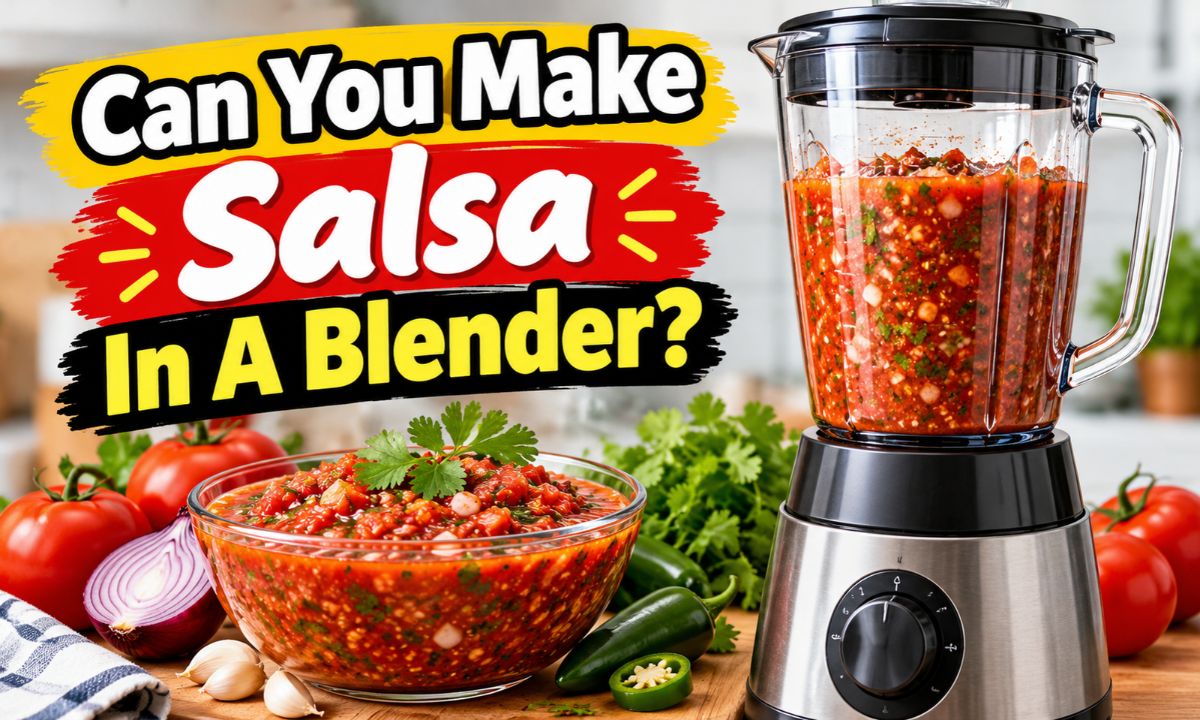
Yes, you can make fresh salsa in a blender with tomatoes, onion, peppers, cilantro, lime juice, and salt. Use short pulses to control the texture and avoid turning it into a thin puree.
From Taco Tuesday at home to a backyard cookout or a football watch party, fresh salsa is a welcome addition to many American meals. You do not need a food processor or a long list of tools to make it. A regular kitchen blender can turn a few simple ingredients into a fresh dip for tortilla chips, tacos, burritos, quesadillas, and grilled meat.
The key is to control how long the blender runs and how much liquid you add. Tomatoes release juice as the blades cut them, so a few extra seconds can change a thick salsa into a thin sauce. Start with short pulses, check the texture often, and stop when the salsa looks the way you want. This guide explains how to choose ingredients, blend them, fix common problems, and store the finished salsa.
A blender cuts food with fast-moving blades inside a jar. This makes it useful for breaking down tomatoes, onions, peppers, and herbs into a sauce. The longer the blades run, the finer the ingredients become.
Salsa can range from a chunky mix to a smooth sauce. A blender can make both, but the method matters. Short pulses leave more visible pieces, while longer blending creates a finer texture that works well as a taco topping or a dip.
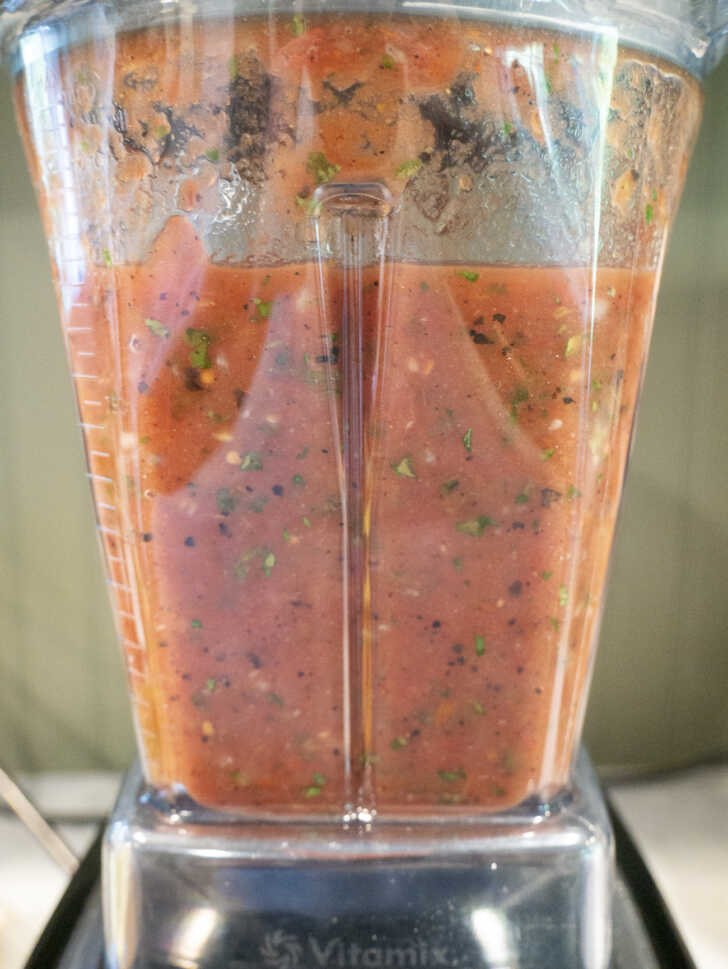
A blender also moves liquid toward the blades. If the jar does not have enough liquid to keep the ingredients moving, some pieces may sit above the blades. Adding more liquid can help, but too much may weaken the salsa. Try stirring the ingredients or using the blender’s pulse setting before adding extra liquid.
Source: 12tomatoes.com
Chunky salsa
Use a few short pulses and stop while small pieces of tomato, onion, and pepper remain visible.
Restaurant-style salsa
Pulse until the ingredients are finely chopped and mixed, leaving a little texture instead of a completely smooth liquid.
Smooth salsa
Blend for longer in short intervals until the ingredients form an even sauce. Check often to prevent excessive thinning.
Can Every Blender Make Salsa?
Most standard kitchen blenders can make salsa if the jar is large enough for the batch and the blades can reach the ingredients. A personal blender may also work, but its small jar can limit batch size and make it harder to control texture.
A powerful blender is not required for basic salsa. In fact, a very powerful model can turn soft tomatoes into a smooth puree quickly. A pulse setting, a flexible speed control, and a jar that allows the ingredients to move are more useful than chasing a high wattage number.
Use the right batch size
Follow the blender maker’s minimum and maximum fill guidance. A jar that is too full may blend unevenly.
Keep the lid secure
Fit the lid before starting the blender and keep your hands and utensils away from moving blades.
Ingredients for Easy Homemade Blender Salsa
A basic blender salsa needs only a few fresh ingredients. Ripe tomatoes give the salsa its body, onion adds a sharp bite, peppers bring heat, and cilantro adds a fresh herbal taste. Lime juice adds acidity, while salt helps bring the flavors together.
For a simple first batch, use fresh Roma tomatoes or another ripe variety with firm flesh. Roma tomatoes often work well because they have a meaty texture, but other ripe tomatoes are fine. Very juicy tomatoes may need draining before blending.
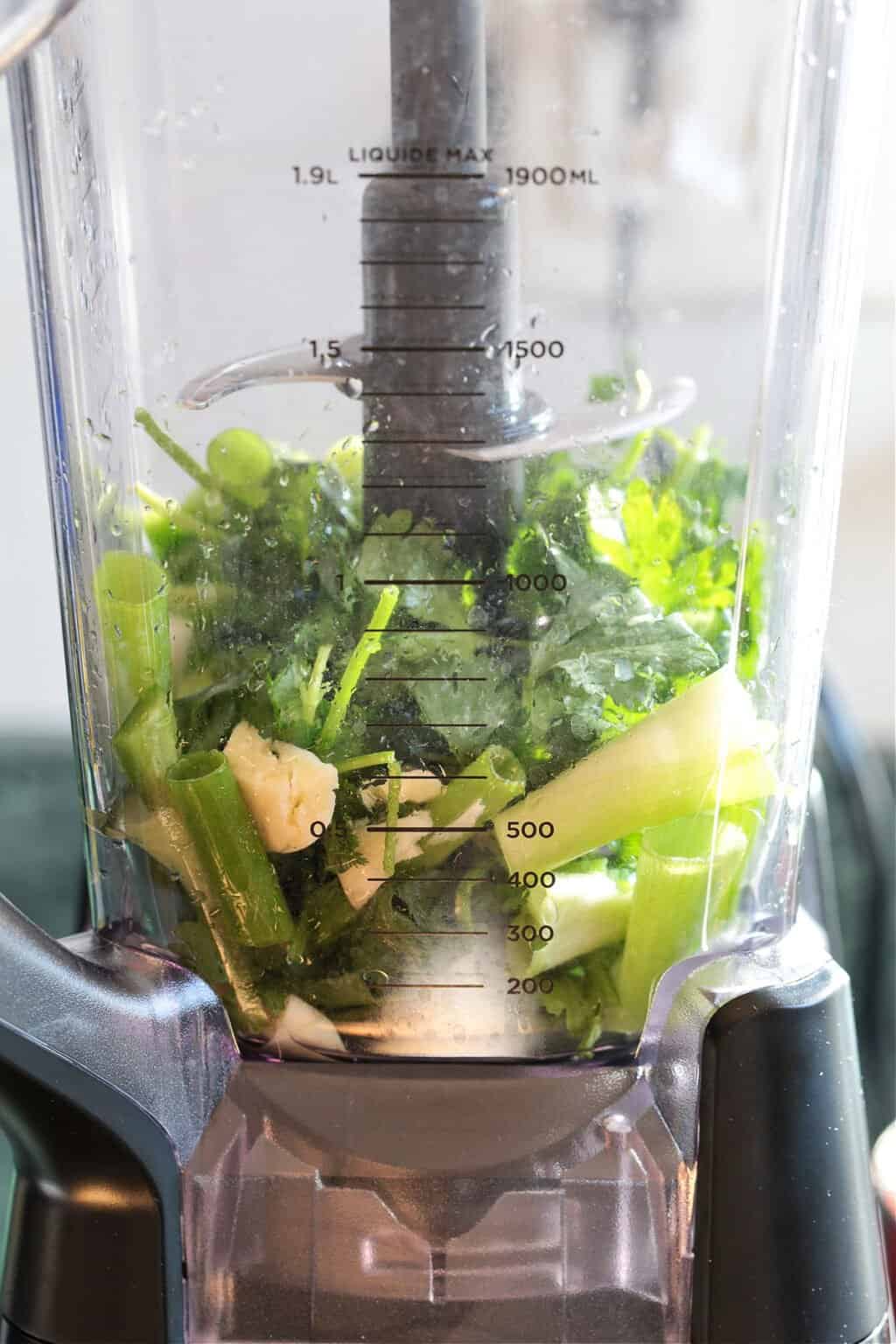
Choose fresh ingredients without soft, moldy, or damaged spots. Wash the produce under running water before cutting it. Do not use soap or household cleaners on fruits and vegetables.
Source: biteontheside.com
Tomatoes
Use about 1 pound of ripe tomatoes. Roma tomatoes are a useful starting point because they often contain less free juice than very ripe slicing tomatoes.
Onion
Use about one-quarter of a small white or yellow onion. White onion gives a sharp taste, while yellow onion can taste a little sweeter.
Jalapeno
Start with half a jalapeno for mild heat. Add more only after tasting the first blend.
Cilantro
Add a small handful of washed leaves and tender stems. Use less if you prefer a mild herbal flavor.
Lime juice
Start with 1 tablespoon of fresh lime juice. Add more to taste instead of pouring in a large amount at once.
Salt
Start with one-quarter teaspoon, then adjust after blending. The right amount depends on the tomatoes and your taste.
Garlic
Add half a small clove if you like a stronger savory taste. Too much raw garlic can overpower a small batch.
Fresh Tomatoes or Canned Tomatoes?
Fresh tomatoes give salsa a bright, garden-fresh taste, especially in summer when ripe tomatoes are easy to find. They can also release a lot of juice, so the final texture depends on the variety and ripeness.
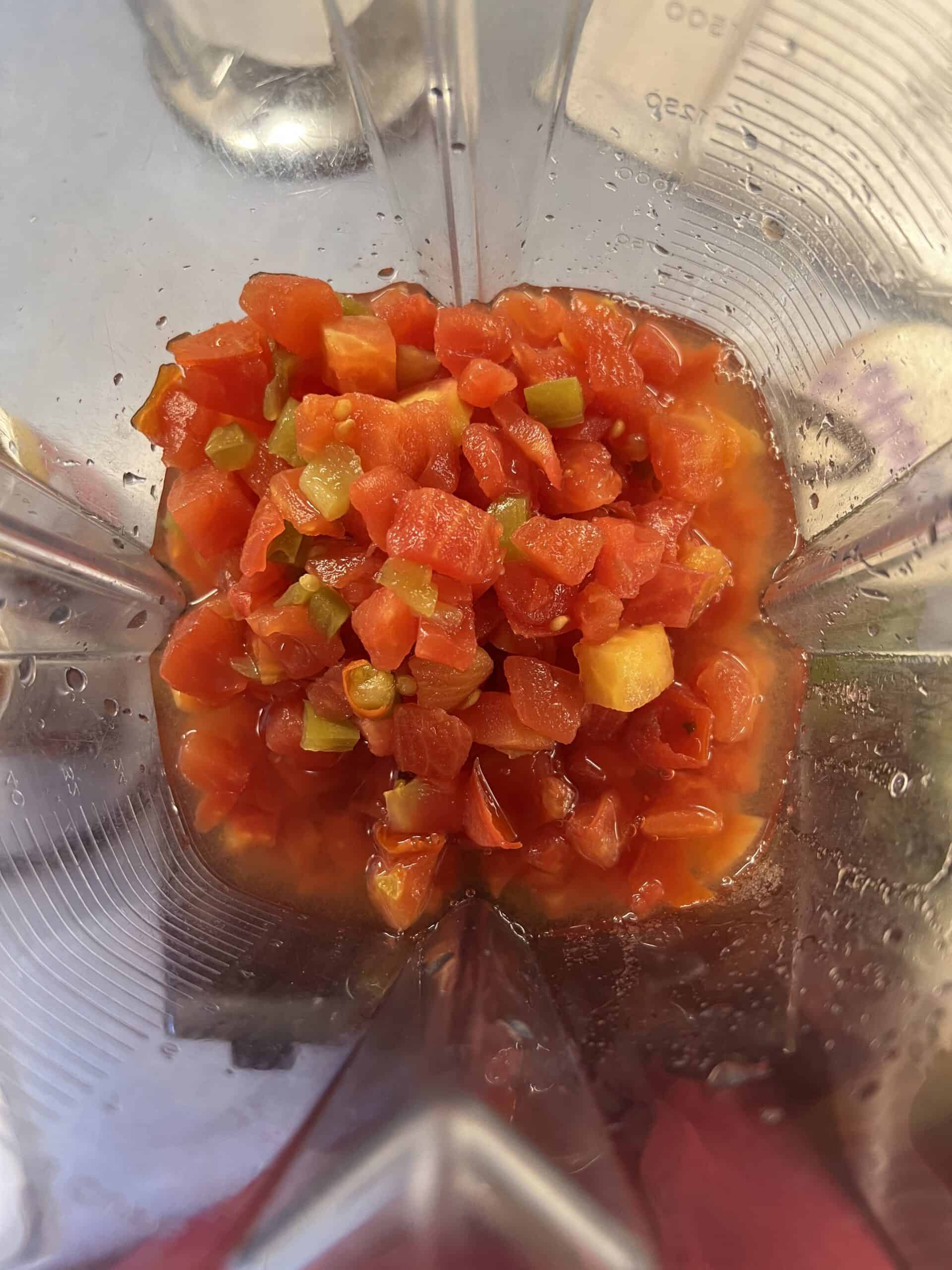
Canned tomatoes offer a convenient option when fresh tomatoes are out of season or taste bland. For a quick restaurant-style salsa, use a can of plain diced tomatoes or whole peeled tomatoes, then drain some of the liquid if needed. Check the label and choose a product without added seasonings if you want full control over the flavor.
Canned tomatoes can be softer than fresh tomatoes, so blend them gently. If the canned tomatoes contain a lot of liquid, start by adding only part of it. You can always stir more liquid into the salsa later.
For fresh flavor
Choose ripe fresh tomatoes and taste them before adding salt or lime.
For convenience
Use canned tomatoes and adjust the liquid before blending.
How to Make Salsa in a Blender Step by Step
You can make a basic batch in about 10 to 15 minutes, including the time needed to wash and cut the produce. The exact time depends on how much you make and how carefully you control the blender.
Before you begin, gather a blender, a cutting board, a sharp knife, a spoon, and a clean bowl or storage container. Keep the ingredients close by so you can stop and adjust the flavor without leaving the blender running.
The most useful rule is to blend less than you think you need at first. It is easy to make the salsa finer with another pulse, but it is difficult to bring large pieces back once the mixture becomes a smooth puree.
Source: mantitlement.com
Step 1: Wash and prepare the produce
Rinse the tomatoes, cilantro, jalapeno, and lime under running water. Cut the tomatoes into large pieces if needed to help them fit in the jar. Peel the onion and cut it into smaller chunks.
Step 2: Prepare the pepper
Cut off the jalapeno stem and remove some or all of the seeds and inner ribs if you want less heat. Avoid touching your eyes, and wash your hands and tools after handling the pepper.
Step 3: Add the ingredients
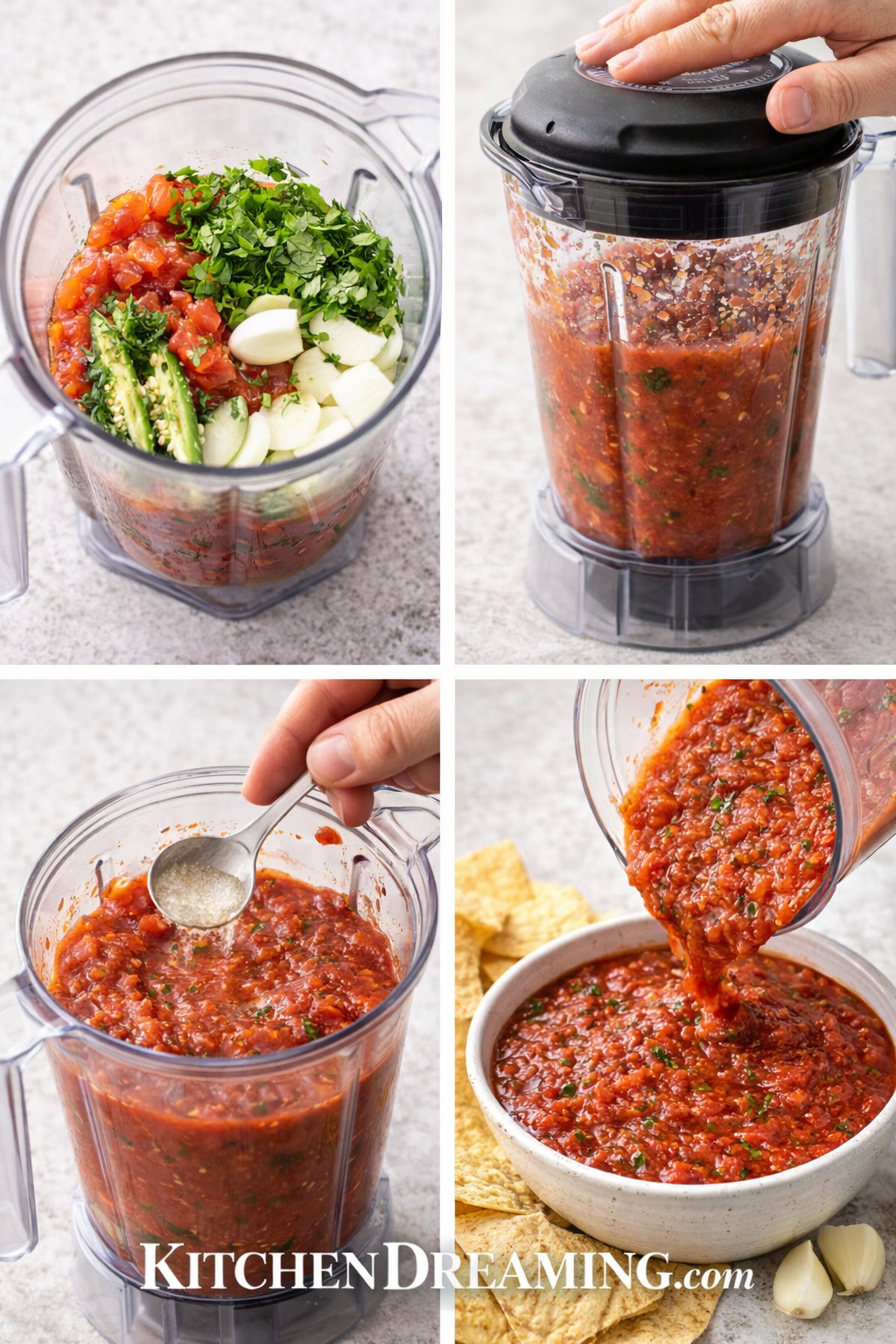
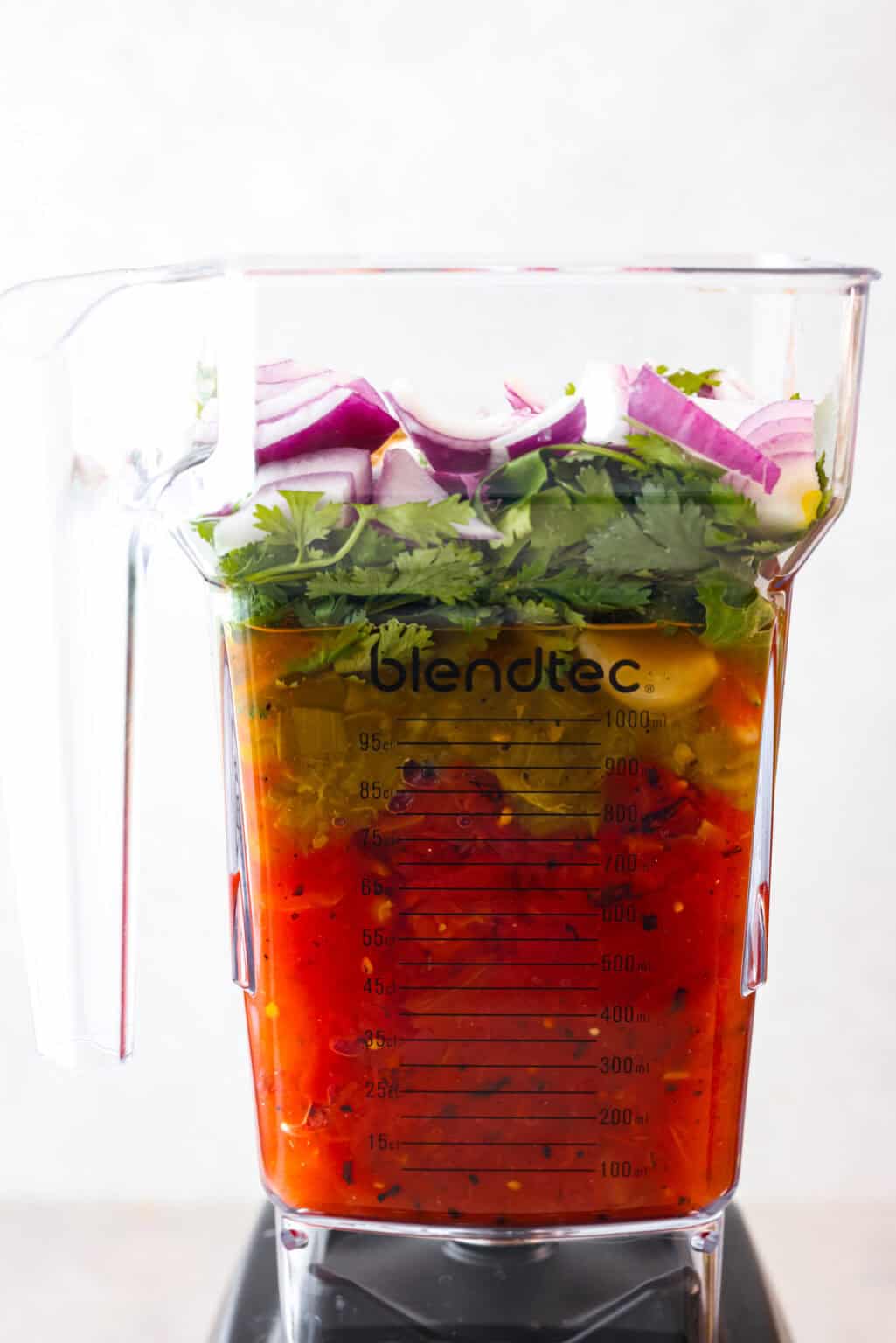
Place the tomatoes, onion, jalapeno, cilantro, lime juice, salt, and optional garlic in the blender jar. Do not exceed the blender’s stated fill limit.
Step 4: Use the pulse setting
Secure the lid and pulse two or three times for a chunky texture. Check the mixture, then pulse again only if large pieces remain.
Step 5: Check the consistency
Stop the motor before removing the lid. If the ingredients need more mixing, secure the lid and pulse again. If the salsa looks too thick to move, stir it or add a small amount of tomato liquid.
Step 6: Taste and adjust
Transfer a small amount to a spoon and taste it. Add salt for a flat flavor, lime juice for more tang, or a little extra jalapeno for heat. Mix again briefly if needed.
Step 7: Serve or chill
Serve the salsa with tortilla chips or as a topping for tacos. For a more blended flavor, cover it and refrigerate it for a short time before serving.
How Do You Know When the Salsa Is Ready?
The salsa is ready when the pieces are as small as you want them, the flavors taste balanced, and the mixture is easy to scoop. For chunky salsa, you should still see small pieces of tomato and onion. For smooth salsa, the mixture should look even without large pieces floating in it.
Do not judge the texture only while the salsa is moving in the blender. Once it rests in a bowl, juice may collect around the solids. Stir it with a spoon to see how thick it really is and decide whether it needs draining.
Too many large pieces
Use one or two more short pulses.
Texture looks right
Stop blending. More time can release extra liquid and make the salsa thinner.
Flavor tastes flat
Adjust the salt or lime juice a little at a time, then taste again.
How to Get the Texture You Want
The texture of blender salsa depends on the ingredients, the amount of liquid, the blade speed, and the time spent blending. You can use the same basic recipe to make a coarse dip, a restaurant-style salsa, or a smooth sauce by changing the blending method.
For most people, short pulses are the easiest way to stay in control. If the blender has several speed settings, begin at a low setting and increase it only if the ingredients are not moving. Do not keep running the motor just because the mixture looks uneven while the blades are spinning.
A food processor can be easier for a very chunky salsa because its wider bowl and chopping action often leave larger pieces. However, a blender remains a practical choice for a finely chopped or smooth result, especially when you work in small batches.
Source: kitchendreaming.com
For chunky salsa
Add the firm ingredients first and pulse briefly. Stop while small tomato, onion, and pepper pieces remain visible.
For restaurant-style salsa
Use several short pulses until the pieces are small and the ingredients are evenly mixed. Aim for a loose but spoonable texture.
For smooth salsa
Blend in short intervals, checking between them. Add liquid only when the blades cannot move the mixture properly.
For a thick dip
Drain excess tomato juice before blending. Add watery ingredients gradually and avoid pouring in extra water unless needed.
Can You Make Chunky Salsa Without a Food Processor?
Yes. A blender can make chunky salsa, but you need to stop early and work in short pulses. A food processor may offer more room for coarse chopping, yet you do not need to buy another appliance just to make a bowl of salsa.
If your blender tends to puree everything quickly, chop the onion and pepper by hand first. Add the tomatoes and herbs, pulse once or twice, and check the result. For very large tomato pieces, remove some salsa to a bowl and chop those pieces by hand instead of blending the whole batch again.
Use manual chopping for control
Finely chop the onion and pepper before adding them to the blender.
Keep the batch small
A small amount may be easier to control than a jar filled to the top.
How to Fix Watery or Bland Blender Salsa
Watery salsa is one of the most common problems when using a blender. Tomatoes contain a great deal of water, and cutting their flesh releases juice. Extra lime juice, canned tomato liquid, or added water can make the mixture thinner still.
The best fix depends on the cause. If the salsa tastes good but has too much liquid, drain some of the juice. If the texture is fine but the flavor seems weak, adjust the seasoning instead of adding more ingredients at random.
Avoid trying to thicken salsa by running the blender longer. Longer blending usually breaks the ingredients down further and may release more liquid. Use a spoon, a strainer, or a small amount of a suitable thick ingredient when you need a thicker result.
Source: The Recipe Critic
Problem: The salsa is too watery
Let it rest briefly, then spoon off or drain some free liquid. Next time, use firmer tomatoes or drain canned tomatoes before blending.
Problem: The salsa is too thick
Stir in a small amount of tomato juice or lime juice. Add only what you need, then taste again.
Problem: The salsa tastes bland
Add a small pinch of salt and taste again. If the flavor still seems dull, try a little more lime juice.
Problem: The onion flavor is too strong
Let the salsa chill briefly, then taste it again. For the next batch, use less raw onion or a milder variety.
Problem: The salsa is too spicy
Mix in more tomato and a little onion or cilantro to spread out the heat. Adding sugar may change the taste without truly removing the pepper’s heat.
Problem: The salsa is foamy
Stop blending and let the mixture settle. Use shorter pulses next time to reduce excess air mixed into the salsa.
How to Balance Salt, Lime, and Heat
Good salsa has a balance of fresh tomato flavor, acidity, salt, and pepper heat. No single amount works for every batch because tomatoes vary in sweetness, water content, and flavor. Add seasonings in small amounts and taste after each change.
Salt can bring out the natural taste of tomatoes, while lime juice adds a sharp, fresh note. Jalapeno changes the heat level, and cilantro adds a green, herbal flavor. If one ingredient becomes too strong, increase the other main ingredients rather than adding large amounts of salt or lime.
Too sour
Add a little more tomato to soften the sharp taste.
Too salty
Increase the unsalted ingredients to dilute the salt. Adding water can weaken the flavor, so use it only if needed.
Too mild
Add a small amount of finely chopped jalapeno and mix well before tasting again.
Fresh Salsa Variations You Can Make in a Blender
Once you have a basic recipe, you can change the ingredients to suit the meal. Keep the same method and add new ingredients a little at a time. This makes it easier to understand how each change affects the flavor and texture.
Fresh salsa pairs well with tortilla chips, tacos, grilled chicken, fish, eggs, and roasted vegetables. It can also add flavor to rice bowls and burritos. Choose a variation based on how you plan to serve it rather than adding every ingredient at once.
Source: 12tomatoes.com
Mild family salsa
Use ripe tomatoes, a small amount of onion, cilantro, lime juice, and salt. Leave out the jalapeno or remove its seeds and inner ribs.
Spicy salsa
Use more jalapeno or add a small piece of serrano pepper. Start with less than you think you need because the heat can vary between peppers.
Restaurant-style salsa
Use canned tomatoes for convenience, along with onion, cilantro, jalapeno, lime juice, and salt. Drain some liquid if the mixture becomes thin.
Roasted tomato salsa
Roast tomatoes, onion, and peppers until softened and lightly browned. Let them cool before blending, then add cilantro, lime juice, and salt.
Garlic and lime salsa
Add a small amount of garlic and fresh lime juice to the basic recipe. Taste carefully because raw garlic can quickly dominate the other flavors.
Fruit salsa
Blend a small portion of mango or pineapple with tomato, lime, cilantro, and pepper for a sweet and savory variation. Use short pulses to keep some fruit pieces intact.
Can You Make Salsa With Roasted Tomatoes?
Yes. Roasted tomatoes give salsa a deeper flavor than raw tomatoes. Roasting can also soften the onion and pepper, making them easier to blend into a smooth sauce.
Place the prepared vegetables on a baking sheet and roast them until soft and lightly browned. Cooking time varies with the size of the pieces and your oven, so watch the vegetables rather than relying on one exact time. Let them cool enough to handle before adding them to the blender.
Roasted vegetables may release liquid as they cool. Add them without all the collected liquid if you want a thicker salsa. Blend briefly, then add fresh cilantro and lime juice to taste.
For a smoky flavor
Roast the tomatoes and peppers until they develop some browned spots without burning.
For a fresh finish
Add cilantro and lime juice after roasting, then pulse briefly to mix.
Blender vs. Food Processor vs. Hand-Chopped Salsa
A blender is a practical choice for salsa when you want a fine texture with little effort. A food processor often gives you more control over coarse chopping, while a knife provides the clearest separation between each ingredient. None of these methods is always best; the right one depends on the texture you want and the equipment you already own.
For a small batch of smooth salsa, a blender is often the simplest option. For a large bowl of chunky salsa, a food processor may save time. Hand chopping works well when you want distinct pieces and do not mind spending more time at the cutting board.
Source: mymontanakitchen.com
Blender
Best for smooth or finely chopped salsa. Main limitation: it can turn soft tomatoes into puree quickly.
Food processor
Useful for coarse, chunky salsa and larger batches. Main limitation: it still needs careful pulsing to prevent overprocessing.
Knife and cutting board
Best for distinct pieces and precise control. Main limitation: chopping takes longer and requires safe knife handling.
Which Method Should You Choose?
Choose a blender if you already own one and prefer a smooth dip for chips or a sauce for tacos. Choose a food processor if chunky salsa is your priority and you make it often. Choose hand chopping when texture matters more than speed.
You can also combine methods. Chop the onion and pepper by hand, then pulse them with the tomatoes and herbs. This reduces the amount of blending needed and makes it easier to keep larger pieces in the finished salsa.
For speed
Use a blender with a pulse setting and pre-cut the larger vegetables.
For coarse texture
Use hand chopping or a food processor with brief pulses.
For a smooth sauce
Use a blender and blend in short intervals until the texture is even.
How to Store Homemade Blender Salsa Safely
Homemade salsa made with fresh tomatoes and other raw produce should be treated as a perishable food. Place it in a clean, covered container and refrigerate it promptly at 40 degrees Fahrenheit or below. Do not leave it on the counter for hours just because it contains lime juice.
For the best quality and a simple food-safety plan, use refrigerated homemade salsa within three to four days. The texture may change as the tomatoes release liquid, so stir it before serving. If you notice mold, an unusual odor, or another clear sign of spoilage, discard the salsa without tasting it.
At a party or cookout, keep the main container chilled and serve smaller portions in a bowl. Refill the serving bowl with fresh, cold salsa rather than leaving the whole batch out. Perishable food should not remain at room temperature for more than two hours, or more than one hour when the temperature is above 90 degrees Fahrenheit.
Source: kitchendreaming.com
Use a clean container
Transfer the salsa with a clean spoon into a covered food-safe container.
Refrigerate promptly
Keep the salsa at 40 degrees Fahrenheit or below and return it to the refrigerator after serving.
Watch the time
Discard salsa left out beyond the recommended time limits, especially during hot outdoor events.
Avoid cross-contamination
Use clean serving utensils and do not return a spoon that has touched other food or someone’s mouth to the storage container.
Can You Freeze Blender Salsa?
You can freeze many tomato-based salsa mixtures, but the texture may change after thawing. Tomatoes contain a lot of water, and freezing can damage their structure. Once thawed, the salsa may be softer and release more liquid than fresh salsa.
If you plan to freeze a batch, place it in a freezer-safe container and leave room for expansion. Thaw it in the refrigerator, stir it well, and drain excess liquid if needed. Frozen and thawed salsa is often better for cooked dishes than for a fresh dip served with crisp tortilla chips.
Freezing does not make spoiled salsa safe. Freeze fresh salsa while it is still in good condition, and keep it cold during thawing.
For cooked meals
Use thawed salsa in soups, sauces, or cooked dishes where a softer texture matters less.
For fresh dipping
Make a fresh batch when texture and the crisp taste of raw vegetables matter most.
Common Mistakes to Avoid When Making Blender Salsa
Most blender salsa problems come from too much liquid, too much blending, or poor seasoning balance. These issues are easy to avoid when you start with a simple recipe and make small changes after tasting.
The blender should help you control the ingredients, not dictate the final texture. Stop the motor before checking the mixture, and never reach into the jar while the blades are moving or plugged-in equipment could start unexpectedly.
Blending for too long
Soft tomatoes can become liquid quickly. Use short pulses and check after each round.
Adding too much liquid at once
Begin with the natural liquid from the tomatoes. Add extra juice or lime only when the texture or flavor needs it.
Using unripe or flavorless tomatoes
Choose ripe tomatoes with a fresh smell and good color. Seasoning cannot fully replace the flavor of good produce.
Adding too much onion or garlic
These ingredients have strong raw flavors. Start with less, then increase the amount after tasting.
Ignoring pepper heat
Jalapenos vary in heat. Add them in stages and keep your hands away from your eyes after cutting them.
Overfilling the blender
Leave room for the ingredients to move and follow the jar’s fill limit. Blend a second batch if necessary.
Leaving salsa out too long
Fresh salsa is perishable. Refrigerate it promptly and follow the recommended time limits when serving.
Safe Blender Use During Salsa Preparation
Always secure the lid before blending and keep the blender on a stable, dry surface. If food becomes stuck around the blades, switch the blender off, unplug it, and wait for the blades to stop before using a utensil to move the ingredients.
Never use your fingers to clear the blades. Follow the appliance manual for cleaning, assembly, and any limits on the types or amounts of ingredients it can handle. Do not put hot roasted vegetables into a sealed blender jar unless the manufacturer specifically permits that use and provides instructions for venting steam.
For roasted salsa, letting the vegetables cool before blending is a simple way to avoid steam pressure and splashes. Keep raw produce separate from raw meat and poultry, and clean the cutting board and utensils after use.
Before blending
Check that the jar is properly seated, the lid is secure, and the cord and plug are in good condition.
When food gets stuck
Turn off and unplug the blender before moving food away from the blades.
After making salsa
Wash the jar, lid, cutting board, knife, and utensils with hot soapy water according to their care instructions.
A Simple Recipe to Keep on Hand
This basic recipe is a useful starting point for a homemade salsa that works with chips, tacos, burritos, and grilled foods. It uses fresh ingredients and a short blending method, so you can adjust the flavor without needing a special appliance.
The quantities below are a starting guide rather than a fixed formula. Tomato size, ripeness, pepper heat, and personal taste all affect the result. Start with the listed amounts, then change one ingredient at a time.
Ingredients
Use 1 pound of ripe tomatoes, one-quarter small onion, half a jalapeno, a small handful of cilantro, 1 tablespoon of lime juice, one-quarter teaspoon of salt, and half a small garlic clove if desired.
Preparation
Wash the produce, cut it into manageable pieces, and remove the jalapeno seeds and inner ribs if you prefer less heat.
Blending
Add the ingredients to the blender, secure the lid, and pulse in short bursts until the salsa reaches your preferred texture.
Seasoning
Taste a spoonful and adjust the salt, lime juice, or pepper. Drain extra liquid if the salsa is thinner than you want.
Serving
Serve with tortilla chips or spoon over tacos and burritos. Refrigerate leftovers promptly in a clean, covered container.
How to Adapt the Recipe for a Crowd
For a larger gathering, make several small batches rather than filling the blender past its limit. Smaller batches also make it easier to keep the texture consistent. Taste each batch before combining them in a serving bowl.
If you prepare salsa ahead of time, keep it covered in the refrigerator. Stir before serving and check whether liquid has collected at the bottom. You can drain some of it or mix it back in, depending on the texture you prefer.
Keep the heat consistent
Use the same amount of pepper in each batch, then combine and taste before making final adjustments.
Serve in smaller bowls
Keep most of the salsa refrigerated and refill the serving bowls as needed.
Frequently Asked Questions
Q
Can You Make Salsa In A Blender Without Water?
Yes. Most fresh tomato salsa recipes do not need added water because tomatoes release their own juice. Start with the tomatoes and other ingredients, then pulse until they move and break down. If the blades struggle, stop the blender, stir the mixture safely, and try again before adding a small amount of liquid.
Q
Is a Blender or Food Processor Better for Salsa?
A blender is often better for smooth or finely chopped salsa, while a food processor can make coarse salsa easier to control. Both appliances can overprocess soft tomatoes if you run them too long. Choose the tool you already own based on the texture you want.
Q
Why Does My Blender Salsa Taste Bitter?
A bitter taste may come from an unusually bitter ingredient, too much raw garlic, or a strong amount of cilantro. Some peppers can also have a harsh taste. Add more tomato in a small amount, taste again, and reduce the strong ingredient in your next batch. If an ingredient smells spoiled or seems unsafe, discard it rather than trying to cover the flavor.
Q
Should I Peel Tomatoes Before Blending Salsa?
No, peeling tomatoes is usually not necessary for a basic blender salsa. The blender can break down the skin along with the flesh. If your blender leaves noticeable bits of skin or you want a very smooth sauce, you can peel the tomatoes first, but it adds another preparation step.
Q
How Long Does Homemade Blender Salsa Last in the Fridge?
For a simple food-safety guideline, keep homemade fresh salsa refrigerated at 40 degrees Fahrenheit or below and use it within three to four days. Store it in a clean, covered container and refrigerate it promptly after serving. Discard salsa that has been left at room temperature beyond the recommended limit or shows signs of spoilage.
Q
Can I Use Canned Tomatoes to Make Blender Salsa?
Yes. Plain canned tomatoes are convenient for a quick salsa, especially when fresh tomatoes are out of season. Drain some of the liquid if needed, then blend with onion, jalapeno, cilantro, lime juice, and salt. Since canned tomatoes are often soft, use short pulses to avoid making the salsa too thin.
Q
How Can I Make Blender Salsa Less Spicy?
Use less jalapeno and remove its seeds and inner ribs before blending. If the salsa is already too spicy, add more tomato and a little onion or cilantro to dilute the heat. Make small changes and taste again before serving.
Q
Can I Make Salsa Ahead of Time?
Yes. You can make fresh salsa ahead and refrigerate it in a clean, covered container. The flavors may blend as it rests, but the tomatoes can release extra liquid. Stir before serving, adjust the texture if needed, and follow the recommended refrigerated storage period.
✦ Wrapping Up
Conclusion
Yes, a blender is a simple and practical way to make homemade salsa. With ripe tomatoes, onion, jalapeno, cilantro, lime juice, and salt, you can make a fresh dip for tortilla chips or a flavorful topping for tacos, burritos, and grilled foods. You do not need a special salsa machine or a complicated recipe.
The main trick is to control the blending time. Use short pulses for chunky salsa, blend a little longer for a finer sauce, and add extra liquid only when necessary. Taste the salsa before serving so you can balance the salt, lime, and pepper to suit your meal.
If your first batch turns out too thin or too spicy, small changes can help. Drain excess tomato juice, add more tomato to soften strong flavors, and make seasoning changes in small steps. Refrigerate leftovers promptly and use them within three to four days.
💡 Key Takeaway
Start with one pound of ripe tomatoes, a little onion, half a jalapeno, cilantro, lime juice, and salt. Pulse the ingredients in short bursts, taste, adjust, and stop as soon as the salsa reaches your preferred texture.