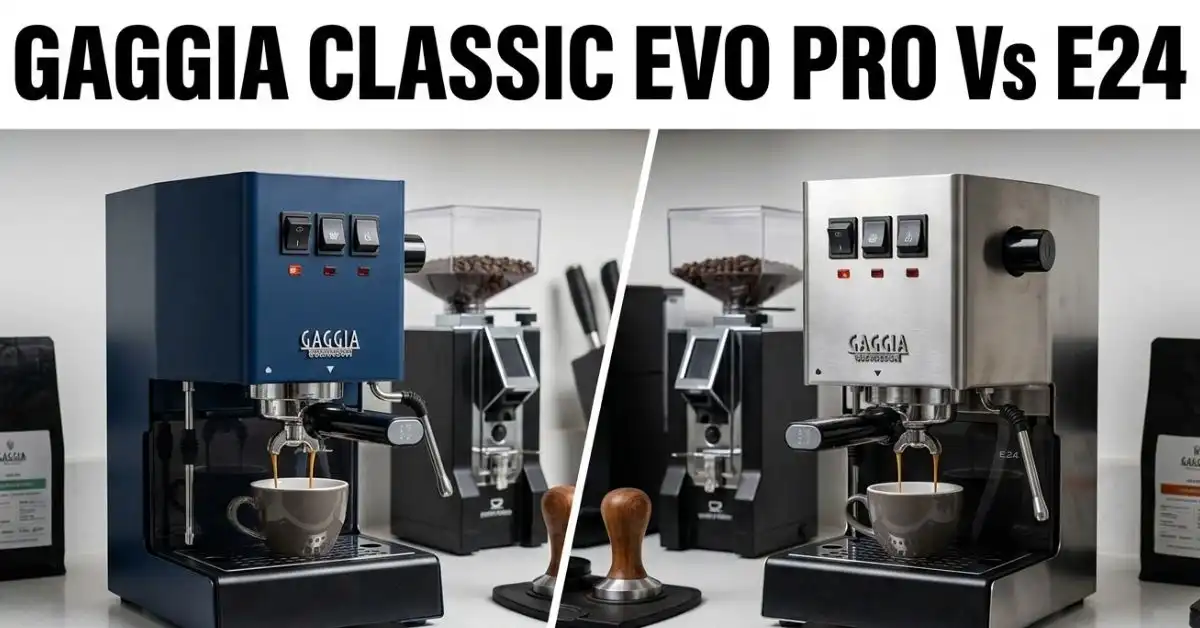
The Gaggia Classic Evo Pro Vs E24 is a common choice for home baristas who want great espresso without spending a fortune. The main difference is simple. The E24 has a larger brass boiler, while the Evo Pro uses an aluminum boiler.
I have used and tested many espresso machines, and I know that small changes like this can affect daily use, heat control, and steam power. In this guide, I’ll show you the real differences, what each machine does well, and which one is the better fit for your coffee routine.
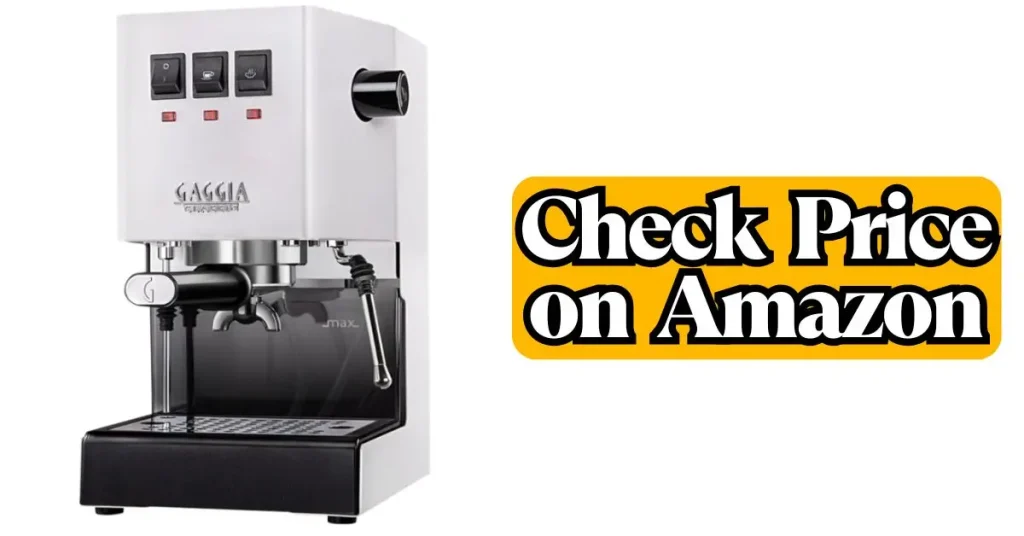
Gaggia RI9380/46 E24 Espresso Machine Review
I bought the Gaggia RI9380/46 E24 Espresso Machine because I wanted better coffee at home. Before this, I used a pod machine. It was fast, but the coffee often tasted flat. I also wanted more steam power for lattes and cappuccinos. My hope was simple. I wanted rich espresso, better control, and a machine that would last for years. After using it every day for several weeks, I got a clear idea of what it does well and where it falls short.
The first thing I tested was espresso quality. I used fresh beans from a local coffee shop and pulled shots each morning. Right away, I saw a big change from my old machine. The coffee tasted fuller and more balanced. The crema was thick and looked great in the cup. I pulled many shots over several weeks and got very steady results. The machine held heat well. I did not have to guess as much about brew temperature. That made it easier to get good shots day after day. For home use, the results felt close to what I get from many coffee shops.
The Gaggia RI9380/46 E24 Espresso Machine was also easy to live with. It takes about 10 to 15 minutes to warm up. I usually turn it on while I make breakfast. The portafilter feels strong and well made. The water tank is easy to remove and fill. The machine fits well on my kitchen counter and does not take up too much room. It is not very loud during use. Clean-up is simple. I rinse the parts after brewing and wipe the steam wand. After weeks of daily use, the machine still looks and feels solid.
| Pros | Cons |
| Great espresso quality | Needs a good grinder |
| Strong steam power | Takes time to learn |
| Solid metal build | Warm-up is not fast |
| Good heat stability | Slow for many milk drinks |
| Easy to clean and maintain | Costs more than basic machines |
| Compact size | Single-boiler design |
I also tested the steam wand often. I make lattes a few times each week. The steam power was strong enough for smooth milk foam. After some practice, I could make fine foam for simple latte art. I tried whole milk, oat milk, and almond milk. Whole milk gave the best results, but all worked well. The steam wand felt much better than the one on my old machine. For one or two drinks, it did a very good job.
There are a few downsides. The warm-up time may feel long if you want coffee right away. New users may need some time to learn the basics. A good grinder is also important. Without one, it is hard to get the best results. Since this is a single-boiler machine, you must wait when switching from brewing to steaming. That can slow things down.
In the end, I am happy with the Gaggia RI9380/46 E24 Espresso Machine. It makes rich espresso, has strong steam power, and feels built to last. I would buy it again. I think it is a good choice for people who want better coffee at home and enjoy being part of the process.
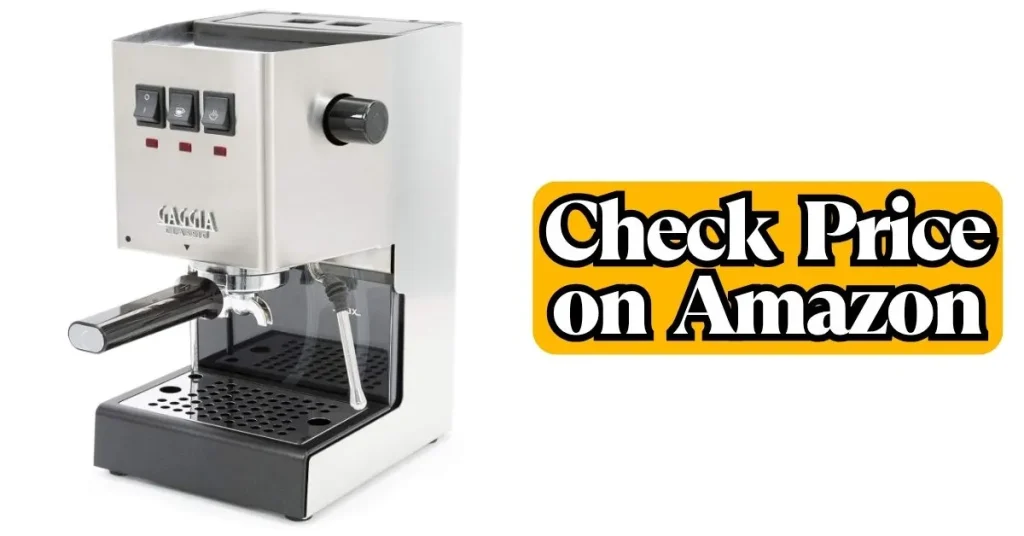
Gaggia RI9380/48 Classic Evo Pro Espresso Machine Review
I used the Gaggia RI9380/48 Classic Evo Pro Espresso Machine every day for a few weeks before writing this review. I made espresso, lattes, and cappuccinos with it. I also tried different coffee beans and milk types. After all that testing, I learned what this machine does well and where it needs some patience.
I bought the Gaggia RI9380/48 Classic Evo Pro Espresso Machine because I wanted better coffee at home. Before this, I used a pod machine. It was quick, but the coffee often tasted dull. I wanted more control over each shot. I also wanted a better steam wand for milk drinks. When I took the machine out of the box, it felt heavy and strong. The metal body looked great on my counter. It gave me a good first impression right away.
The first thing I tested was espresso quality. I made two to four shots each day. I used both medium and dark roast beans. The coffee tasted rich and smooth. I noticed more flavor than I got from my old machine. The crema was thick and stayed on top of the shot. I checked the results over many days. The shots stayed very close in taste and look. As long as my grind and dose stayed the same, the machine gave steady results. Once I found a simple routine, it was easy to get good espresso each morning.
Daily use was simple. The machine takes about 10 to 15 minutes to warm up. I turned it on while I made breakfast. The portafilter felt solid in my hand. The water tank was easy to remove and fill. The machine fit well on my kitchen counter. It was not too loud. Clean-up was easy. I rinsed the portafilter and wiped the steam wand after each use. After weeks of testing, the machine still looked and felt like new.
| Pros | Cons |
| Rich espresso flavor | Needs a good grinder |
| Strong steam wand | Takes time to learn |
| Solid metal build | Warm-up is not fast |
| Compact size | Single-boiler design |
| Easy to clean | Temperature surfing may help |
| Easy to repair and upgrade | Slow for many drinks in a row |
I also tested the steam wand many times. I make lattes a few days each week. The steam power was strong enough for smooth milk foam. It took less than a minute to steam milk for most drinks. I used whole milk and oat milk. Both worked well. Whole milk gave the best texture. After some practice, I could make simple latte art. The steam stayed steady from one drink to the next.
There are a few things to keep in mind. The warm-up time may feel long if you want coffee fast. New users may need time to learn the basics. A good grinder is also important. Without one, it is hard to get the best shot. Since this is a single-boiler machine, you must wait when moving from brewing to steaming. That can slow things down.
Overall, I enjoyed using the Gaggia RI9380/48 Classic Evo Pro Espresso Machine. It made rich espresso and good milk drinks. It felt strong and well built. I would buy it again. I think it is a good fit for people who want better coffee at home and enjoy making it by hand.
Detailed Comparison for Gaggia Classic Evo Pro Vs E24
I used both machines at home for several weeks. Most of my tests took place in the morning when I made espresso before work. I also made lattes on weekends. Both machines made good coffee. The main differences showed up in daily use, heat control, and milk drinks.
Boiler Design and Temperature Stability
The boiler is the biggest difference. The Evo Pro uses an aluminum boiler. The E24 uses a larger brass boiler. In my tests, the E24 held heat better and gave me more steady results.
| Feature | Gaggia Classic Evo Pro | Gaggia E24 |
| Boiler Material | Aluminum | Brass |
| Heat Retention | Good | Better |
| Temperature Stability | Good | Better |
| Shot Consistency | Good | Better |
| Need for Temperature Surfing | More often | Less often |
I noticed the difference when I made several shots in a row. The E24 stayed more stable. It needed less guesswork.
Espresso Performance and Shot Quality
I tested both machines with light, medium, and dark roast beans. I made two to four shots each day. Both machines made rich espresso. The E24 was a little easier to work with.
| Feature | Gaggia Classic Evo Pro | Gaggia E24 |
| Flavor | Rich | Rich |
| Body | Good | Slightly fuller |
| Crema | Thick | Thick |
| Bean Flexibility | Good | Better |
| Consistency | Good | Better |
Most days, the coffee tasted very close. Still, the E24 gave me more even results from one shot to the next.
Steam Power and Milk Drinks
I make lattes often, so I paid close attention to steam power. Both machines made smooth milk foam. The E24 felt a bit stronger.
| Feature | Gaggia Classic Evo Pro | Gaggia E24 |
| Steam Power | Strong | Stronger |
| Milk Frothing Speed | Good | Faster |
| Microfoam | Good | Better |
| Latte Art | Good | Better |
| Back-to-Back Drinks | Fair | Better |
When I made drinks for friends, the E24 felt less rushed. It bounced back faster between drinks.
Daily Use and Workflow
Small details matter when you use a machine every day. I looked at warm-up time, cleaning, and ease of use.
| Feature | Gaggia Classic Evo Pro | Gaggia E24 |
| Warm-Up Time | Faster | Slightly slower |
| Ease of Use | Good | Easier |
| Water Tank Access | Easy | Easy |
| Cleaning | Easy | Easy |
| Build Quality | Strong | Strong |
The Evo Pro warmed up a bit faster. The E24 felt easier once it was hot. My morning routine felt smoother with the E24.
Value for Money and Best Buyer Type
Price is a big part of the choice. The Evo Pro costs less. The E24 costs more but adds a few useful upgrades.
| Feature | Gaggia Classic Evo Pro | Gaggia E24 |
| Price | Lower | Higher |
| Long-Term Value | Good | Better |
| Upgrade Options | Many | Many |
| Best For | Budget buyers | Daily users |
| Overall Value | Strong | Strong if budget allows |
If I wanted to save money, I would pick the Evo Pro. If the price gap was small, I would choose the E24.
Final Verdict
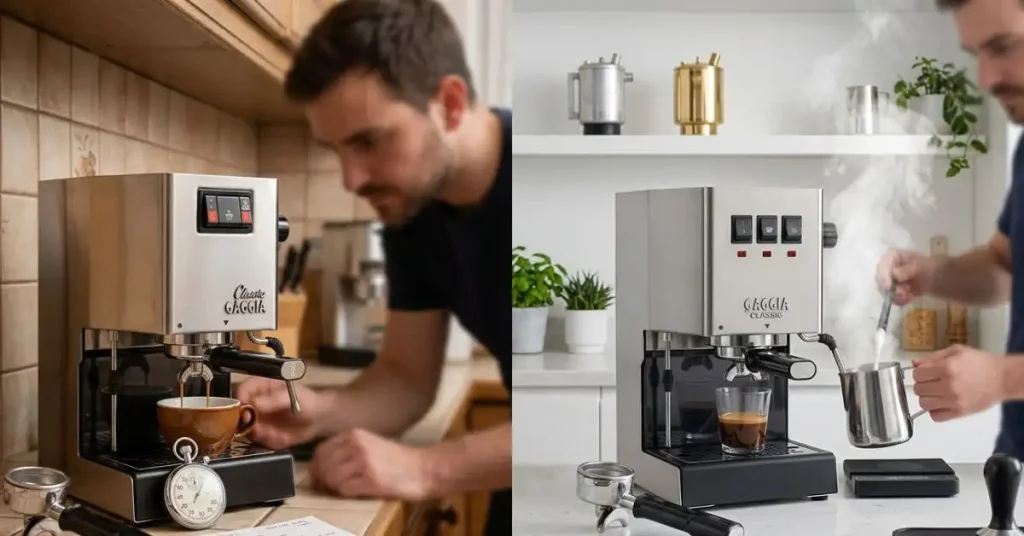
The Gaggia Classic Evo Pro Vs E24 is a close match. Both machines make great espresso. The Evo Pro gives strong value for the money. The E24 gives better heat control and a smoother daily experience. I would choose the E24 if my budget allowed it. If not, I would still be happy with the Evo Pro every day.
To Get More About Kitchen Accessories Product You Can Visit Our Site. If You Found our Posts Helpful Leave a Comment Below