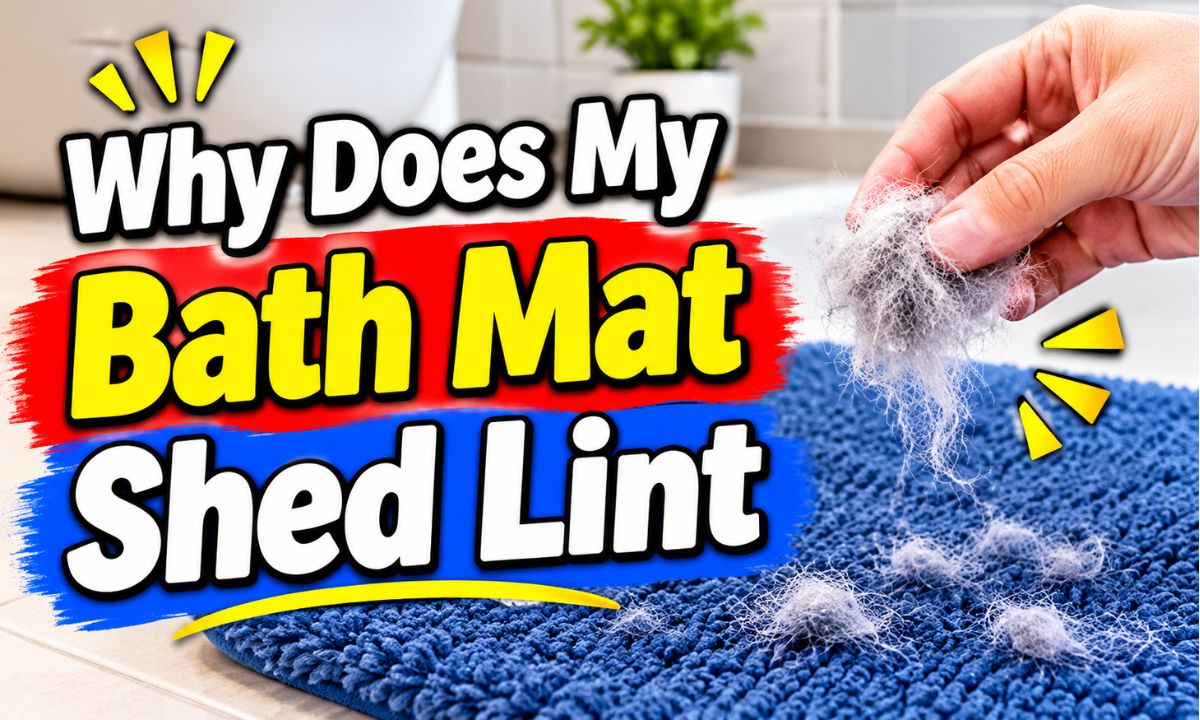
Your bath mat sheds lint because loose fabric fibers break away during use, washing, drying, or normal wear. New cotton and chenille mats often shed more, but harsh laundry methods and damaged fibers can make the problem worse.
If you live in the United States, you probably wash your bath mat along with towels and other bathroom laundry. You may notice tiny balls of lint in the washer, loose fibers on the bathroom floor, or fuzzy bits stuck to your freshly washed towels. It can be frustrating, especially when your mat is new and you expect it to stay soft and clean.
Most bath mats shed some loose fibers during their early use. Cotton, chenille, and other fluffy fabrics can release small bits of fiber left behind during manufacturing. However, constant shedding may point to friction, poor fabric construction, excess heat, harsh washing, or a mat that is wearing out. The good news is that a few simple changes can often reduce the mess.
The best solution depends on the material and the type of shedding. A new cotton mat needs different care from a microfiber mat or one with a rubber backing. This guide explains how to identify the cause, remove loose lint, wash your mat correctly, and tell when shedding means it is time for a replacement.
Your bath mat sheds lint when tiny fibers loosen from the fabric and fall onto the floor, your clothes, or other laundry. This happens because textile fibers can break or pull free from yarns during normal use and cleaning. The problem is often more noticeable with thick, fluffy mats.
Some shedding is normal, especially when a mat is new. During production, small fibers may remain on the surface or around the yarn. The first few washes can remove this extra material. Shedding should usually become less noticeable as the loose surface fibers disappear.
However, a bath mat that keeps leaving thick piles of lint needs closer attention. Repeated friction, poor construction, chemical damage, or excessive heat can weaken the fabric. Finding the reason is the first step toward stopping the mess.
Source: i2-prod.mirror.co.uk
Loose manufacturing fibers
Small fibers can remain on a new mat after the fabric is cut, woven, or finished. These fibers may come loose during the first few uses and washes.
Fabric friction
Your feet rub against the mat every day. Washing machine movement and contact with rough laundry can also loosen fibers.
Weak fabric construction
Loose yarns, short fibers, weak stitching, or a low-density fabric may release more lint than a tightly made mat.
Incorrect laundry care
High heat, harsh cleaning products, excessive detergent, and aggressive wash cycles may damage fibers and increase shedding.
Normal aging
An older mat may shed more as its fibers become worn from repeated washing, foot traffic, and moisture.
Is Bath Mat Shedding Normal?
Yes, some shedding is normal, particularly with a new cotton or chenille bath mat. A small amount of fluff after the first wash does not automatically mean the product is defective. It may simply be releasing loose fibers left from production.
The important difference is how much lint appears and whether the amount decreases. A mat that sheds less after a few washes is likely going through normal early use. A mat that produces fresh clumps of lint every week may have a deeper problem.
Usually normal
A small amount of loose fluff during the first few washes, with shedding that gradually decreases.
Needs attention
Large fiber clumps, thinning areas, loose yarns, or shedding that becomes worse over time.
Which Bath Mat Materials Shed the Most Lint?
The material plays a major role in how much lint your bath mat releases. Some fabrics have short, loose fibers that can escape during use. Others have smoother surfaces or tightly held yarns that tend to release less visible fluff.
Cotton and chenille mats are common sources of visible lint. Their soft surfaces can release loose fibers as you step on them or wash them. Microfiber can also shed tiny synthetic fibers, although these may not look like the large fluff balls seen with cotton.
The table below compares common bath mat materials. These are general material characteristics, not a guarantee that every mat made from a particular fiber will behave the same way.
Source: storables.com
Cotton
Cotton mats can release visible lint, especially when new. Loose yarns and repeated friction may increase shedding.
Chenille
Chenille has a soft, fuzzy pile. Its raised fibers can release fluff when rubbed, brushed, or washed aggressively.
Microfiber
Microfiber can attract lint from other fabrics and may release fine synthetic fibers as the material wears.
Polyester
Polyester mats often resist some forms of visible cotton-like fluff, but loose yarns and fabric wear can still cause shedding.
Memory foam
Memory foam itself does not shed textile lint like cotton. However, its fabric cover can release fibers, and damaged foam may produce crumbs or flakes.
Cotton Bath Mats
Cotton is a popular bath mat material because it feels soft and absorbs water. However, its natural fibers can loosen during washing and regular use. A thick cotton mat may leave visible fluff even when it is in good condition.
Wash a new cotton mat before using it, following its care label. Use a mild detergent and avoid rough items that may catch on the loops. If the mat continues to shed heavily after several washes, inspect the fabric for loose yarns and thin spots.
Best care
Use a gentle cycle when allowed, avoid fabric softener, and dry according to the manufacturer’s instructions.
Chenille Bath Mats
Chenille mats have a fuzzy surface made from short lengths of yarn. This design gives them a plush feel, but it also creates many raised fibers that can loosen through friction.
Do not pull loose chenille strands by hand. You may pull more yarn out of the fabric and create a thin patch. Instead, remove loose surface fluff with a gentle brush or lint roller.
Best care
Keep the wash cycle gentle, protect the mat from rough items, and avoid high heat unless the care label allows it.
Microfiber Bath Mats
Microfiber is made from very fine synthetic fibers. Its soft texture can collect loose lint from towels, cotton clothing, and other fabrics in the laundry. This may make a microfiber mat look fuzzy even when most of the lint comes from another item.
Wash microfiber mats separately from cotton towels and other lint-producing fabrics. This also helps prevent cotton fibers from becoming trapped in the microfiber surface. Avoid fabric softener and dryer sheets because they can leave a coating on the fibers.
Best care
Wash with similar microfiber items, use mild detergent, and choose low heat or air drying according to the care instructions.
Common Reasons Your Bath Mat Keeps Shedding
If your bath mat continues to shed after its first few washes, look at how you use and clean it. Several everyday habits can place extra stress on the fabric. The same mat may shed less when you change the laundry method.
Start with the simplest checks. Look for loose threads, check the care label, and think about whether the shedding started after a change in detergent or dryer settings. These clues can help you separate normal lint from fabric damage.
Source: towelexpert.com
Overwashing
Washing too often can expose the fibers to repeated friction and wear. Clean the mat when needed, but follow a suitable care routine rather than washing it unnecessarily.
Hot water
Hot water can affect some fibers, dyes, and backing materials. The correct temperature depends on the fabric and the care label.
Aggressive wash cycles
Strong agitation can pull at loose loops and weak yarns. A gentle cycle may help protect delicate or fluffy mats.
Rough laundry items
Zippers, hooks, rough denim, and items with hard parts can catch on bath mat fibers and pull them loose.
High dryer heat
Excessive heat can damage some synthetic fibers and backing materials. It may also worsen existing wear.
Fabric softener
Fabric softener can coat fibers and affect absorbency. Some mat manufacturers also warn that it can make loose pile fibers slip free more easily.
Can Washing a Bath Mat With Towels Cause Lint?
Yes, washing a bath mat with the wrong towels can make lint transfer worse. Cotton towels release loose fibers, especially when they are new or heavily worn. Those fibers may stick to microfiber and other textured fabrics.
However, not every bath mat should be washed alone. Some manufacturers recommend a separate wash, while others allow similar items or towels to balance the load. Follow the mat’s instructions and sort laundry by fabric type.
For microfiber mats
Avoid washing with cotton towels because loose cotton lint can cling to the microfiber surface.
For cotton mats
Wash with similar cotton items when the care label permits. Avoid rough clothing with zippers or hooks.
For delicate mats
Use a separate load or a suitable laundry bag if the manufacturer recommends it.
Can Hard Water Make a Bath Mat Shed More?
Hard water contains dissolved minerals, mainly calcium and magnesium. These minerals can interact with soap and detergent, leaving deposits on fabrics. A buildup may make some mats feel stiff or rough.
Hard water is not proof that your bath mat is shedding because of mineral damage. Still, if the mat feels stiff and your laundry has residue, check whether you are using the right detergent amount for your water and machine.
What to check
Look for white deposits, rough fabric, and detergent residue. Follow your washer and detergent instructions before trying a water-softening product.
How to Stop Your Bath Mat From Shedding Lint
You can often reduce bath mat shedding by removing loose surface fibers and making your laundry routine gentler. The goal is to clean the mat without creating extra friction or pulling at its yarns.
Before cleaning, check the material and care label. A cotton mat, a rubber-backed mat, and a memory foam mat may need very different treatment. Never assume that a cleaning method is safe just because it works on ordinary towels.
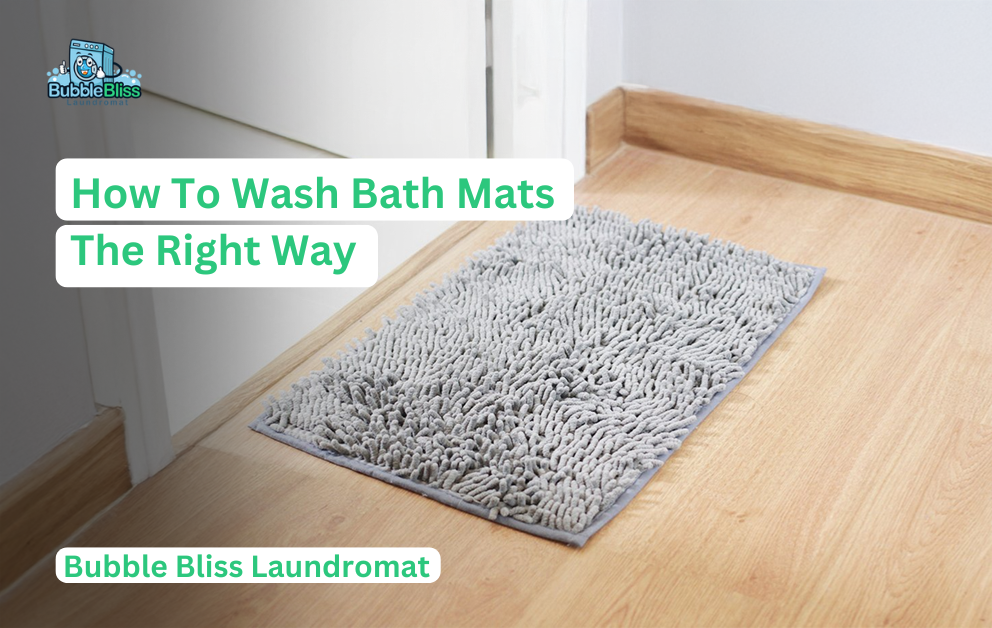
Source: bubbleblisslaundromat.nyc
Step 1: Shake out the mat
Take the dry mat outside and shake it gently. This helps remove loose lint, dust, hair, and surface debris before washing.
Step 2: Remove surface lint
Use a lint roller or soft fabric brush. Work gently and avoid pulling raised loops or chenille strands.
Step 3: Check the care label
Read the washing temperature, cycle, detergent, and drying instructions. Check whether the mat has rubber backing or foam.
Step 4: Choose a gentle wash
If machine washing is allowed, use the recommended cycle and a suitable amount of mild detergent. Avoid overloading the washer.
Step 5: Rinse properly
Make sure detergent does not remain trapped in the fibers. Use an extra rinse only if the care label and washer instructions permit it.
Step 6: Dry correctly
Air-dry the mat or use the approved dryer setting. Never put a rubber-backed mat in a hot dryer unless its manufacturer specifically permits it.
Step 7: Check the result
Once the mat is completely dry, inspect the surface. A reduction in loose fibers is a good sign that your new care routine is helping.
Use a Lint Roller or Soft Brush
A lint roller is a simple way to collect loose fibers from the surface of a bath mat. Press it lightly against the fabric and lift it away. Do not press so hard that you pull the pile or damage delicate yarns.
A soft fabric brush can also help with chenille and plush mats. Brush in the direction of the pile rather than scrubbing back and forth. Stop if you notice strands pulling out or bald patches forming.
Lint roller
Useful for small amounts of loose surface fluff on fabrics that tolerate gentle rolling.
Soft brush
Useful for lifting loose fibers without using rough scraping tools.
Vacuum cleaner
Use a suitable upholstery attachment on a low setting if the mat’s care instructions allow vacuuming.
Should You Use a Washing Machine Bag?
A laundry bag can help protect some delicate bath mats from friction and snagging. It may also catch loose fibers that come away during washing. Choose a bag large enough for the mat to move without being tightly packed.
A laundry bag is not a cure for weak fabric or a damaged backing. It also does not replace the care label. If the mat is too bulky for the bag or machine, hand-wash it when the manufacturer allows that method.
Good option
A suitable mesh laundry bag for a small, washable mat that needs extra protection.
Avoid
Forcing a large mat into a small bag or washing a damaged rubber-backed mat in a machine.
The Best Way to Wash a Bath Mat Without Increasing Lint
The safest way to wash a shedding bath mat is to use the method approved for its material and backing. Gentle care can reduce unnecessary wear, but no washing method can guarantee that a naturally shedding fabric will release no fibers.
For a machine-washable cotton or chenille mat, start by shaking away loose debris. Use a mild detergent and the recommended water temperature. Select a gentle cycle if the label allows it, and keep rough garments away from the mat.
Do not add excessive detergent to make the mat cleaner. Too much product can leave residue in the pile. Fabric softener and dryer sheets can also affect absorbency, so avoid them unless the manufacturer specifically recommends them.
Source: bathroomexplorer.com
Use mild detergent
A suitable detergent can clean the fibers without the need for aggressive chemical products.
Avoid chlorine bleach
Bleach may weaken or discolor some materials and damage certain backings. Use it only when the manufacturer clearly permits it.
Avoid fabric softener
Softener can leave a coating on the fabric and reduce its ability to absorb water.
Do not overload the washer
A packed drum can limit movement and rinsing. Follow the machine’s load guidance and the mat’s care instructions.
Use the right drying method
Follow the label for air drying or machine drying. Low heat is appropriate only when the mat is dryer-safe.
How Often Should You Wash a Shedding Bath Mat?
Wash your bath mat based on how often it gets wet, how many people use it, and how quickly it dries. A frequently used mat may need weekly washing, while a mat in a lightly used bathroom may need a different schedule.
Do not wash a mat more often than necessary just to remove every loose fiber. Repeated machine washing can add wear. Between washes, shake it out, remove visible lint, and hang it so both sides can dry.
After each use
Hang the mat or spread it out so moisture does not remain trapped underneath.
During routine cleaning
Remove loose hair, dust, and lint with a suitable brush or vacuum attachment.
When visibly dirty
Wash according to the care label rather than relying on a fixed schedule for every household.
Can You Put a Shedding Bath Mat in the Dryer?
It depends on the fabric and backing. Some cotton and chenille mats can tolerate a low-temperature dryer cycle, while rubber-backed mats and many memory foam designs may need air drying.
High heat can damage some synthetic fibers, shrink certain fabrics, or weaken rubber and adhesive backing. If the label does not clearly approve machine drying, air drying is the safer choice.
Cotton
Use low heat only when the care label permits it.
Chenille
Check the construction and drying instructions before using a dryer.
Rubber-backed mats
Air-dry unless the manufacturer clearly states that machine drying is safe.
Memory foam
Use the specified drying method to avoid damaging or deforming the foam.
How to Tell Normal Lint From a Damaged Bath Mat
Not every loose fiber means your bath mat is falling apart. The key is to look at the fabric around the lint. Normal surface fluff often appears without changing the mat’s shape or thickness.
Fabric damage usually creates other signs. You may see thin areas, exposed backing, broken yarns, loose seams, or small holes. If the mat sheds heavily and looks thinner after each wash, cleaning changes may not solve the problem.
Source: aosehometex.com
Small loose fibers
Usually point to surface fluff or normal early shedding, especially if the mat is new.
Large lint clumps
May indicate heavy friction, loose yarns, or material breakdown.
Bald patches
Suggest that fibers or yarns are coming away from specific areas of the mat.
Loose edges
May indicate worn stitching or a damaged fabric border.
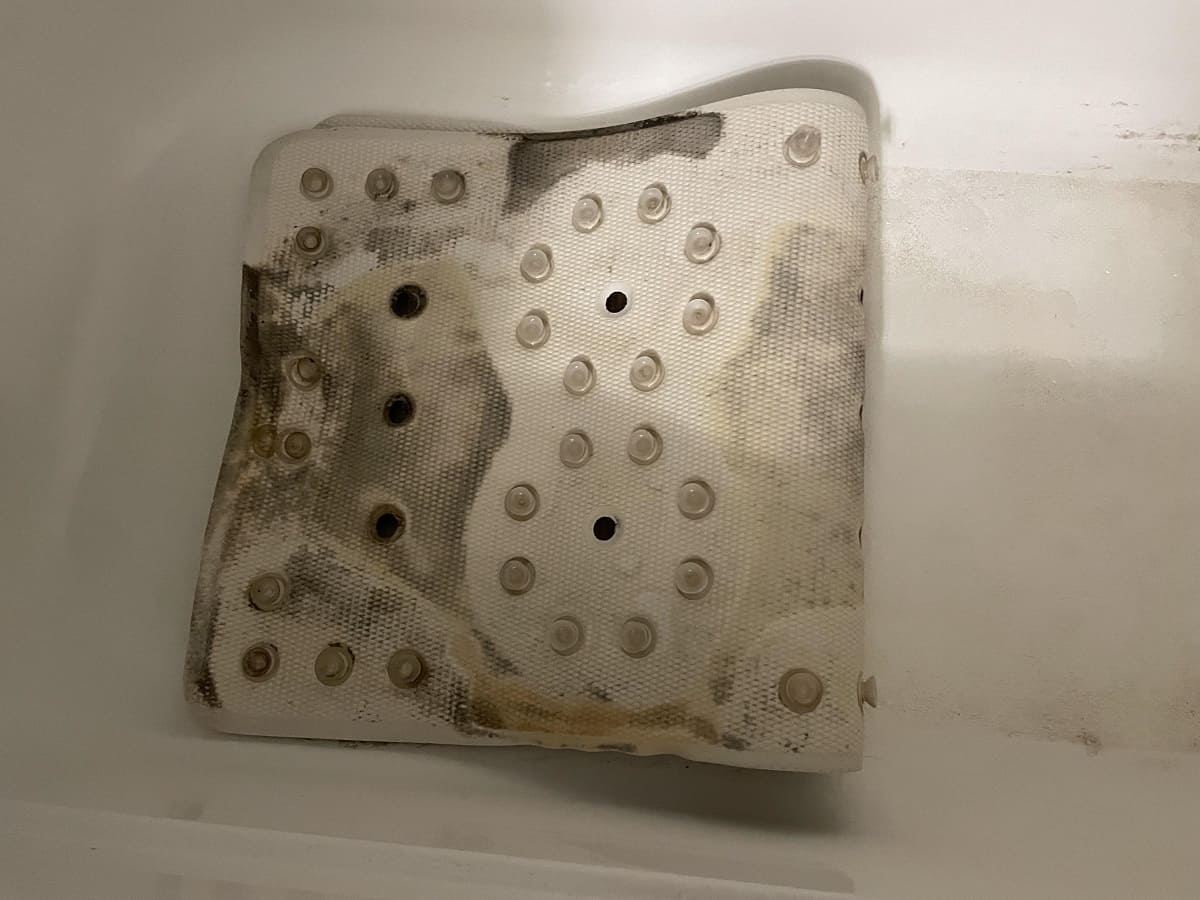
Cracked backing
Suggests that the mat may be near the end of its useful life, especially if pieces are flaking off.
When Should You Replace a Bath Mat?
Replace a bath mat when it has serious fabric damage, an unstable backing, or persistent shedding that does not improve with proper care. A mat with exposed backing or large bald areas may no longer provide the comfort or floor coverage you expect.
Pay attention to the underside as well. Rubber backing that cracks, peels, or flakes may leave pieces on the floor and can reduce grip. A mat that slides around or stays damp for long periods may also need replacement.
Replace it if the fabric is falling apart
Repeatedly losing large amounts of yarn or developing holes is a sign of significant wear.
Replace it if the backing breaks down
Flaking or peeling backing can create debris and may affect the mat’s ability to stay in place.
Replace it if it cannot stay clean
Persistent odor, stains, or dampness that remain after suitable care may mean the mat is no longer practical to use.
Common Mistakes That Make Bath Mats Shed More
Some cleaning habits seem harmless but can make a shedding problem worse. The most common mistake is treating every bath mat like an ordinary cotton towel. Different materials need different wash and drying methods.
Avoid trying several strong cleaning products at once. A shedding mat does not need harsh chemicals to remove loose fibers. Focus on reducing friction and following the manufacturer’s care instructions.
Source: towelexpert.com
Pulling loose threads
Pulling one loose strand can unravel more of the fabric. Use small scissors to carefully clip an isolated loose thread without cutting the surrounding material.
Scrubbing with a rough brush
Hard bristles can damage chenille, microfiber, and delicate cotton pile. Choose a soft brush instead.
Using too much detergent
Excess detergent may remain in the fabric and make rinsing harder. Measure according to the product and machine instructions.
Mixing microfiber with cotton towels
Cotton lint can stick to microfiber and make the mat look even fuzzier.
Using high dryer heat
High heat may weaken fibers or damage backing. Use only an approved dryer setting.
Leaving the mat wet on the floor
Trapped moisture can contribute to odors, mildew, and material deterioration. Hang the mat to dry after use.
Should You Use Vinegar to Stop Bath Mat Shedding?
Vinegar is sometimes suggested as a laundry treatment, but it is not a proven fix for loose bath mat fibers. It cannot repair broken yarns, strengthen weak fabric, or stop a worn mat from falling apart.
Some manufacturers advise against vinegar or other acidic cleaners because they may affect certain materials or backing. Check the care label before adding vinegar to a wash. A mild detergent and a suitable wash cycle are usually better starting points.
Best approach
Use the detergent and cleaning method recommended for the mat.
Avoid
Mixing vinegar with bleach or other cleaning chemicals. Such mixtures can create dangerous fumes.
Can a New Bath Mat Stop Shedding After One Wash?
It may shed less after its first wash, but one wash does not guarantee that all loose fibers will disappear. Some cotton and chenille mats release fluff over several early washes.
Watch the trend instead of expecting an instant result. If the amount of lint decreases, continue with gentle care. If the mat keeps losing large clumps or develops thin areas, contact the seller or consider replacing it.
Look for improvement
Less visible lint after each suitable wash suggests normal loose-fiber removal.
Look for damage
New holes, loose seams, and bald patches suggest a more serious construction or wear problem.
How to Choose a Bath Mat That Sheds Less Lint
If your current mat sheds constantly, choosing a different fabric may help. Look for a well-made mat with secure yarns, strong stitching, and clear washing instructions. The material alone does not determine quality, so inspect the whole product.
A tightly constructed fabric may release less visible fluff than a loose, fluffy surface. However, every textile can lose fibers over time. No material can honestly be described as completely lint-free under all conditions.
Think about your cleaning habits before buying a replacement. If you prefer machine washing, choose a product with clear machine-wash instructions. If you want a plush feel, be prepared to give the mat gentler care.
Source: aosehometex.com
Check fabric construction
Look for secure loops, even stitching, and a surface that does not release large amounts of loose fiber when gently handled.
Read care instructions
Choose a mat with washing and drying requirements that fit your laundry routine.
Inspect the backing
Check whether the backing is suitable for your floor and whether it needs special drying care.
Consider the pile
A shorter or denser pile may be easier to maintain than a very loose, shaggy surface.
Look at construction quality
Secure seams and well-held yarns matter more than a soft feel alone.
Is Cotton or Microfiber Better for Less Lint?
Neither material is guaranteed to shed less in every situation. Cotton often produces visible fluff, especially when new. Microfiber may collect lint from other fabrics and can release tiny synthetic fibers as it wears.
Choose cotton if you prefer natural fibers and good water absorption. Choose microfiber if you want a lightweight, quick-drying fabric and are willing to wash it separately from cotton laundry. Check the product’s construction and care instructions before making a decision.
Choose cotton
If you prefer a natural fiber and do not mind some early lint release.
Choose microfiber
If you want a lightweight fabric and can keep it away from lint-producing laundry.
Choose a shorter pile
If you want a surface with fewer long, raised fibers to catch and loosen.
Frequently Asked Questions
Q
Why is my new bath mat shedding so much?
A new bath mat may shed because small fibers remain on its surface after manufacturing. Cotton and chenille mats are especially likely to release visible fluff during their first few uses and washes. This does not always mean the mat is defective.
Shake it outside, wash it according to the care label, and use a gentle cleaning method. If the shedding decreases over the next few washes, it was likely normal early shedding. Heavy or increasing fiber loss deserves closer inspection.
Q
How many times should I wash a bath mat to stop shedding?
There is no fixed number of washes that will stop every bath mat from shedding. Some mats release most of their loose fibers during the first wash, while others may need several gentle washes.
Look for a steady decrease in lint rather than following an arbitrary wash count. If large clumps continue to appear or the fabric becomes thin, the problem may be caused by wear or poor construction.
Q
Why does my bath mat leave lint on my feet?
Your bath mat may leave lint on your feet because loose surface fibers stick to damp skin. This is common with new cotton and fluffy chenille mats. Moisture can make loose fibers more noticeable.
Remove loose fluff with a lint roller or soft brush. Wash the mat according to its care instructions and allow it to dry fully. If lint continues to transfer in large amounts, inspect the fabric for damage.
Q
Does fabric softener make bath mats shed?
Fabric softener is not a universal cause of shedding, but it can affect bath mat fibers. Some manufacturers warn that softener can make loose pile fibers slip free more easily. It can also leave a coating that reduces absorbency.
For most washable bath mats, mild detergent without fabric softener is a sensible starting point. Always follow the specific instructions for your product.
Q
Why does my bath mat leave lint in the washing machine?
Your bath mat leaves lint in the washing machine because loose fibers separate from the fabric during agitation. This is common with cotton, chenille, and older mats. Other laundry may also contribute to the lint in the drum.
Shake the mat before washing, avoid rough laundry items, and use a suitable cycle. After the wash, remove visible lint from the washer according to its cleaning instructions.
Q
Can I vacuum lint off my bath mat?
Yes, you can vacuum some bath mats if their care instructions allow it. Use a suitable upholstery attachment or low-suction setting to collect loose surface fibers. Avoid a rotating brush that may pull at delicate loops.
For chenille and other fluffy fabrics, a soft brush or lint roller may be gentler. Stop if you notice yarns coming loose or the surface becoming thin.
Q
Does a rubber-backed bath mat shed lint?
A rubber-backed bath mat can shed lint from its fabric surface, even though the rubber itself does not produce textile lint. If the backing begins to crack or flake, it may release small pieces that look different from ordinary fabric fibers.
Check both sides of the mat. Follow its washing instructions, avoid unapproved dryer heat, and replace it if the backing becomes damaged or loses its grip.
✦ Wrapping Up
Conclusion
Your bath mat sheds lint because loose fibers are coming away from its surface. This is often normal with new cotton and chenille mats, but repeated shedding can also result from rough washing, high heat, friction, weak stitching, or age. The type of fabric and the condition of the mat help explain what is happening.
Start by shaking out the mat and removing loose surface fibers with a gentle tool. Check the care label before washing, use a suitable detergent, and avoid rough laundry items. Keep microfiber away from cotton towels, and use the correct drying method for the backing and fabric.
Most importantly, watch how the mat changes over time. A little less lint after each wash is a good sign. Large fiber clumps, bald patches, loose seams, and flaking backing suggest that the mat may be damaged and ready for replacement.
💡 Key Takeaway
Shake your bath mat outside, remove loose lint with a soft brush or lint roller, and wash it according to its care label using a gentle method. If heavy shedding continues or the fabric and backing show damage, replace the mat.