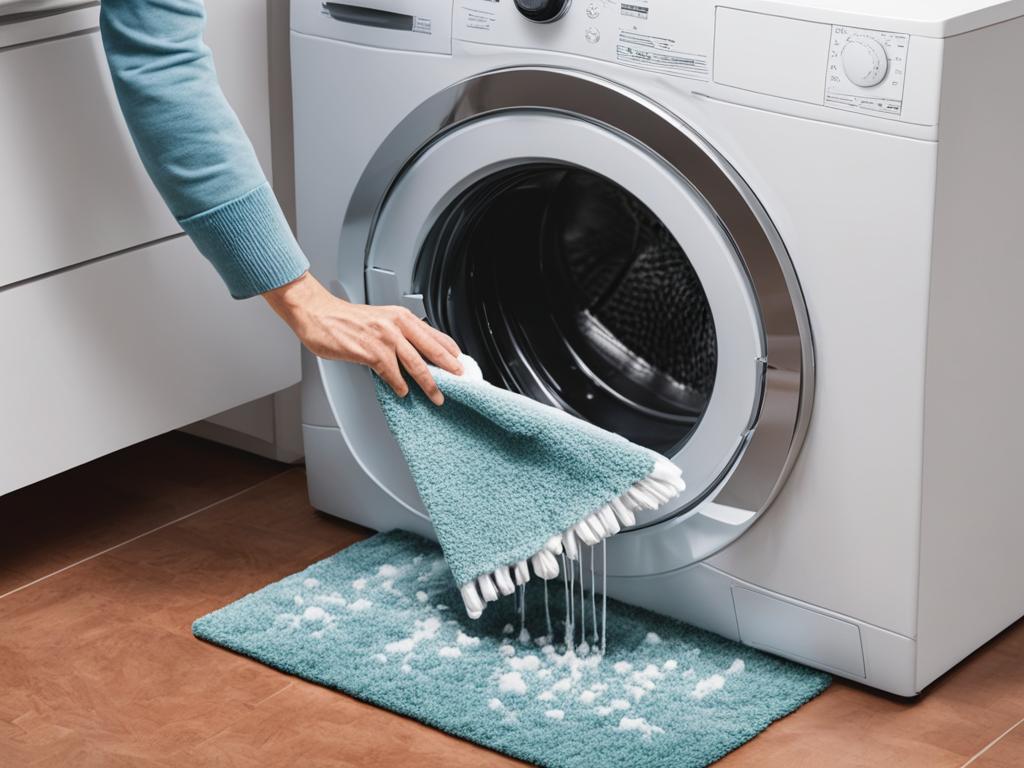
Wash a bathroom rug once a week in most homes. Wash it every three to four days if it gets very wet or sees heavy daily use. A lightly used guest bathroom rug may only need washing every two to four weeks.
In American homes, bathroom rugs sit outside showers, beside bathtubs, and in front of sinks and toilets. They make cold tile floors more comfortable, but they also collect water, soap, loose hair, dust, and dirt from bare feet. That mix can make a rug smell bad or stay damp if you do not clean it often.
A weekly wash is a good starting point for a family bathroom. However, the right schedule depends on how many people use the room, how wet the rug gets, how well the bathroom dries, and what the rug is made of. A busy bathroom in a humid home needs more care than a guest bathroom that stays dry most of the time.
The goal is not to wash every rug as often as possible. Too much washing can wear down some fabrics and damage rubber backing. A better plan is to clean the rug on a regular schedule, dry it fully after use, and wash it sooner whenever it smells musty, looks dirty, or stays wet.
For most homes, washing a bathroom rug once a week is a sensible routine. This schedule helps remove the water, dirt, body oils, soap residue, and loose skin that collect in the fibers. It also gives you a regular time to check the rug for odors, stains, and wear.
However, not every bathroom has the same needs. A rug used by four people each morning may need more frequent washing than one used by a single person. A mat that stays wet for hours also needs more care than one that dries soon after a shower.
Some care advice suggests washing bath mats every other week or monthly. These schedules may suit certain lightly used decorative rugs, but they should not be treated as a rule for a mat that gets soaked each day. The amount of moisture and foot traffic matters more than the calendar alone.
Source: fifti-fifti.net
Every three to four days
Choose this schedule when the rug gets soaked often, several people share the bathroom, or it stays damp for long periods.
Once a week
This is a good starting schedule for a normal family bathroom with daily showers or baths.
Every two weeks
This may work for a low-traffic bathroom where the rug dries fully and does not collect much dirt.
Every two to four weeks
A clean, dry rug in a rarely used guest bathroom may only need this schedule, with washing before or after guest visits.
Why Weekly Washing Is a Good Starting Point
A bathroom rug absorbs more than clean shower water. It can also pick up soap, shampoo, body oils, skin flakes, hair, and dust. Each time someone steps on the rug, some of that material can move deeper into the fibers.
The problem grows when the rug stays damp. Moisture gives mold and mildew a better chance to grow, especially in a bathroom with poor airflow. Washing removes much of the dirt and residue, while full drying helps limit the moisture that these organisms need.
Cleaner fibers
Regular washing removes loose dirt and residue that can make the rug look dull.
Less odor
A clean, fully dry rug is less likely to hold the stale smell that comes from trapped moisture.
Better daily comfort
A clean rug feels fresher under bare feet and makes the bathroom more pleasant.
Does a Bathroom Rug Need Washing Even If It Looks Clean?
Yes. A rug can look clean while holding moisture, skin flakes, dust, and other residue inside its fibers. Surface appearance alone is not a reliable way to judge whether it needs washing.
Use the rug’s normal schedule as your guide. If it has a stale smell, feels damp, or looks dirty, wash it sooner rather than waiting for the next planned laundry day.
What Changes How Often You Need to Wash a Bathroom Rug?
The number of people using the bathroom, the amount of water the rug absorbs, and the time it takes to dry all affect cleaning frequency. A weekly schedule is not enough for every home. Check these factors before deciding whether your rug needs washing more often.
Think of the rug as a small towel that lies on the floor. If it absorbs water every day but never gets a chance to dry, it needs more attention than a rug that stays mostly dry.
Source: maidtoplease.com
Household size
More people usually mean more showers, more wet feet, and more dirt on the rug. A shared family bathroom may need washing every three to seven days.
Bathroom humidity
A humid room slows drying. If the rug remains damp after use, wash it more often and improve airflow.
Daily foot traffic
A rug near a busy shower or sink collects more dirt than one in a bathroom that rarely gets used.
Pets and children
Pets may bring dirt and hair into the room, while children may splash water around the tub. Both can increase the need for washing.
Bathroom ventilation
A working exhaust fan, open door, or suitable window can help moisture leave the room. Poor airflow can leave the rug damp for longer.
If Several People Share One Bathroom
Wash a shared bathroom rug at least once a week. If several people shower each day and the rug gets wet each time, every three to four days may be a better choice.
A second rug can make this routine easier. Keep one clean and dry while the other is being washed. This prevents the need to put a damp rug back on the floor because you have no spare.
Check it each morning
Look for wet patches, loose hair, dirt, and signs that the rug has not dried overnight.
Use a spare
Switch rugs when the first one needs washing or more drying time.
If Your Bathroom Stays Humid
A humid bathroom can keep a rug wet long after a shower ends. This is common in small bathrooms without a strong exhaust fan or in homes where the door stays closed.
Turn on the bathroom exhaust fan during a shower and leave it running afterward as needed. Spread the rug over a drying rack or another suitable support so air can reach both sides. If it remains wet, wash it sooner and address the room’s moisture problem.
Improve airflow
Use a working exhaust fan or open a suitable window when conditions allow.
Lift the rug
Do not leave a wet rug flat on tile for hours when you can hang it to dry.
Check underneath
Look for damp flooring, dark marks, or moisture trapped under the backing.
How Often Should You Wash Different Types of Bathroom Rugs?
The rug’s material affects both its cleaning schedule and the way you should wash it. Cotton, microfiber, chenille, memory foam, and rubber-backed mats do not all respond to water and heat in the same way.
Start with the manufacturer’s care label. If the label gives a washing schedule or special instructions, follow those directions instead of assuming every bathroom rug can go through the same cycle.
Source: containerproducts.co.uk
Cotton bathroom rugs
A weekly wash often suits cotton rugs used every day. Cotton absorbs water well, so make sure it dries fully.
Microfiber rugs
Wash weekly in a busy bathroom. Use a suitable detergent and avoid fabric softener if the care label warns against it, as residue can affect absorbency.
Chenille rugs
Wash about once a week when used daily. Follow the label to protect the soft fibers and backing.
Memory foam mats
Wash according to the care label, often less aggressively than a standard cotton mat. Use gentle handling and allow the foam to dry fully.
Rubber-backed rugs
Wash every one to two weeks if they stay fairly dry, or weekly when heavily used. Use the care label’s limits and avoid high heat.
Cotton and Terry Cloth Rugs
Cotton and terry cloth rugs soak up water quickly. That makes them useful beside a shower or bathtub, but it also means they can hold moisture deep inside the fabric.
For daily use, wash these rugs weekly. If the rug becomes soaked several times a day, move to a shorter schedule and let it dry between uses.
Best care
Use the washing temperature and dryer settings shown on the label.
Drying check
Feel the thickest part of the rug before putting it back on the floor.
Microfiber and Chenille Rugs
Microfiber and chenille rugs have soft fibers that can trap hair, dust, and soap residue. They may feel dry on top while the deeper layers still hold moisture.
Wash them weekly when they see regular use. Shake out loose dirt first, use a gentle cycle if permitted, and avoid harsh cleaners that may damage the fibers or backing.
Remove loose debris
Shake the rug outdoors or vacuum it with a suitable attachment before washing.
Protect the texture
Avoid rough scrubbing and high heat unless the label permits them.
Memory Foam and Rubber-Backed Mats
Memory foam and rubber-backed mats need extra care because heat and rough washing can damage their structure. A damaged backing may crack, peel, or lose its grip on the floor.
Use the cleaning method listed by the manufacturer. Many rubber-backed mats should be washed in cool water on a gentle cycle and air-dried. Some memory foam mats need flat drying to help them keep their shape.
Avoid high dryer heat
Heat can weaken or break down rubber and latex backing.
Inspect the backing
Stop using the rug if the backing flakes, cracks, or no longer stays in place.
Signs Your Bathroom Rug Needs Washing Sooner
Do not wait for your normal laundry day if the rug shows clear signs of dirt or moisture buildup. A bathroom rug can need cleaning before the end of the week, even when you washed it only a few days ago.
A quick daily check can help you spot problems early. Look at the surface, smell the fibers, and check whether the underside and floor are dry.
Source: thehomeatlas.com
Musty or sour smell
A stale smell can mean the rug has held moisture or soil for too long. Wash it and dry it fully.
Visible stains
Dirt, soap marks, makeup, and other stains are signs that the rug needs cleaning.
Damp fibers
If the rug is still wet hours after use, lift it to dry and consider washing it sooner.
Dark or fuzzy spots
These may indicate mold or mildew. Do not ignore them or simply cover them with another mat.
Slimy or sticky feel
This may point to soap residue, dirt, or microbial buildup. Clean the rug according to its care instructions.
What If the Rug Smells Bad Right After Washing?
A rug that smells bad after washing may not have been cleaned or dried well enough. Thick fibers can hold water, while leftover detergent and trapped soil can contribute to unpleasant odors.
Wash it again using the correct amount of detergent and the care label’s recommended method. Rinse it well if the instructions allow, then dry it completely before putting it back. Also clean the washer if it has a stale smell.
Check the wash load
A crowded washer may not clean or rinse a bulky rug properly.
Use the right detergent amount
Too much detergent can leave residue in thick fibers.
Allow enough drying time
Do not fold, stack, or store a damp rug.
What If You See Mold on the Rug?
Visible mold needs more than a quick shake or surface wipe. Remove the rug from the bathroom and follow the manufacturer’s cleaning instructions. If the mold has spread through the fibers or backing, or the odor remains after proper cleaning, replacing the rug may be the safer practical choice.
Check the floor beneath it as well. If you find mold on the floor, damaged grout, or signs of a leak, deal with the source of moisture. Large or recurring mold problems may need help from a qualified mold remediation professional.
Do not shake moldy material indoors
This can spread dust and spores around the room.
Keep the rug away from clean laundry
Handle it separately until it has been cleaned or discarded.
Find the moisture source
Check for poor ventilation, water leaks, and damp flooring.
How to Wash a Bathroom Rug the Right Way
The correct washing method depends on the rug’s material and care label. Before you start, check whether it is machine washable, hand-wash only, or suitable for spot cleaning. Never assume that a rug can handle hot water, bleach, or a tumble dryer.
You will usually need mild laundry detergent, a washer or clean tub, and a place where the rug can dry with good airflow. If the rug is very large or heavy, make sure your washer can handle its weight when wet.
Source: interworldcleaning.com
Step 1: Read the Care Label
Look for the recommended water temperature, wash cycle, detergent limits, and drying method. Pay special attention to instructions for rubber backing, latex, memory foam, and glued layers.
If the label is missing, use caution. Avoid harsh chemicals and high heat, and contact the manufacturer if the rug has a special construction.
Machine washable
Use the cycle and temperature allowed by the label.
Hand-wash only
Clean it in a suitable basin or bathtub without rough scrubbing.
Spot-clean only
Treat small marks with a compatible cleaner rather than soaking the whole rug.
Step 2: Remove Loose Dirt and Hair
Take the rug outside and shake off loose dust, hair, and debris. You can also vacuum it with an attachment that will not pull at the fibers.
This step helps keep loose dirt out of the washer and makes the main wash more effective. Do not shake a rug that has visible mold indoors.
Step 3: Wash With a Suitable Detergent
Place the rug in the washer only if the care label allows machine washing. Use a suitable load size, mild detergent, and the recommended cycle. Do not force a large or heavy rug into a small machine.
Avoid adding bleach, vinegar, or other strong cleaners unless the manufacturer specifically approves them. These products can harm some fibers, dyes, adhesives, and backing materials. Never mix cleaning chemicals.
Step 4: Dry the Rug Completely
Drying is just as important as washing. Hang a suitable rug over a drying rack or line so air can reach both sides. Lay memory foam mats flat if the care instructions require it.
Use a dryer only when the label clearly permits it. Keep rubber- or latex-backed rugs away from high heat because it can damage the backing. Do not return a rug to the floor while its center or underside is still damp.
Check the thick areas
Press the center and edges to see whether moisture remains inside.
Check the underside
Make sure the backing and the floor below are fully dry.
Allow more time if needed
Thick rugs may take longer to dry than thin cotton mats.
Step 5: Clean the Floor Before Replacing the Rug
While the rug dries, sweep or clean the bathroom floor. Pay attention to the spot where the rug normally sits, since moisture and dust can collect underneath.
Let the floor dry before putting the rug back. This helps prevent trapped water and reduces the chance of damp marks or damage to the floor finish.
How to Keep a Bathroom Rug Clean Between Washes
You can reduce dirt and moisture buildup between washes with a few small habits. These steps do not replace laundry, but they help the rug stay fresher and may reduce how quickly it becomes damp or dirty.
The most useful habit is to let the rug dry after every shower or bath. Leaving it flat on a wet floor traps moisture underneath and can affect both the rug and the floor.
Source: remotestylist.com
Hang it after use
Lift the rug or spread it over a suitable drying rack so air can reach both sides.
Shake it out
Remove loose hair, dust, and lint between laundry days.
Use the exhaust fan
Run the fan during showers and afterward to help remove damp air.
Keep the floor dry
Wipe up puddles and check for water trapped beneath the rug.
Rotate spare rugs
Keep a clean, dry rug ready while the other one is being washed or dried.
Should You Leave a Bathroom Rug on the Floor All Day?
You can leave a dry bathroom rug on the floor between uses if the floor beneath it is also dry. The concern is not simply how long the rug stays in place. The concern is trapped moisture and poor airflow.
If the rug gets soaked, lift it after a shower or bath. Let it dry before laying it flat again, especially if it has a rubber backing or sits on a floor that is sensitive to moisture.
Can You Use Two Bathroom Rugs?
Yes. Having two rugs can make weekly washing much easier. One can be in use while the other is clean, dry, and ready to replace it.
This is useful in homes with children, shared bathrooms, or limited drying space. Store the spare rug in a clean, dry place rather than folding it away while damp.
Common Bathroom Rug Washing Mistakes to Avoid
A bathroom rug can wear out faster when it is washed with the wrong products or dried with too much heat. Good care means removing dirt without damaging the fibers, backing, or shape.
Avoid these common mistakes, especially if your rug has a rubber layer, foam center, or special finish.
Source: www.pinterest.com
Ignoring the care label
Different rugs have different limits. Check the instructions before choosing a cycle or temperature.
Using too much detergent
Excess detergent may remain in thick fibers and make rinsing harder.
Using high heat on rubber backing
Heat can make rubber or latex brittle, cracked, or loose.
Putting a soaking rug in a small washer
A very heavy, wet rug can overload the machine or create an unbalanced load.
Putting a damp rug back on the floor
Trapped moisture can lead to odor, mildew, and floor damage.
Mixing cleaning chemicals
Never mix bleach with ammonia, acids, vinegar, or other cleaning products. Dangerous fumes can result.
Can You Wash a Bathroom Rug With Towels?
Sometimes, but check the rug’s care label and the washer’s load limits first. A small, washable cotton mat may be suitable for a load with similar sturdy items, while a large or heavily soiled rug may need a separate wash.
Avoid mixing a dirty bathroom rug with delicate clothing. If the rug sheds lint or has loose rubber backing, washing it separately may also help protect other laundry.
Can You Use Bleach on a Bathroom Rug?
Only use bleach if the rug’s care label allows it and the product is suitable for the material and color. Chlorine bleach can fade dyes and damage some fibers or backing.
Never mix bleach with vinegar, ammonia, toilet cleaner, or other household chemicals. If you need to remove a stain, choose a compatible cleaner and test it on a hidden area first.
A Simple Bathroom Rug Washing Schedule
A clear schedule makes this chore easier to manage. Use the table below as a starting point, then adjust it based on how wet the rug gets and how quickly it dries.
These are practical household guidelines, not fixed health rules. A rug that develops an odor or stays wet should be cleaned sooner, even if its next planned wash is several days away.
Choose a Schedule That Matches Your Bathroom
Use the suggested intervals below to build a routine. The shorter interval is more suitable when a rug gets wet often or has limited time to dry.
Busy family bathroom
Wash every three to seven days, depending on moisture and foot traffic.
Single-person bathroom
Wash weekly or every two weeks if the rug stays dry and clean.
Guest bathroom
Wash every two to four weeks when rarely used, and before or after guests visit.
Bathroom with poor ventilation
Wash at least weekly and sooner if the rug stays damp or develops an odor.
Bathroom used by pets or young children
Check the rug often and wash every three to seven days when it collects extra dirt or water.
Signs Your Cleaning Routine Is Working
A good routine should leave the rug clean, fresh, and fully dry before it goes back on the floor. It should not have a stale smell or feel damp underneath.
The floor below should also remain dry, and the backing should stay in good condition. If these signs are missing, shorten the washing interval or improve the drying process.
Fresh smell
The rug has no musty or sour odor after drying.
Dry fibers
The center, edges, and underside feel dry.
Clean floor
There is no damp patch or trapped water beneath the rug.
Sound backing
The backing remains attached and does not flake or crack.
When Should You Replace a Bathroom Rug?
Washing cannot fix every problem. Replace a bathroom rug when it has persistent mold, a lasting musty smell, badly damaged fibers, or backing that no longer stays in place.
The age of the rug alone does not tell you whether it is safe or useful. Its condition, cleaning history, and ability to dry matter more. A rug that is clean and intact may last longer than one that is used heavily and stays wet every day.
Cracked or peeling backing
Replace the rug if the backing breaks apart or no longer grips the floor.
Persistent mold or odor
If proper cleaning and drying do not remove the problem, replacement may be the better option.
Worn or flattened fibers
A badly worn rug may no longer absorb water or feel comfortable underfoot.
Permanent stains
Replace it if stains or contamination remain after suitable cleaning.
Damaged edges
Loose threads and curled edges can create a trip hazard.
How to Know When a Rubber-Backed Rug Is Worn Out
Turn the rug over and inspect the backing. If it has become brittle, cracked, sticky, or powdery, it may no longer provide a reliable grip.
A damaged backing can also leave pieces on the floor or transfer residue to certain floor finishes. Stop using a rug that slips or sheds backing material.
Frequently Asked Questions
Q
Is washing a bathroom rug once a month enough?
It may be enough for a rarely used guest bathroom rug that stays dry and clean. For a rug used every day, monthly washing is generally too infrequent as a practical cleaning routine. A weekly wash is a better starting point.
Q
Should I wash my bathroom rug every week?
Yes, weekly washing is a sensible routine for most bathroom rugs that see daily use. If several people use the bathroom or the rug stays wet, wash it every three to four days when needed.
Q
Can a bathroom rug grow mold if I do not wash it?
Yes. A rug that stays damp can support mold or mildew growth, especially in a humid bathroom with poor airflow. Washing helps remove dirt and residue, but drying the rug fully is just as important.
Q
How often should I wash a bathroom rug in a guest bathroom?
A guest bathroom rug that is rarely used and stays dry may only need washing every two to four weeks. Wash it before guests arrive and after a visit if it has been used or become wet.
Q
Can I wash a rubber-backed bathroom rug every week?
You can wash some rubber-backed rugs weekly if the manufacturer allows it, but frequent washing may shorten the life of the backing. Follow the care label, use suitable settings, and air-dry the rug unless its instructions say otherwise.
Q
Should I wash a bathroom rug after someone gets sick?
If the rug has been soiled or exposed to body fluids, wash it promptly using the care label’s instructions and suitable laundry products. Handle contaminated items carefully, wash your hands afterward, and follow any specific cleaning advice related to the illness.
Q
Can I put my bathroom rug back while it is slightly damp?
No. Let the rug dry fully before putting it back on the floor. A damp rug can trap moisture underneath, encourage odors, and affect some flooring materials.
✦ Wrapping Up
Conclusion
For most homes, washing a bathroom rug once a week is a good starting point. Busy family bathrooms, humid rooms, and rugs that get soaked often may need cleaning every three to four days. A lightly used guest bathroom rug can usually go longer if it stays clean and dries fully.
The best routine combines regular washing with daily care. Shake out loose dirt, lift the rug after showers, improve bathroom airflow, and check the floor underneath. Always follow the care label so you do not damage the fabric, foam, or backing.
A clean bathroom rug should feel fresh, stay dry, and lie flat without slipping. If it develops lasting mold, a bad smell, or damaged backing, replace it rather than relying on another wash.
💡 Key Takeaway
Set a weekly bathroom rug wash day. Check the rug after each shower, hang it to dry, and wash it sooner whenever it stays damp, smells musty, or becomes visibly dirty.