
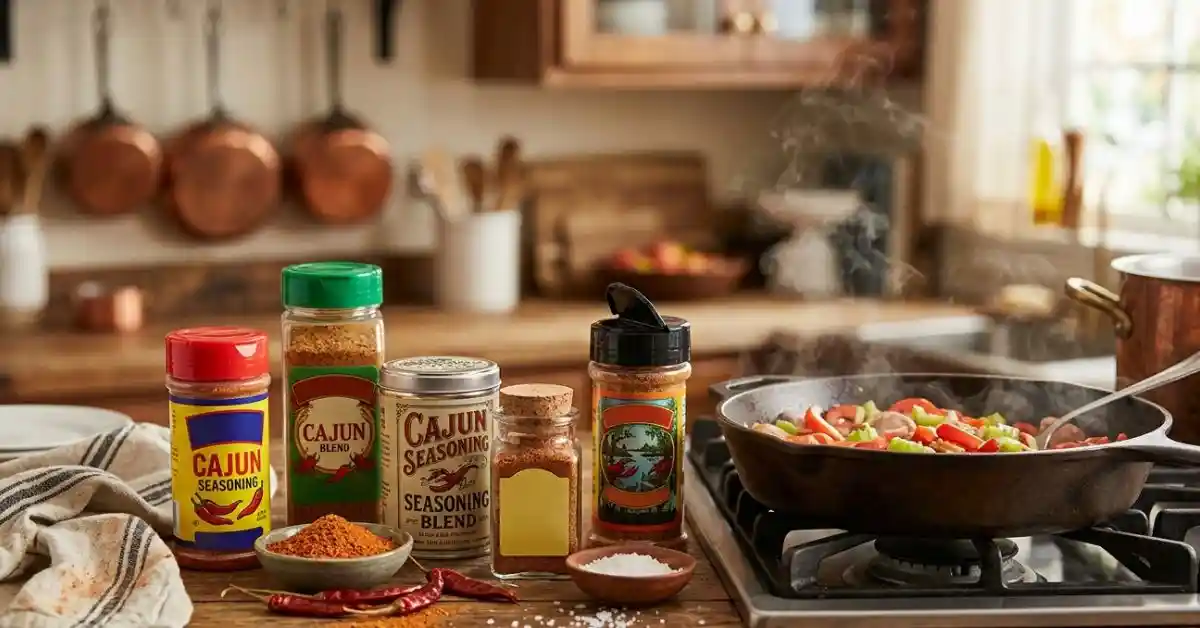
I have used many spice blends over the years. Some tasted bold and smoky. Some tasted flat and too salty. The right mix can make simple chicken, shrimp, or fries taste much better fast.
In this guide, I compare the Best Cajun Seasoning Brands for heat, salt, smoke, and fresh spice flavor. I have tested blends from Tony Chachere’s, Zatarain’s, and Slap Ya Mama in hot Florida kitchens, cold Midwest winters, and dry Arizona backyards. Some work best on seafood. Some taste better on fries, steak, or grilled chicken.
Why Cajun Seasoning Belongs in Every Kitchen
I started using Cajun spice blends on a cold Friday night when dinner felt boring and rushed. I tossed some on chicken and potatoes, and the smell filled the whole kitchen fast. Smoky paprika, garlic, and a little heat turned a plain meal into something bold and warm. Since then, I always keep one jar near the stove.
What I love most about the Best Cajun Seasoning Brands is how easy they make cooking. One shake can fix bland soup, plain fries, or dry grilled chicken. Some blends are spicy. Some taste smoky and rich. A few are too salty for me, honestly, so I learned to start small.
I also noticed Cajun seasoning works in every season. In summer, I use it on shrimp and corn outside by the grill. In winter, I stir it into rice, gumbo, or roasted potatoes when I want comfort food fast.
What Makes Cajun Seasoning Different From Creole Seasoning
I used to think Cajun and Creole seasoning were the same thing. After trying both side by side, the difference became clear fast.
Cajun seasoning usually tastes deeper, hotter, and more peppery. Creole blends often have more herbs and a lighter flavor. Cajun mixes focus more on bold spices like paprika, cayenne, garlic powder, onion powder, and black pepper.
Creole seasoning reminds me more of soup or rice dishes. Cajun seasoning feels stronger and smokier, especially on grilled meat or seafood.
Many cooks in Louisiana use both. I do the same now. Some nights I want heat. Other nights I want more herbs and less fire.
Common Ingredients Found in Cajun Spice Blends
Most Cajun blends use simple pantry spices, but the balance changes the flavor a lot. I once bought a cheap mix that tasted mostly like salt. Good blends smell warm and smoky right after you open the lid.
These are the spices I see most often in the Best Cajun Seasoning Brands:
- Smoked paprika
- Cayenne pepper
- Garlic powder
- Onion powder
- Black pepper
- Oregano
- Thyme
- Salt
Paprika gives color and smoke. Cayenne brings heat. Garlic and onion add depth. Thyme and oregano round everything out.
Some brands add lemon pepper or white pepper too. Those can taste great on seafood.
Foods That Taste Better With Cajun Seasoning
I use Cajun seasoning more than almost any spice blend in my kitchen now. It works on quick snacks, grilled meat, and even leftovers that need help.
These foods taste especially good with it:
- Chicken wings
- Shrimp and seafood boils
- Fries and roasted potatoes
- Grilled corn
- Burgers
- Gumbo and jambalaya
- Popcorn on movie night — it sounds strange, but it tastes amazing
One rainy Sunday, I sprinkled Cajun seasoning on buttered popcorn during a football game. I thought it might be terrible. It ended up better than the chips sitting next to me.
What’s The Best Cajun Seasoning?
I have tested a lot of Cajun blends over the years, and the truth is simple. The best one depends on what you cook and how much heat you enjoy. Some blends hit hard with cayenne. Others stay mild and smoky with more garlic and paprika.
I learned this during a backyard cookout in late July. One seasoning made the shrimp taste smoky and rich. Another tasted so salty that nobody reached for seconds. Since then, I always check heat, salt, and smell before buying a new jar.
The Best Cajun Seasoning Brands should add flavor without covering up the food itself. A good blend brings warmth, smoke, garlic, pepper, and just enough kick to keep each bite interesting.
Best Overall Cajun Seasoning Brand
For everyday cooking, I like a blend that stays balanced. It should taste bold but not painful. I want heat, but I still want to taste the chicken, shrimp, or vegetables under it.
The best overall Cajun seasoning usually has:
- Balanced heat and smoke
- Strong paprika flavor
- Garlic and onion that taste fresh
- Enough spice for meat, seafood, and vegetables
- Easy access in most grocery stores
I use this type most often on roasted potatoes and grilled chicken. It works well without needing extra sauces or marinades.
Best Cajun Seasoning You Can Buy for Heat Lovers
Some nights, I want real heat. Not just a tiny kick. I mean the kind that makes your nose run a little while eating hot wings during football season.
The best Cajun seasoning for heat lovers usually includes more cayenne pepper and black pepper. These blends taste great on:
- Blackened fish
- Crispy chicken wings
- Fried shrimp
- Cajun fries
I noticed spicy blends work even better with melted butter or lemon juice. The acid and fat help balance the heat instead of making it feel harsh.
One blend I tried during a beach trip in Florida tasted amazing on grilled shrimp but almost too spicy on rice. That is why I always start with a small amount first.
Best Mild Cajun Blend for Families
Not everyone wants heavy heat. My family likes flavor, but some blends can feel too strong for kids or lighter meals.
Mild Cajun seasoning still gives that smoky Southern flavor without too much burn. These blends often have:
- More paprika
- Extra garlic flavor
- Less cayenne pepper
- A softer finish
I use mild blends most on:
- Cajun chicken pasta
- Air fryer potatoes
- Rice bowls
- Grilled corn
They also work well when cooking for guests because almost everyone can enjoy them.
Best Low-Sodium Cajun Seasoning
I did not pay attention to sodium at first. Then one weekend I used a salty Cajun blend on fries and burgers together. Everything tasted heavy after two bites.
Now I look for low-sodium Cajun seasoning when possible. It gives me more control while cooking.
Good low-salt blends still bring:
- Smoky paprika flavor
- Garlic and onion depth
- Mild heat
- Strong aroma without too much salt
These blends work well for meal prep too. I often use them on chicken and roasted vegetables during busy weeks because the flavor stays bold without tasting overpowering later.
Best Store Bought Cajun Seasoning Brands to Try
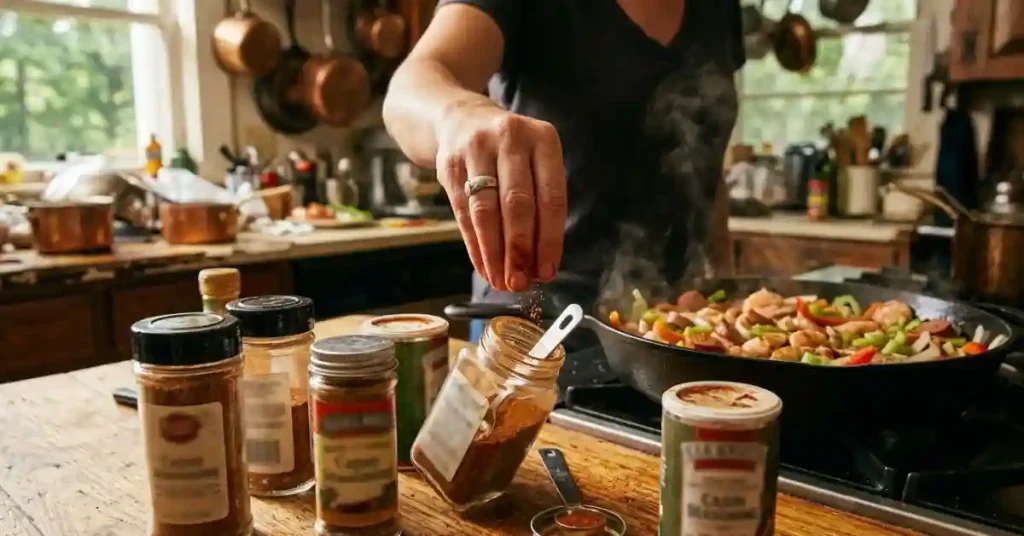
I have tested many store blends over the years, and honestly, not all of them deserve the hype. Some smell fresh and smoky the second you open the lid. Others taste dusty and flat, like they sat in the back of the shelf for years.
The Best Cajun Seasoning Brands should save time without losing flavor. I want a blend that works fast on shrimp, chicken, fries, or vegetables without needing extra spices. These are the store bought Cajun seasonings I keep coming back to after real meals, cookouts, and late-night kitchen experiments.
Slap Ya Mama Cajun Seasoning
The first time I tried Slap Ya Mama, it was on crispy fries during a humid summer night in Florida. The heat hit fast, but the smoky garlic flavor stayed balanced enough to keep eating.
This blend brings bold Louisiana-style flavor with a strong cayenne kick. It tastes especially good on:
- Fried chicken
- French fries
- Shrimp
- Roasted potatoes
One thing I noticed right away was the salt level. It can get salty if you use too much too fast. I learned that lesson after covering an entire tray of wings a little too heavily one game night.
Tony Chachere’s Original Creole Seasoning
Tony Chachere’s is one of those classic Southern seasonings almost everyone seems to know. I started using it after a friend from Louisiana added it to red beans and rice during a cold football weekend.
This blend tastes savory, peppery, and rich without feeling overpowering. It works really well in:
- Gumbo
- Seafood boils
- Beans and rice
- Grilled shrimp
The flavor leans more Creole than fiery Cajun heat, which I actually like for slower cooked meals. It adds depth without burning your mouth.
Zatarain’s Cajun Seasoning
Zatarain’s was one of the first Cajun spice blends I ever bought. It felt easy and safe to start with, especially before I knew how spicy some Cajun mixes could get.
This one has:
- Mild heat
- Smoky paprika flavor
- Balanced garlic and onion notes
I use it most on shrimp, rice dishes, and air fryer vegetables. It gives food that Southern flavor without going overboard on spice.
One rainy evening, I mixed it into roasted potatoes and honestly kept sneaking bites straight from the pan while they cooled.
Louisiana Fish Fry Cajun Seasoning
Louisiana Fish Fry surprised me the first time I used it. The paprika flavor stood out right away, especially on grilled meat cooked over charcoal.
This seasoning tastes best on:
- Grilled chicken
- Steak skewers
- Burgers
- Blackened fish
The smoky flavor feels deeper than some lighter blends. I noticed it shines most during outdoor cookouts when the grill adds extra smoke and char.
It can taste a little strong on plain rice by itself, though. I usually pair it with butter or lemon juice to soften the edges.
McCormick Cajun Seasoning
McCormick is the blend I grab when I need something quick and reliable. It may not taste as bold as small Louisiana brands, but it stays consistent every time.
I like it for busy weeknights because it works fast on:
- Chicken breasts
- Fries
- Roasted vegetables
- Pasta dishes
The heat stays mild to medium, so it fits family meals well. One cold Tuesday, I tossed it into creamy Cajun pasta after work, and dinner was done in less than thirty minutes.
That kind of convenience matters more than people admit sometimes.
How To Choose the Best Cajun Seasoning Brand
I used to buy Cajun seasoning the same way I picked chips at the store. I grabbed the loudest label and hoped for the best. After a few salty dinners and one painfully spicy shrimp taco night, I learned fast that the best blend is not always the hottest one.
The Best Cajun Seasoning Brands balance heat, smoke, garlic, and salt in a way that makes food taste better, not buried under spice. Now I pay attention to a few small details before tossing a jar into my cart.
Check the Salt Level First
This was the first mistake I made with store bought Cajun seasoning. Some blends use a lot of salt to boost flavor quickly. At first bite, it tastes bold. By the third bite, everything starts tasting heavy.
I noticed this most during a summer cookout when I used the same salty blend on burgers, fries, and corn. Nobody finished their plates.
Now I always check the label first. If I cook often during the week, I lean toward low-sodium Cajun seasoning because it gives me more control.
Low-salt blends work especially well for:
- Meal prep
- Roasted vegetables
- Chicken bowls
- Rice dishes
You can always add more salt later. You cannot take it back out once dinner is covered in it.
Look for Fresh Paprika Aroma
A good Cajun blend should smell warm, smoky, and fresh right after you open the lid. Paprika is usually the first thing I notice.
One cold evening, I opened an old jar hiding behind cinnamon in my cabinet. It smelled like dust. The chicken tasted almost the same way. That was the moment I realized spices lose flavor faster than people think.
Fresh Cajun seasoning usually smells like:
- Smoky paprika
- Garlic
- Black pepper
- Warm herbs
If the aroma feels weak or stale, the flavor often will too.
Decide Between Mild, Medium, or Hot
I used to think hotter always meant better. Then I made extra spicy Cajun pasta for family movie night and watched everyone quietly reach for water after two bites.
Now I match the heat level to the meal.
Mild Cajun Seasoning
Best for:
- Family dinners
- Pasta
- Roasted potatoes
- Kids or lighter meals
These blends usually have more paprika and garlic with less cayenne pepper.
Medium Cajun Seasoning
Best for:
- Everyday cooking
- Chicken
- Shrimp
- Burgers
- Rice bowls
This is the level I use most often because it stays balanced.
Hot Cajun Seasoning
Best for:
- Wings
- Blackened fish
- Gumbo
- Spicy grilled meat
Hot blends bring more cayenne and black pepper. They taste amazing, but a little goes a long way.
Consider Ingredient Quality
Not all Cajun spice blends use the same quality ingredients. Some cheaper mixes rely on fillers, too much salt, or artificial flavoring.
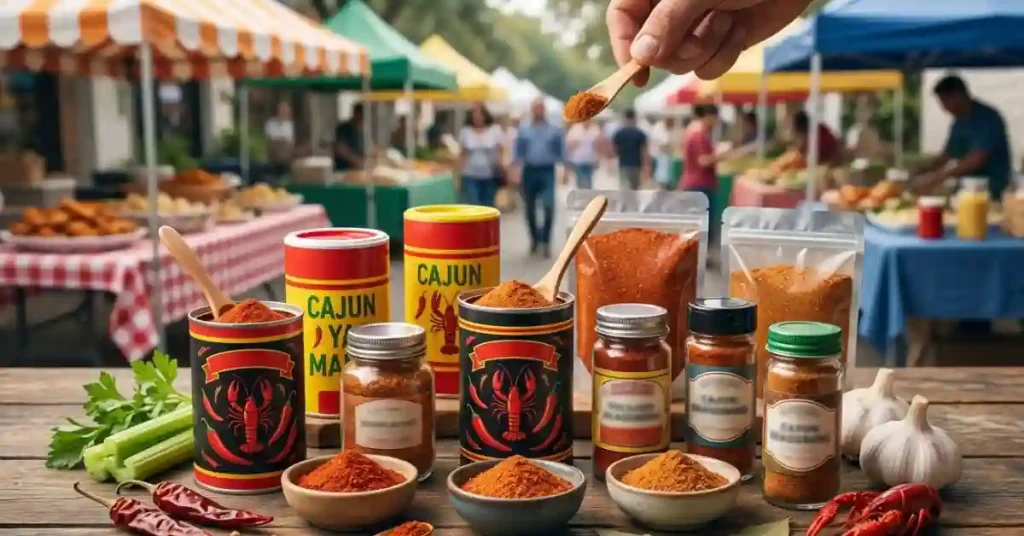
I started noticing the difference after trying small-batch Cajun blends at a local food market one fall weekend. The spices smelled fresher, and the flavor tasted cleaner and deeper.
I usually look for blends with:
- Real paprika and garlic
- Fewer fillers
- No fake smoke flavor
- No extra sugar unless it fits the recipe
Good Cajun seasoning should taste bold on its own. It should not need half the bottle to wake up a plate of food.
Best Cajun Seasoning Recipe To Make at Home
I started making my own Cajun seasoning after one grocery trip where every store blend tasted either too salty or too weak. One rainy Saturday afternoon, I mixed a few spices together in my kitchen almost out of frustration. The smell changed my whole mood fast. Smoky paprika, garlic, pepper, and herbs filled the room before the chicken even hit the pan.
What I love most about a homemade Cajun seasoning recipe is the control. I can make it spicy for wings, mild for pasta, or low-salt for meal prep. It also costs less over time, especially if you cook often like I do.
The Best Cajun Seasoning Brands are convenient, but homemade blends let you adjust every detail to fit your own taste.
Simple Homemade Cajun Seasoning Ingredients
I keep this simple Cajun spice recipe in a small glass jar near the stove now. It works well on shrimp, chicken, fries, and roasted vegetables.
Here is the blend I use most often:
- 2 tablespoons paprika
- 1 tablespoon garlic powder
- 1 tablespoon onion powder
- 1 teaspoon cayenne pepper
- 1 teaspoon black pepper
- 1 teaspoon oregano
- 1 teaspoon thyme
- 1 teaspoon salt
Paprika gives the blend its smoky base. Cayenne adds heat. Garlic and onion bring depth and warmth.
If you like bold Southern flavor without too much burn, this balance works really well.
How To Mix and Store It
Making homemade Cajun seasoning takes less than five minutes. I usually throw it together while waiting for the oven to heat up.
Here is how I make it:
- Stir all spices in a dry bowl
- Break up any clumps with a spoon
- Pour the mix into an airtight jar
- Keep it away from heat and sunlight
I learned the hard way not to store spices near the stove. Steam and heat can dull the flavor fast. One old batch I kept beside the oven lost almost all its smell after a few months.
For the best flavor, I try to use homemade Cajun seasoning within about six months.
Easy Ways To Customize the Blend
One reason I enjoy homemade Cajun spice blends is how easy they are to change. Some nights I want more smoke. Other nights I want more heat, especially during football weekends with wings and fries.
Here are a few easy ways I adjust the blend:
- Add brown sugar for sweet heat
- Use smoked paprika for deeper flavor
- Increase cayenne pepper for extra spice
- Add white pepper for a sharper kick
One winter night, I added smoked paprika and extra garlic before making Cajun roasted potatoes. The smell alone made everyone wander into the kitchen asking what was cooking.
That is the fun part about homemade seasoning. You can keep tweaking it until it tastes exactly right for your table.
Cajun Seasoning Mistakes That Can Ruin Flavor
I used to think Cajun seasoning could fix almost any meal. Just shake more on top and dinner would magically taste better. Turns out, I was very wrong a few times.
One dry summer evening in Arizona, I made blackened shrimp tacos for friends and got way too confident with the seasoning. The shrimp came out salty, bitter, and so spicy that everyone kept reaching for cold drinks between bites. That dinner taught me something fast. Even the Best Cajun Seasoning Brands can taste rough if you use them the wrong way.
Cajun flavor should taste smoky, warm, peppery, and rich. It should wake up the food, not bury it under salt or burnt spices.
Using Too Much Too Fast
This is probably the biggest mistake I made when I first started cooking with Cajun spice blends. I saw chefs coat food heavily online, so I copied them without thinking about the salt level.
Most Cajun seasoning already contains:
- Salt
- Cayenne pepper
- Black pepper
- Garlic powder
If you add too much too early, the food can turn heavy fast.
I noticed this during a football Sunday when I seasoned fries, wings, and burgers with the same spicy blend. At first, everything smelled amazing. Halfway through eating, though, the salt and heat became exhausting.
Now I always start small and taste as I cook.
This works much better for:
- Shrimp
- Chicken
- Roasted potatoes
- Rice bowls
- Cajun pasta
You can always add more seasoning later. Fixing over-seasoned food is much harder.
Burning the Spices
I learned this lesson the hard way with paprika.
One cold winter night, I cranked the stove heat too high while making blackened chicken. The outside looked perfect for about thirty seconds. Then the spices started smelling sharp and bitter instead of smoky.
Paprika burns faster than many people realize. When it burns, Cajun seasoning loses that warm Southern flavor and starts tasting harsh.
Now I cook most Cajun recipes over medium heat instead of blasting the pan right away.
Medium heat works especially well for:
- Blackened fish
- Cajun chicken
- Shrimp
- Burgers
- Roasted vegetables
The spices toast slowly and taste much deeper that way.
Forgetting Acid or Butter
This changed my cooking more than almost anything else.
For a long time, I thought Cajun seasoning worked alone. Then one rainy Friday night, I squeezed fresh lemon juice over Cajun shrimp and added melted butter on top. The flavor suddenly tasted brighter, smoother, and more balanced.
Good Cajun flavor loves richness and acid together.
These pairings work especially well:
- Lemon juice
- Melted butter
- Ranch dip
- Garlic sauce
Butter softens the heat. Lemon brightens smoky paprika and cayenne pepper. Garlic sauce adds richness without covering the spices.
Honestly, some Cajun blends taste almost incomplete without one of these on the side.
Best Ways To Use Cajun Seasoning in Everyday Cooking
I didn’t always use Cajun seasoning this much. At first, it was just for shrimp boils or the occasional chicken night. But after a few “what do I cook now?” evenings, it slowly became my go-to Cajun spice blend for almost everything.
One lazy evening, I remember staring at leftover rice and cold chicken in the fridge. I tossed everything in a pan with Cajun seasoning, and it turned into a full meal I actually looked forward to eating. That’s when it clicked for me — this spice is not just for big recipes. It fixes everyday food too.
Fast Dinner Ideas
On busy days, I rely on Cajun seasoning to keep dinner simple but still tasty. It saves me when I don’t want to think too hard after work or a long day.
Some quick meals I actually make at home:
- Cajun chicken pasta when I want something creamy and filling
- Air fryer shrimp when I need something fast with almost no cleanup
- Spicy roasted potatoes when I just want comfort food
- Cajun mayo burgers when I want a little kick without extra sauces
I’ve noticed the trick is timing. I usually add the Cajun seasoning while cooking, not just at the end. That way the flavor sinks in instead of sitting on top.
Backyard Cookout Favorites
Some of my best food memories with Cajun seasoning happened outside. I still remember a small cookout where I seasoned chicken thighs right on the grill while smoke and spice filled the air. It felt simple, but the flavor was deep and bold.
These are my usual cookout picks:
- Grilled corn with butter and Cajun spice
- Steak skewers with a smoky Cajun rub
- Cajun butter shrimp that disappears fast every time
- Smoked chicken thighs with a crisp, spicy crust
What I like here is how Cajun seasoning blends with fire and smoke. It gets deeper on the grill, not weaker.
Snacks and Side Dishes
This is where Cajun seasoning surprised me the most. I used to think snacks didn’t need spice. Now I can’t unsee it.
A rainy movie night changed that for me. I sprinkled Cajun seasoning on popcorn just to try it. I expected it to taste weird. Instead, I kept reaching for more.
Now I use it on:
- Popcorn for movie nights
- French fries for a quick upgrade
- Deviled eggs when I want something different at gatherings
- Roasted nuts for a salty, spicy snack mix
The key is going light. A small shake is enough. Too much, and it can overpower the snack instead of improving it.
Overall, Cajun seasoning fits into my cooking because it’s flexible. Whether it’s a fast dinner, a weekend cookout, or just a snack, it adds that smoky, peppery flavor that makes simple food feel a bit more special.
How To Store Cajun Seasoning for Fresh Flavor
I didn’t think much about spice storage at first. I used to just screw the lid back on and leave Cajun seasoning wherever there was space near the stove. It worked fine… until one winter day when I found an old jar behind my cinnamon. I opened it, expecting that warm Cajun smell. Instead, it smelled flat and dusty. The food I made with it tasted the same.
That was the moment I realized something simple. Even the best Cajun seasoning brands lose their punch if you don’t store them right.
Spices are small, but they’re sensitive. Heat, air, and light can slowly strip away that smoky paprika and garlic flavor I actually rely on so much.
Best Storage Tips
Over time, I changed how I keep my Cajun seasoning. Nothing fancy, just small habits that make a big difference.
Here’s what I actually do now:
- Use airtight containers so the aroma stays locked in
- Keep jars away from steam, especially when cooking rice or pasta nearby
- Store seasoning in a cool, dark cabinet instead of near the stove
I learned the stove lesson the hard way. Steam and heat from everyday cooking slowly weakened the flavor in one of my favorite blends. Now I keep everything a few steps away from the cooking area. It sounds small, but it really helps keep that fresh, smoky Cajun kick.
Signs Your Seasoning Is Old
I’ve also learned to trust my senses. Old Cajun seasoning doesn’t always look “bad” at first, but it slowly loses what makes it special.
These are the signs I watch for:
- Weak smell when I open the jar
- Faded color instead of that deep red-brown spice look
- Flat taste that doesn’t lift food anymore
- Clumping from moisture, especially after humid days
I’ve made the mistake of using old seasoning on chicken once. It looked fine, but the flavor just didn’t show up. Since then, I always do a quick smell test before cooking.
At this point, I treat Cajun seasoning like a fresh ingredient, not just something that sits in the cabinet. When it stays fresh, even simple meals like roasted potatoes or shrimp taste much better without any extra effort.
Frequently Asked Questions About Cajun Seasoning
What are the best Cajun seasoning brands?
The best Cajun seasoning brands depend on taste. Slap Ya Mama, Tony Chachere’s, and Zatarain’s are popular. They give bold heat, smoke, and simple use for daily cooking.
What is Cajun seasoning used for?
Cajun seasoning is used for chicken, shrimp, fries, and vegetables. It adds smoky heat and garlic flavor. I use it often for quick meals and easy backyard cooking.
What is the difference between Cajun and Creole seasoning?
Cajun is spicier with paprika, cayenne, garlic, and pepper. Creole has more herbs and milder taste. I use Cajun for bold meat and Creole for lighter rice dishes.
How long does Cajun seasoning last?
Stored well, Cajun seasoning lasts about 6 months to 1 year. Keep it dry and cool. I check smell and color often to make sure it still has strong flavor for best use for best flavor
Is Cajun seasoning spicy?
Cajun seasoning can be mild or hot. It depends on cayenne pepper level. I like starting light and adding more while cooking to control heat and flavor better now
To Get More About Home & Kitchen Product You Can Visit Our Site. If You Found our Posts Helpful Leave a Comment Below