
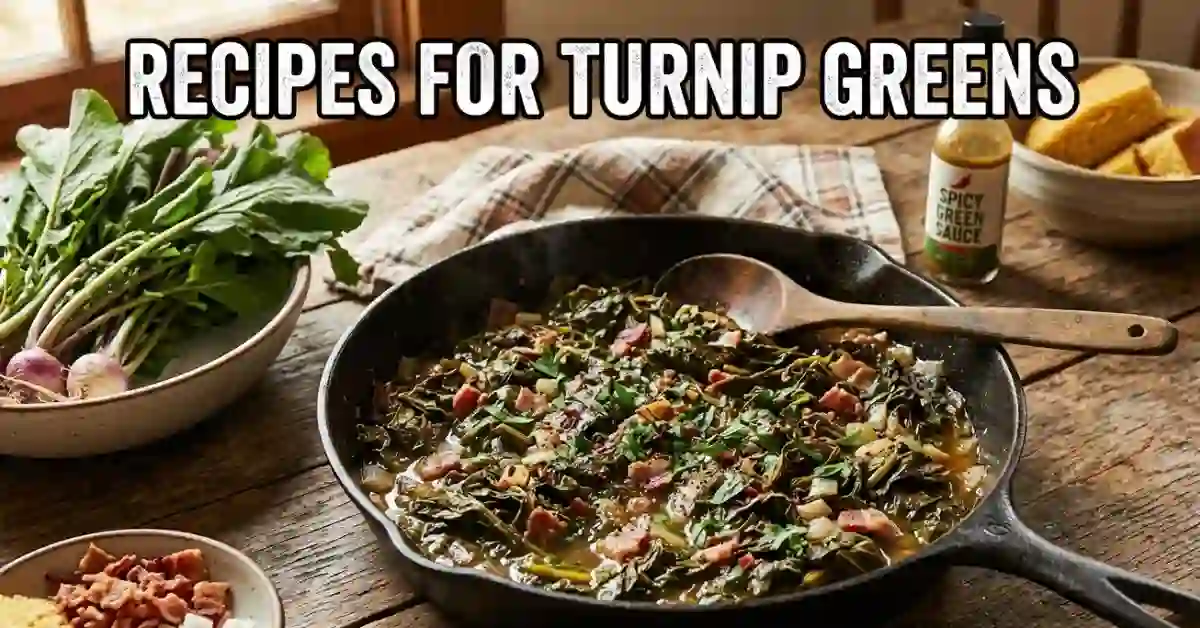
I’ve cooked Turnip greens in humid Florida summers and on cold Midwest nights, and one thing is always true: the right recipe makes all the difference.
These Recipes For Turnip Greens will help you turn bitter leaves into tender, flavorful comfort food with simple ingredients, smart cooking methods, and real kitchen-tested tips.
From Southern slow simmering to quick stovetop sautés, I’ll show you what works—and what tastes best.
Why Turnip Greens Deserve a Spot on Your Table
I’ll be honest. I ignored Turnip greens for years.
At my local farmers market one cool Sunday morning, I picked up a bunch only because they looked too fresh to pass up. That night, I cooked them low and slow with garlic and broth. My kitchen smelled warm and earthy. One bite changed my mind.
Now, Recipes For Turnip Greens are part of my regular meal plan. They are simple, budget-friendly, and much more flavorful than most people expect.
What are turnip greens?
Turnip greens are the leafy tops of the Turnip plant.
Most people know the root. Fewer people talk about the leaves. That is a mistake.
These greens are:
- A classic part of Southern cuisine
- Similar to Collard greens, Mustard greens, and Kale
- Slightly peppery and earthy
- Tender and rich when cooked well
Raw, they can taste a little bold. Cooked, they mellow out beautifully.
Why people love them
I get why more home cooks are adding turnip greens to dinner.
Here’s why I keep buying them:
- They are affordable. A big bunch usually costs less than many salad greens.
- They cook fast. A quick sauté takes under 10 minutes.
- They fit almost anywhere. Add them to soups, stews, pasta, or a simple side dish.
- They surprise people. I’ve served them to friends who said, “Wait… these are actually good.”
That last one always makes me laugh.
If you enjoy hearty greens with real flavor, turnip greens deserve a place on your table. Mine usually land there on chilly weeknights—right next to warm Cornbread.
What Do Turnip Greens Taste Like?
I get this question a lot when I share my favorite Recipes For Turnip Greens.
Many people expect them to taste harsh or too bitter. I thought that too. The first time I bought a bunch from a small roadside stand in Georgia, I was ready for a “healthy but boring” side dish. I was wrong.
Once they hit the pot with garlic and broth, the smell changed everything. My kitchen smelled rich and cozy. The flavor was much better than I expected.
Flavor profile
To me, Turnip greens taste like this:
- Mild bitterness — yes, but not overwhelming
- Earthy and fresh — like other garden greens
- Slight peppery bite — similar to Mustard greens, but softer
- Rich and savory when simmered — especially in a classic Southern cuisine recipe
I usually compare them to a mix of Collard greens and Kale. They have the heartiness of collards but a little more bite.
That bite is what makes them interesting.
How to reduce bitterness
If your turnip greens taste too strong, don’t give up. I made that mistake once and nearly wrote them off forever.
These simple tricks help:
- Blanch before cooking
I do this when the leaves look older. A quick boil softens the bitter edge. - Add acid like lemon juice or vinegar
A splash of Lemon juice or Apple cider vinegar wakes everything up. - Balance with garlic, onion, or a touch of sweetness
I love using Garlic and onions. Sometimes I add a tiny pinch of sugar. Not much—just enough to smooth things out.
That’s the magic of cooking turnip greens. A little care turns bold leaves into real comfort food.
Health Benefits of Turnip Greens
I started making Recipes For Turnip Greens because I loved the flavor. The health benefits were just a bonus.
Then one winter, after a week of heavy comfort food, I made a big pot of turnip greens on a rainy Tuesday night. By the end of that meal, I felt oddly proud of myself. It tasted like comfort food, but my body felt better too.
That is what I love about Turnip greens. They taste rich, but they also bring real nutrition to the table.
Key nutrients
Turnip greens may look simple, but they are packed with good stuff.
Here’s what you get in every serving:
- Vitamin K — helps support strong bones
- Vitamin A — good for your eyes and skin
- Vitamin C — supports your immune system
- Calcium — important for bones and teeth
- Dietary fiber — helps digestion
- Antioxidants — help protect your cells
Not bad for a bunch of humble greens.
Can turnips help with constipation?
Yes. This is one reason I keep them in my weekly meal plan.
Turnip greens are rich in dietary fiber. That fiber helps move food through your digestive system. In plain words—it helps keep things moving.
I noticed this myself when I started eating more leafy greens like turnip greens and Kale. It was not dramatic. Just… better. And honestly, that matters.
A quick note, though. If you are new to high-fiber foods, start slow. Your stomach may need a day or two to adjust.
Other wellness benefits
Turnip greens do more than help digestion.
They may also:
- Support bone health because of their vitamin K and calcium
- Help immune function thanks to vitamin C
- Fit into heart-friendly meals because they are low in calories and naturally low in fat
That’s why I call them a smart comfort food. You get the cozy bowl of greens—and your body gets something good, too. That feels like a win.
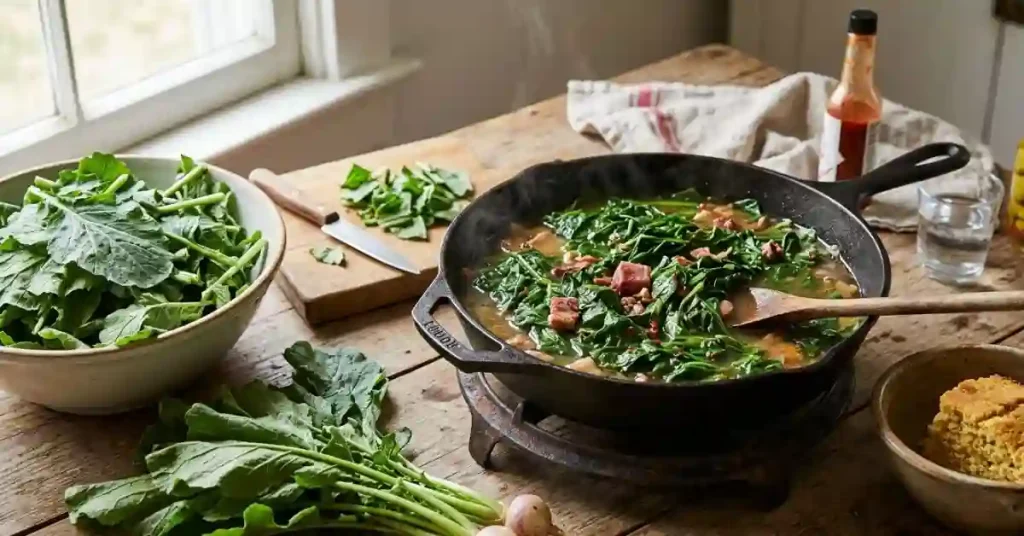
How to Pick and Prep Turnip Greens
A little prep can make or break your Recipes For Turnip Greens.
I learned that the hard way. One Saturday afternoon, I rushed through washing a bunch of Turnip greens and ended up chewing on grit at dinner. Nothing humbles a home cook faster than crunchy dirt.
Since then, I take an extra few minutes. It makes all the difference.
How to choose the best bunch
At the store or farmers market, I always start with the leaves.
Here’s what I look for:
- Deep green leaves — darker usually means fresher
- No yellow spots — yellow can mean the greens are older
- Crisp stems — they should snap, not bend like wet noodles
I also give the bunch a quick smell. Fresh greens smell clean and earthy. If they smell off, I move on.
How to clean them properly
This is the part many people rush. Don’t.
Turnip greens grow close to the ground, so mud loves to cling to them.
My simple cleaning method:
- Fill a sink or large bowl with cold water
- Drop the leaves in and swish them around well
- Lift them out with your hands
Never pour the water out over them—the dirt will go right back on - Repeat if needed
Sometimes I wash them twice. Sometimes three times. If the water still looks muddy, keep going. Your teeth will thank you.
How to trim and chop
Once the greens are clean, prep gets easy.
This is what I do:
- Remove thick stems if they look tough
(young stems can stay—they cook nicely) - Stack several leaves together
- Roll them into a loose tube
- Slice into thin ribbons
It feels oddly satisfying. I call it my little kitchen therapy.
Once chopped, your turnip greens are ready for sautéing, simmering, or any of your favorite Recipes For Turnip Greens. The hard part is done. Dinner gets easier from here.
What’s the Best Way to Eat Turnip Greens?
Honestly, this depends on your mood. And sometimes the weather.
When I make Recipes For Turnip Greens, I do not always cook them the same way. On a cold Sunday evening, I want a slow-simmered Southern bowl. On a busy Wednesday, I want something fast and garlicky.
That is the beauty of Turnip greens. They can do both.
Classic Southern-style
This is my comfort-food choice.
When the air feels chilly and I want something cozy, I cook turnip greens low and slow in broth. Usually with onion, garlic, and a little smoked meat.
The result?
- Tender greens
- Rich, savory flavor
- A warm kitchen that smells amazing
And yes, I almost always serve them with warm Cornbread. It feels wrong not to.
Quick sauté
This is my weeknight method.
If dinner needs to happen fast, I grab a skillet and use:
- Olive oil
- Garlic
- A pinch of red pepper flakes
Then I toss in the greens.
Done in about 10 minutes.
They stay a little brighter this way. A little more bite. I love that.
Add to soups and stews
This is my leftover trick.
If I have extra turnip greens, they go straight into soup.
I add them to:
- bean soup
- chicken stew
- vegetable broth bowls
They boost flavor and add nutrition. Plus, they make leftovers feel new again. That always feels like a small kitchen win.
Blend into smoothies
Yes—really.
I laughed the first time someone suggested this.
Then I tried it.
A handful of mild turnip greens blended with banana, pineapple, and a little yogurt works surprisingly well. The fruit softens the earthy taste.
Would I choose this over Southern-style greens? No.
Would I do it for a quick breakfast? Absolutely.
That is why I love Recipes For Turnip Greens. You can keep them traditional—or get a little creative. Both work.
Southern Turnip Greens Recipe (Classic)
This is the recipe I make when I want pure comfort.
It usually happens on a chilly Sunday afternoon. I put on a sweater, pull out my biggest pot, and start cooking. About 20 minutes in, the whole kitchen smells like garlic, broth, and slow-cooked goodness. It reminds me of the kind of meal someone’s grandma would quietly make all day.
Of all my Recipes For Turnip Greens, this one feels the most like home.
Ingredients
Here’s what I use:
- 2 large bunches Turnip greens
- 4 cups Chicken broth
- 1 smoked turkey leg or Ham hock
- 1 onion, chopped
- 3 garlic cloves
- 1 tablespoon Apple cider vinegar
- Salt
- Black pepper
Nothing fancy. That is part of the charm.
Instructions
This is how I cook them:
1. Wash and chop the greens
Do not rush this step. Clean greens matter.
2. Simmer the broth, meat, onion, and garlic for 20 minutes
This builds the base flavor. Your kitchen will already smell amazing.
3. Add the turnip greens
At first, it looks like too much. Give it a minute. They shrink fast.
4. Cook low for 45 to 60 minutes
Low and slow is the secret. The leaves turn tender and soak up all that smoky broth.
5. Finish with vinegar
That last splash wakes everything up. I never skip it.
Pro tip
Save the cooking liquid.
In Southern kitchens, many people call it “pot likker.” It may not look glamorous, but it is packed with flavor.
I like to spoon a little over my greens—or dip warm Cornbread into it.
Honestly, that might be my favorite bite.
How to Cook Turnip Greens Without Meat
No bacon. No ham. Still delicious.
I started making this version of Recipes For Turnip Greens one summer in Florida when I wanted something lighter. It was hot outside. The idea of simmering smoked meat for hours felt like too much.
So I tried a meatless version.
Honestly, I expected it to taste flat.
It did not.
The first time I made it, my kitchen still smelled rich and savory—thanks to garlic, onion, and smoked paprika. That little moment changed how I thought about cooking Turnip greens without meat.
Now I make this version often. It feels lighter, but it still tastes comforting.
Ingredients
Here’s what I use:
- 2 large bunches Turnip greens
- 2 tablespoons Olive oil
- 4 garlic cloves, chopped
- 1 small onion, chopped
- 2 cups Vegetable broth
- 1 teaspoon Smoked paprika
- 1 tablespoon fresh Lemon juice
- Salt
- Black pepper
Simple ingredients. Big flavor. That is my kind of cooking.
Method
This is how I do it:
1. Sauté the onion and garlic
I heat the olive oil first. Then in go the onions and garlic.
The smell tells me dinner is headed in the right direction.
2. Add the turnip greens and broth
I toss in the chopped greens and pour in the vegetable broth.
At this point, the pot always looks too full.
Don’t panic. They shrink fast.
3. Cover and simmer for 20 minutes
I keep the heat low.
This softens the leaves and lets them soak up all that smoky flavor.
4. Finish with lemon
Right before serving, I add fresh lemon juice.
That bright finish makes the whole dish pop.
I learned that after one bland batch years ago. Never skipped it again.
Flavor boosters
If I want to change it up, I add one of these:
- Nutritional yeast for a savory, almost cheesy note
- Red pepper flakes for gentle heat
- Toasted sesame oil for a nutty finish
My favorite is red pepper flakes on rainy nights.
A little heat just feels right.
This recipe proves something important: Recipes For Turnip Greens do not need meat to taste full, rich, and satisfying. Sometimes simple really does win.
Quick Garlic Sautéed Turnip Greens
Perfect for a busy Tuesday night.
This is the version of Recipes For Turnip Greens I rely on when the day runs long and I still want something real on the table. I remember one weeknight in particular—laundry running, phone buzzing, no energy left. I almost skipped cooking altogether.
Then I saw a bunch of Turnip greens in the fridge.
Ten minutes later, dinner was on the stove.
Nothing fancy. Just garlic, oil, and greens. But the smell alone made the kitchen feel calmer.
Ingredients
When I keep it simple, I use:
- 1 bunch Turnip greens, washed and chopped
- 2 tbsp Olive oil
- 4 garlic cloves, sliced or minced
- Salt, to taste
- Chili flakes (optional, but I usually add them)
That’s it. I like recipes that don’t ask too much from me on tired days.
Steps
This is how I cook them:
1. Heat oil
I warm the olive oil in a pan over medium heat.
I usually wait until it shimmers a little. That’s my cue.
2. Add garlic
Garlic goes in next.
It turns golden fast, and I always stay close here. Burnt garlic can ruin the mood quickly.
3. Toss in the turnip greens
I add the chopped greens in batches if the pan looks full.
They always shrink down more than I expect.
4. Cook 5–7 minutes
I stir until the Turnip greens turn tender but still a little bright.
I don’t like them mushy. I learned that the hard way early on.
5. Finish with seasoning
A pinch of salt and chili flakes goes in at the end.
Sometimes I add a tiny squeeze of lemon if I have it. It wakes everything up.
That’s it.
On nights like that, this quick version of Recipes For Turnip Greens reminds me that good food doesn’t have to be complicated. Just warm, fast, and honest.
Turnip Greens Soup Recipe
Warm, simple, and surprisingly filling.
I didn’t plan to turn this into a “recipe night” at all. It started on a rainy evening when I had leftover turnip greens sitting in the fridge and not much energy to cook anything complicated. I remember opening the pot and thinking, “Maybe this will just be okay.”
It turned out better than okay.
That’s usually how my Recipes For Turnip Greens soup goes. It’s the kind of meal that doesn’t look fancy, but fills the kitchen with a slow, comforting smell. Garlic, broth, and greens all blending together in a way that feels calm after a long day.
I like this soup because it’s flexible. I’ve made it when I’m tired, when I’m cleaning out the fridge, and even once late at night when I just wanted something warm before bed.
Add-ins that work well
This is where the soup becomes personal. I don’t always use the same mix, but these are my usual go-to options:
- White beans — makes it creamy and more filling
- Potatoes — adds soft texture and body
- Sausage — for a smoky, rich flavor (when I want something heavier)
- Carrots — a little natural sweetness
- Tomatoes — gives the broth a slight tang and color
I usually just look at what I have and build from there. No stress, no strict rules.
Serving idea
The best way I’ve eaten this is simple: a big bowl of hot turnip greens soup with crusty bread on the side.
I like tearing the bread and dipping it right into the broth. It soaks up everything—the garlic, the greens, the little bits of flavor that settle at the bottom.
It’s not a complicated meal, but it feels complete. And on quiet nights, that’s exactly what I want.
Best Seasonings for Turnip Greens
Seasoning changes everything. I learned this the hard way the first few times I cooked turnip greens. I thought a little salt was enough. It wasn’t. The greens tasted flat, almost shy.
Over time, I started building layers of flavor. Now, when I make Recipes For Turnip Greens, I treat seasoning like the real “main step,” not an afterthought.
Classic pairings
These are the flavors I reach for most often on regular weeknights. Nothing fancy—just dependable.
- Garlic — I almost always start here. The smell alone makes the kitchen feel right
- Onion — adds a soft sweetness that balances the greens
- Black pepper — gives a gentle heat without overpowering
- Vinegar — I usually add it at the end for a bright, clean finish
I remember one rainy evening in Florida when I skipped vinegar. The pot tasted heavy. One splash at the table fixed everything. That taught me not to rush the final step.
Bold flavors
When I want stronger comfort food, especially on colder nights, I lean into deeper seasoning. These give the greens more personality.
- Cajun seasoning — adds spice and warmth in one go
- Smoked paprika — gives a slow, smoky depth that reminds me of Southern kitchens
- Bacon fat — rich and heavy, best used in small amounts
- Hot sauce — I add this when I want heat that builds slowly
These bold flavors work best when I’m making a big pot of turnip greens to share. They turn a simple side into something that feels more like a full dish.
Fresh finishers
These are the small touches I usually add right before serving. I didn’t always do this, but now I never skip it.
- Lemon zest — brightens everything in a light, fresh way
- Parmesan — adds a salty bite that melts slightly into the greens
- Olive oil drizzle — smooths the flavor and brings everything together
I like this final step because it feels personal. After cooking the greens low and slow, this is where I adjust the taste to match the moment—sometimes light, sometimes rich, always simple.
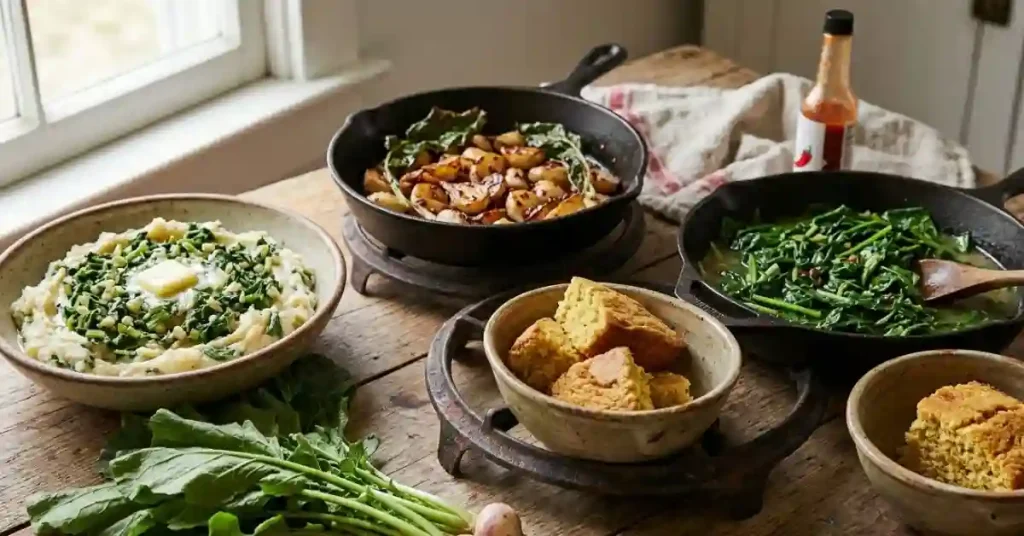
Common Mistakes to Avoid in Recipes For Turnip Greens
A few small mistakes can really change how Recipes For Turnip Greens turn out. I’ve made all of them at least once, usually when I was rushing or not paying attention. Over time, I learned that turnip greens are simple—but they still need a little care.
When I slow down and follow a few basics, the flavor always comes out better. When I don’t, I can tell right away.
Don’t skip washing
This is the mistake I learned the hard way.
One evening, I was cooking a quick pot of turnip greens after a long day. I was tired and skipped a proper wash. I thought a quick rinse would be fine. It wasn’t.
The first bite had grit. That sandy crunch ruined the whole meal.
Now I always wash turnip greens in cold water, sometimes two or three times. I swish them well and lift them out instead of pouring. That small step keeps dirt out and keeps Recipes For Turnip Greens clean and enjoyable.
Don’t overcook too long
I used to think longer cooking meant better flavor. That is not true with turnip greens.
One time, I left a pot simmering while I got distracted with other things. When I came back, the greens were too soft and dull. The bright green color was gone, and the texture felt heavy.
Now I watch the timing more closely. I cook them until they are tender but still hold a little life. That balance makes Recipes For Turnip Greens taste fresh and comforting, not mushy.
Don’t under-season
This is probably the biggest lesson I learned.
Turnip greens need seasoning. Without enough salt, garlic, or acid, they taste flat. I remember making a plain batch once and thinking something was missing, but I couldn’t figure it out. It was simply under-seasoned.
Now I always taste as I go. I add salt slowly, then finish with something bright like vinegar or lemon juice. That final touch makes a big difference in Recipes For Turnip Greens.
Good seasoning is what turns simple greens into something worth going back for.
What to Serve with Turnip Greens in Recipes For Turnip Greens
When I first started cooking Recipes For Turnip Greens, I wasn’t sure what to pair them with. I’d make a pot of greens, taste them, and then realize I needed something to round out the plate. Over time, I figured out what really works—and what just feels right on the table.
Turnip greens are bold, a little earthy, and full of flavor. So I like to match them with foods that either balance that richness or soak up the pot juices.
Southern favorites
These are the meals I grew up seeing paired with greens, and honestly, they still make the most sense to me.
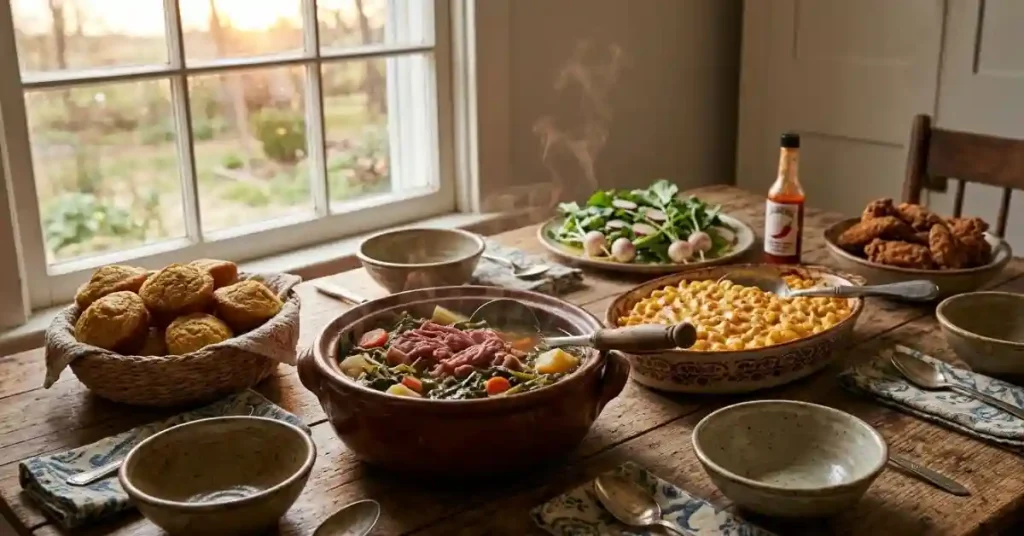
- Cornbread — I still remember one Sunday evening when I tore into warm cornbread and dipped it straight into the pot likker from my Recipes For Turnip Greens. It was simple, but it felt perfect.
- Fried Chicken — Crispy, salty chicken next to soft greens just works. I usually make this combo when I’m cooking for family or friends.
- Black-eyed Peas — This one feels extra comforting. I often make both on colder days when I want a full, hearty Southern-style plate.
Lighter meals
There are also days when I want something lighter. I still keep the greens, but I pair them with cleaner, simpler sides.
- Grilled fish — I like this when I want a fresh, balanced meal. The smoky greens with light fish feel calm and easy.
- Brown rice — This is my quick weeknight option. I’ve eaten it many times when I’m tired but still want something homemade.
- Roasted sweet potatoes — I like the natural sweetness here. It softens the slight bite of turnip greens and makes the plate feel complete.
For me, Recipes For Turnip Greens always feel flexible. Some days it’s a full Southern comfort plate. Other days, it’s a simple bowl with something light on the side. Both work, depending on the day and the mood.
Storage and Reheating Tips in Recipes For Turnip Greens
Turnip greens often taste even better the next day. I noticed this the first time I made a big pot of Recipes For Turnip Greens on a quiet Sunday. I ate a small bowl at night, then came back to it the next day after work—and it felt deeper, richer, and more settled in flavor.
Now I almost always plan for leftovers.
Store
When I store cooked turnip greens, I keep it simple. I don’t overthink it.
- Refrigerate up to 4 days
- Use airtight containers
I usually let the greens cool down first before packing them. One time I rushed and sealed them while still warm. The texture got a bit soggy the next day. I learned to wait those extra minutes. It makes a difference.
Freeze
Freezing has saved me many times, especially when I cook a big batch of Recipes For Turnip Greens.
- Freeze cooked greens up to 3 months
I like to portion them into small containers. That way, I can pull out just enough for one meal. On busy weeks, it feels like a small win to find homemade greens waiting in the freezer.
Reheat
Reheating is where the flavor comes back to life.
- Warm slowly on the stovetop
- Add a splash of broth if dry
I usually reheat mine in a small pot while I’m making something quick like rice or cornbread. If the greens look a little thick, I add a spoon of broth or even water. Then I stir slowly until everything loosens up again.
And honestly, I’ve found something nice here—Recipes For Turnip Greens don’t lose their comfort overnight. If anything, they settle in and taste more complete the next day.
FAQs About Recipes For Turnip Greens
Can you eat turnip greens raw in Recipes For Turnip Greens?
Yes, you can. But raw turnip greens taste strong and a bit bitter. I prefer young leaves in small salads for a milder bite.
What is the best way to cook Recipes For Turnip Greens for beginners?
Start simple with sautéing. Use garlic, oil, and broth. This method softens bitterness and makes Recipes For Turnip Greens easy and tasty fast.
How long should you cook Recipes For Turnip Greens?
Most recipes need 20 to 60 minutes. Slow simmer makes them soft and rich. Quick sauté versions cook in under 10 minutes.
Can Recipes For Turnip Greens be made ahead of time?
Yes, they store well. I often cook a big batch. Recipes For Turnip Greens taste even better after a day in the fridge.
Are frozen turnip greens good for Recipes For Turnip Greens?
Yes, frozen greens work fine. They cook quickly and still taste good. Just adjust seasoning after cooking for best flavor.
To Get More About Home & Kitchen Product You Can Visit Our Site. If You Found our Posts Helpful Leave a Comment Below